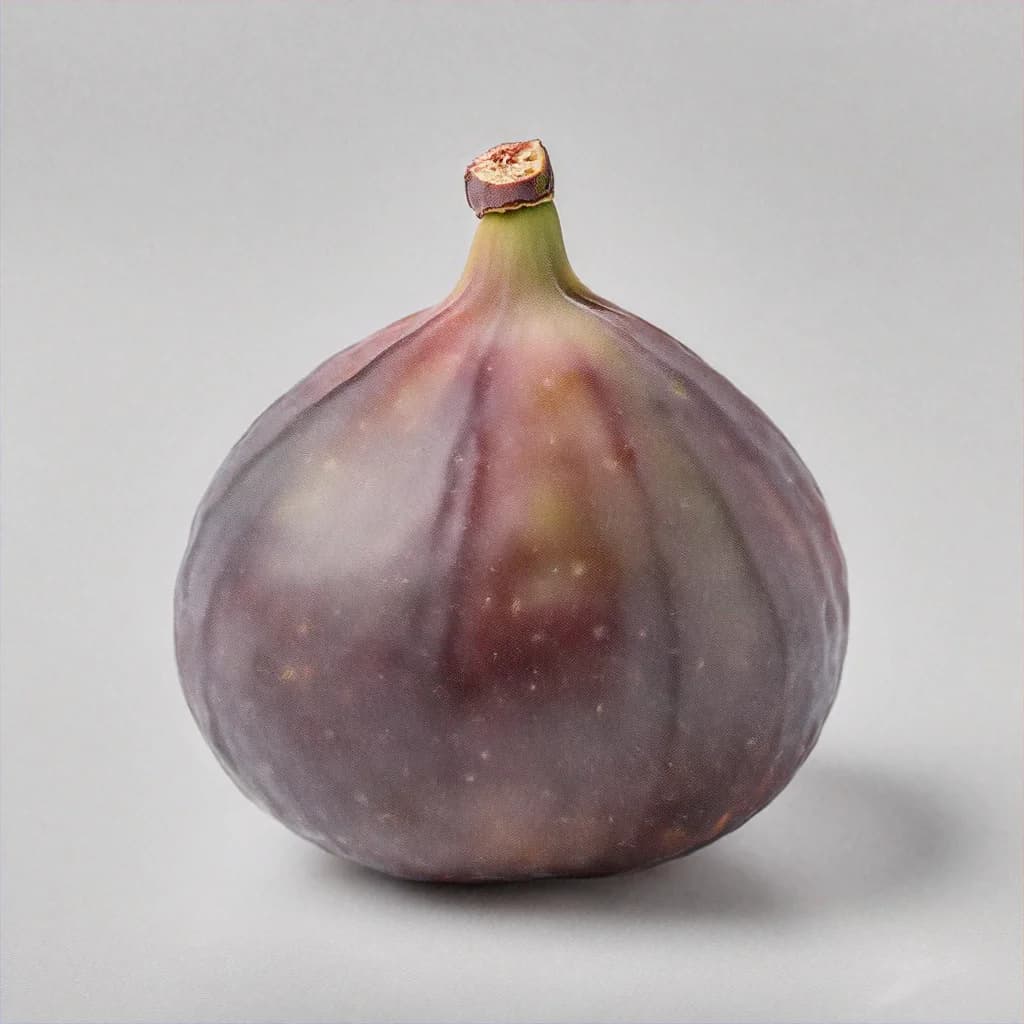
Cape Fig
Ficus sur
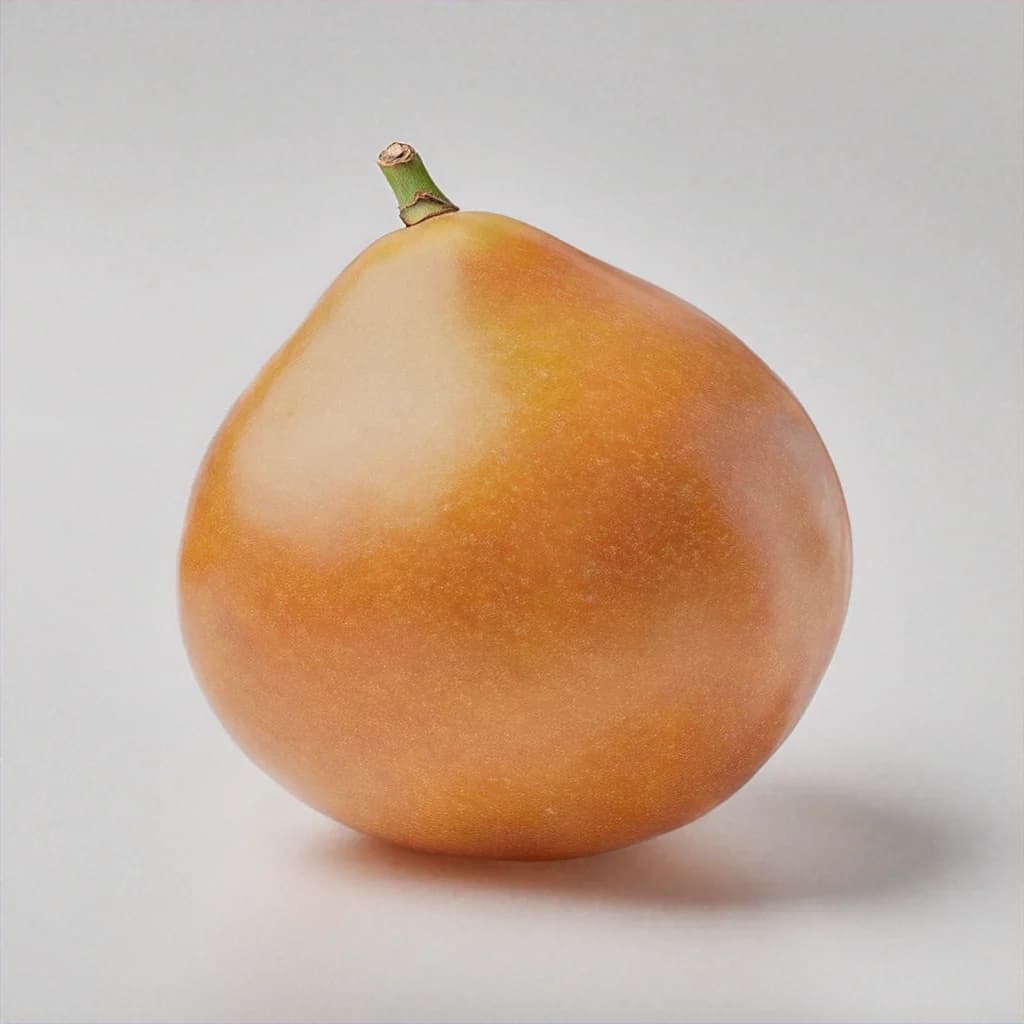
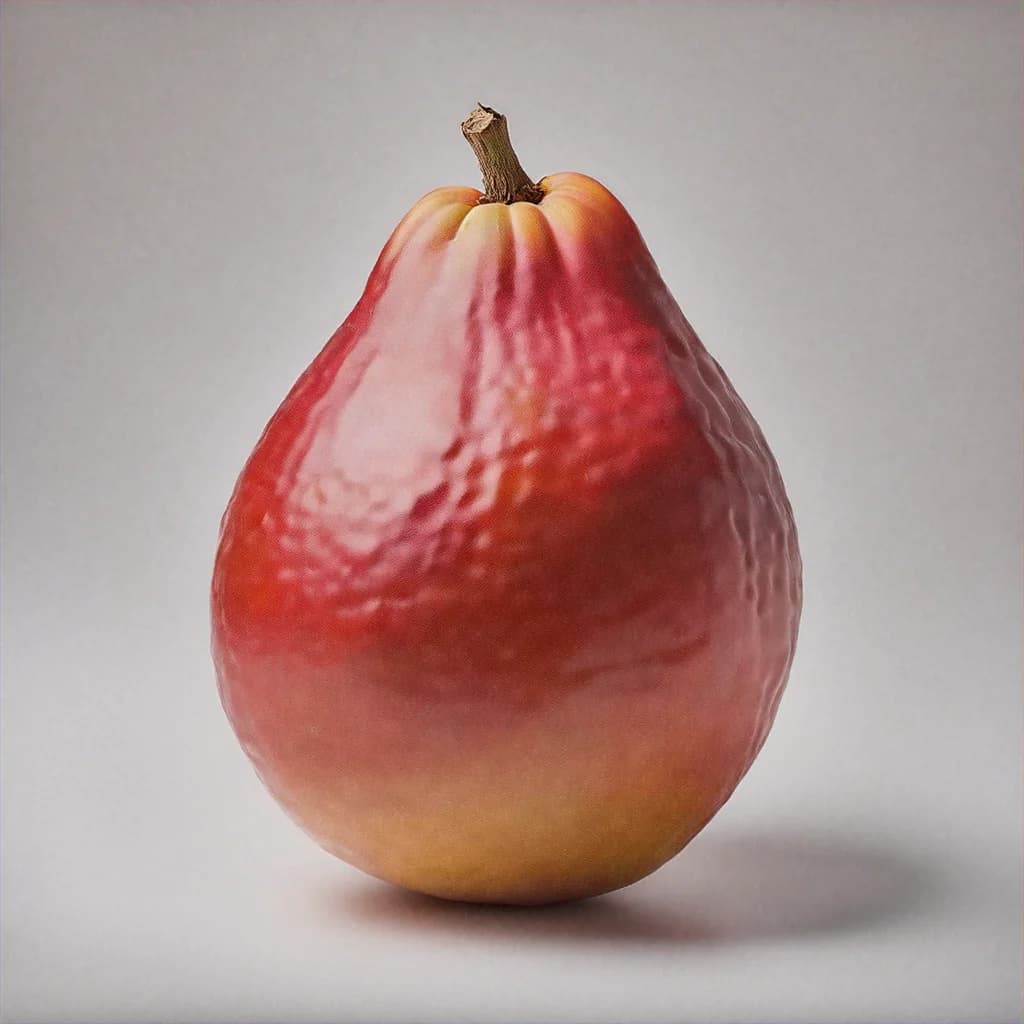
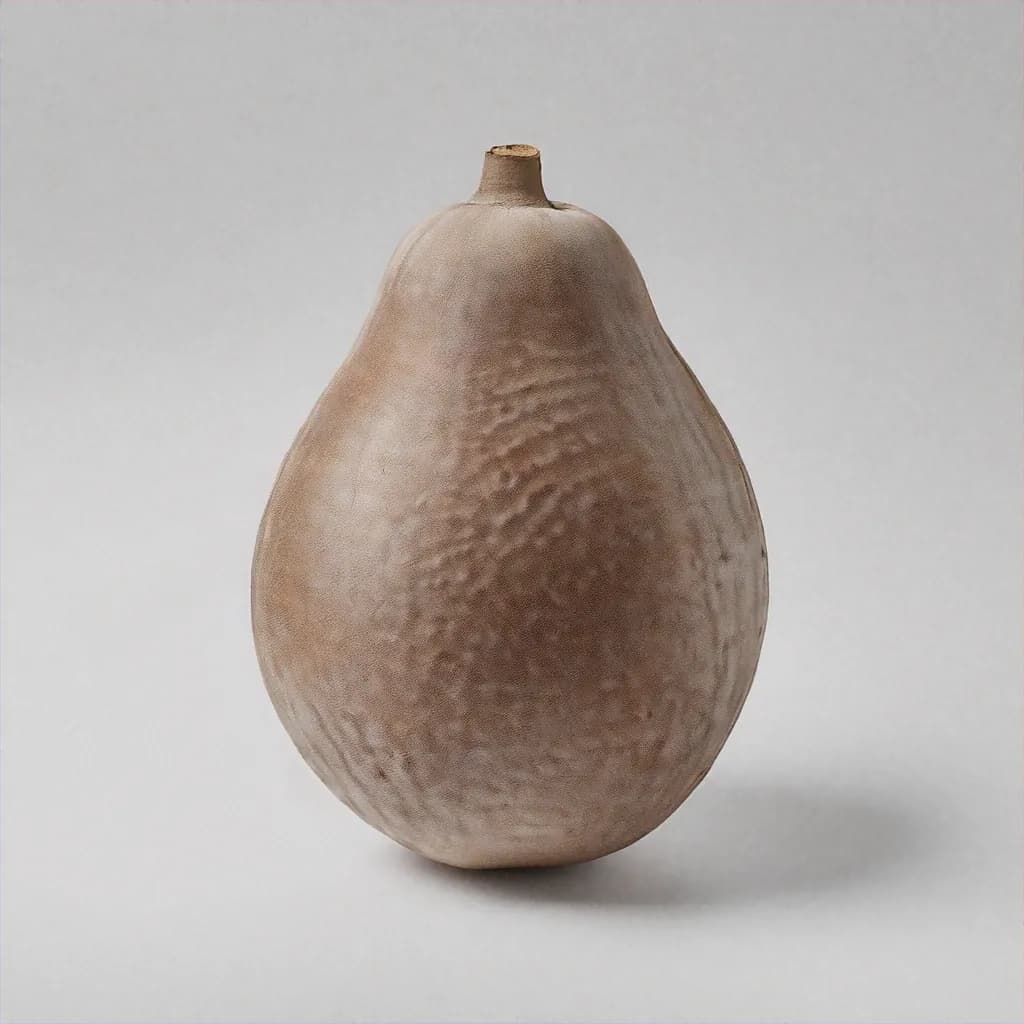
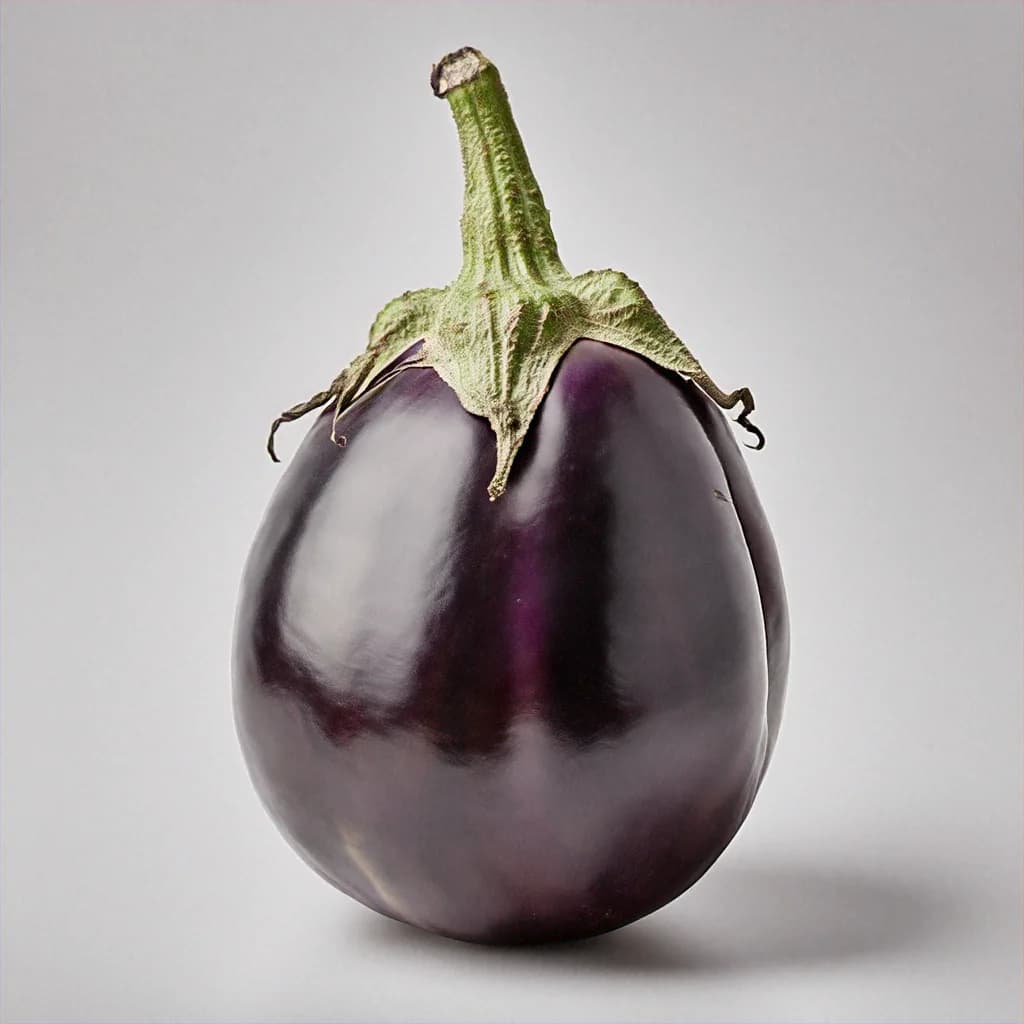
The Cape Fig, scientifically known as Ficus sur, is a delightful and nutritious fruit native to Southern Africa. Known for its unique, slightly sweet flavor and soft, chewy texture, it has been a staple in traditional diets for centuries. The fruit grows on a deciduous tree and is typically small, round, and purple-red when ripe. Cape Figs are rich in essential nutrients, including dietary fiber, vitamins, and minerals, making them a valuable addition to any diet. Their versatility in culinary applications, from fresh consumption to jams and dried snacks, adds to their appeal. Beyond their culinary uses, Cape Figs offer a range of health benefits, such as improved digestion, antioxidant protection, and support for cardiovascular health.
Cape Fig फोटो गैलरी
Cape Fig को शानदार विवरण में देखें
Cape Fig - मुख्य दृश्य
Cape Fig पोषण तथ्य
💊विटामिन
प्रति 100 ग्राम
⚡खनिज
प्रति 100 ग्राम
प्रति सर्विंग
एक सर्विंग का पोषण विवरण
Cape Fig के स्वास्थ्य लाभ
Cape Fig उत्पत्ति और वितरण
Southern Africa
The Cape Fig has been cultivated and consumed in Southern Africa for centuries. It has been valued for its nutritional content and versatility in traditional diets.
Cape Fig पीक सीज़न
Summer to Early Autumn
Cape Fig किस्में
हर किस्म का स्वाद, बनावट और उपयोग अलग होता है
Common Cape Fig
Cape Fig स्टोरेज और चयन गाइड
फलों को अधिक समय तक ताज़ा रखें
सही फल कैसे चुनें
Look for Cape Figs that are plump and firm to the touch.
Select fruits with a deep purple-red color, indicating ripeness.
सही स्टोरेज तरीके
Store Cape Figs in a cool, dry place away from direct sunlight.
Refrigerate to extend shelf life.
शेल्फ लाइफ गाइड
फ्रीज़ करने के निर्देश
कई महीनों तक ताज़गी बनाए रखें
Freeze whole Cape Figs in an airtight container for up to 3 months.
Thaw before consuming for best texture.
प्रो टिप
ताज़गी ट्रैक करने के लिए जमे हुए आइटम पर तारीख लिखें। सही तरीके से फ्रीज़ करने पर अधिकांश फल 2-3 महीनों तक गुणवत्ता बनाए रखते हैं। फ्रीज़र बर्न से बचने के लिए एयरटाइट कंटेनर या फ्रीज़र बैग का उपयोग करें।
पाक यात्रा
स्वादिष्ट विकल्प खोजें
सामान्य उपयोग
परफेक्ट पेयरिंग
लोकप्रिय रेसिपी
ताज़ा पेय
सुरक्षा जानकारी
Cape Figs are generally considered safe for most people, but individual allergies can occur.
Cape Figs are generally low in pesticide residues, but it's always best to wash them thoroughly before consumption.
- • Individuals with known allergies to figs or related plants.
- • Those with sensitive digestive systems may want to introduce Cape Figs gradually.
- •Possible allergic reactions in sensitive individuals.
- •Mild digestive discomfort if consumed in excess.
- • Wash thoroughly before eating.
- • Store in a cool, dry place to prevent spoilage.
रोचक तथ्य Cape Fig के बारे में
ऐसी बातें जो आपको पसंद आएंगी!
Cape Figs have been a staple in traditional African diets for centuries.
The Cape Fig tree is deciduous and sheds its leaves during the dry season.
अक्सर पूछे जाने वाले प्रश्न
What does a Cape Fig taste like?
GeneralCape Figs have a sweet and slightly tangy flavor with a soft, chewy texture.
How do I know if a Cape Fig is ripe?
BuyingA ripe Cape Fig will be plump, firm, and have a deep purple-red color.
Can I freeze Cape Figs?
StorageYes, Cape Figs can be frozen whole in an airtight container for up to 3 months.
What are some popular culinary uses for Cape Figs?
CulinaryCape Figs can be eaten fresh, used in jams and preserves, or dried for a nutritious snack.
Are Cape Figs high in sugar?
NutritionCape Figs contain natural sugars but are also high in fiber, which helps balance their glycemic impact.
Do Cape Figs have any health benefits?
HealthYes, Cape Figs are rich in antioxidants, fiber, vitamins, and minerals, supporting digestive health, immune function, and more.
Can Cape Figs be grown outside of Africa?
MiscellaneousWhile native to Southern Africa, Cape Figs can be cultivated in similar climates with proper care.