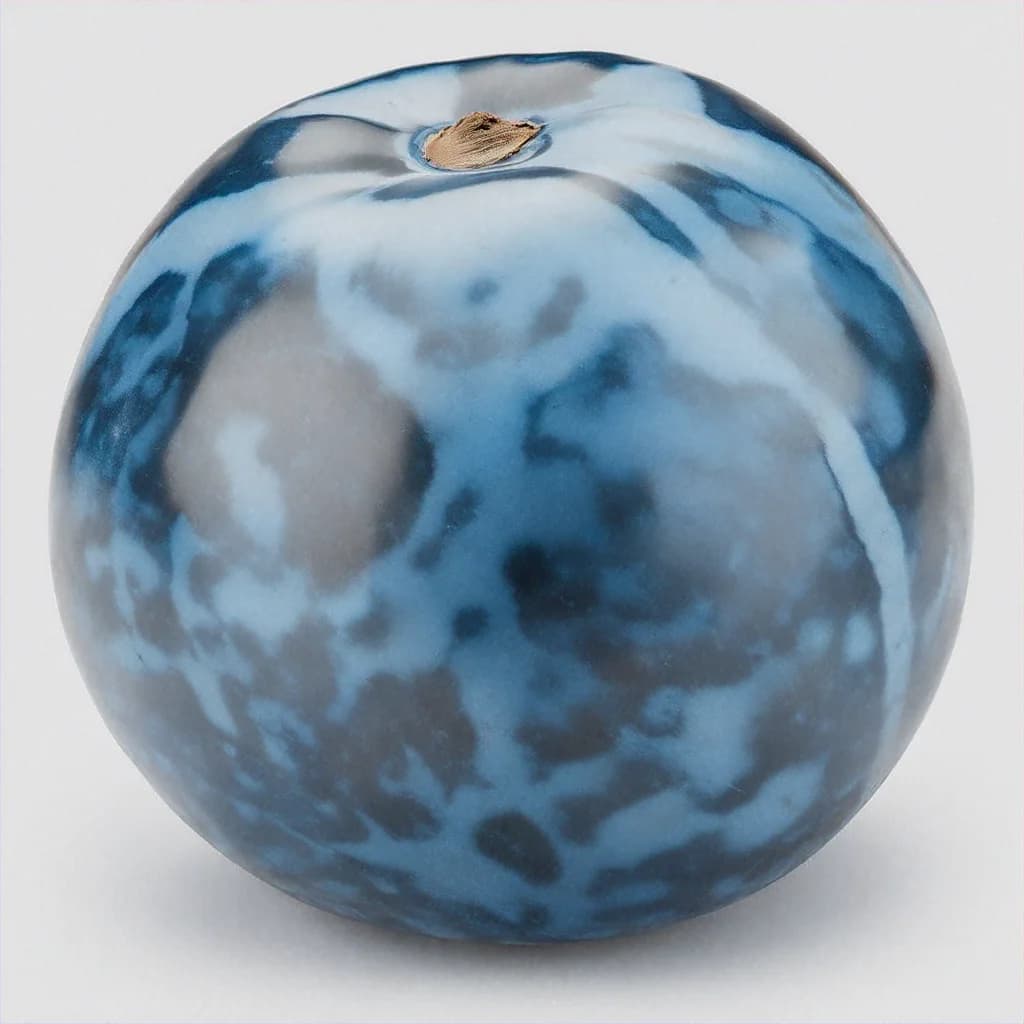
Blue Marble Fruit
Elaeocarpus angustifolius
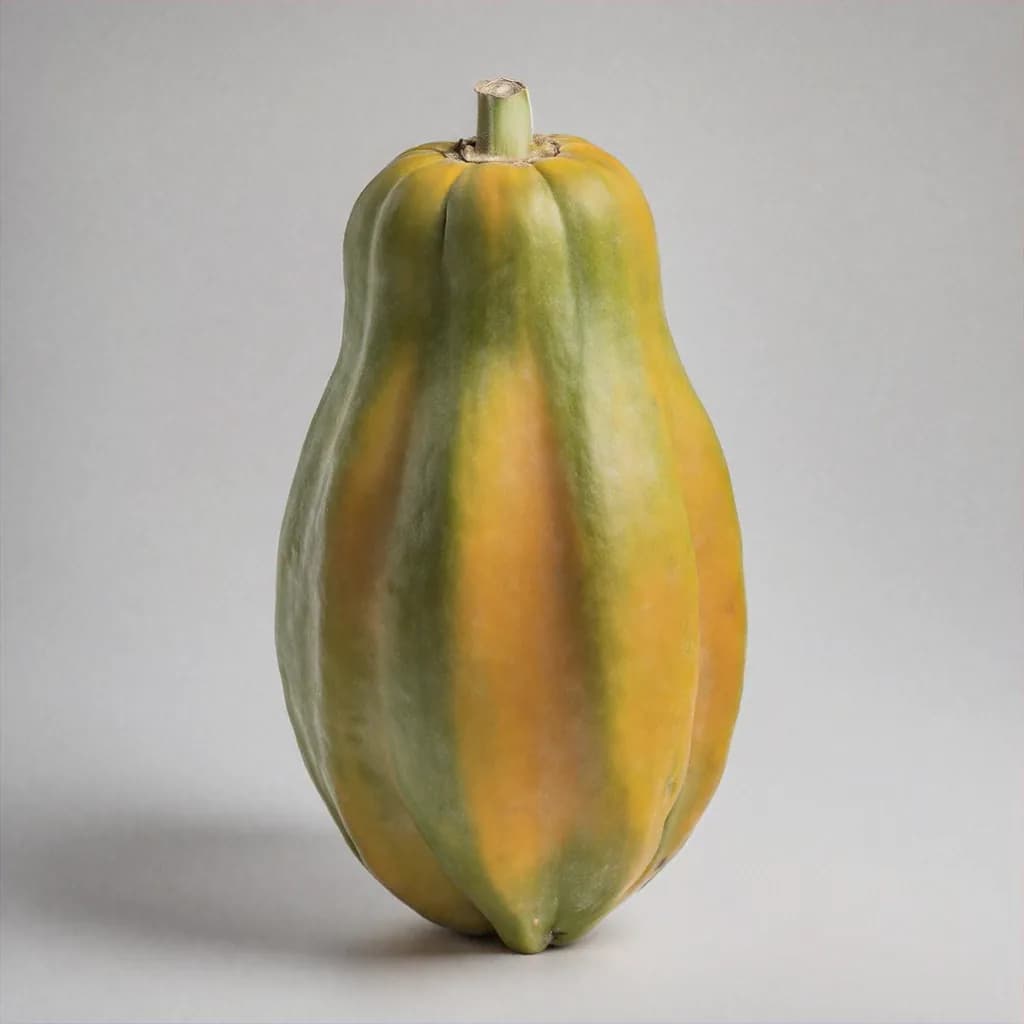
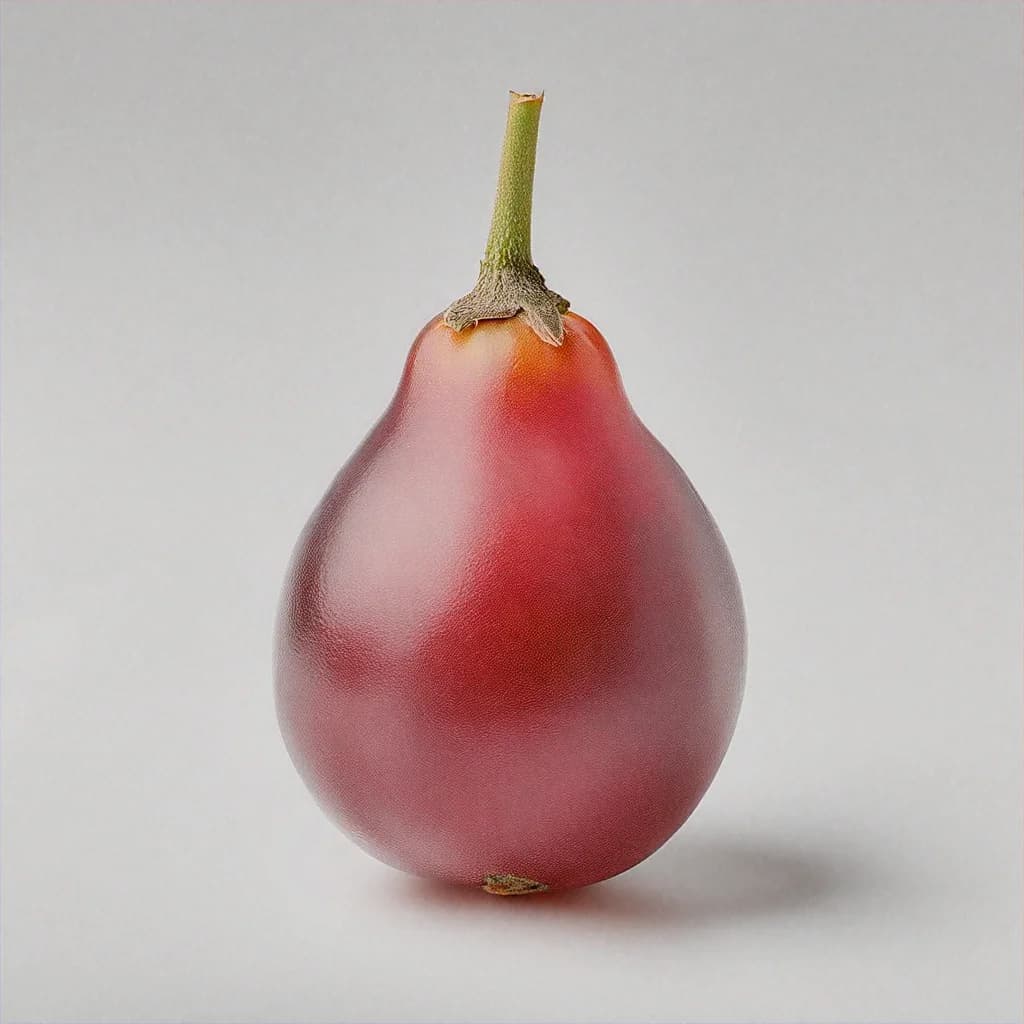
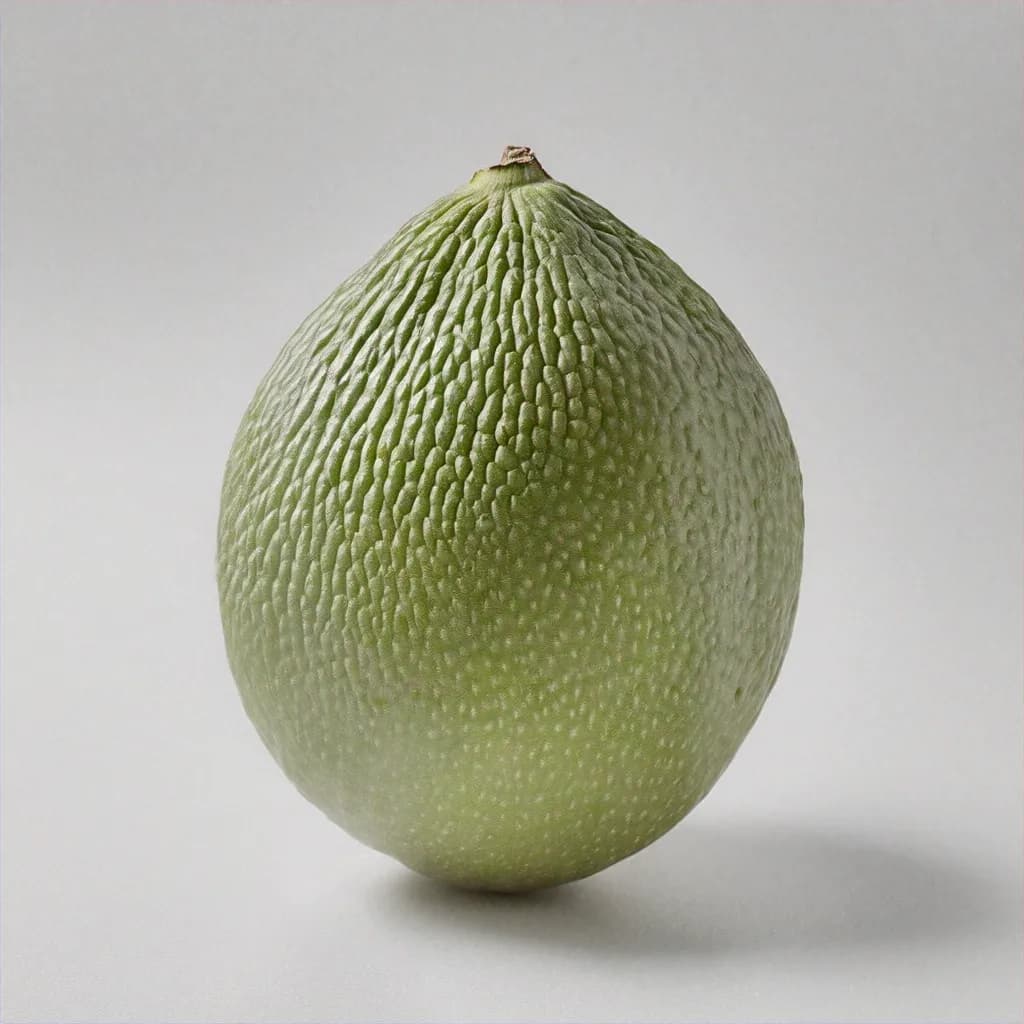
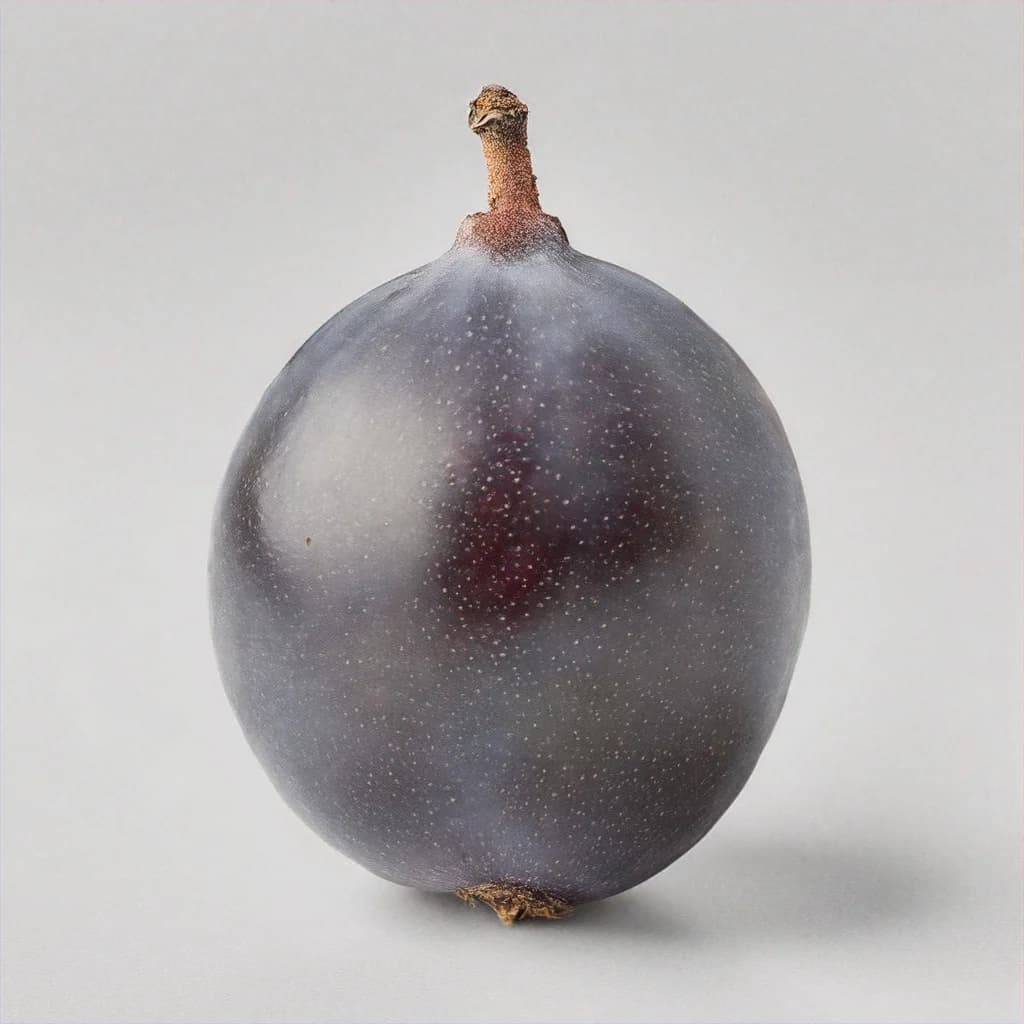
The Blue Marble Fruit, scientifically known as Elaeocarpus angustifolius, is a tropical delight celebrated for its distinctive blue hue and marbled texture. Native to regions like Southeast Asia and Australia, this fruit boasts a crisp, juicy flesh with a balance of sweet and slightly tart flavors. Its vibrant color is due to natural pigments, and it is rich in antioxidants, vitamins, and minerals, making it both a culinary curiosity and a nutritional powerhouse. Whether enjoyed raw, juiced, or incorporated into desserts, the Blue Marble Fruit offers a unique sensory experience and a host of health benefits.
Blue Marble Fruit फोटो गैलरी
Blue Marble Fruit को शानदार विवरण में देखें
Blue Marble Fruit - मुख्य दृश्य
Blue Marble Fruit पोषण तथ्य
💊विटामिन
प्रति 100 ग्राम
⚡खनिज
प्रति 100 ग्राम
प्रति सर्विंग
एक सर्विंग का पोषण विवरण
Blue Marble Fruit के स्वास्थ्य लाभ
Blue Marble Fruit उत्पत्ति और वितरण
Southeast Asia and Australia
The Blue Marble Fruit has been cultivated for centuries in tropical regions, prized for its unique appearance and nutritional content. It has gained popularity in modern cuisine for its vibrant color and versatility.
Blue Marble Fruit पीक सीज़न
Year-round in tropical climates, peak harvest in summer months.
Blue Marble Fruit किस्में
हर किस्म का स्वाद, बनावट और उपयोग अलग होता है
Common Blue Marble
Blue Marble Fruit स्टोरेज और चयन गाइड
फलों को अधिक समय तक ताज़ा रखें
सही फल कैसे चुनें
Look for fruits with a vibrant blue color and no blemishes.
Select fruits that feel firm but slightly yield to gentle pressure.
सही स्टोरेज तरीके
Store at room temperature for up to 3 days.
Refrigerate for extended freshness, up to 7 days.
शेल्फ लाइफ गाइड
फ्रीज़ करने के निर्देश
कई महीनों तक ताज़गी बनाए रखें
Freeze whole or sliced in an airtight container for up to 3 months.
Thaw before consuming for best texture and flavor.
प्रो टिप
ताज़गी ट्रैक करने के लिए जमे हुए आइटम पर तारीख लिखें। सही तरीके से फ्रीज़ करने पर अधिकांश फल 2-3 महीनों तक गुणवत्ता बनाए रखते हैं। फ्रीज़र बर्न से बचने के लिए एयरटाइट कंटेनर या फ्रीज़र बैग का उपयोग करें।
पाक यात्रा
स्वादिष्ट विकल्प खोजें
सामान्य उपयोग
परफेक्ट पेयरिंग
लोकप्रिय रेसिपी
ताज़ा पेय
सुरक्षा जानकारी
Blue Marble Fruit is not a common allergen, but individuals with oral allergy syndrome may react to it.
Low, as Blue Marble Fruit is typically grown with minimal pesticide use.
- • Individuals with known allergies to tropical fruits
- • People on blood-thinning medications (due to Vitamin K content)
- •Mild digestive discomfort in sensitive individuals
- •Possible allergic reactions in rare cases
- • Wash thoroughly before consuming.
- • Avoid eating the seeds, as they may be bitter and difficult to digest.
रोचक तथ्य Blue Marble Fruit के बारे में
ऐसी बातें जो आपको पसंद आएंगी!
The Blue Marble Fruit gets its name from its distinctive blue color and marbled texture.
It is often used as a natural dye in traditional textile production due to its vibrant pigments.
अक्सर पूछे जाने वाले प्रश्न
What does Blue Marble Fruit taste like?
GeneralBlue Marble Fruit has a sweet and slightly tart flavor, similar to a cross between a grape and a berry.
How do I know if a Blue Marble Fruit is ripe?
BuyingA ripe Blue Marble Fruit will have a deep blue color with white marbling and feel slightly soft to the touch.
How long does Blue Marble Fruit last in the fridge?
StorageBlue Marble Fruit can be stored in the refrigerator for up to 7 days.
Can Blue Marble Fruit be used in baking?
CulinaryYes, Blue Marble Fruit can be used in baking for tarts, pies, and other desserts to add a unique flavor and vibrant color.
Is Blue Marble Fruit high in sugar?
NutritionBlue Marble Fruit has a moderate sugar content of 10.5g per 100g, making it a balanced choice for most diets.
Can Blue Marble Fruit interact with medications?
HealthWhile Blue Marble Fruit is generally safe, individuals on blood-thinning medications should consult their doctor due to its Vitamin K content.
Is Blue Marble Fruit sustainable to grow?
MiscellaneousYes, Blue Marble Fruit is typically grown sustainably in tropical regions, requiring minimal water and pesticides.