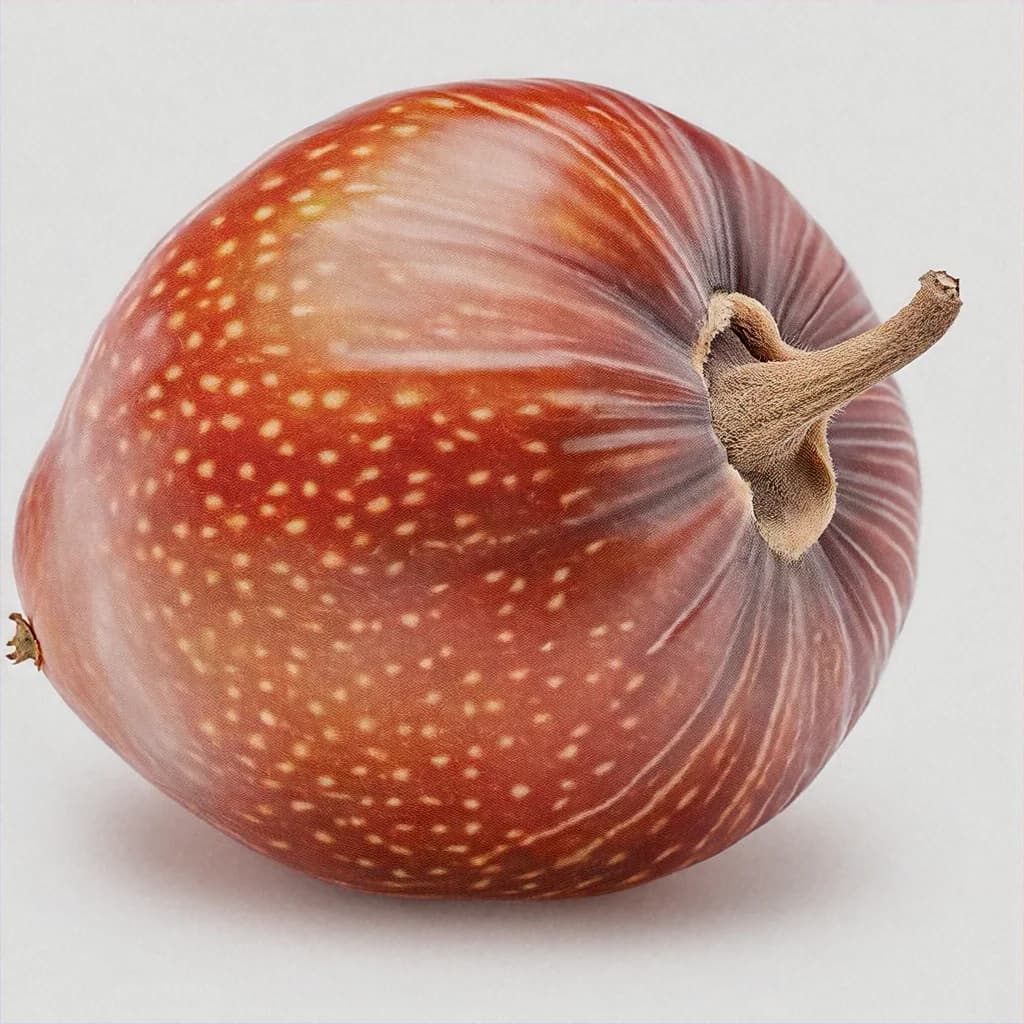
Aratiles
Muntingia calabura
Aratiles, scientifically known as Muntingia calabura, is a tropical fruit native to Central and South America but widely cultivated in Southeast Asia. This small, cherry-like fruit is often referred to as the 'Jamaican cherry' or 'Strawberry tree fruit.' Its delicate, sweet flavor and juicy texture make it a delightful addition to desserts, beverages, and jams. Beyond its culinary appeal, Aratiles is celebrated for its rich nutritional profile, boasting high levels of antioxidants, vitamins, and minerals. Its vibrant red or yellow hue adds visual appeal, while its subtle tartness balances its natural sweetness, making it a versatile ingredient in both traditional and modern cuisines.
Aratiles फोटो गैलरी
Aratiles को शानदार विवरण में देखें
Aratiles - मुख्य दृश्य
Aratiles पोषण तथ्य
💊विटामिन
प्रति 100 ग्राम
⚡खनिज
प्रति 100 ग्राम
प्रति सर्विंग
एक सर्विंग का पोषण विवरण
Aratiles के स्वास्थ्य लाभ
Aratiles उत्पत्ति और वितरण
Central and South America
Aratiles has been cultivated for centuries in its native regions and was introduced to Southeast Asia during the colonial era. It has since become a staple in many tropical cultures, valued for its nutritional and medicinal properties.
Aratiles पीक सीज़न
Year-round in tropical regions, with peak seasons varying by location.
Aratiles किस्में
हर किस्म का स्वाद, बनावट और उपयोग अलग होता है
Red Aratiles
Yellow Aratiles
Aratiles स्टोरेज और चयन गाइड
फलों को अधिक समय तक ताज़ा रखें
सही फल कैसे चुनें
Look for brightly colored fruits with no blemishes or soft spots.
Choose plump and firm Aratiles for the best flavor and texture.
सही स्टोरेज तरीके
Store fresh Aratiles in a cool, dry place away from direct sunlight.
Refrigerate for extended freshness, up to 1 week.
शेल्फ लाइफ गाइड
फ्रीज़ करने के निर्देश
कई महीनों तक ताज़गी बनाए रखें
Freeze whole Aratiles in an airtight container for up to 3 months.
Thaw before use for optimal flavor and texture.
प्रो टिप
ताज़गी ट्रैक करने के लिए जमे हुए आइटम पर तारीख लिखें। सही तरीके से फ्रीज़ करने पर अधिकांश फल 2-3 महीनों तक गुणवत्ता बनाए रखते हैं। फ्रीज़र बर्न से बचने के लिए एयरटाइट कंटेनर या फ्रीज़र बैग का उपयोग करें।
पाक यात्रा
स्वादिष्ट विकल्प खोजें
सामान्य उपयोग
परफेक्ट पेयरिंग
लोकप्रिय रेसिपी
ताज़ा पेय
सुरक्षा जानकारी
Aratiles is not a common allergen, but individuals with sensitivities to tropical fruits should exercise caution.
Aratiles is generally low in pesticide residues, but organic options are available for those with concerns.
- • Individuals with known allergies to tropical fruits.
- • People on low-sugar diets due to its natural sugar content.
- •Mild stomach upset if consumed in large quantities.
- •Potential interactions with medications due to high vitamin C content.
- • Wash Aratiles thoroughly before consumption to remove any residue.
- • Avoid consuming unripe or damaged fruits.
रोचक तथ्य Aratiles के बारे में
ऐसी बातें जो आपको पसंद आएंगी!
Aratiles is often called the 'Jamaican cherry' due to its popularity in the Caribbean.
The tree produces fruit year-round in tropical climates, making it a reliable food source.
अक्सर पूछे जाने वाले प्रश्न
What does Aratiles taste like?
GeneralAratiles has a sweet, slightly tart flavor, similar to a cross between a cherry and a strawberry.
How do I know if Aratiles is ripe?
BuyingRipe Aratiles are plump, firm, and vibrant in color, with no soft spots or blemishes.
Can Aratiles be frozen?
StorageYes, Aratiles can be frozen whole in an airtight container for up to 3 months for extended storage.
What are some popular culinary uses for Aratiles?
CulinaryAratiles is commonly used in jams, smoothies, salads, and baked goods due to its sweet flavor and juicy texture.
Is Aratiles high in sugar?
NutritionAratiles contains natural sugars but is also rich in fiber and antioxidants, making it a nutritious snack option.
Can Aratiles interact with medications?
HealthAratiles is generally safe, but its high vitamin C content may interact with certain medications. Consult a healthcare provider if you have concerns.
Is Aratiles safe for pets?
MiscellaneousAratiles is generally safe for pets in small quantities, but always consult a veterinarian before introducing new foods to your pet's diet.