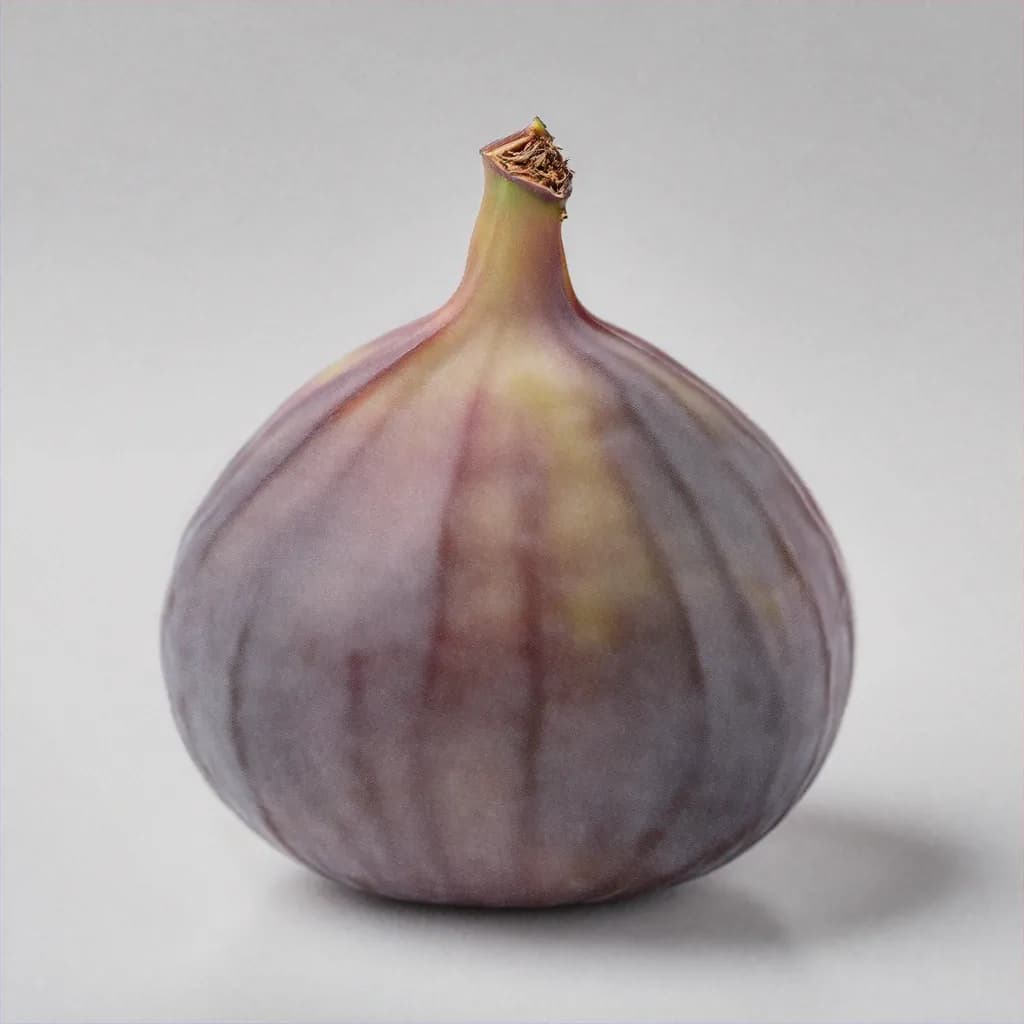
अंजीर
Ficus carica
अंजीर प्राचीन, अनोखे मीठे फल हैं जिनका स्वाद शहद जैसा होता है और इनकी बनावट नरम, जैम जैसी होती है जिसमें छोटे-छोटे खाने योग्य बीज होते हैं जो खाने पर कुरकुरापन देते हैं। ये आंसू के आकार के स्वादिष्ट फल भूमध्यसागरीय और मध्य पूर्वी क्षेत्रों में 5,000 से अधिक वर्षों से उगाए जाते हैं और ताजे मौसमी फल (गर्मियों के अंत/शरद ऋतु की शुरुआत में उपलब्ध) और सूखे फल के रूप में साल भर पोषण प्रदान करते हैं। ताजे अंजीर की कोमल, खाने योग्य छिलका हरे से गहरे बैंगनी रंग का होता है जिसमें गुलाबी से लेकर एम्बर रंग का गूदा होता है जिसका स्वाद प्रकृति की मिठाई जैसा होता है जिसमें शहद, बेरी और हल्की मिट्टी की खुशबू होती है। सूखे अंजीर मिठास और पोषक तत्वों को सघन करके चबाने योग्य, पोर्टेबल स्नैक में बदल देते हैं। दोनों रूपों में प्रभावशाली पोषण लाभ होते हैं जिनमें असाधारण फाइबर (प्रति कप सूखे अंजीर में 29% दैनिक मूल्य), पर्याप्त पोटेशियम (15% दैनिक मूल्य), कैल्शियम (सूखे अंजीर में 24% दैनिक मूल्य), और शक्तिशाली एंटीऑक्सीडेंट शामिल हैं। अंजीर का सांस्कृतिक और धार्मिक महत्व भी है, जो बाइबल, प्राचीन ग्रंथों और भूमध्यसागरीय परंपराओं में प्रमुखता से दिखाई देते हैं। अंजीर की अनूठी वनस्पति संरचना - अंजीर वास्तव में उल्टे फूल होते हैं जिन्हें विशेष ततैया द्वारा परागित किया जाता है - इसे पाक कला से परे आकर्षक बनाती है। ताजे होने पर कम कैलोरी (प्रति 100 ग्राम 74 कैलोरी) होने के बावजूद संतोषजनक रूप से मीठे, अंजीर प्राकृतिक ऊर्जा प्रदान करते हैं, पाचन स्वास्थ्य का समर्थन करते हैं, और आधुनिक आहार में अक्सर कमी वाले खनिज प्रदान करते हैं। चाहे ताजे पेड़ से तोड़े गए हों, सूखे रूप में सुविधा के लिए, या मीठे और नमकीन दोनों प्रकार के व्यंजनों में शामिल किए गए हों, अंजीर उत्कृष्ट स्वाद के साथ महत्वपूर्ण स्वास्थ्य लाभों को जोड़ते हैं।
अंजीर फोटो गैलरी
अंजीर को शानदार विवरण में देखें
अंजीर - मुख्य दृश्य
अंजीर पोषण तथ्य
💊विटामिन
प्रति 100 ग्राम
⚡खनिज
प्रति 100 ग्राम
प्रति सर्विंग
एक सर्विंग का पोषण विवरण
अंजीर के स्वास्थ्य लाभ
अंजीर उत्पत्ति और वितरण
पश्चिमी एशिया और भूमध्यसागरीय क्षेत्र
अंजीर मानवता द्वारा उगाए गए सबसे पुराने फलों में से एक हैं, जिनके पुरातात्विक प्रमाण जॉर्डन घाटी में 9400-9200 ईसा पूर्व के हैं, जो अनाज की खेती से भी पहले के हैं। इससे अंजीर संभवतः मानव इतिहास की पहली पालतू फसल बनते हैं। प्राचीन खेती फर्टाइल क्रिसेंट, भूमध्यसागर और मध्य पूर्व में फैली, जहाँ अंजीर आहार का मुख्य हिस्सा और सांस्कृतिक प्रतीक बन गए। अंजीर का पेड़ सभ्यताओं में गहरा धार्मिक और सांस्कृतिक महत्व रखता है। अब्राहमी धर्मों में, अंजीर बाइबल और कुरान में प्रमुखता से दिखाई देते हैं - आदम और हव्वा ने उत्पत्ति में अंजीर के पत्तों से कपड़े बनाए थे, और अंजीर के पेड़ पूरे धर्मग्रंथों में समृद्धि और शांति के प्रतीक हैं। बुद्ध ने एक पवित्र अंजीर के पेड़ (फिकस रिलीजियोसा, अलग प्रजाति लेकिन संबंधित) के नीचे ज्ञान प्राप्त किया। प्राचीन मिस्रवासी अंजीर की पूजा करते थे, उन्हें हाइरोग्लिफिक्स और कब्र चित्रों में दर्शाते थे। अंजीर देवताओं को अर्पित किए जाते थे और मृतकों के लिए आफ्टरलाइफ के भोजन के रूप में कब्रों में रखे जाते थे। मिस्र की ममियों के साथ अंजीर रखे जाते थे। यूनानी और रोमन अंजीर को उर्वरता और समृद्धि के प्रतीक के रूप में महत्व देते थे। प्राचीन ओलंपिक खेलों के एथलीटों को अंजीर प्रमुख प्रशिक्षण भोजन के रूप में दिए जाते थे। अंजीर प्राचीन रोम में इतने मूल्यवान थे कि प्लिनी द एल्डर ने 29 किस्मों का दस्तावेजीकरण किया था। 'अंजीर के लायक' कहावत उच्च सम्मान से उत्पन्न हुई। यूनानी दार्शनिक अरस्तू ने अंजीर के बारे में विस्तार से लिखा। रोमन प्रकृतिवादी प्लिनी ने उन्हें 'पुनर्स्थापना' भोजन कहा जो शक्ति बढ़ाता है। अंजीर रेशम मार्ग के माध्यम से एशिया पहुँचे और 16वीं शताब्दी में स्पेनिश मिशनरियों द्वारा अमेरिका लाए गए। कैलिफोर्निया का अंजीर उद्योग तब शुरू हुआ जब स्पेनिश मिशनरियों ने 1700-1800 के दशक में मिशनों में पेड़ लगाए। कैलिफोर्निया, विशेष रूप से सैन जोकिन घाटी, प्रमुख उत्पादक बन गया। प्रसिद्ध कैलिमिर्ना अंजीर (तुर्की के स्मिर्ना अंजीर को कैलिफोर्निया की जलवायु के अनुकूल बनाया गया) को सफल खेती के लिए विशेष परागण करने वाली ततैया को आयात करने की आवश्यकता थी। आज, तुर्की वैश्विक उत्पादन में अग्रणी है, उसके बाद मिस्र और मोरक्को हैं। अंजीर भूमध्यसागर और मध्य पूर्व में सांस्कृतिक रूप से महत्वपूर्ण बने हुए हैं जबकि दुनिया भर में पौष्टिक सुपरफूड के रूप में पहचान प्राप्त कर रहे हैं। अंजीर-ततैया परागण संबंध की आधुनिक विज्ञान द्वारा खोज ने लाखों वर्षों में विकसित हुई आकर्षक विकासवादी सहजीविता को प्रकट किया है।
अंजीर पीक सीज़न
ताजे अंजीर: गर्मियों के अंत से शरद ऋतु की शुरुआत तक (उत्तरी गोलार्ध में अगस्त से अक्टूबर); सूखे अंजीर: साल भर
अंजीर किस्में
हर किस्म का स्वाद, बनावट और उपयोग अलग होता है
Black Mission
Brown Turkey
Calimyrna (Smyrna)
Kadota
Adriatic
Celeste (Sugar Fig)
अंजीर स्टोरेज और चयन गाइड
फलों को अधिक समय तक ताज़ा रखें
सही फल कैसे चुनें
ताजे अंजीर: ऐसे अंजीर चुनें जो मुलायम और थोड़े दबाने पर नरम हों - सख्त अंजीर कच्चे होते हैं
ऐसे अंजीर लें जिनकी छिलका चिकनी, बिना दाग-धब्बों, दरारों या फफूंद के हो
ताजे अंजीर को हल्के से दबाने पर थोड़ा दबना चाहिए, जैसे पका हुआ एवोकाडो
डंठल की जाँच करें - यह जुड़ा हुआ और थोड़ा नम होना चाहिए, सूखा या फफूंदी वाला नहीं
पके अंजीर से मीठी, सुगंधित खुशबू आती है - खट्टी या किण्वित गंध का मतलब है अधिक पका हुआ
रंग किस्म पर निर्भर करता है (मिशन के लिए गहरा बैंगनी, कडोटा के लिए हरा-पीला) लेकिन जीवंत और समान होना चाहिए
अंजीर के नीचे छोटी बूंद शहद जैसी मिठास का संकेत है जो पूर्ण पके होने का संकेत है
ऐसे अंजीर न लें जो बहुत सख्त हों (तोड़ने के बाद अच्छी तरह नहीं पकेंगे) या बहुत नरम (अधिक पके हुए)
सूखे अंजीर: लचीले, थोड़े नरम अंजीर चुनें - बहुत सख्त या चिपचिपे अंजीर न लें
सूखे अंजीर के लिए, अत्यधिक सफेद परत (चीनी का क्रिस्टलीकरण स्वीकार्य है लेकिन अत्यधिक होने पर पुराने अंजीर का संकेत होता है)
सही स्टोरेज तरीके
ताजे अंजीर बहुत जल्दी खराब होते हैं - सर्वोत्तम गुणवत्ता के लिए खरीदने के 2-3 दिनों के भीतर उपयोग करें
ताजे अंजीर को रेफ्रिजरेटर में कागज के तौलिये पर एक परत में या उथले कंटेनर में रखें
ताजे अंजीर को खाने से ठीक पहले धोएं - नमी खराब होने को तेज करती है
रेफ्रिजरेटेड ताजे अंजीर को ढीला ढककर रखें ताकि हवा का संचार हो सके और सूखने से बचें
खाने से 30 मिनट पहले ताजे अंजीर को कमरे के तापमान पर लाएं ताकि सर्वोत्तम स्वाद मिले
यदि ताजे अंजीर थोड़े कच्चे हैं, तो उन्हें 1-2 दिन कमरे के तापमान पर पकने दें, फिर रेफ्रिजरेट करें
सूखे अंजीर को ठंडी, अंधेरी पेंट्री में 6-12 महीने तक एयरटाइट कंटेनर में कमरे के तापमान पर रखें
सूखे अंजीर को रेफ्रिजरेट करने से शेल्फ लाइफ 12-18 महीने तक बढ़ जाती है और कीटों से बचाव होता है
सूखे अंजीर को तेज गंध वाले खाद्य पदार्थों से दूर रखें क्योंकि वे आसानी से गंध सोख लेते हैं
यदि सूखे अंजीर बहुत सख्त हो जाएं, तो उन्हें भाप देकर या गीले कागज के तौलिये के साथ 10-15 सेकंड माइक्रोवेव करके नरम करें
शेल्फ लाइफ गाइड
फ्रीज़ करने के निर्देश
कई महीनों तक ताज़गी बनाए रखें
ताजे अंजीर 10-12 महीने तक उत्कृष्ट रूप से जमाए जा सकते हैं, जिससे स्वाद और पोषण संरक्षित रहता है
जमाने से पहले अंजीर को अच्छी तरह धोकर सुखा लें
अपने उपयोग के अनुसार पूरे या आधे करके जमाएं
फ्लैश फ्रीज: अंजीर को बेकिंग शीट पर एक परत में रखें, ठोस होने तक (2-3 घंटे) जमाएं
जमे हुए अंजीर को फ्रीजर-सेफ बैग या कंटेनर में स्थानांतरित करें, अतिरिक्त हवा निकाल दें
किस्म और तारीख के साथ लेबल करें
जमे हुए अंजीर को बिना पिघलाए सीधे स्मूदी, बेकिंग या पकाने में उपयोग किया जा सकता है
ताजा खाने के लिए, रेफ्रिजरेटर में रात भर पिघलाएं - बनावट नरम होगी लेकिन स्वाद उत्कृष्ट रहेगा
स्मूदी, सॉस और डेसर्ट में आसानी से मिलाने के लिए ताजे अंजीर को प्यूरी करके जमाने पर विचार करें
सूखे अंजीर को भी कीटों से बचाने और शेल्फ लाइफ बढ़ाने के लिए जमाया जा सकता है
प्रो टिप
ताज़गी ट्रैक करने के लिए जमे हुए आइटम पर तारीख लिखें। सही तरीके से फ्रीज़ करने पर अधिकांश फल 2-3 महीनों तक गुणवत्ता बनाए रखते हैं। फ्रीज़र बर्न से बचने के लिए एयरटाइट कंटेनर या फ्रीज़र बैग का उपयोग करें।
पाक यात्रा
स्वादिष्ट विकल्प खोजें
सामान्य उपयोग
परफेक्ट पेयरिंग
लोकप्रिय रेसिपी
ताज़ा पेय
सुरक्षा जानकारी
Fig allergies are relatively uncommon but documented, ranging from mild oral symptoms to severe reactions. Allergic individuals may experience oral allergy syndrome (OAS) - itching, tingling, or swelling of mouth, lips, tongue, and throat, particularly in people with birch pollen allergies due to cross-reactive proteins. True fig allergy can cause hives or skin rashes (contact dermatitis is more common from fig tree sap/latex than from eating fruit), digestive upset (nausea, vomiting, diarrhea, abdominal cramps), respiratory symptoms (wheezing, nasal congestion, difficulty breathing), or rarely, anaphylaxis. Cross-reactivity occurs with natural rubber latex (latex-fruit syndrome) - figs contain similar proteins to latex, and individuals with latex allergies show increased fig allergy risk. Potential cross-reactivity with other latex-related fruits including banana, avocado, kiwi, papaya, chestnut, and passion fruit. Some individuals with mulberry pollen allergies may react to figs (both in Moraceae family). Fig TREE contact allergies are more common than fruit allergies - fig tree sap, leaves, and stems contain psoralens and ficin causing contact dermatitis, skin irritation, photosensitivity (sun-exposed skin becomes more sensitive), and oral irritation if plant parts are chewed. This differs from eating ripe fruit. Most fig fruit allergies are mild and localized to oral symptoms. However, individuals with latex allergies or previous adverse reactions should approach figs cautiously. First-time consumers with allergy concerns should start with small amounts.
Conventionally grown figs may contain pesticide residues, though the delicate skin and structure make heavy pesticide application less common than some crops. Fig trees are susceptible to various pests including fig beetles, dried fruit beetles, mites, and scale insects potentially requiring chemical management in commercial production. Diseases like fig rust and souring can affect crops. Proper washing protocol: Rinse fresh figs gently but thoroughly under cool running water for 20-30 seconds, gently rubbing surface. Pat dry with clean towel. The tender skin is easily damaged - avoid harsh scrubbing. This removes surface pesticides, dust, and contaminants. Dried figs are sometimes treated with sulfur dioxide (sulfites) as preservative to maintain color and prevent insect infestation. Sulfite-sensitive individuals should choose unsulfured organic dried figs to avoid reactions. Check labels for 'sulfites' or 'sulfur dioxide' declarations. The Environmental Working Group (EWG) doesn't specifically test figs in Dirty Dozen/Clean Fifteen lists due to limited data. However, figs generally test moderately for pesticide residues - not among the highest like strawberries or apples, but not among the cleanest. Organic figs are recommended for frequent consumers, pregnant women, children, and those minimizing pesticide exposure. Organic certification ensures no synthetic pesticides or fertilizers were used. Supporting organic fig production promotes sustainable farming, protects pollinators (including specialized fig wasps), and encourages biodiversity. California-grown figs generally follow strict U.S. pesticide regulations. Imported dried figs from Turkey, Greece, or other Mediterranean countries may have different standards.
- • Individuals with documented fig or latex allergies
- • People with severe birch pollen or mulberry allergies (cross-reactivity risk)
- • Those with latex-fruit syndrome or multiple tropical fruit allergies
- • Dogs should avoid fig TREE parts (leaves, stems, sap) - highly toxic causing severe symptoms
- • Individuals with very sensitive digestive systems may need to limit due to high fiber
- • Those taking blood thinners should consult doctor due to vitamin K content (minor concern)
- • People with severe diabetes and poor control should minimize consumption
- • Anyone experiencing digestive distress from figs should avoid or reduce intake
- •Digestive upset, diarrhea, gas, or bloating from excessive consumption (very high fiber, particularly dried figs)
- •Laxative effect from high fiber - beneficial for constipation but can cause diarrhea if overeaten
- •Oral allergy syndrome (mouth, throat itching and swelling) in birch-pollen or latex-sensitive individuals
- •Potential allergic reactions ranging from mild itching to severe responses (uncommon)
- •Blood sugar fluctuations in diabetics if consumed in large quantities without portion control
- •Weight gain from overconsumption, particularly dried figs (249 calories per 100g)
- •Tooth decay if figs (especially sticky dried figs) are consumed frequently without proper oral hygiene
- •Possible interactions with diabetes medications due to blood-sugar-lowering effects
- •Photosensitivity from contact with fig TREE sap or leaves (phytophotodermatitis)
- •Skin irritation, contact dermatitis from handling fig trees or unripe figs (sap/latex content)
- • Rinse fresh figs gently under cool running water for 20-30 seconds before eating
- • Pat dry with clean towel to remove excess moisture and contaminants
- • Check figs for mold, especially at stem end and creases - discard any moldy figs immediately
- • Fresh figs are highly perishable - refrigerate and use within 2-3 days to prevent spoilage
- • Discard fresh figs with sour, fermented smell or excessive mushiness indicating spoilage
- • For dried figs, check for insect infestation (look for small holes or webbing) - store properly to prevent
- • Wash hands after handling fig trees or unripe figs - sap can cause skin irritation
- • Never consume fig tree leaves, stems, or sap - toxic and irritating, only ripe fruit is safe
- • If harvesting from own tree, wear gloves and long sleeves - fig tree sap causes contact dermatitis in many people
- • Avoid sun exposure after handling fig tree or unripe figs - sap causes photosensitivity
- • Keep fig trees away from pets (especially dogs) - plant parts are toxic
- • Brush teeth or rinse mouth after eating sticky dried figs - prevents dental decay from sugar and fiber adhering to teeth
- • Store dried figs in airtight containers in cool, dark place to prevent insect infestation and maintain quality
रोचक तथ्य अंजीर के बारे में
ऐसी बातें जो आपको पसंद आएंगी!
Figs may be humanity's first cultivated crop, with archaeological evidence dating to 9400-9200 BCE in Jordan Valley - predating grain agriculture
Figs aren't technically fruits but inverted flowers (syconia) - you're eating flower structure with hundreds of tiny flowers inside
The fig-wasp pollination relationship is one of nature's most intricate symbiotic partnerships evolved over 60 million years
Fig trees can live 100-200 years, with some ancient specimens in Mediterranean region estimated at 400+ years old
The phrase 'I don't give a fig' (meaning 'I don't care') originated from figs being so abundant in ancient Rome they had little value
California produces 100% of domestically grown figs in USA, with San Joaquin Valley as primary growing region
Fig Newtons, the iconic cookie, were created in 1891 and named after Newton, Massachusetts (not Isaac Newton)
Turkey is the world's largest fig producer, growing over 300,000 metric tons annually - about 27% of global production
The Buddha achieved enlightenment while meditating under a sacred fig tree (Ficus religiosa), making fig trees sacred in Buddhism
Ancient Olympic athletes consumed figs as premier training food, and winners were crowned with figs and presented fig wreaths as prizes
अक्सर पूछे जाने वाले प्रश्न
क्या ताजे अंजीर का छिलका खाया जा सकता है?
Usageहाँ, बिल्कुल! अंजीर का छिलका पूरी तरह से खाने योग्य, पौष्टिक होता है और खाने के अनुभव में बनावट और स्वाद जोड़ता है। वास्तव में, छिलके के साथ अंजीर खाना मानक और अनुशंसित तरीका है, जो अधिकतम पोषण लाभ और प्रामाणिक स्वाद प्रदान करता है। छिलके के लाभ: पतला छिलका महत्वपूर्ण फाइबर, एंटीऑक्सीडेंट (विशेष रूप से बैंगनी किस्मों में एंथोसायनिन जो गहरा रंग देते हैं), और लाभकारी यौगिकों से भरपूर होता है। छिलका हटाने का मतलब है मूल्यवान पोषण को त्यागना। छिलका नरम, जैम जैसी अंदरूनी भाग के साथ सुखद बनावट का विरोधाभास भी प्रदान करता है - हल्का प्रतिरोध जिसके बाद मीठास का फटना। बनावट और स्वाद: ताजे अंजीर का छिलका नरम और चबाने में आसान होता है, मोटे साइट्रस छिलके या कठोर आम के छिलके के विपरीत। छिलके में हल्का मिट्टी जैसा, थोड़ा खट्टा स्वाद होता है जो अंदरूनी मीठास को सुंदरता से संतुलित करता है। कई अंजीर प्रेमियों को विशेष रूप से छिलके का समग्र स्वाद प्रोफ़ाइल में योगदान पसंद होता है। बैंगनी-काले किस्मों (ब्लैक मिशन) में हरे किस्मों की तुलना में अधिक समृद्ध, स्वादिष्ट छिलका होता है। तैयारी: बस अंजीर को ठंडे पानी के नीचे धीरे से धोएं, सुखाएं, और उन्हें पूरा काटकर या आधा करके खाएं। छीलने की आवश्यकता नहीं है। कुछ लोग अंजीर को चौथाई में काटकर हाथ या कांटे से खाना पसंद करते हैं। अपवाद: केवल तभी जब छिलके की बनावट आपको व्यक्तिगत रूप से परेशान करती है (पसंद का मामला, आवश्यकता नहीं), अंजीर के छिलके पर दाग या क्षति हो जिसके कारण हटाने की आवश्यकता हो, या किसी विशेष रेसिपी में छिले हुए अंजीर की आवश्यकता हो (दुर्लभ)। सूखे अंजीर हमेशा छिलके के साथ खाए जाते हैं - सूखे अंजीर से छिलका हटाना लगभग असंभव और व्यर्थ होगा। तुलना: कठोर, अखाद्य छिलके वाले फलों (केला, आम, अनानास) या कड़वे छिलके वाले फलों (साइट्रस) के विपरीत, अंजीर का छिलका नाजुक, सुखद और अंजीर खाने के अनुभव का अभिन्न अंग होता है। अंगूर, बेरी या सेब खाने के समान - छिलका डिफ़ॉल्ट होता है। सांस्कृतिक परिप्रेक्ष्य: भूमध्यसागर और मध्य पूर्व में जहाँ अंजीर को हजारों वर्षों से खाया जाता रहा है, पूरे अंजीर को छिलके के साथ खाना सार्वभौमिक प्रथा है। कोई पारंपरिक अंजीर रेसिपी में छीलने की आवश्यकता नहीं होती। निष्कर्ष: छिलके को अपनाएं! पूरे अंजीर खाने से पोषण, स्वाद और प्रामाणिक अनुभव को अधिकतम किया जाता है जबकि अनावश्यक तैयारी के काम को समाप्त किया जाता है।
ताजे और सूखे अंजीर में क्या अंतर है?
Generalताजे और सूखे अंजीर स्वाद, बनावट, पोषण, उपलब्धता और उपयोग में नाटकीय रूप से भिन्न होते हैं - दोनों स्वादिष्ट हैं लेकिन अलग-अलग उद्देश्यों की पूर्ति करते हैं। अंतर को समझने से उचित चयन में मदद मिलती है। ताजे अंजीर: उत्तरी गोलार्ध में केवल छोटी मौसमी अवधि (अगस्त-अक्टूबर) के दौरान उपलब्ध, ताजे अंजीर नाजुक, जल्दी खराब होने वाले फल होते हैं जिनकी रेफ्रिजरेटेड शेल्फ लाइफ 2-3 दिन होती है। बनावट नरम, जैम जैसी और रसीली होती है जिसमें कोमल छिलका और रसीला अंदरूनी भाग होता है जिसमें कुरकुरे बीज होते हैं। स्वाद सूखे अंजीर की तुलना में अधिक नाजुक और जटिल होता है - शहद जैसा लेकिन सूखे की तुलना में अधिक सूक्ष्म बेरी और मिट्टी के नोट्स के साथ। ताजे अंजीर में उच्च जल सामग्री (79%) होती है जिससे प्रति वजन कैलोरी और पोषक तत्व कम होते हैं: प्रति 100 ग्राम 74 कैलोरी, 2.9 ग्राम फाइबर, मामूली खनिज सामग्री। हालांकि, ताजा अनुभव बेशकीमती है - पूरी तरह से पका हुआ ताजा अंजीर खाना अतुलनीय संवेदी आनंद है। ताजे अंजीर महंगे होते हैं क्योंकि इनका मौसम छोटा होता है, जल्दी खराब होते हैं और सीमित उपलब्धता होती है। सर्वोत्तम उपयोग: ताजा खाना, फल सलाद, चीज़ बोर्ड, गॉरमेट अनुप्रयोग, सलाद, तत्काल उपभोग। सूखे अंजीर: साल भर उपलब्ध, 6-18 महीने की शेल्फ लाइफ के साथ, सूखे अंजीर पोर्टेबल रूप में सघन पोषण प्रदान करते हैं। पानी निकालने (लगभग 21% नमी तक) से सब कुछ सघन हो जाता है: प्रति 100 ग्राम 249 कैलोरी, असाधारण 9.8 ग्राम फाइबर (35% दैनिक मूल्य), 162 मिलीग्राम कैल्शियम (12% दैनिक मूल्य), 680 मिलीग्राम पोटेशियम (14% दैनिक मूल्य), 2.03 मिलीग्राम आयरन (11% दैनिक मूल्य), और सघन प्राकृतिक शर्करा (47.9 ग्राम)। निर्जलीकरण मिठास को तीव्र करता है जिससे कैंडी जैसी गुणवत्ता बनती है जबकि चबाने योग्य बनावट और सघन स्वाद सूखे अंजीर को उत्कृष्ट स्नैक और खाना पकाने की सामग्री बनाते हैं। सूखे अंजीर किफायती, सुलभ और सुविधाजनक होते हैं। सर्वोत्तम उपयोग: स्नैकिंग, बेकिंग, खाना पकाना, ट्रेल मिक्स, ओटमील/दही में कटा हुआ, अंजीर बार, जहाँ आपको साल भर अंजीर का स्वाद चाहिए। पोषण तुलना: समान वजन के अनुसार, सूखे अंजीर ताजे की तुलना में लगभग 3-4 गुना अधिक कैलोरी, फाइबर और खनिज प्रदान करते हैं। हालांकि, वास्तविक सर्विंग (1 मध्यम ताजा अंजीर बनाम 2-3 सूखे अंजीर) के अनुसार, पोषण अंतर छोटे होते हैं। ताजे अंजीर विटामिन सी और नमी प्रदान करते हैं। सूखे अंजीर फाइबर, कैल्शियम और आयरन में उत्कृष्ट होते हैं। स्वाद वरीयता: ताजे अंजीर अधिक परिष्कृत और सूक्ष्म स्वाद वाले होते हैं। सूखे अंजीर अधिक मीठे और तीव्र स्वाद वाले होते हैं। कोई भी 'बेहतर' नहीं है - बस अलग-अलग अवसरों के लिए अलग-अलग अनुभव। व्यावहारिक वास्तविकता: भूमध्यसागर/कैलिफोर्निया के बाहर अधिकांश लोग केवल सूखे अंजीर ही प्राप्त कर सकते हैं क्योंकि ताजे अंजीर का छोटा मौसम और जल्दी खराब होने की प्रकृति वितरण को सीमित करती है। यदि आप मौसम के दौरान ताजे अंजीर पा सकते हैं, तो उन्हें अवश्य आजमाएं! अन्यथा, सूखे अंजीर साल भर उत्कृष्ट पोषण और स्वाद प्रदान करते हैं।