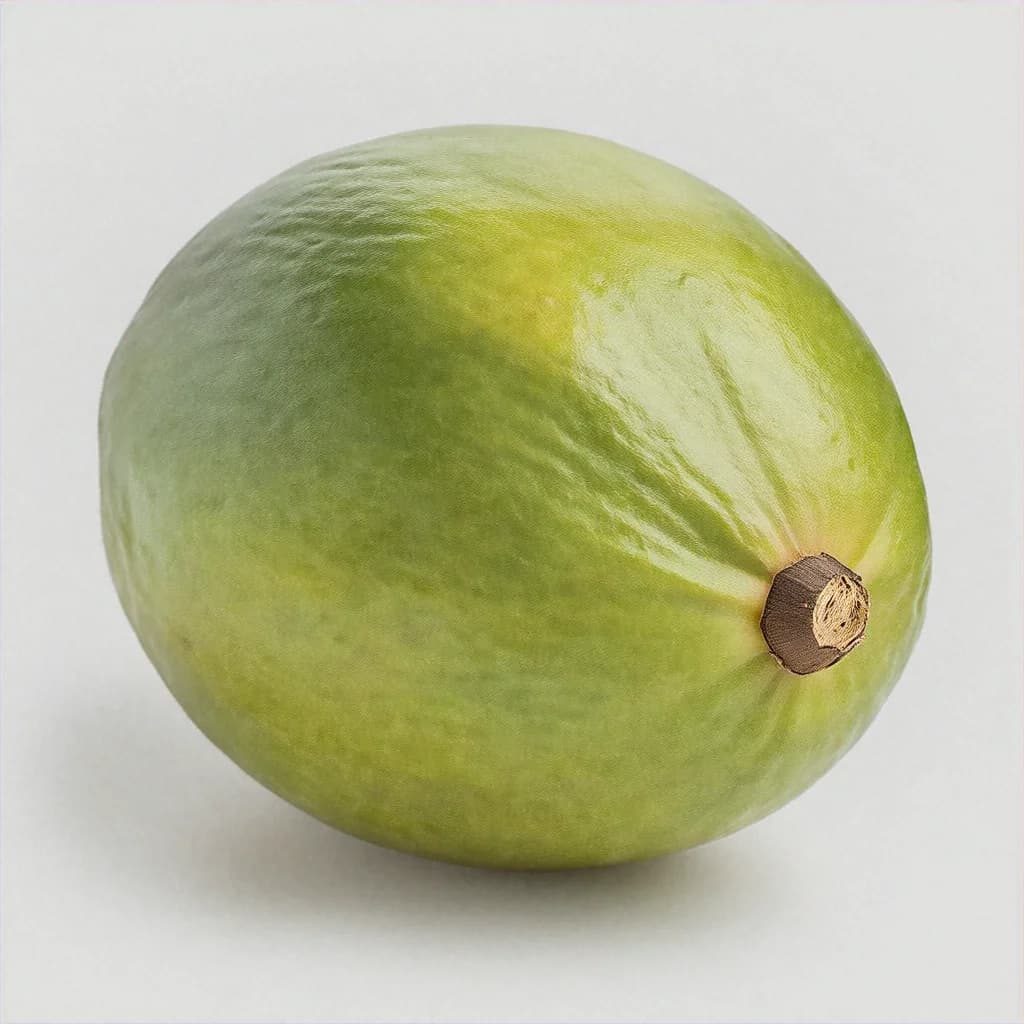
Cumaru
Dipteryx odorata
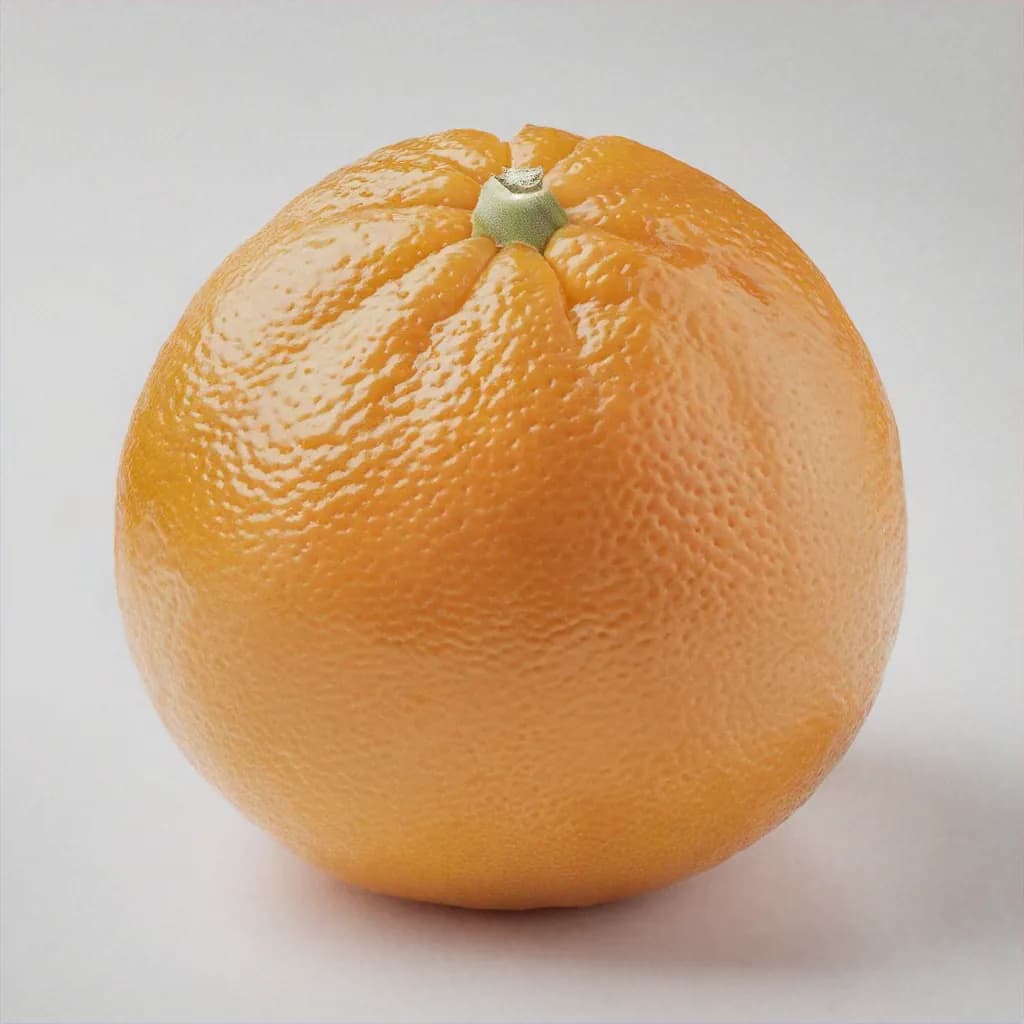
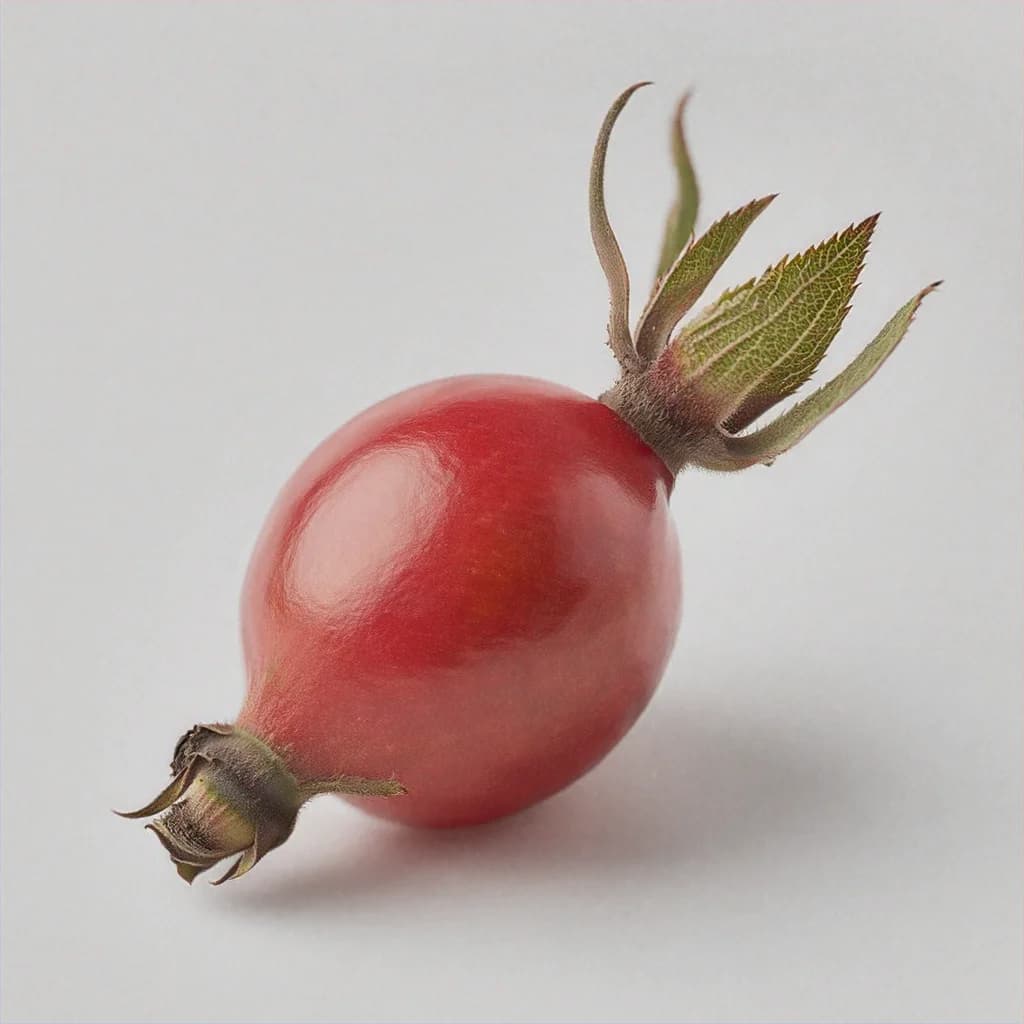
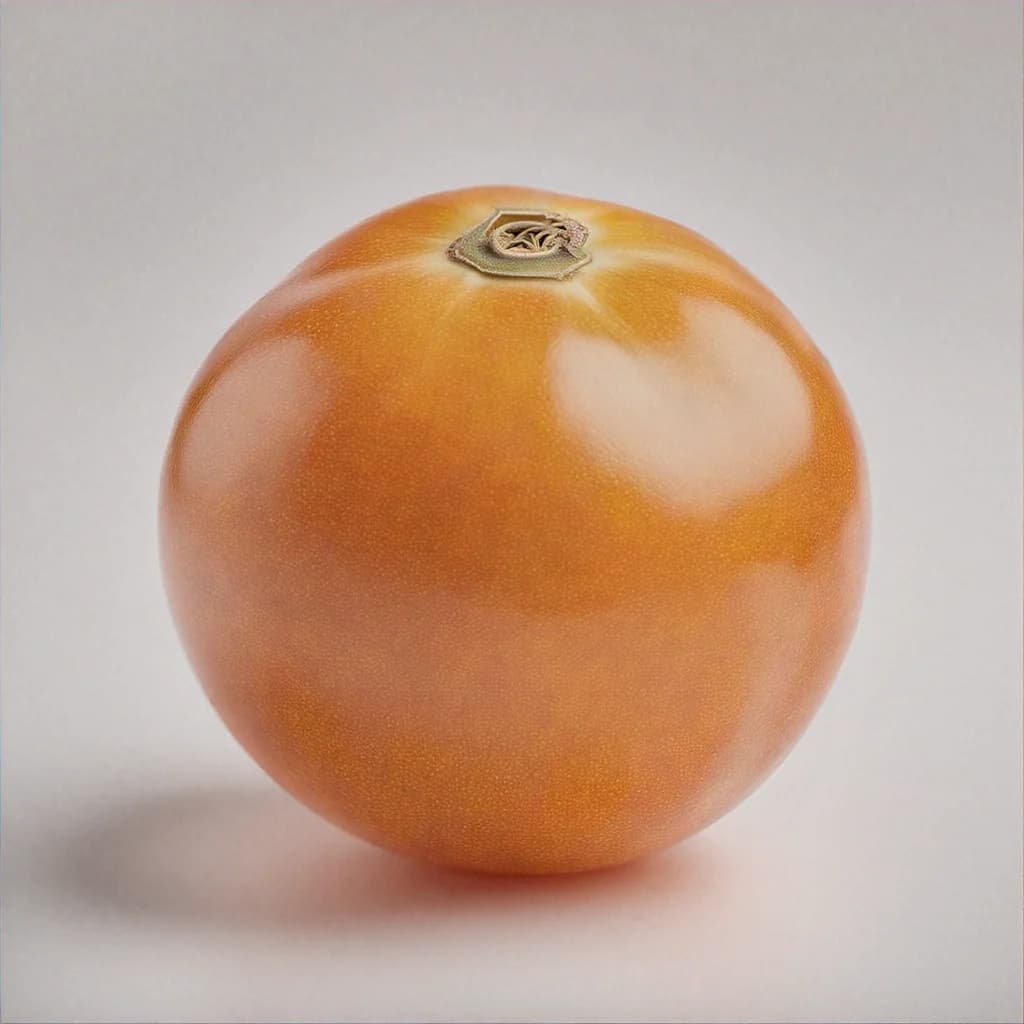
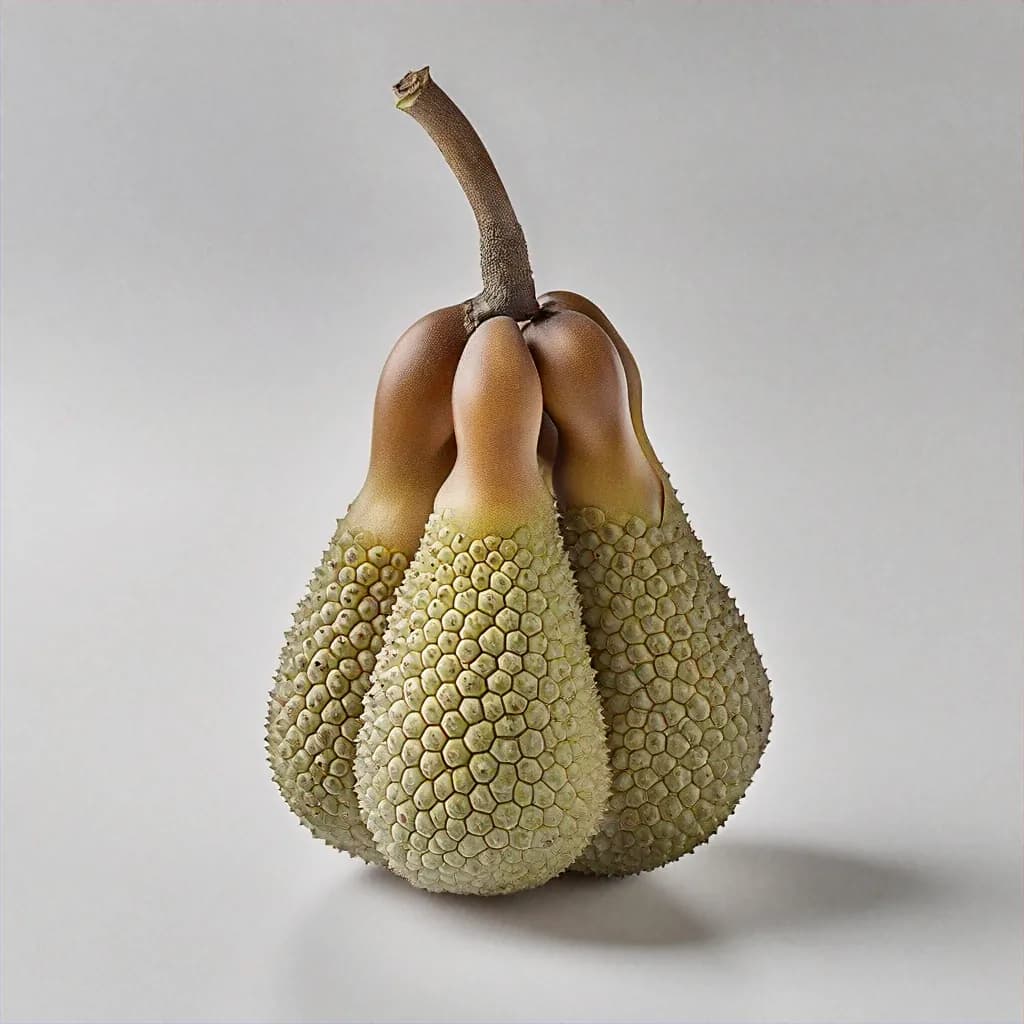
Cumaru (Dipteryx odorata), also known as the Brazilian teak, is a species of tropical hardwood tree native to South America. While primarily recognized for its prized timber, cumaru also yields a lesser-known fruit that is consumed in certain regions. The fruit is small, round, and encased in a hard, woody shell, which protects its nutritious, oily seed. The seed, often referred to as 'tonka beans,' is aromatic and has a flavor profile reminiscent of vanilla, almond, and cinnamon. Traditionally, cumaru seeds have been used as a spice, flavoring agent, and in folklore medicine. Their unique taste and aroma have made them a sought-after ingredient in gourmet cooking and artisanal products. However, due to their high coumarin content, consumption in large quantities is not recommended.
Cumaru Galería de fotos
Explora Cumaru con todo detalle
Cumaru - Vista principal
Cumaru Información nutricional
💊Vitaminas
Por 100 g
⚡Minerales
Por 100 g
Por porción
Desglose nutricional por porción
Beneficios para la salud de Cumaru
Cumaru Origen y distribución
South America
Cumaru has been used for centuries by indigenous communities in South America. The wood was prized for its durability, while the seeds were used as a spice and in traditional medicine. Today, cumaru is gaining attention in the culinary world for its unique flavor profile.
Cumaru Temporada alta
Year-round, but peak harvest is during the dry season.
Cumaru Variedades
Cada variedad ofrece sabores, texturas y usos culinarios únicos
Wild Cumaru
Cumaru Guía de selección y conservación
Mantén tu fruta fresca y deliciosa por más tiempo
Cómo elegir la fruta perfecta
Select seeds that are firm and free of mold.
Avoid seeds with cracks or holes.
Métodos de conservación
Store in an airtight container.
Keep away from direct sunlight and heat.
Guía de vida útil
Instrucciones de congelación
Conserva la frescura por meses
Freezing is not recommended, as it may affect the flavor and texture.
Consejo
Etiqueta los alimentos congelados con la fecha para controlar la frescura. La mayoría de las frutas mantienen su calidad durante 2-3 meses si se congelan correctamente. Para mejores resultados, usa recipientes herméticos o bolsas para congelador para evitar quemaduras por congelación.
Viaje culinario
Descubre posibilidades deliciosas
Usos comunes
Maridajes perfectos
Recetas populares
Bebidas refrescantes
Información de seguridad
Cumaru is not a common allergen, but individuals with tree nut allergies should exercise caution.
Cumaru is generally low in pesticide residues, but organic options are available.
- • Individuals with tree nut allergies
- • People with liver conditions (due to coumarin content)
- •Potential liver toxicity if consumed in large quantities due to coumarin.
- •Allergic reactions in sensitive individuals.
- • Wash seeds thoroughly before use.
- • Store in a cool, dry place to prevent mold growth.
Datos curiosos sobre Cumaru
¡Trivias sorprendentes que te encantarán!
Cumaru is often referred to as 'Brazilian teak' due to its prized timber.
The seeds, known as tonka beans, have been used as a natural vanilla substitute.
Preguntas frecuentes
What does cumaru taste like?
GeneralCumaru has a complex flavor profile with notes of vanilla, almond, and cinnamon.
How do I know if cumaru seeds are fresh?
BuyingFresh cumaru seeds should be firm, aromatic, and free of mold or cracks.
Can I store cumaru seeds in the freezer?
StorageFreezing is not recommended, as it may alter the flavor and texture of the seeds.
What are some common culinary uses for cumaru?
CulinaryCumaru is often used as a spice in desserts, baked goods, and beverages, or infused into oils for cooking.
Is cumaru high in calories?
NutritionYes, cumaru is calorie-dense due to its high fat content, with approximately 350 calories per 100 grams.
Are there any health risks associated with cumaru?
HealthCumaru contains coumarin, which can be toxic in large amounts. Moderate consumption is recommended.
Can cumaru be used as a substitute for vanilla?
MiscellaneousYes, cumaru can be used as a substitute for vanilla, though its flavor is more complex and may alter the taste of the dish slightly.