Loading Vegetable Details...
Please wait while we fetch nutritional information and health benefits
Please wait while we fetch nutritional information and health benefits
Allium cepa L.
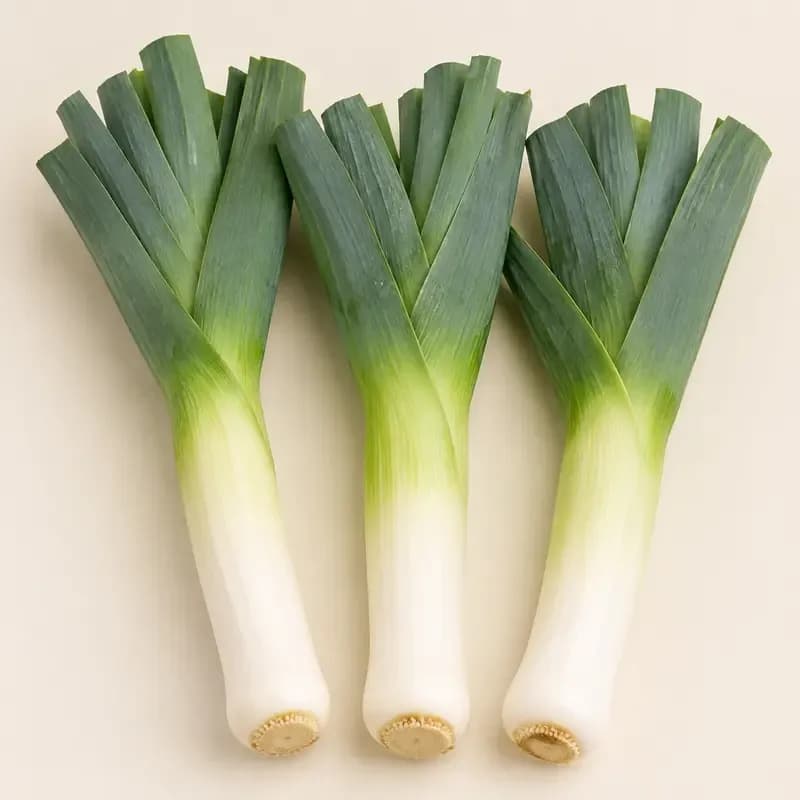
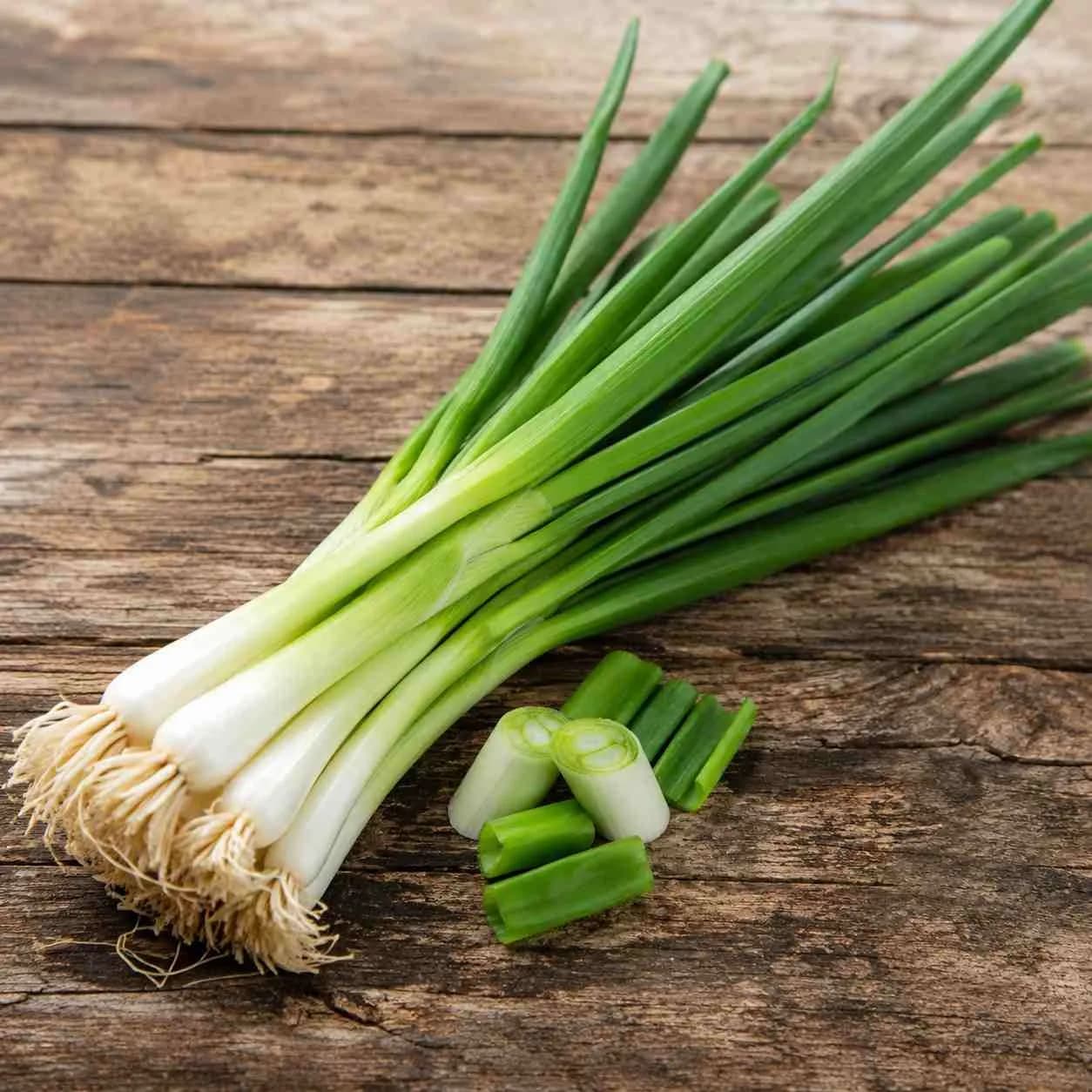
Spring onion is a young, immature form of onion, most commonly Allium cepa L., harvested before the bulb has fully enlarged and matured. The vegetable is recognizable by its slender white base, sometimes developing into a small rounded bulb, and its long, hollow or tubular green leaves. Depending on region and cultivar, the terms spring onion, green onion, and scallion may overlap, although true scallions may also belong to Allium fistulosum and generally form little or no bulb. Spring onions have a fresher, milder, greener flavor than mature storage onions. The white portion delivers a gentle onion pungency, while the green tops have a grassy, herb-like character similar to mild chives. Nearly the entire plant can be eaten, making spring onion both versatile and relatively low-waste. Raw spring onions add crunch and brightness to salads, sandwiches, salsas, noodles, and garnishes, while sautéing, grilling, roasting, steaming, and stir-frying develop sweeter and more savory flavors. Nutritionally, spring onions are low in calories and provide particularly notable amounts of vitamin K, vitamin C, folate, fiber, carotenoids, and several minerals. Their green tissues also contain chlorophyll, flavonoids such as quercetin and kaempferol, and sulfur-containing compounds characteristic of the Allium family. Spring onions are widely used in Asian, European, Middle Eastern, Latin American, and North American cooking.
Explore Spring Onion in stunning detail
Spring Onion - Main View
Per 100g
Per 100g
Nutrition breakdown for one serving
Cultivated bulb onions are believed to have originated or been domesticated in Central to Western Asia, although the precise wild ancestor and original domestication center remain uncertain.
Spring onions are not a separate ancient domesticated species but represent onions harvested at an immature stage, along with closely related bunching onions used in similar ways. Allium vegetables have been cultivated for thousands of years across Asia, the Middle East, and the Mediterranean. Harvesting young onions before full bulb development provided cooks with a tender vegetable whose leaves and white bases could both be eaten. Over time, specialized cultivars were developed for rapid growth, mild flavor, long white shanks, attractive green tops, and resistance to bolting and disease.
Spring onions can be grown for much of the year in suitable climates and under protected cultivation, but they are especially associated with cool spring and early-summer harvests.
Each variety offers unique flavors, textures, and culinary applications
Keep your fruit fresh and delicious for longer
Choose spring onions with crisp, upright, brightly colored green leaves and firm white bases.
Look for clean, fresh roots and avoid bunches with slimy stems, extensive yellowing, wilting, mold, or strong fermented odors.
If a small bulb is present, select one that is firm and smooth rather than soft or deeply bruised.
Choose thinner spring onions for delicate raw applications and slightly thicker ones for grilling or roasting.
Refrigerate spring onions soon after purchase because their tender green leaves deteriorate faster than mature storage onions.
Wrap the bunch loosely in a slightly damp paper towel and place it in a perforated or loosely closed bag in the refrigerator.
Alternatively, stand the root ends in a small amount of water and refrigerate, changing the water regularly and keeping the leaves reasonably dry.
Do not store wet spring onions in a tightly sealed bag because excess moisture encourages sliminess and microbial spoilage.
Keep chopped spring onions refrigerated in an airtight container and use them promptly for best quality.
Remove rubber bands or ties, separate the stalks, and rinse thoroughly under cool running water because soil can collect between the overlapping layers near the white base.
Trim away the root fibers while preserving as much of the firm white portion as possible.
Remove any wilted, yellow, slimy, or damaged outer leaves before slicing.
Slice the white and pale-green portions for cooking and reserve tender dark-green tops for garnishing or adding near the end of cooking.
For grilling, leave the spring onions whole or halve thick specimens lengthwise so they remain easy to handle.
Blanching is generally unnecessary, but a brief blanch can soften thick spring onions before grilling, freezing, or incorporating them into delicate dishes.
Preserve freshness for months
Wash and dry spring onions thoroughly before freezing because excess surface water promotes ice crystals.
Slice the white and green portions into the sizes most useful for cooking.
Freeze sliced pieces in a single layer before transferring them to a freezer-safe bag or container to reduce clumping.
Use frozen spring onion primarily in soups, sauces, eggs, stews, fried rice, and other cooked dishes because freezing softens its crisp texture.
The green and white portions can be frozen separately if they are normally added at different stages of cooking.
Label frozen items with the date to track freshness. Most fruits maintain quality for 2-3 months when properly frozen. For best results, use airtight containers or freezer bags to prevent freezer burn.
Discover delicious possibilities
True allergy to onion or other Allium vegetables is uncommon but possible. Sensitive individuals may develop oral symptoms, skin reactions, gastrointestinal symptoms, respiratory reactions, or, rarely, more severe allergic responses. Non-allergic intolerance to onion fructans is more common than true allergy.
Spring onions can retain soil and agricultural residues on both white bases and leafy tops, so washing under clean running water is advisable before preparation. Remove damaged or heavily soiled outer layers when necessary. Washing reduces dirt and some surface residues but cannot eliminate every pesticide compound, particularly systemic residues. Purchasing from reputable producers and regulated supply chains remains important.
Surprising trivia you'll love!
Nearly the entire spring onion, from the white base to the dark-green leaves, is edible.
Spring onions are generally harvested before the onion bulb reaches full maturity.
The name 'spring onion' reflects their traditional association with young onions harvested in spring rather than a single distinct botanical species.
Many foods sold as scallions or green onions are used interchangeably with spring onions, although their species and degree of bulb formation can differ.
The green tops contain substantially more chlorophyll and carotenoid pigments than the white lower portion.
Spring onions can often regrow new green leaves from the rooted white base when placed in suitable growing conditions.
Cutting spring onion activates sulfur chemistry similar to mature onions, but its younger tissues usually produce a milder sensory effect.
The terms vary by country and market, which is why they are often confusing. A spring onion is generally a young Allium cepa harvested before its bulb fully matures, and it may have a small rounded bulb at the base. Scallion and green onion often refer to even younger onions with straight white bases and little or no bulb, and some are cultivars of the bunching onion Allium fistulosum rather than Allium cepa. Culinary uses overlap substantially because all provide mild onion flavor and edible green leaves. In everyday recipes, they can often substitute for one another, although bulb size, pungency, and texture may differ.
Yes. The green tops are completely edible when fresh and are among the most nutritionally valuable parts of spring onion. They contain substantial vitamin K as well as carotenoids, vitamin C, chlorophyll, and flavonoids. Their flavor is usually milder and more herbaceous than the white base. Thinly sliced tops work particularly well as a raw garnish for soups, noodles, eggs, rice, curries, tacos, and salads. They can also be stirred into hot food just before serving. Remove only sections that are wilted, yellow, slimy, damaged, or otherwise spoiled rather than automatically discarding all of the greens.
Spring onions are harvested while their tissues are still young, tender, and relatively high in water, before a large storage bulb has fully developed. Their flavor still comes from the characteristic sulfur chemistry of Allium vegetables. When cells are cut or crushed, enzymes act on sulfur-containing precursor molecules and generate volatile compounds responsible for onion aroma and pungency. The concentration and balance of these compounds vary with cultivar, plant age, soil sulfur, environmental conditions, and storage. Young onions generally provide a fresher, greener flavor with less concentrated pungency than mature storage onions, although individual batches can still taste surprisingly strong.
Yes. Raw spring onions are nutrient-dense relative to their low calorie content. A 100 g portion supplies about 32 calories while providing approximately 173% of the Daily Value for vitamin K, 21% for vitamin C, 16% for folate, 9% for dietary fiber, 9% for copper, 8% for iron, and smaller amounts of potassium, calcium, magnesium, manganese, carotenoids, and several B vitamins. They also contain flavonoids and sulfur-containing phytochemicals typical of Allium vegetables. No single vegetable provides everything the body needs, so spring onions are most beneficial as part of a varied diet containing many different vegetables, fruits, legumes, whole grains, nuts, seeds, and appropriate protein sources.
Both preparations have advantages. Eating spring onion raw preserves its crisp texture and avoids heat-related losses of vitamin C and some other heat-sensitive compounds. Cooking can make the vegetable sweeter and easier to digest for some people, and it may change the availability of certain phytochemicals. Water-based cooking can cause some water-soluble nutrients to move into the cooking liquid, while prolonged high heat may degrade vitamin C and pigments. Light sautéing, steaming, grilling, or adding the green tops near the end of cooking can preserve much of their character. A mixture of raw and cooked vegetable foods is generally more useful than focusing on one supposedly perfect preparation method.
Spring onions contain dietary fiber and fructans, a type of fermentable carbohydrate naturally present in Allium vegetables. Fiber helps support normal bowel movements and provides material that intestinal microorganisms can ferment. Certain fructans can function as prebiotic substrates for beneficial gut bacteria, potentially contributing to production of short-chain fatty acids. However, the same fructans are classified as FODMAP carbohydrates and may trigger bloating, gas, abdominal pain, or altered bowel habits in people with irritable bowel syndrome or fructan sensitivity. Whether spring onions improve or aggravate digestion therefore depends strongly on the individual, the portion eaten, and the rest of the meal.
Remove any packaging or rubber bands, separate the stalks, and rinse each spring onion thoroughly under cool running water. Pay particular attention to the junction between the white base and green leaves because soil and grit can become trapped between overlapping layers. Trim the root fibers and remove damaged or slimy outer leaves. Both the white base and healthy green tops can be eaten. For most recipes, slice the white portion somewhat thicker if it will be cooked and cut the tender greens more finely for garnishing. Use a clean knife and cutting board, and refrigerate any chopped leftovers promptly in a sealed container.
Spring onions can contribute nutrients involved in bone metabolism, particularly vitamin K. A 100 g portion of raw spring onion provides approximately 173% of the Daily Value for vitamin K. This vitamin is required for the activation of proteins such as osteocalcin that participate in normal bone mineralization. Spring onions also supply around 6% DV for calcium, 5% DV for magnesium, 7% DV for manganese, and 3% DV for phosphorus, all of which play structural or metabolic roles in bones. However, bone health depends on overall dietary intake, physical activity, hormonal status, vitamin D, protein, and many other factors, so spring onion should be considered a supporting food rather than a treatment.
Sustainability insights
Spring onions can be a relatively efficient vegetable crop because they mature quickly and almost the entire harvested plant is edible. Their short shelf life, however, means losses during transport, retail display, and household storage can increase their environmental impact. Efficient irrigation, responsible fertilizer use, integrated pest management, optimized cold chains, minimal packaging, and reducing food waste all improve sustainability. Consumers can reduce waste by using both the white and green portions and storing bunches correctly.
There is no single reliable carbon-footprint figure applicable to all spring onions because emissions vary by production system, fertilizer use, irrigation energy, protected cultivation, refrigeration, packaging, transport, yield, and food waste. As a fresh plant vegetable, spring onion is generally expected to have a substantially lower greenhouse-gas footprint than most animal-derived foods, but air-freighted or energy-intensive greenhouse production can increase emissions.
Spring onions have relatively shallow roots and require consistent soil moisture for rapid growth and tender stems. Actual water use varies considerably with climate, soil, rainfall, yield, and irrigation system. Drip irrigation, moisture monitoring, mulching, appropriate planting density, and careful irrigation timing can reduce unnecessary water consumption and nutrient leaching.
Locally grown spring onions can offer fresher quality, lower storage losses, and shorter transportation distances because the vegetable is highly perishable. However, local production is not automatically more sustainable; heated greenhouses, inefficient irrigation, low yields, or high fertilizer use can outweigh transport savings. Seasonal field-grown onions produced efficiently and transported by road or sea may have a lower total impact than out-of-season local crops grown with substantial energy inputs.
We aim to keep this Spring Onion profile accurate and easy to understand. Nutrition values and % Daily Value figures are based on established reference databases and standard daily value guidance.
Last updated: September 3, 2026
Medical disclaimer
This page is for general educational purposes and does not replace professional medical advice.
Found an issue? Contact us.