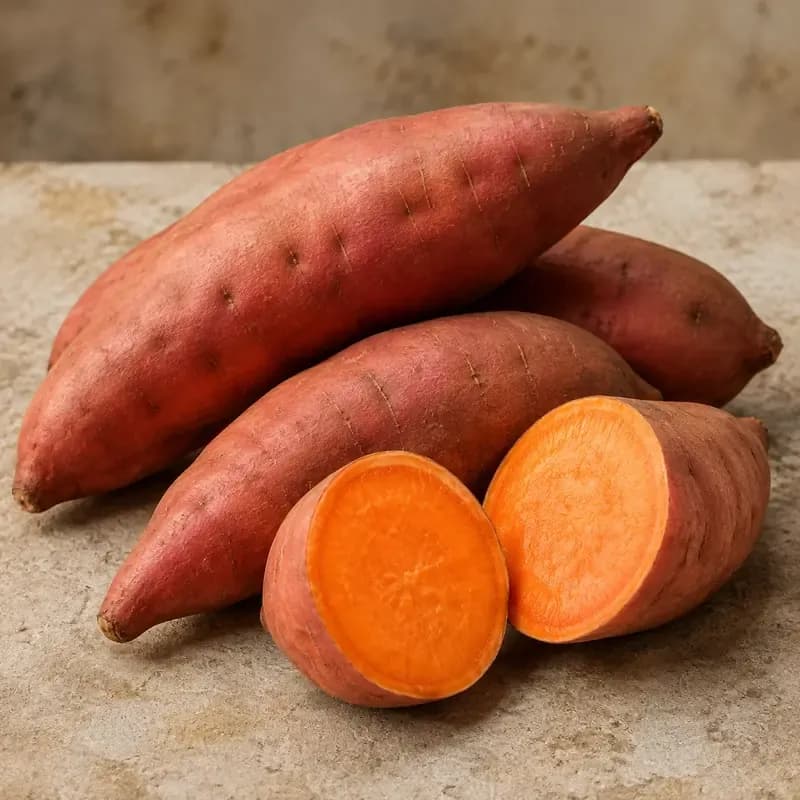
Sweet Potato
Ipomoea batatas
The sweet potato, scientifically known as Ipomoea batatas, is a warm-season root vegetable belonging to the morning glory family, Convolvulaceae. Despite its name, it is not closely related to the common potato and is botanically a swollen storage root rather than a stem tuber. Sweet potatoes vary dramatically in appearance and texture: their skins may be cream, copper, red, purple, or brown, while the flesh ranges from white and yellow to vivid orange or deep violet. Orange-fleshed varieties are usually moist and sweet, white and Japanese types tend to be drier and chestnut-like, and purple cultivars offer an earthy flavor with striking anthocyanin pigmentation. The roots can be baked, roasted, steamed, boiled, mashed, fried, pureed, or incorporated into curries, desserts, breads, soups, and savory fillings. Young leaves and tender shoots are also edible and are cooked as leafy greens in parts of Asia, Africa, and the Pacific. Raw sweet potato provides carbohydrates, fiber, potassium, copper, manganese, vitamin B6, pantothenic acid, and substantial provitamin A in orange-fleshed types. Domesticated in the tropical Americas thousands of years ago, this adaptable crop later spread throughout the Pacific, Europe, Africa, and Asia.
Sweet Potato Galeria de fotos
Explore Sweet Potato em detalhes
Sweet Potato - Vista principal
Sweet Potato Informações nutricionais
💊Vitaminas
Por 100 g
⚡Minerais
Por 100 g
Por porção
Detalhamento nutricional por porção
Benefícios para a saúde de Sweet Potato
Sweet Potato Origem e distribuição
The tropical Americas, with domestication associated with regions of Central America and northern South America
Sweet potato was domesticated in the tropical Americas thousands of years ago. Archaeological, linguistic, and genetic evidence indicates a long and complex history of cultivation and movement, including its presence in parts of Polynesia before sustained European contact. Spanish and Portuguese maritime trade later spread the crop extensively through Europe, Africa, and Asia. It became especially important in China, Japan, Pacific islands, and several African countries because it can produce substantial food energy under varied growing conditions. Modern breeding has expanded the range of root colors, textures, disease resistance, storage qualities, and beta-carotene content. Orange-fleshed sweet potatoes have also been promoted in regions where vitamin A deficiency is a public-health concern.
Sweet Potato Melhor época
Sweet potatoes are warm-season crops harvested after several months of growth. They are available year-round in many markets because properly cured roots store well and tropical regions can support staggered planting.
Sweet Potato Variedades
Cada variedade oferece sabores, texturas e usos culinários únicos
Beauregard
Covington
Jewel
Japanese Satsumaimo
Okinawan Purple
Stokes Purple
Hannah
Sweet Potato Guia de armazenamento e seleção
Mantenha a fruta fresca por mais tempo
Como escolher a fruta perfeita
Choose sweet potatoes that feel firm and heavy for their size, with dry, intact skin and no soft or sunken areas.
Avoid roots with mold, wet decay, leaking fluid, extensive shriveling, deep cuts, or sour and fermented odors.
Select similarly sized roots when cooking them whole so they become tender at approximately the same time.
Choose orange-fleshed varieties for moist mash and beta-carotene, dry white or Japanese types for fluffy roasting, and purple varieties for dense texture and anthocyanin-rich color.
Métodos de armazenamento
Store uncooked sweet potatoes in a cool, dark, dry, well-ventilated place inside a basket, paper bag, or perforated container.
Avoid storing raw sweet potatoes in sealed plastic bags because trapped moisture encourages decay.
Do not wash roots before storage; moisture can shorten shelf life. Wash them immediately before preparation.
Keep sweet potatoes away from strong heat, sunlight, and freezing conditions.
Inspect stored roots regularly and remove any that develop mold, leaking decay, or strongly off odors.
Guia de validade
Preparation Tips
Rinse sweet potatoes under cool running water and scrub the skin with a clean vegetable brush; do not use soap or household detergent.
Trim the ends and remove bruised or damaged areas. Discard roots that are moldy, leaking, rotten, or strongly sour-smelling.
Peeling is optional because sound sweet potato skin is edible, but peeling may produce a smoother mash or puree.
Cut pieces to a uniform size so they cook evenly and finish at approximately the same time.
Place peeled or cut pieces in cool water briefly if necessary to slow discoloration, then drain and dry them before roasting or frying.
When preparing leaves and shoots, select young tender growth, wash it thoroughly, remove tough stems, and cook it as a leafy vegetable.
Instruções para congelar
Preserve a frescura por meses
Do not freeze whole raw sweet potatoes because their texture can become watery, tough, or uneven after thawing.
Cook sweet potatoes until almost tender by baking, boiling, steaming, or pressure-cooking before freezing.
Cool cooked roots, peel if desired, and freeze them as slices, halves, cubes, or mash in airtight containers.
To limit darkening, briefly dip slices in a mixture of 1/2 cup lemon juice per quart of water before packing.
For mashed sweet potato, mix approximately 2 tablespoons of lemon or orange juice into each quart of mash if color preservation is desired.
Label packages with the date and minimize trapped air to reduce freezer burn.
Dica
Identifique itens congelados com a data para acompanhar a frescura. A maioria das frutas mantém a qualidade por 2-3 meses quando congelada corretamente. Para melhores resultados, use recipientes herméticos ou sacos próprios para congelador para evitar queimadura de freezer.
Jornada culinária
Descubra possibilidades deliciosas
Usos comuns
Combinações perfeitas
Receitas populares
Cooking Methods
Informações de segurança
Sweet potato allergy is uncommon but possible. Reactions may include oral itching, hives, swelling, gastrointestinal symptoms, respiratory symptoms, or, rarely, anaphylaxis. Anyone experiencing breathing difficulty, faintness, or rapidly progressing swelling should seek emergency medical care. People with a confirmed allergy should obtain guidance from a qualified allergy specialist because tolerance may differ among raw, cooked, and processed forms.
Agricultural practices and measured residues vary by country, farm, and season. Wash sweet potatoes thoroughly under running water and scrub away adhering soil before cutting or cooking. Peeling may reduce some surface residues but does not replace appropriate production controls and removes edible tissue. Do not use soap, bleach, or household detergent on produce. Sweet potato leaves should be eaten only when the crop was grown and treated as edible foliage.
- • People with a diagnosed sweet potato allergy should avoid the forms identified by their allergy specialist.
- • People with kidney disease or another condition requiring potassium restriction should discuss suitable portions with their clinician or renal dietitian.
- • Individuals managing diabetes should account for sweet potato carbohydrate and portion size rather than treating it as a non-starchy vegetable.
- • People following a medically prescribed low-oxalate diet should ask their clinician or dietitian how sweet potato fits into their individualized plan.
- • Anyone should avoid sweet potatoes that are moldy, leaking, rotten, fermented-smelling, or severely deteriorated.
- •Large portions may produce a substantial post-meal glucose rise, particularly when sweet potato is highly processed or eaten without protein, fat, or additional fiber.
- •A sudden increase in sweet potato and other fiber-rich foods may cause temporary gas, bloating, or changes in bowel habits.
- •Very high, sustained intake of orange carotenoid-rich foods can cause carotenemia, a usually harmless yellow-orange discoloration of the skin.
- •Deep-fried, heavily salted, or sugar-rich sweet potato dishes can contribute considerably more calories, sodium, fat, or added sugar than plain roots.
- •Allergic reactions can range from localized itching to systemic symptoms requiring urgent medical attention.
- • Wash and scrub sweet potatoes before cutting so soil is not transferred to the flesh.
- • Discard roots that are moldy, leaking, rotten, unusually fermented-smelling, or extensively damaged.
- • Cook sweet potatoes until tender for better texture and digestibility, particularly when serving children or people with chewing difficulties.
- • Dry cut pieces thoroughly before placing them in hot oil to reduce dangerous splattering.
- • Refrigerate cooked sweet potato within two hours, or within one hour in very hot conditions, and use it within 3 to 4 days.
- • Use clean knives, boards, and work surfaces, and keep soil-covered roots separate from ready-to-eat foods until washed.
Curiosidades sobre Sweet Potato
Fatos surpreendentes que você vai amar!
Sweet potato belongs to the morning glory family, Convolvulaceae, rather than the potato family, Solanaceae.
The edible sweet potato is a storage root, while the common potato is a modified underground stem.
Orange sweet potatoes obtain much of their color from beta-carotene.
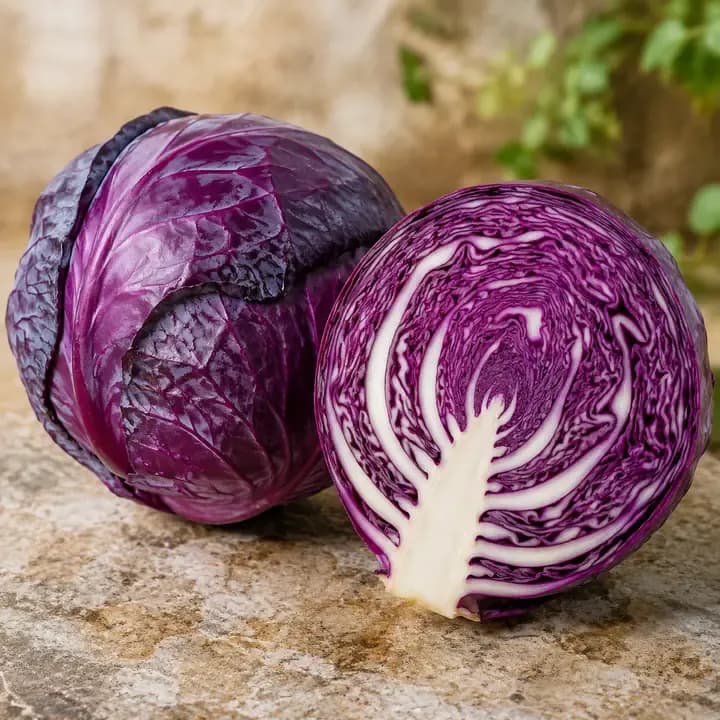
Purple sweet potatoes contain anthocyanin pigments that also occur in foods such as purple cabbage and berries.
Young sweet potato leaves and shoots are eaten as vegetables in numerous African, Asian, and Pacific cuisines.
Sweet potatoes can be propagated from vine cuttings or sprouts commonly called slips.
The word kumara, used for sweet potato in parts of Polynesia and New Zealand, resembles Indigenous South American terms and has contributed to research on pre-European crop movement.
Some markets label orange sweet potatoes as yams, even though true yams belong to a different botanical genus.
Perguntas frequentes
Is a sweet potato botanically a root or a tuber?
ScienceA sweet potato is botanically a storage root, not a stem tuber. Its swollen edible structure develops from root tissue that stores carbohydrates and nutrients for the plant. A common potato is different: it is an underground stem tuber with buds called eyes. Sweet potatoes do not have comparable stem nodes or eyes, although they can produce shoots from adventitious buds. This botanical distinction is why the sweet potato belongs in the root category even though people sometimes informally call both crops tubers. The two plants also belong to entirely different botanical families.
Are sweet potatoes and yams the same vegetable?
GeneralSweet potatoes and true yams are different plants. Sweet potato is Ipomoea batatas in the morning glory family, while true yams belong to the genus Dioscorea. Sweet potatoes generally have tapered storage roots and may contain orange, white, yellow, or purple flesh. True yams often have rough, bark-like skin, starchy flesh, and can grow much larger. In the United States, orange sweet potatoes are frequently labeled as yams for historical marketing reasons, but they remain sweet potatoes botanically. Recipe substitutions may work in some dishes, although texture, sweetness, and cooking time can differ.
Is sweet potato skin edible, and should it be peeled?
PreparationThe skin of a sound sweet potato is edible after thorough washing and scrubbing. Leaving it on can preserve additional fiber, reduce food waste, and help the root hold its shape during baking or roasting. Peeling is useful for exceptionally smooth mash, delicate desserts, infant purees, or roots with thick, rough, or damaged skin. Cut away localized bruises, but discard a root that is moldy, leaking, rotten, or strongly sour-smelling. Wash before peeling so soil is not transferred from the surface to the freshly exposed flesh by the knife or peeler.
What cooking method preserves sweet potato nutrients best?
PreparationNo cooking method preserves every nutrient equally. Steaming and microwaving use little water and relatively short cooking times, which can limit the loss of water-soluble vitamins. Boiling may transfer vitamin C and B vitamins into the cooking liquid, although using that liquid in soup or sauce recovers some nutrients. Cooking softens cell walls and can improve the digestive accessibility of beta-carotene, particularly when orange sweet potato is eaten with a modest amount of fat. Roasting intensifies sweetness through moisture loss and browning but may expose the root to higher temperatures for longer periods.
Can people with diabetes eat sweet potatoes?
HealthSweet potatoes can fit into many diabetes eating plans, but they remain a starchy carbohydrate rather than a non-starchy vegetable. Raw sweet potato contains about 20.12 g of carbohydrate and 3 g of fiber per 100 g. Blood-glucose response varies with cultivar, portion, cooking method, texture, cooling, and the other foods in the meal, so there is no single glycemic-index value that accurately represents every preparation. Choosing an appropriate portion and pairing sweet potato with protein, healthy fat, legumes, and non-starchy vegetables can produce a more balanced meal. Individual treatment goals should guide advice from a clinician or dietitian.
Are orange, purple, and white sweet potatoes nutritionally different?
ScienceYes. Orange-fleshed sweet potatoes are especially rich in beta-carotene and other provitamin A carotenoids. Purple varieties contain anthocyanins that produce their deep violet color, while white and cream cultivars generally contain much less beta-carotene but still provide carbohydrate, fiber, potassium, copper, manganese, and other nutrients. Texture also differs: orange varieties are often moist, while white and Japanese types may be drier and starchier. Exact composition varies by cultivar, soil, maturity, storage, and cooking. Eating different colors provides broader culinary variety and a wider mixture of phytonutrients.
Should raw sweet potatoes be stored in the refrigerator?
GeneralRaw sweet potatoes are generally better stored in a cool, dark, dry, well-ventilated place rather than a household refrigerator. Prolonged exposure to refrigerator temperatures can cause chilling injury, producing a hard center, poor flavor, discoloration, or uneven cooking. Keep the roots in a basket, paper bag, or perforated container and avoid sealed plastic that traps moisture. Do not wash them before storage. Cooked sweet potatoes are different: they should be refrigerated within two hours in a shallow airtight container and used within three to four days, or frozen for longer storage.
Does cooling cooked sweet potato increase resistant starch?
ScienceCooling cooked sweet potato can increase some resistant starch through retrogradation. During cooling, portions of gelatinized starch realign into structures that digestive enzymes break down less readily. Some of this starch reaches the large intestine, where microbes can ferment it and produce short-chain fatty acids. The amount depends on cultivar, cooking method, cooling temperature, storage time, and reheating. Cooling does not convert all carbohydrate into resistant starch or make the food carbohydrate-free. Cooked sweet potato should be cooled promptly, refrigerated safely, and consumed within the recommended storage period.
Can sweet potato leaves be eaten?
GeneralYoung sweet potato leaves and tender shoots are edible and are commonly cooked in parts of Africa, Asia, and the Pacific. They can be steamed, boiled, blanched, or stir-fried like other leafy greens. Select fresh, correctly identified leaves from plants that have not been treated with pesticides unsuitable for edible foliage. Wash them carefully, remove tough stems, and cook until tender. The leaves have a different nutritional profile from the storage root, so the per-100-gram nutrition values in this record apply only to raw sweet potato root and should not be used for the greens.