Takamaka
Calophyllum tacamahaca
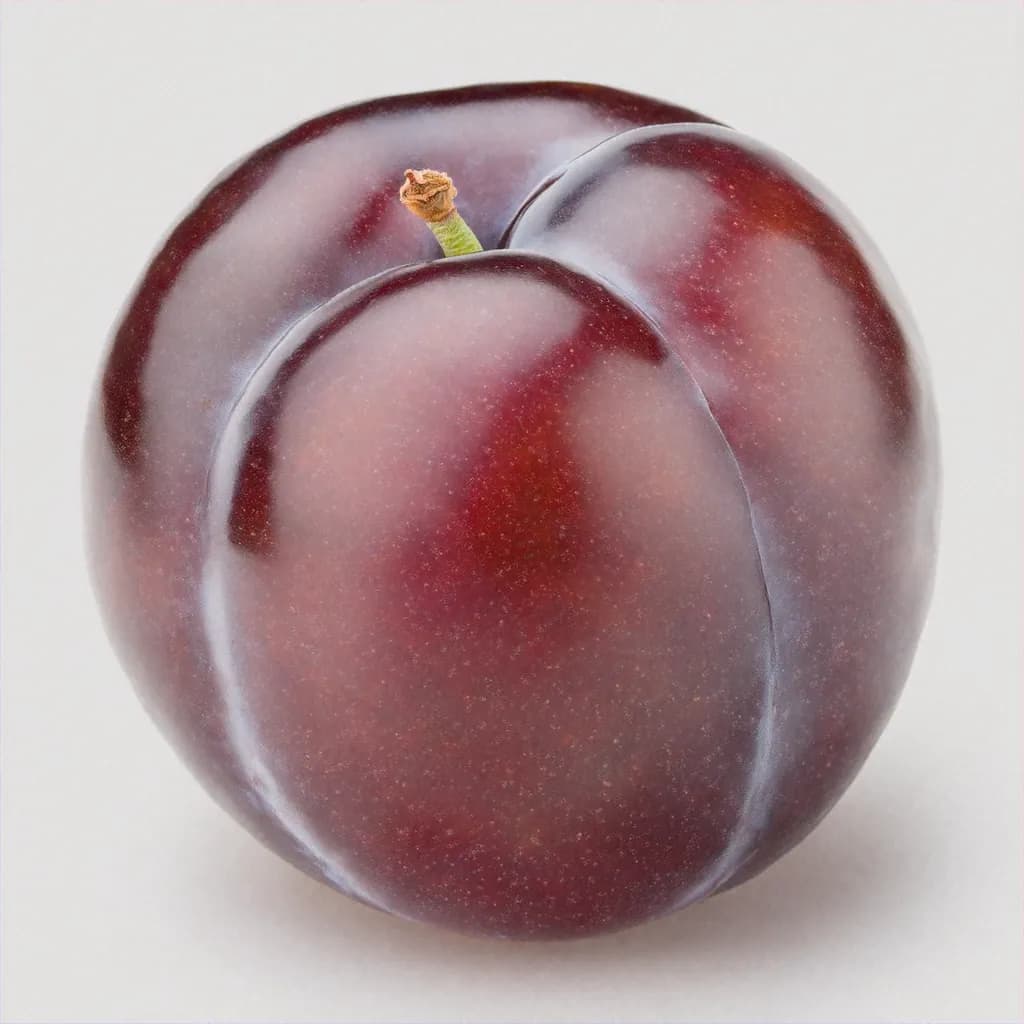
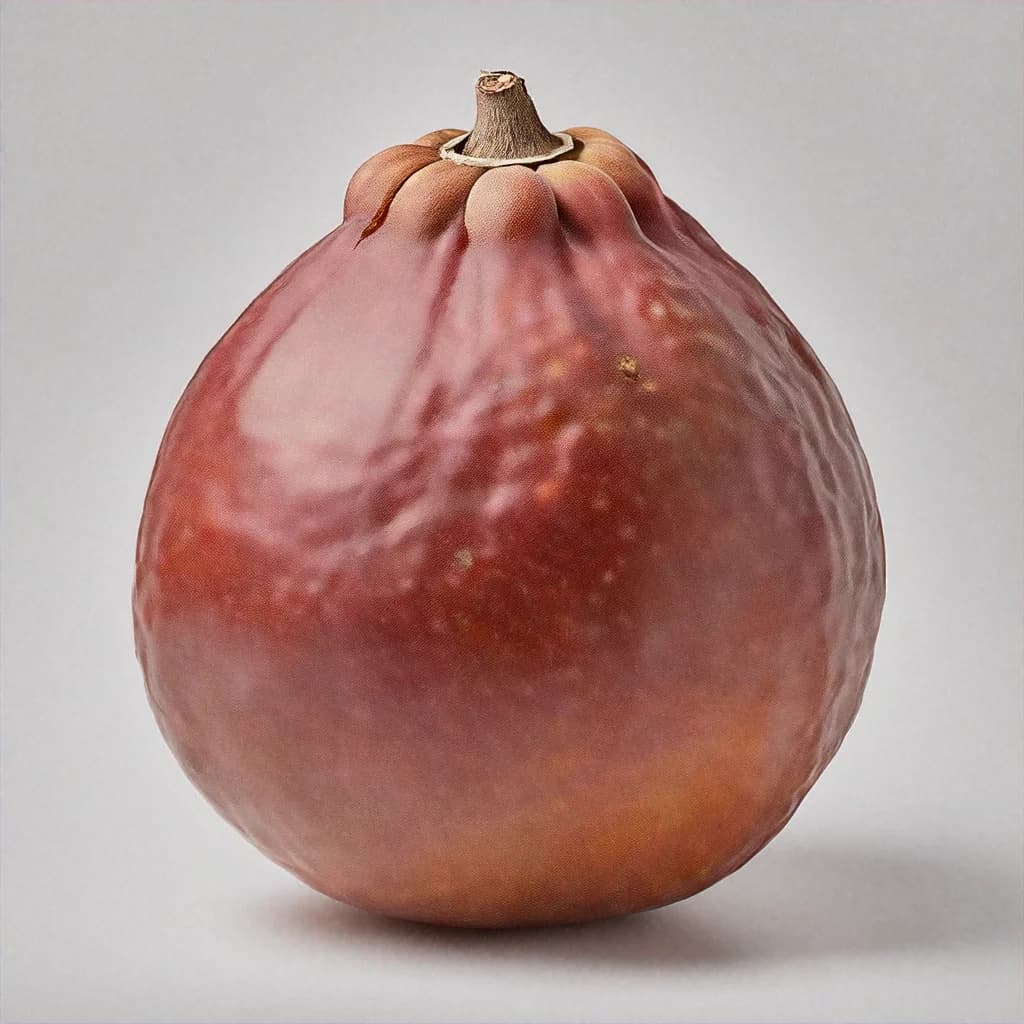
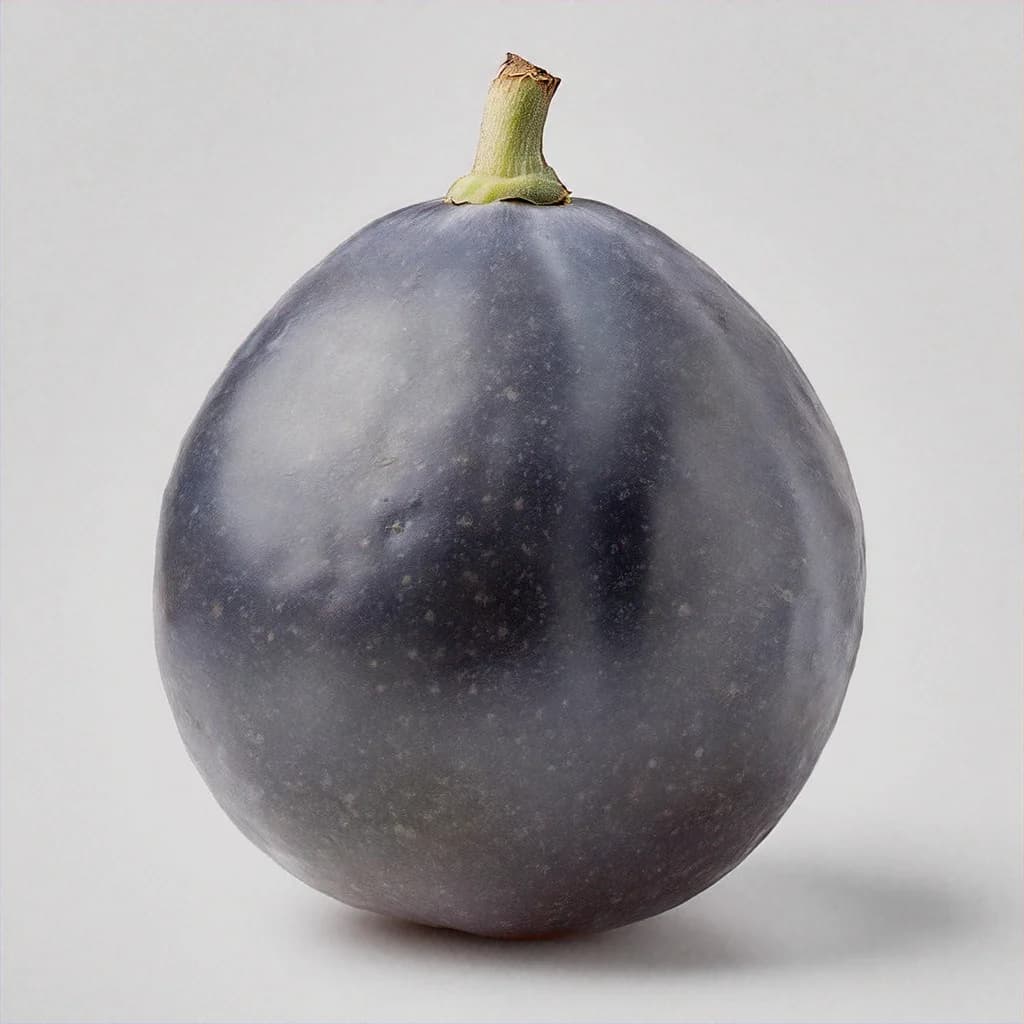
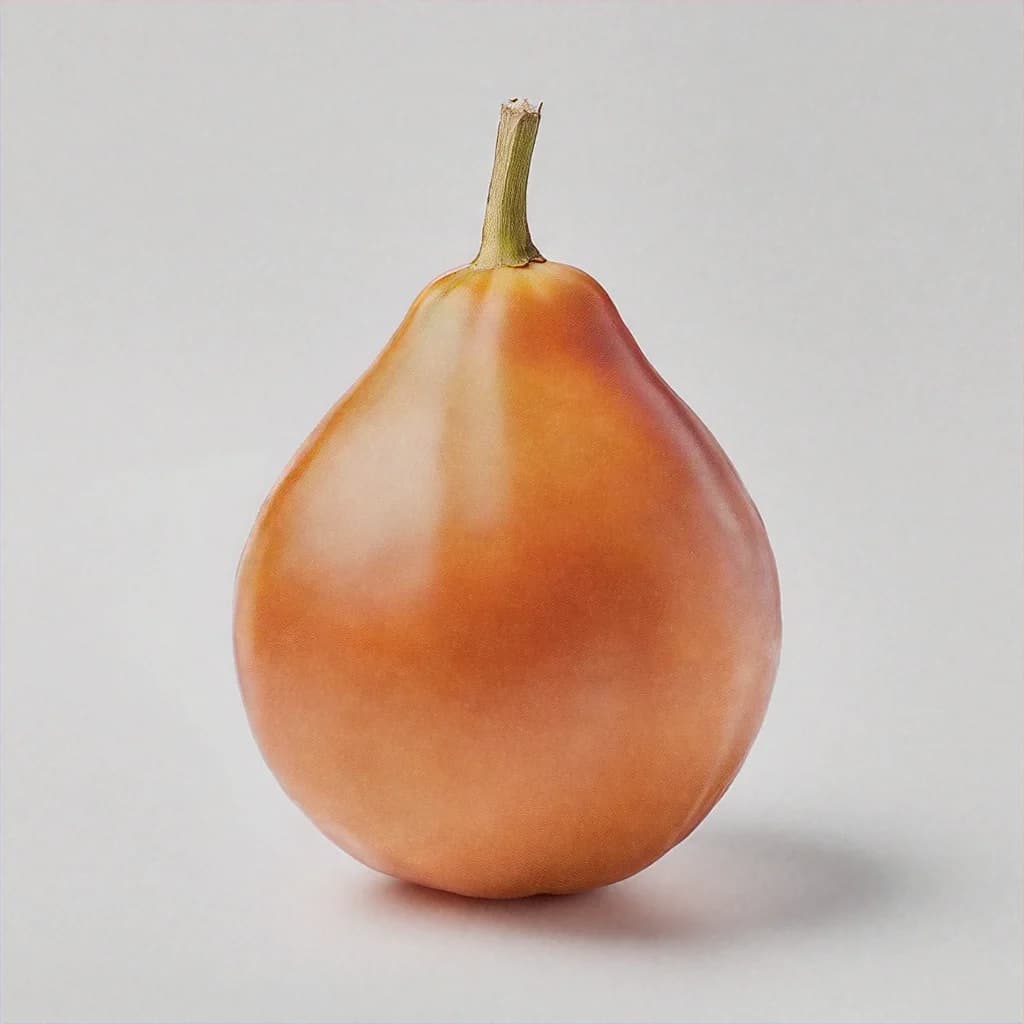
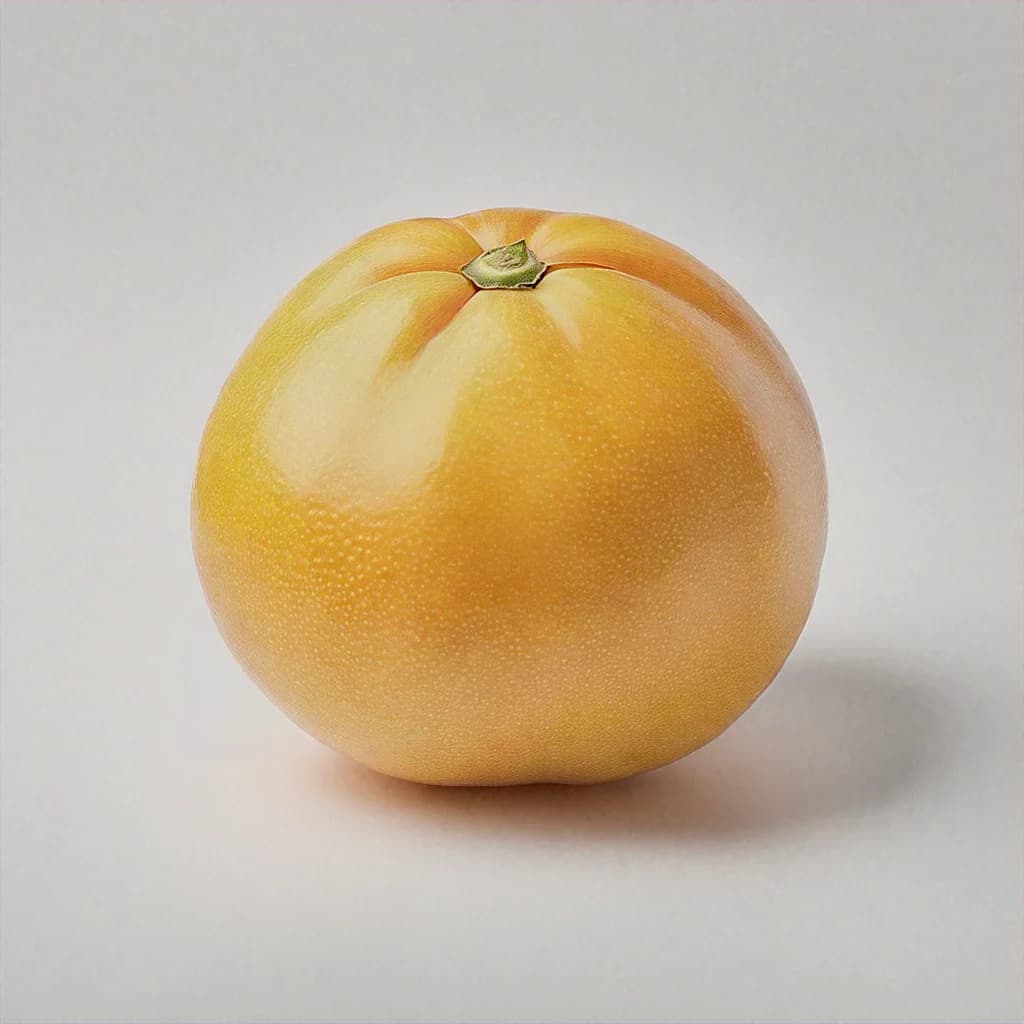
Takamaka, scientifically known as Calophyllum tacamahaca, is a tropical fruit native to the coastal regions of Southeast Asia and the Pacific Islands. It is a medium-sized, round fruit with a tough, leathery skin that ranges in color from green to yellow-orange when ripe. The flesh is juicy, slightly acidic, and has a unique balance of sweet and tart flavors, often compared to a blend of pineapple and mango. Takamaka is not only valued for its culinary versatility but also for its rich nutritional profile, which includes antioxidants, vitamins, and minerals. Its seeds, bark, and leaves have been traditionally used in herbal medicine for their medicinal properties.
Takamaka Galeria de fotos
Explore Takamaka em detalhes
Takamaka - Vista principal
Takamaka Informações nutricionais
💊Vitaminas
Por 100 g
⚡Minerais
Por 100 g
Por porção
Detalhamento nutricional por porção
Benefícios para a saúde de Takamaka
Takamaka Origem e distribuição
Southeast Asia and Pacific Islands
Takamaka has been cultivated for centuries in its native regions for its culinary and medicinal properties. It was traditionally used by indigenous communities for treating various ailments, including skin conditions and digestive issues.
Takamaka Melhor época
Year-round in tropical regions
Takamaka Variedades
Cada variedade oferece sabores, texturas e usos culinários únicos
Common Takamaka
Takamaka Guia de armazenamento e seleção
Mantenha a fruta fresca por mais tempo
Como escolher a fruta perfeita
Select fruits with a yellow-orange hue for ripeness.
Avoid fruits with blemishes or soft spots.
Métodos de armazenamento
Store at room temperature until ripe.
Refrigerate ripe fruits to extend shelf life.
Guia de validade
Instruções para congelar
Preserve a frescura por meses
Freeze pulp or juice in airtight containers for up to 3 months.
Dica
Identifique itens congelados com a data para acompanhar a frescura. A maioria das frutas mantém a qualidade por 2-3 meses quando congelada corretamente. Para melhores resultados, use recipientes herméticos ou sacos próprios para congelador para evitar queimadura de freezer.
Jornada culinária
Descubra possibilidades deliciosas
Usos comuns
Combinações perfeitas
Receitas populares
Bebidas refrescantes
Informações de segurança
No known allergies, but individuals with fruit allergies should exercise caution.
Takamaka is generally low in pesticide residues, but organic options are recommended when available.
- • Individuals with fruit allergies
- • People with kidney issues due to high potassium content
- •May cause stomach upset if consumed in large quantities.
- •Potential allergic reactions in sensitive individuals.
- • Wash the fruit thoroughly before consumption.
- • Avoid consuming the seeds, as they may be toxic.
Curiosidades sobre Takamaka
Fatos surpreendentes que você vai amar!
Takamaka is often referred to as the 'tree of life' in some Pacific Island cultures.
The seeds and bark of Takamaka have been used in traditional medicine for centuries.
Perguntas frequentes
What does Takamaka taste like?
GeneralTakamaka has a unique sweet and tart flavor, similar to a blend of pineapple and mango.
How do I know if a Takamaka fruit is ripe?
BuyingA ripe Takamaka will have a yellow-orange hue and a slight give when gently pressed.
Can I store Takamaka in the refrigerator?
StorageYes, ripe Takamaka can be stored in the refrigerator for up to 10 days.
What are some popular ways to use Takamaka in cooking?
CulinaryTakamaka can be used in fruit salads, desserts, and beverages like smoothies and juices.
Is Takamaka high in sugar?
NutritionTakamaka contains about 10g of sugar per 100g, which is moderate compared to other tropical fruits.
Does Takamaka have any medicinal properties?
HealthTakamaka has traditionally been used for its anti-inflammatory and antioxidant properties.
Can Takamaka be frozen?
MiscellaneousYes, Takamaka pulp or juice can be frozen in airtight containers for up to 3 months.