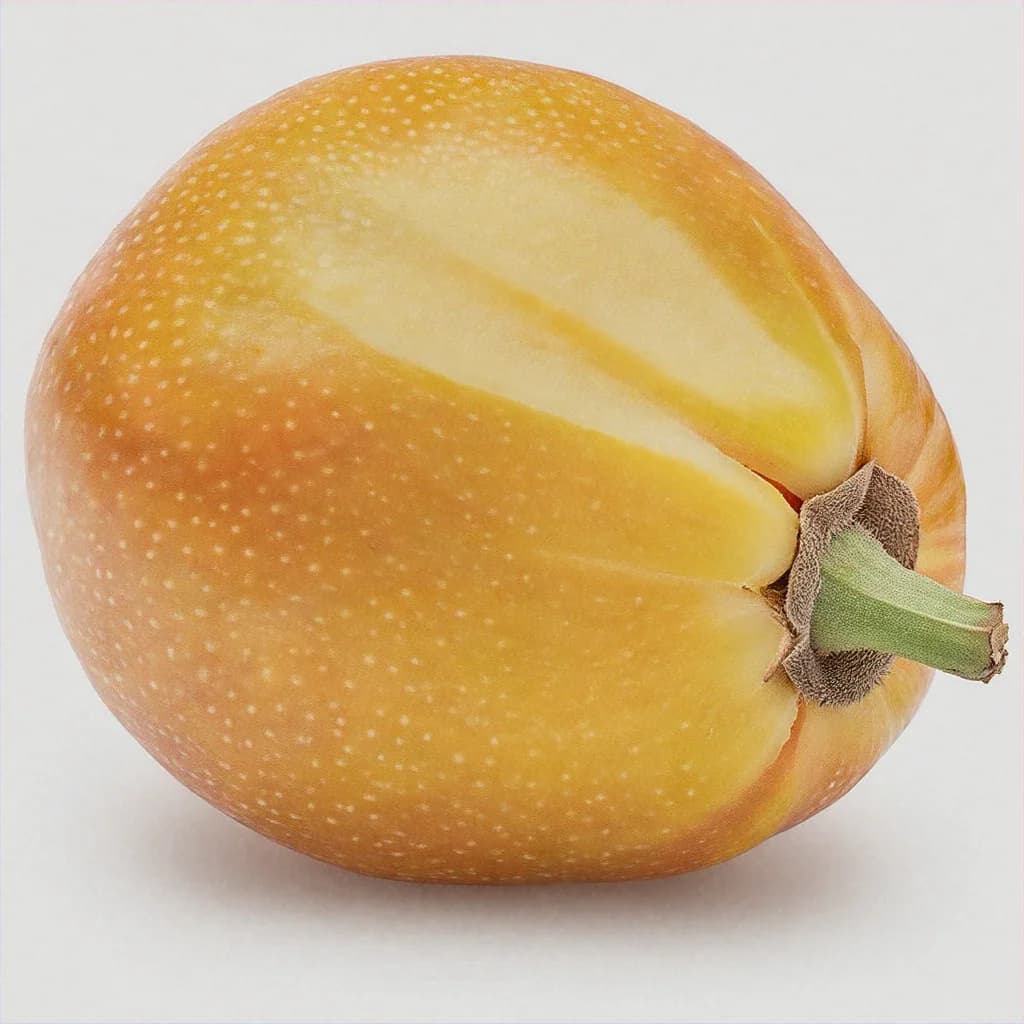
Pitomba
Eugenia luschnathiana
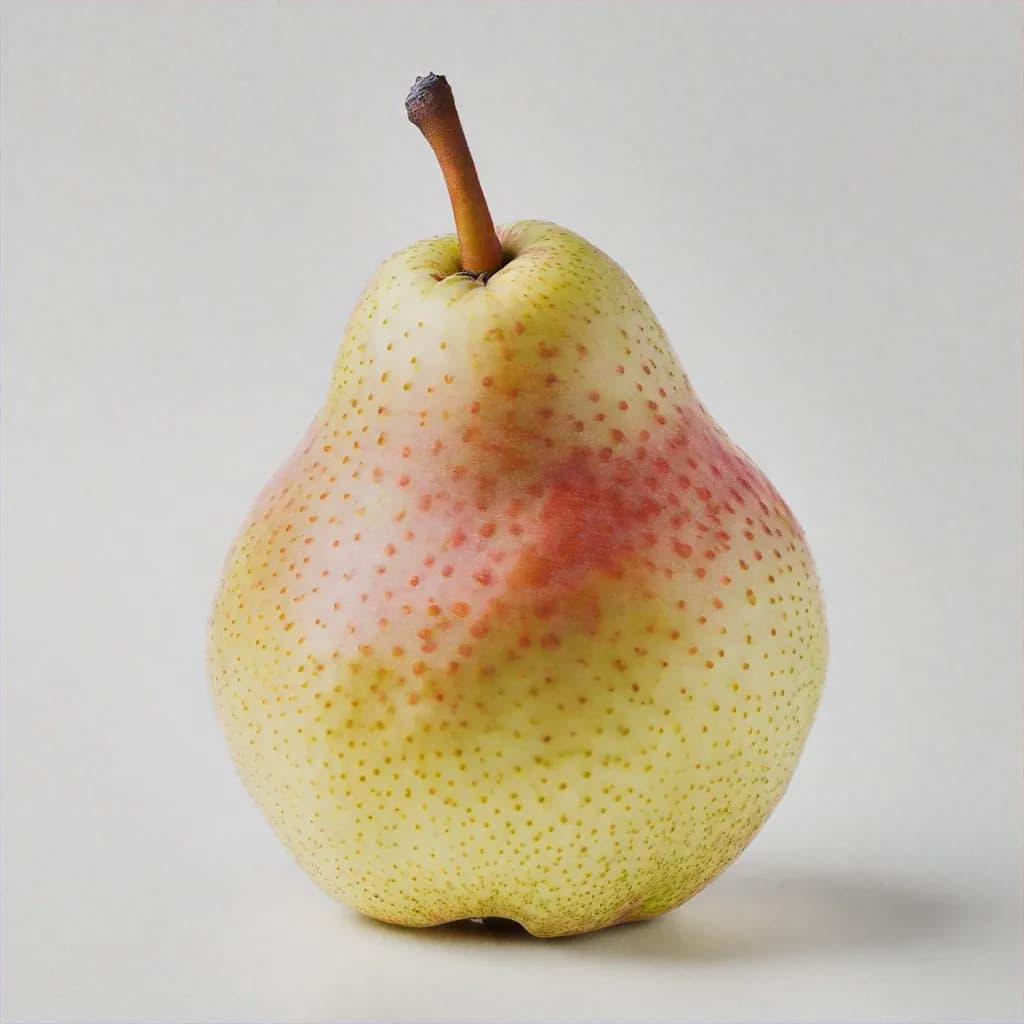
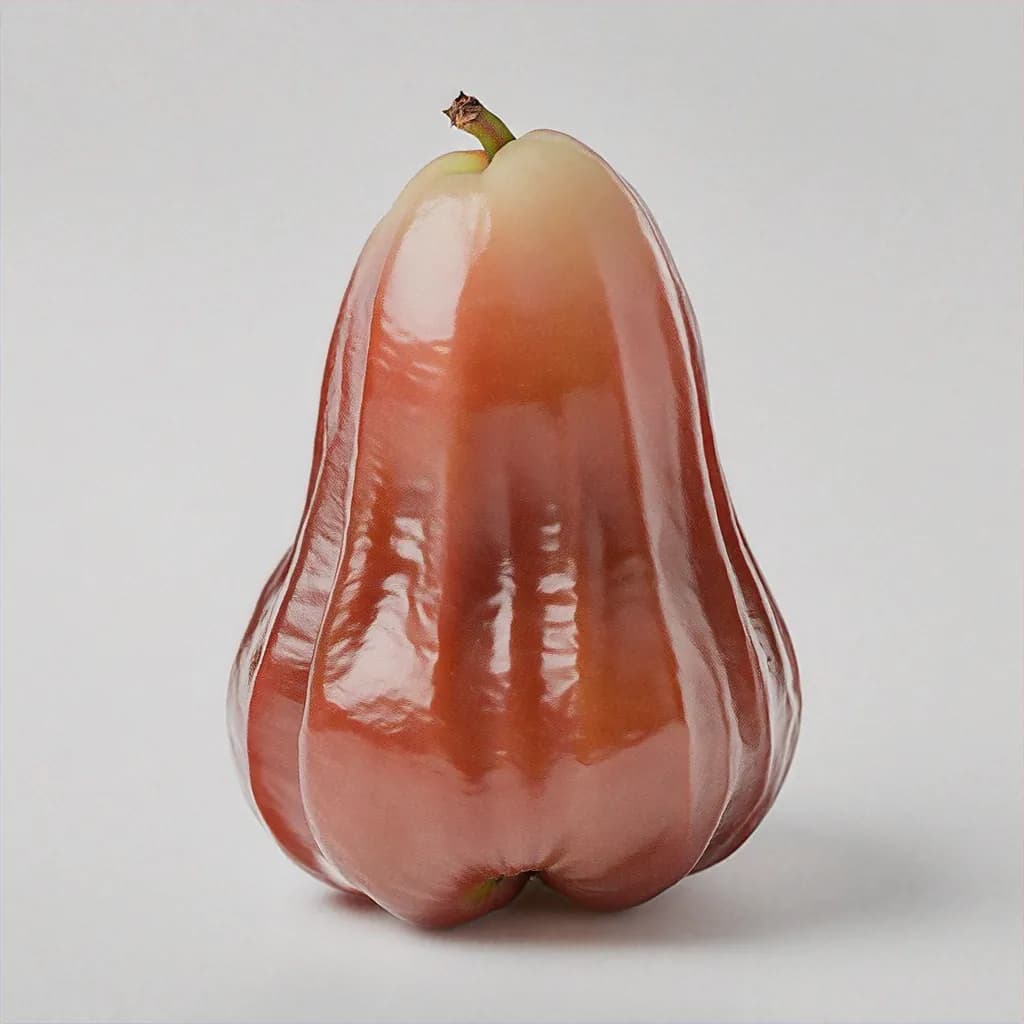
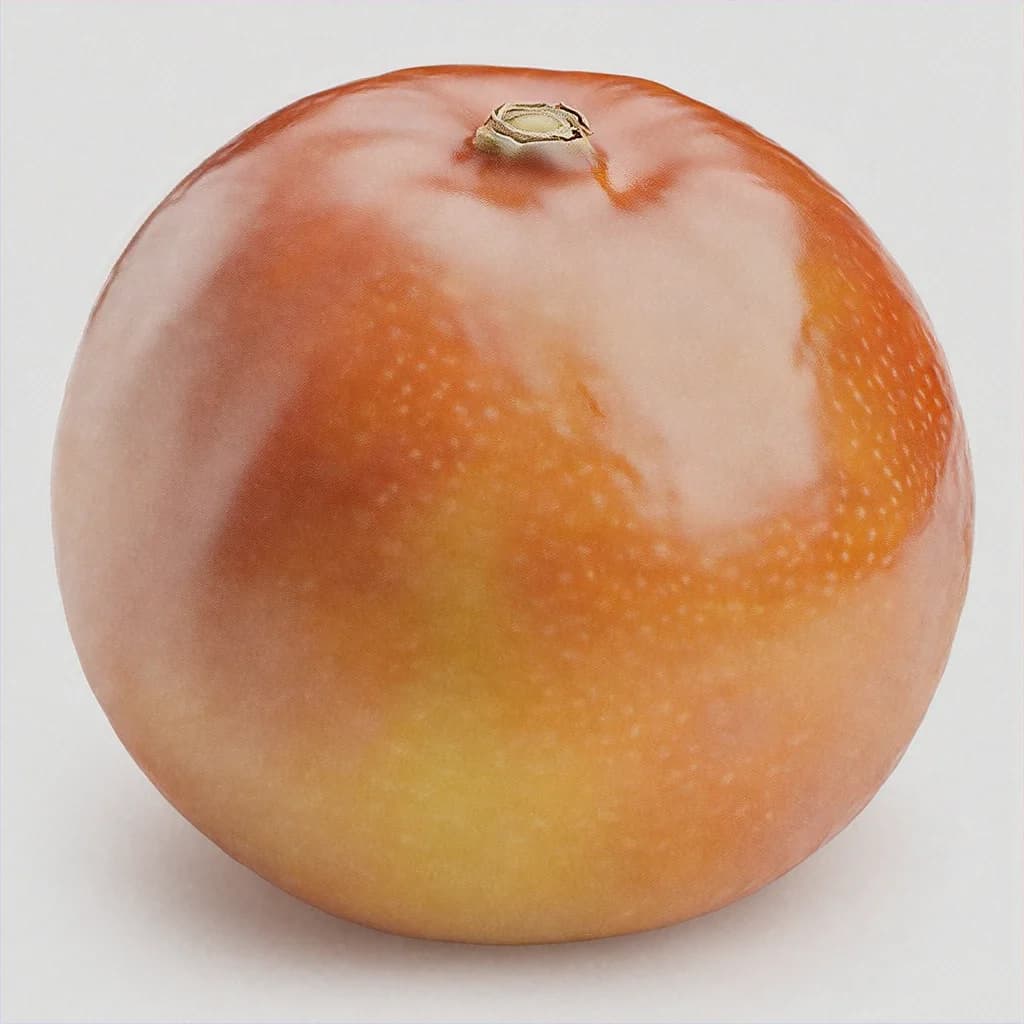
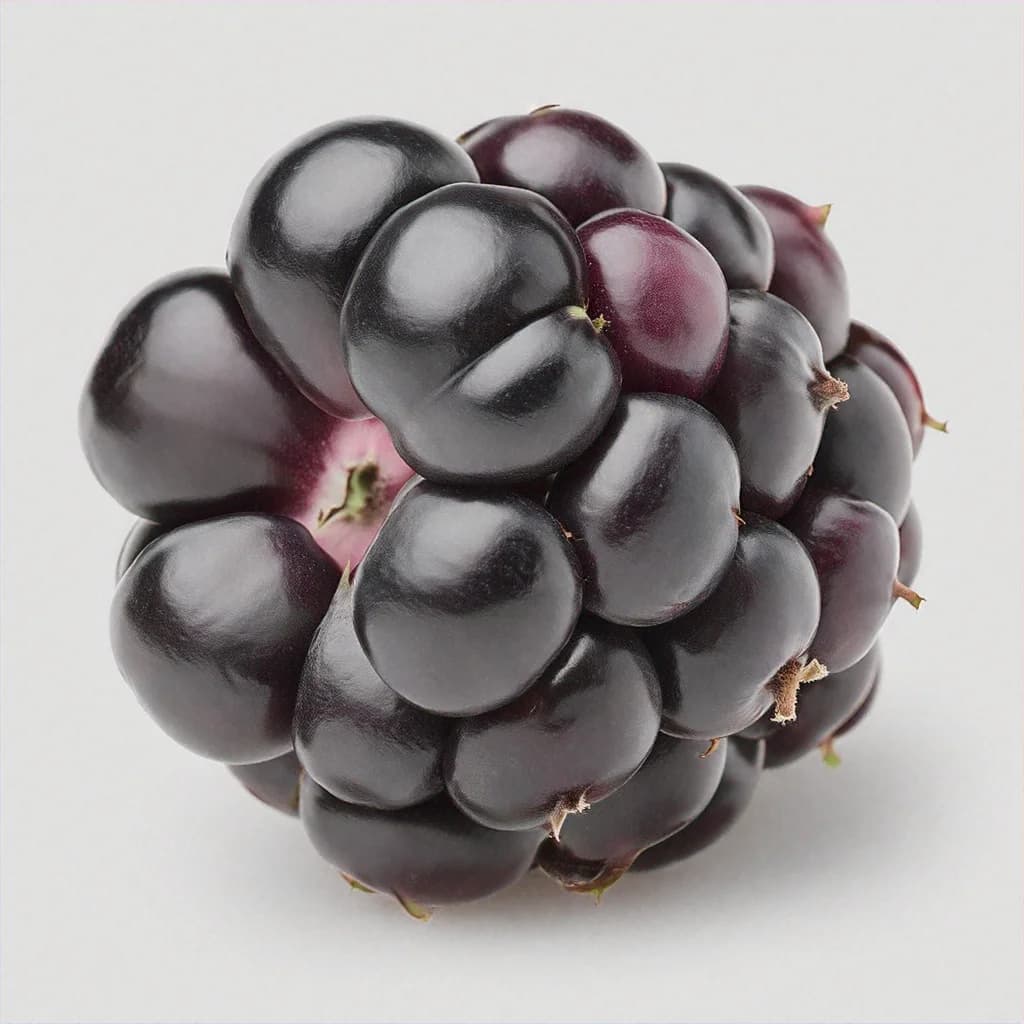
Pitomba, or Eugenia luschnathiana, is a delightful tropical fruit native to the lush regions of Brazil. This small, yellowish-orange fruit has a delicate, tangy flavor profile reminiscent of a blend between a cherry and a citrus. Its juicy pulp is encased in a thin, edible skin, making it a convenient, refreshing snack. Rich in vitamin C, dietary fiber, and antioxidants, Pitomba offers both culinary versatility and numerous health benefits. Its subtle acidity pairs well with both sweet and savory dishes, making it a favorite among chefs and nutritionists alike. Whether enjoyed fresh, in juices, or as part of desserts, Pitomba is a hidden gem of the tropical fruit world.
Pitomba Galeria de fotos
Explore Pitomba em detalhes
Pitomba - Vista principal
Pitomba Informações nutricionais
💊Vitaminas
Por 100 g
⚡Minerais
Por 100 g
Por porção
Detalhamento nutricional por porção
Benefícios para a saúde de Pitomba
Pitomba Origem e distribuição
Brazil
Pitomba has been cultivated in Brazil for centuries, prized for its tart yet sweet flavor. It is often found in local markets and is a staple in tropical fruit diets.
Pitomba Melhor época
Late spring to early summer
Pitomba Variedades
Cada variedade oferece sabores, texturas e usos culinários únicos
Common Pitomba
Pitomba Guia de armazenamento e seleção
Mantenha a fruta fresca por mais tempo
Como escolher a fruta perfeita
Select Pitomba fruits that are firm but slightly yield to gentle pressure.
Look for a vibrant yellowish-orange color without blemishes or soft spots.
Métodos de armazenamento
Store Pitomba at room temperature for up to 3 days.
Refrigerate for extended storage, up to 1 week.
Guia de validade
Instruções para congelar
Preserve a frescura por meses
Freeze whole Pitomba fruits in an airtight container for up to 3 months.
Thaw frozen fruits in the refrigerator before consuming.
Dica
Identifique itens congelados com a data para acompanhar a frescura. A maioria das frutas mantém a qualidade por 2-3 meses quando congelada corretamente. Para melhores resultados, use recipientes herméticos ou sacos próprios para congelador para evitar queimadura de freezer.
Jornada culinária
Descubra possibilidades deliciosas
Usos comuns
Combinações perfeitas
Receitas populares
Bebidas refrescantes
Informações de segurança
Individuals with citrus allergies may experience reactions to Pitomba.
Pitomba is generally low in pesticide residues due to its thick skin.
- • People with citrus allergies
- • Individuals with gastrointestinal sensitivities
- •Mild stomach discomfort in sensitive individuals
- •Possible allergic reactions in those with citrus allergies
- • Wash thoroughly before consuming.
- • Avoid consuming unripe fruits, as they may cause stomach upset.
Curiosidades sobre Pitomba
Fatos surpreendentes que você vai amar!
Pitomba is often referred to as the 'Brazilian cherry' due to its size and flavor.
The fruit is believed to have medicinal properties in traditional Brazilian culture.
Perguntas frequentes
What does Pitomba taste like?
GeneralPitomba has a unique flavor profile that combines tartness with a hint of sweetness, similar to a mix of cherry and citrus.
How do I know if Pitomba is ripe?
BuyingRipe Pitomba will have a vibrant yellowish-orange color and will yield slightly to gentle pressure.
Can Pitomba be frozen?
StorageYes, Pitomba can be frozen whole in an airtight container for up to 3 months.
What are some popular uses for Pitomba in cooking?
CulinaryPitomba can be enjoyed fresh, in fruit salads, juiced, or blended into smoothies and cocktails.
Is Pitomba high in sugar?
NutritionPitomba contains about 8 grams of sugar per 100 grams, making it a moderately sweet fruit.
Does Pitomba have any known health risks?
HealthPitomba is generally safe for consumption, but individuals with citrus allergies should exercise caution.
Where is Pitomba commonly grown?
MiscellaneousPitomba is primarily grown in Brazil, Colombia, and Peru.