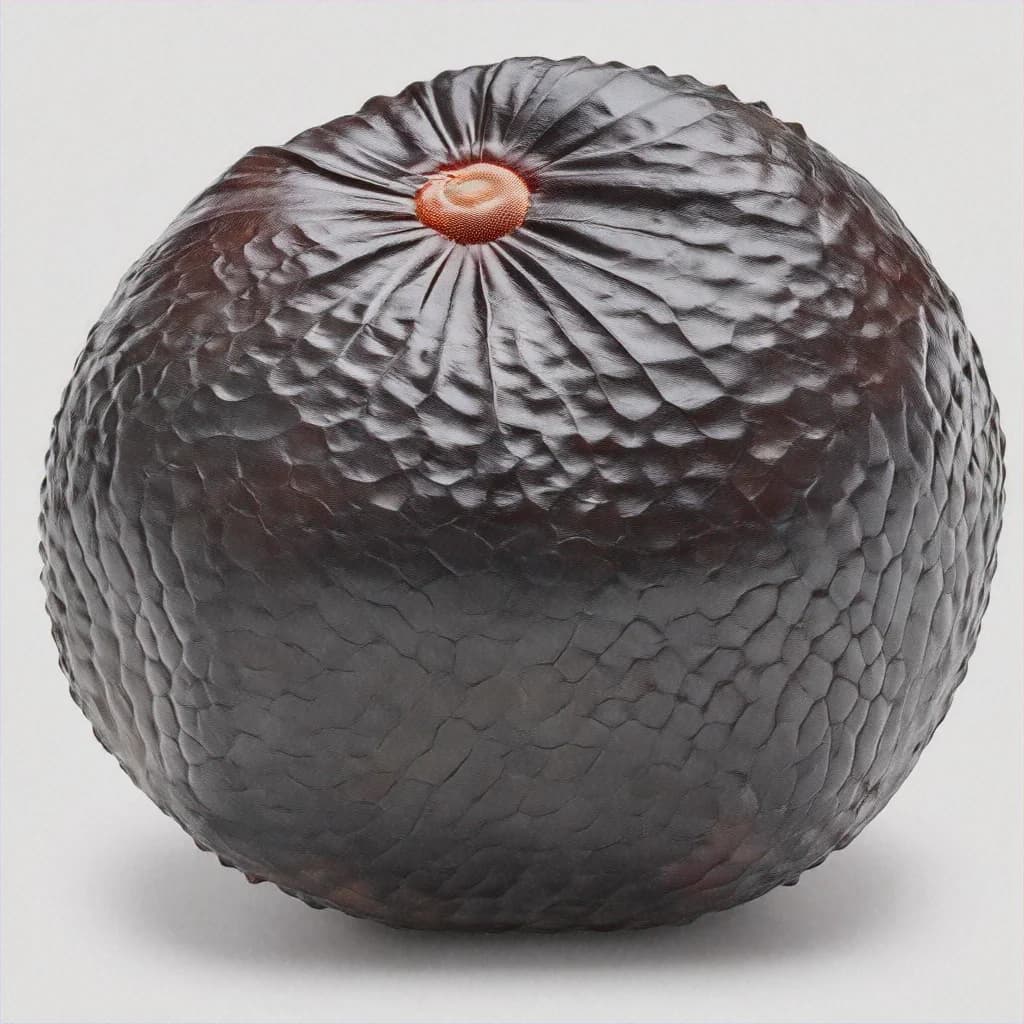
Pirarucu
Arapaima gigas
Pirarucu, scientifically known as Arapaima gigas, is one of the largest freshwater fish in the world, native to the Amazon basin. Though not a fruit, its firm, white flesh is highly prized for its mild flavor and versatility in cooking. Rich in protein and essential nutrients, Pirarucu is a staple in Amazonian cuisine and is increasingly recognized for its sustainability and nutritional value. Its meat is often compared to chicken in texture but offers a unique, delicate taste that pairs well with a variety of seasonings and cooking methods.
Pirarucu Galeria de fotos
Explore Pirarucu em detalhes
Pirarucu - Vista principal
Pirarucu Informações nutricionais
💊Vitaminas
Por 100 g
⚡Minerais
Por 100 g
Por porção
Detalhamento nutricional por porção
Benefícios para a saúde de Pirarucu
Pirarucu Origem e distribuição
Amazon Basin
Pirarucu has been a staple food for indigenous communities in the Amazon for centuries. Its sustainable fishing practices have gained attention in recent years, making it a popular choice for eco-conscious consumers.
Pirarucu Melhor época
Year-round, but availability may vary due to fishing regulations.
Pirarucu Variedades
Cada variedade oferece sabores, texturas e usos culinários únicos
Arapaima gigas
Pirarucu Guia de armazenamento e seleção
Mantenha a fruta fresca por mais tempo
Como escolher a fruta perfeita
Look for firm, white flesh with no discoloration.
Avoid fish with a strong, unpleasant odor.
Métodos de armazenamento
Store in the refrigerator at 4°C (40°F) or below.
Keep in an airtight container to prevent odor transfer.
Guia de validade
Instruções para congelar
Preserve a frescura por meses
Freeze in airtight containers or freezer bags.
Thaw in the refrigerator before cooking.
Dica
Identifique itens congelados com a data para acompanhar a frescura. A maioria das frutas mantém a qualidade por 2-3 meses quando congelada corretamente. Para melhores resultados, use recipientes herméticos ou sacos próprios para congelador para evitar queimadura de freezer.
Jornada culinária
Descubra possibilidades deliciosas
Usos comuns
Combinações perfeitas
Receitas populares
Bebidas refrescantes
Informações de segurança
Pirarucu may cause allergic reactions in individuals with fish allergies.
Generally low, but sourcing from clean waters is important.
- • People with seafood allergies
- • Individuals with iodine sensitivities
- •Possible allergic reactions
- •Mild digestive discomfort in sensitive individuals
- • Cook thoroughly to kill bacteria.
- • Store properly to prevent spoilage.
Curiosidades sobre Pirarucu
Fatos surpreendentes que você vai amar!
Pirarucu can grow up to 3 meters in length and weigh over 200 kg.
It is one of the few fish species that can breathe air, allowing it to survive in low-oxygen waters.
Perguntas frequentes
What does Pirarucu taste like?
GeneralPirarucu has a mild, slightly sweet flavor similar to chicken but with a firmer texture.
How do I know if Pirarucu is fresh?
BuyingFresh Pirarucu should have firm, white flesh with no discoloration and a mild, clean smell.
Can I freeze Pirarucu?
StorageYes, Pirarucu can be frozen for up to 3 months in an airtight container.
What is the best way to cook Pirarucu?
CulinaryPirarucu is versatile and can be grilled, baked, or stewed with a variety of seasonings.
Is Pirarucu high in mercury?
NutritionPirarucu is generally low in mercury compared to other large fish species.
Is Pirarucu safe for people with seafood allergies?
HealthPirarucu is a fish and may cause allergic reactions in individuals with seafood allergies.
Is Pirarucu sustainably sourced?
MiscellaneousMany Pirarucu fisheries are managed sustainably, but it's important to check the source.