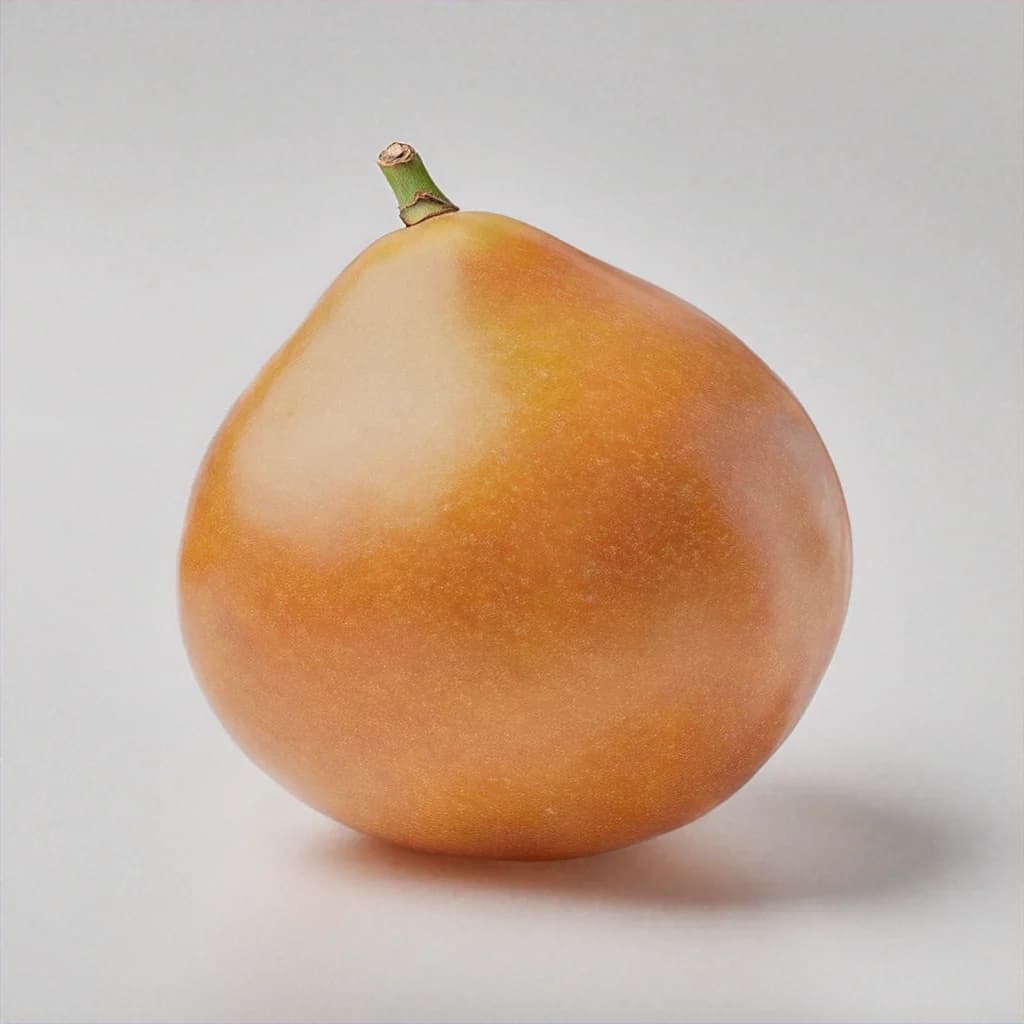
Nam-nam
Cynometra cauliflora
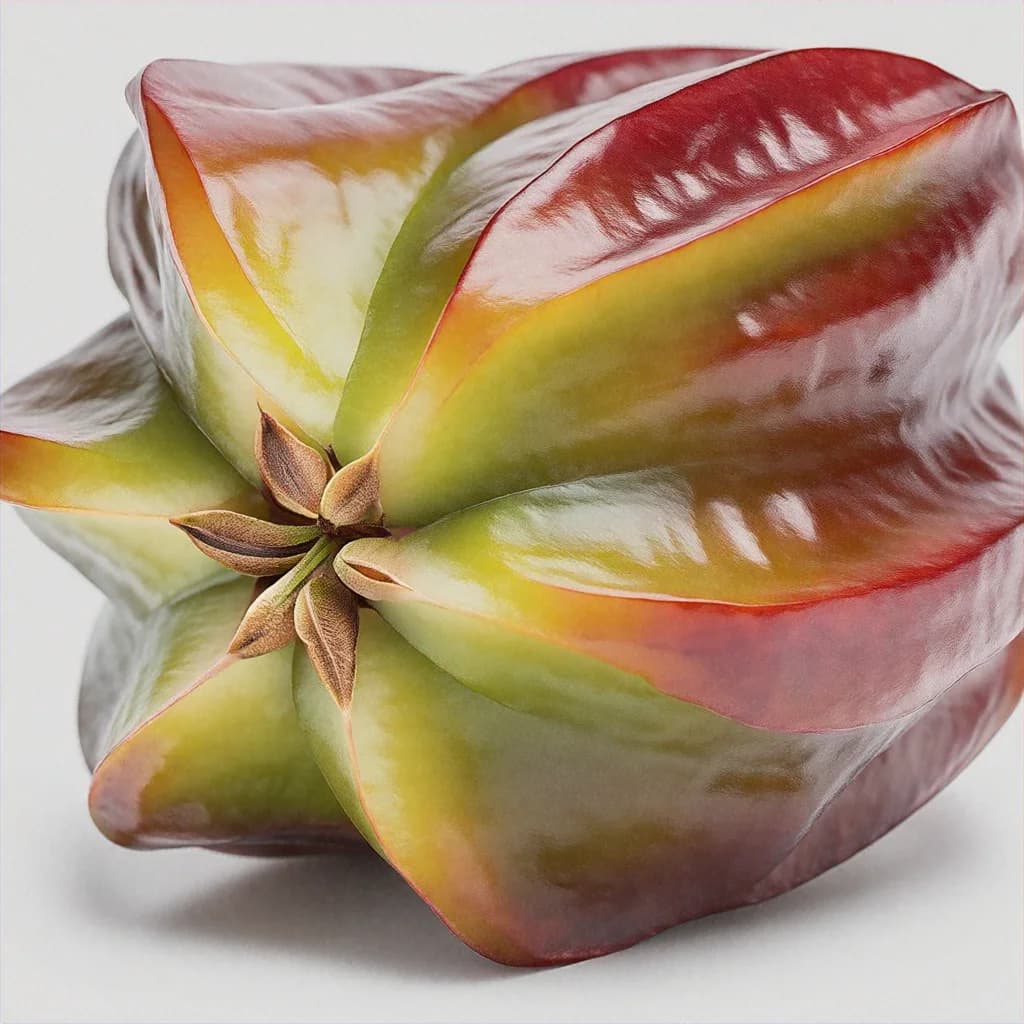
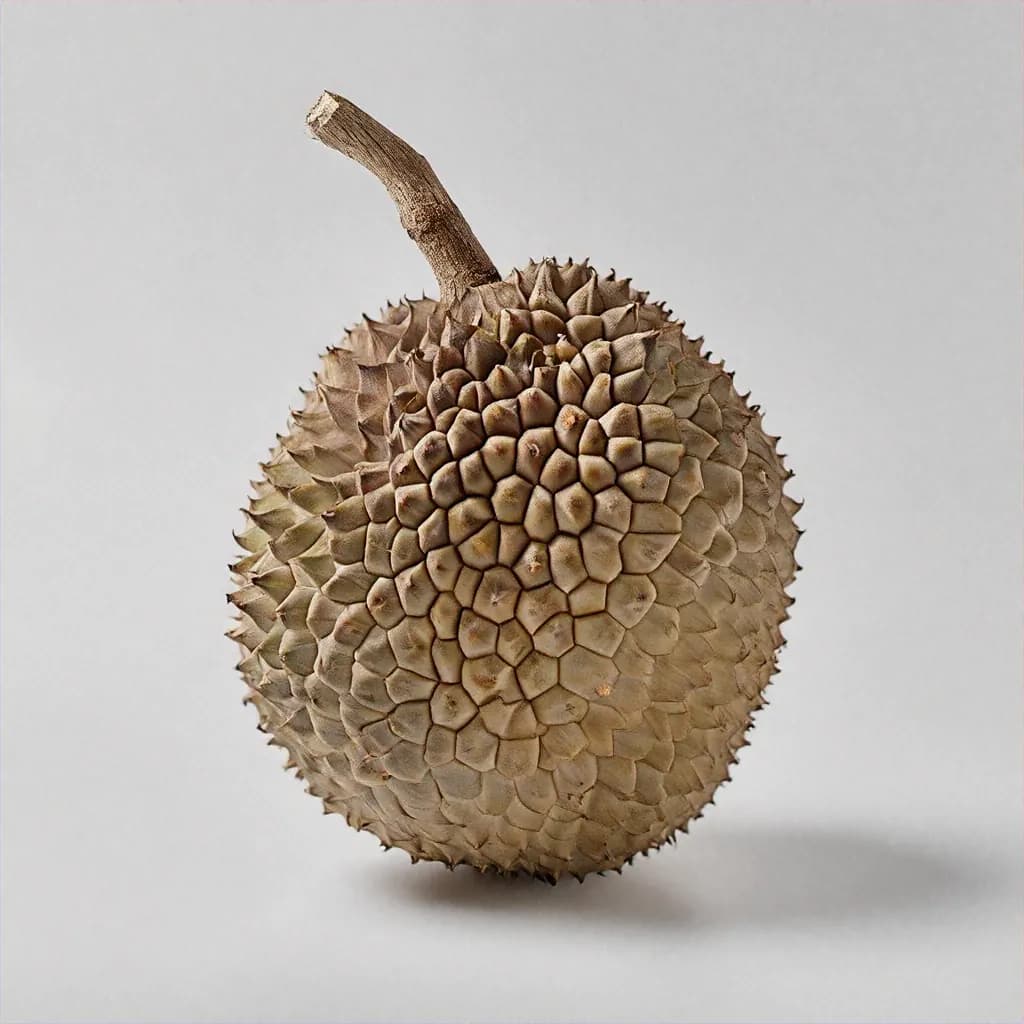
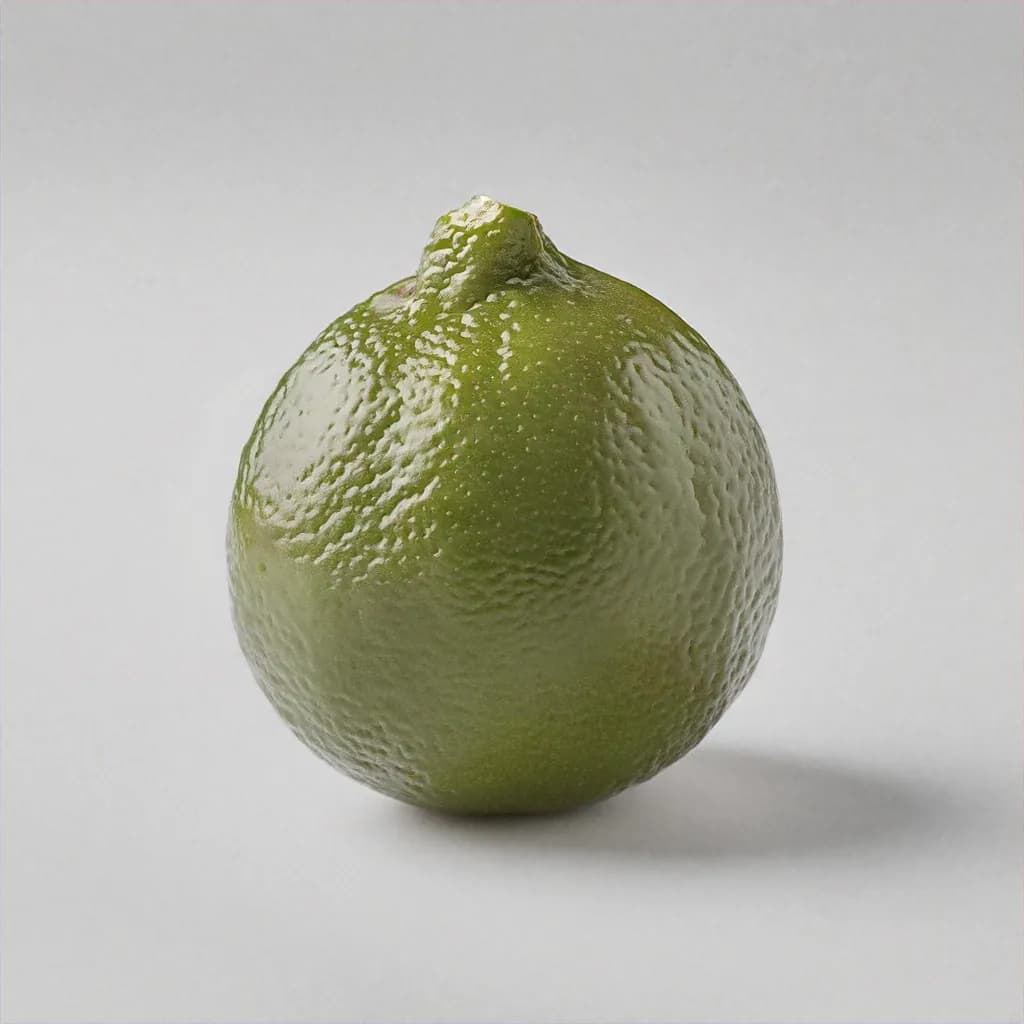
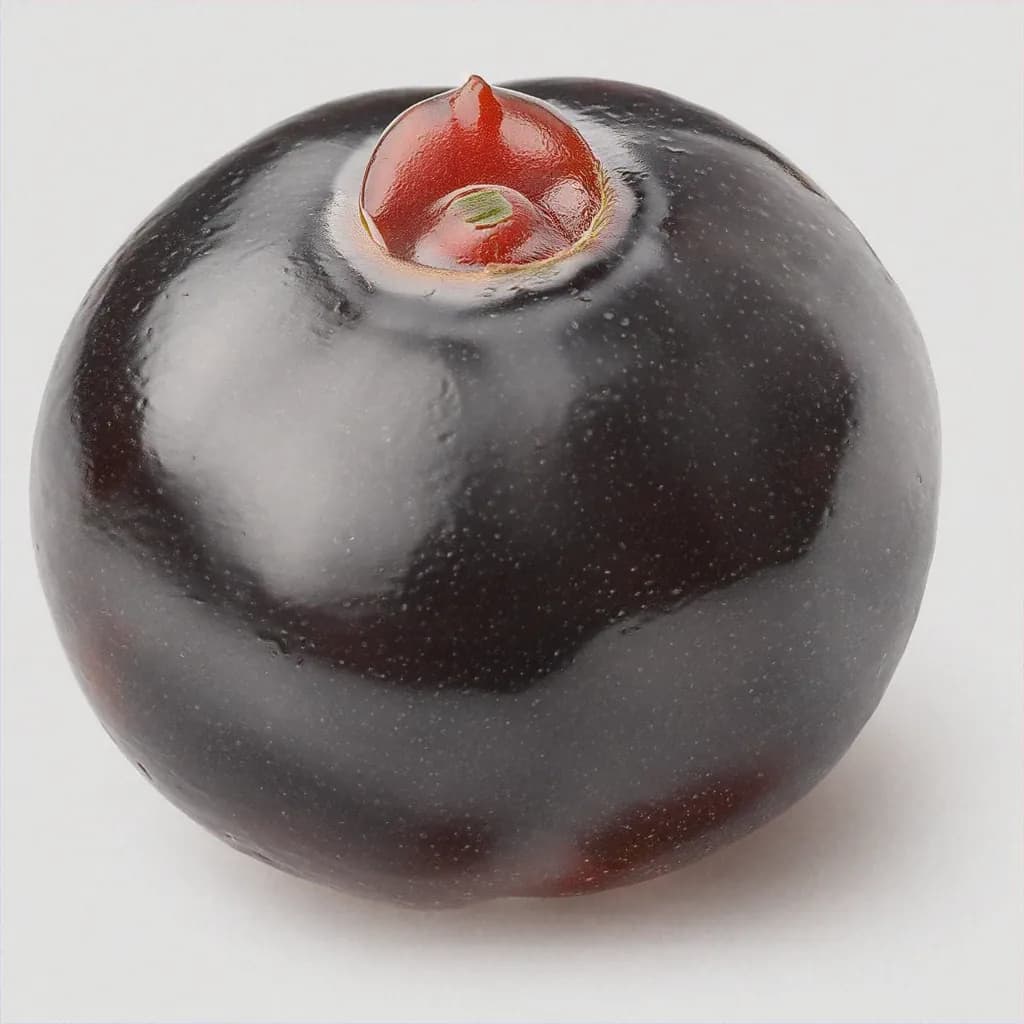
The Nam-nam fruit, scientifically known as Cynometra cauliflora, is a tropical delight native to Southeast Asia. This small, round fruit boasts a vibrant yellow to orange hue when ripe and has a unique, sweet-tart flavor profile reminiscent of a blend between a mango and a plum. Its flesh is juicy and slightly fibrous, surrounding a large, inedible seed. Grown on evergreen trees, Nam-nam is prized for its refreshing taste and versatility in culinary applications. Rich in antioxidants, vitamins, and minerals, this fruit offers both gastronomic and nutritional value. Whether enjoyed fresh, dried, or incorporated into desserts and beverages, Nam-nam is a hidden gem of the tropics, waiting to be discovered by fruit enthusiasts worldwide.
Nam-nam Galeria de fotos
Explore Nam-nam em detalhes
Nam-nam - Vista principal
Nam-nam Informações nutricionais
💊Vitaminas
Por 100 g
⚡Minerais
Por 100 g
Por porção
Detalhamento nutricional por porção
Benefícios para a saúde de Nam-nam
Nam-nam Origem e distribuição
Southeast Asia
Nam-nam has been cultivated in Southeast Asia for centuries, valued for its taste and medicinal properties. It has been used in traditional remedies for digestive issues and skin ailments.
Nam-nam Melhor época
Typically available from May to August
Nam-nam Variedades
Cada variedade oferece sabores, texturas e usos culinários únicos
Common Nam-nam
Dwarf Nam-nam
Nam-nam Guia de armazenamento e seleção
Mantenha a fruta fresca por mais tempo
Como escolher a fruta perfeita
Select fruits with vibrant yellow or orange skin.
Avoid fruits with bruises or soft spots.
Métodos de armazenamento
Store at room temperature for up to 3 days.
Refrigerate for extended freshness (up to 1 week).
Guia de validade
Instruções para congelar
Preserve a frescura por meses
Peel and slice before freezing.
Store in an airtight container to preserve flavor.
Dica
Identifique itens congelados com a data para acompanhar a frescura. A maioria das frutas mantém a qualidade por 2-3 meses quando congelada corretamente. Para melhores resultados, use recipientes herméticos ou sacos próprios para congelador para evitar queimadura de freezer.
Jornada culinária
Descubra possibilidades deliciosas
Usos comuns
Combinações perfeitas
Receitas populares
Bebidas refrescantes
Informações de segurança
Nam-nam is not a common allergen, but individuals with fruit allergies should exercise caution.
Like many tropical fruits, Nam-nam may be treated with pesticides. Wash thoroughly before consuming.
- • Individuals with fruit allergies.
- • People with digestive sensitivities to high-fiber foods.
- •May cause mild digestive discomfort if consumed in large quantities.
- • Wash the fruit thoroughly before eating.
- • Remove the seed, as it is inedible.
Curiosidades sobre Nam-nam
Fatos surpreendentes que você vai amar!
Nam-nam is often referred to as the 'tropical plum' due to its flavor profile.
The fruit is a popular ingredient in traditional Southeast Asian desserts and beverages.
Perguntas frequentes
What does Nam-nam taste like?
GeneralNam-nam has a sweet-tart flavor, similar to a blend of mango and plum.
How do I know if a Nam-nam fruit is ripe?
BuyingA ripe Nam-nam fruit will have a vibrant yellow or orange skin and give slightly when pressed.
Can Nam-nam be frozen?
StorageYes, peel and slice the fruit before freezing in an airtight container.
What are some popular Nam-nam recipes?
CulinaryNam-nam can be used in fruit salads, smoothies, jams, and even dried as a snack.
Is Nam-nam high in sugar?
NutritionNam-nam contains about 15.3g of sugar per 100g, which is moderate compared to other fruits.
Does Nam-nam have any medicinal properties?
HealthTraditionally, Nam-nam has been used to treat digestive issues and skin ailments due to its antioxidant content.
Where is Nam-nam commonly grown?
MiscellaneousNam-nam is native to Southeast Asia and is primarily grown in Thailand, Malaysia, Indonesia, and the Philippines.