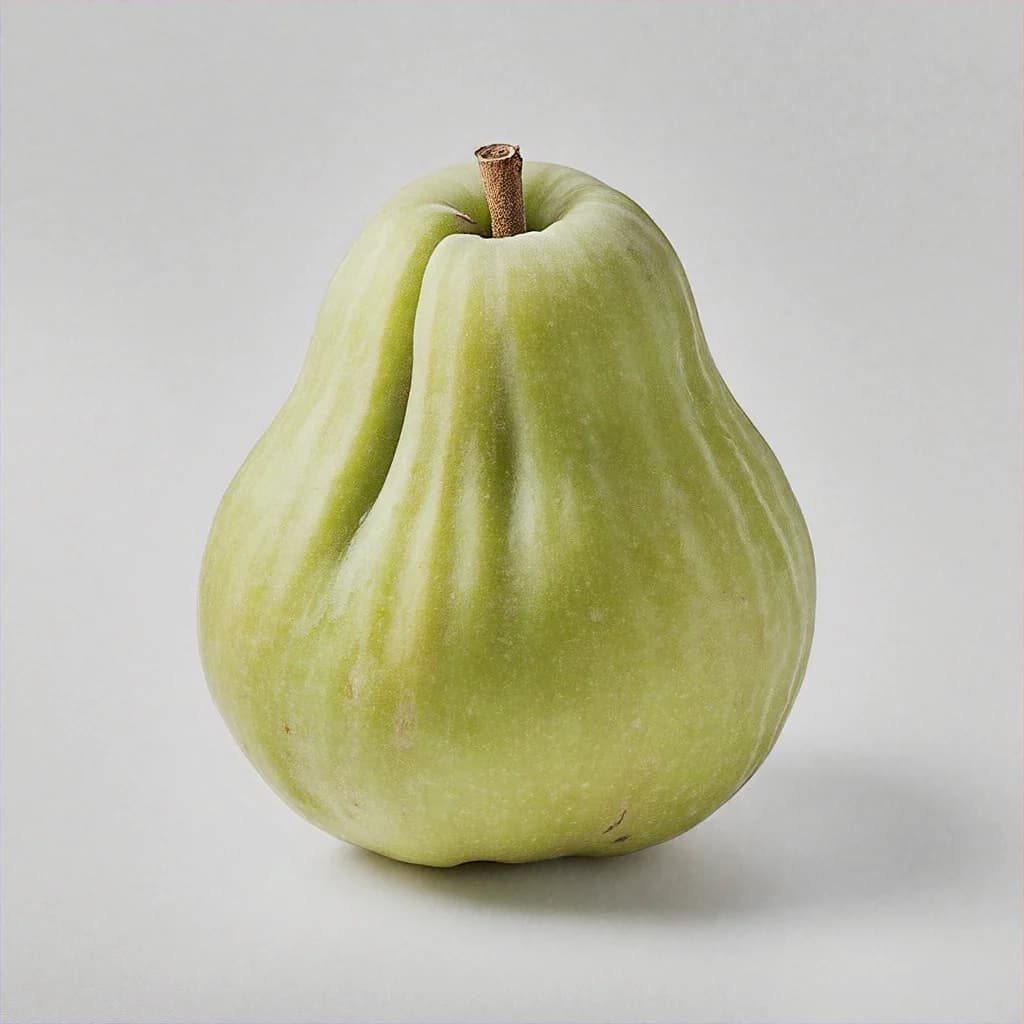
Elephant Apple
Dillenia indica
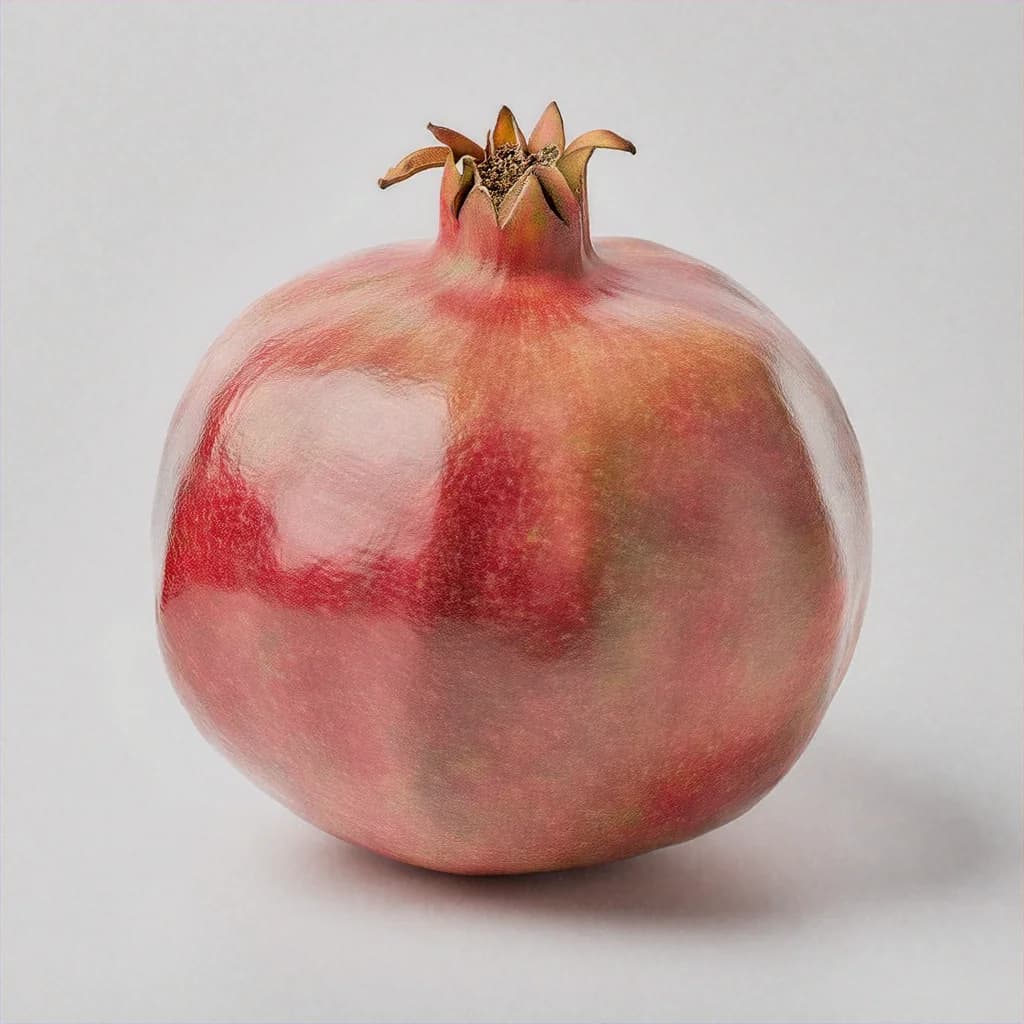
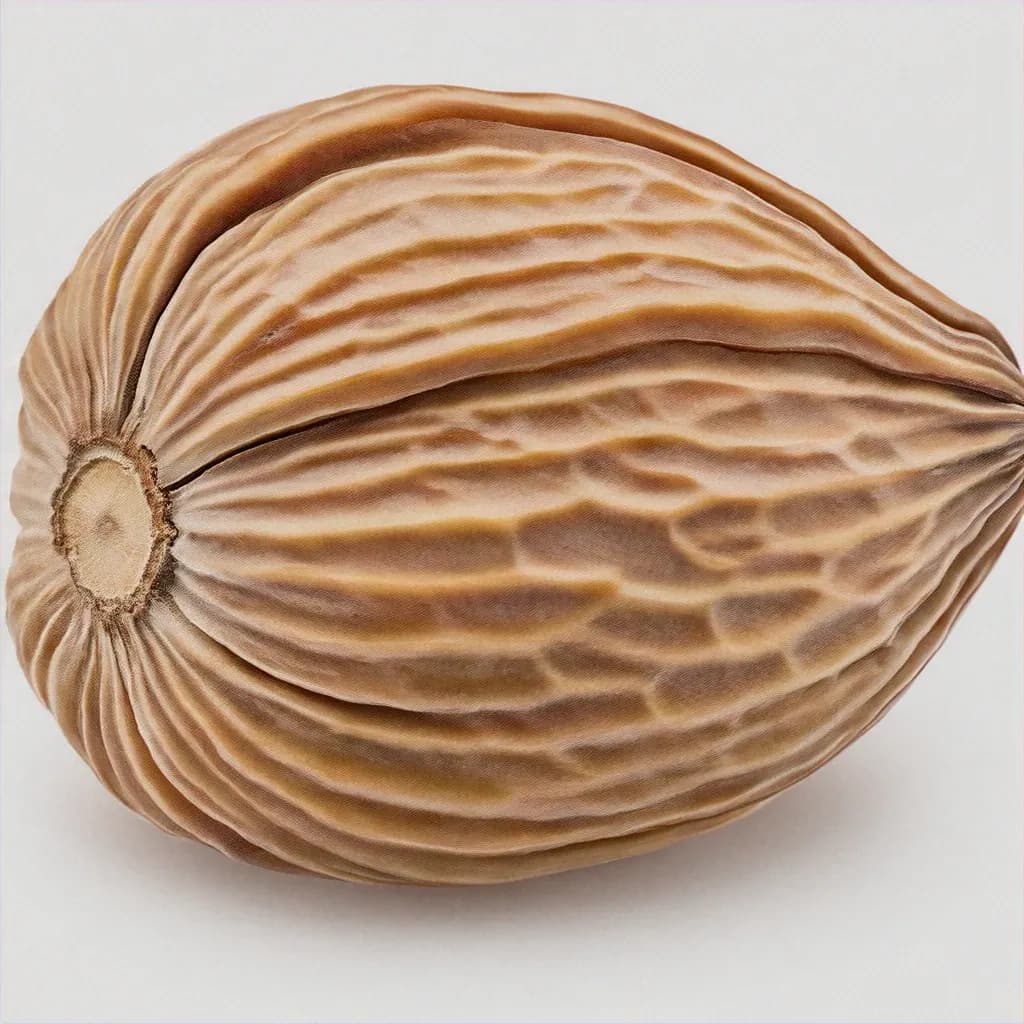
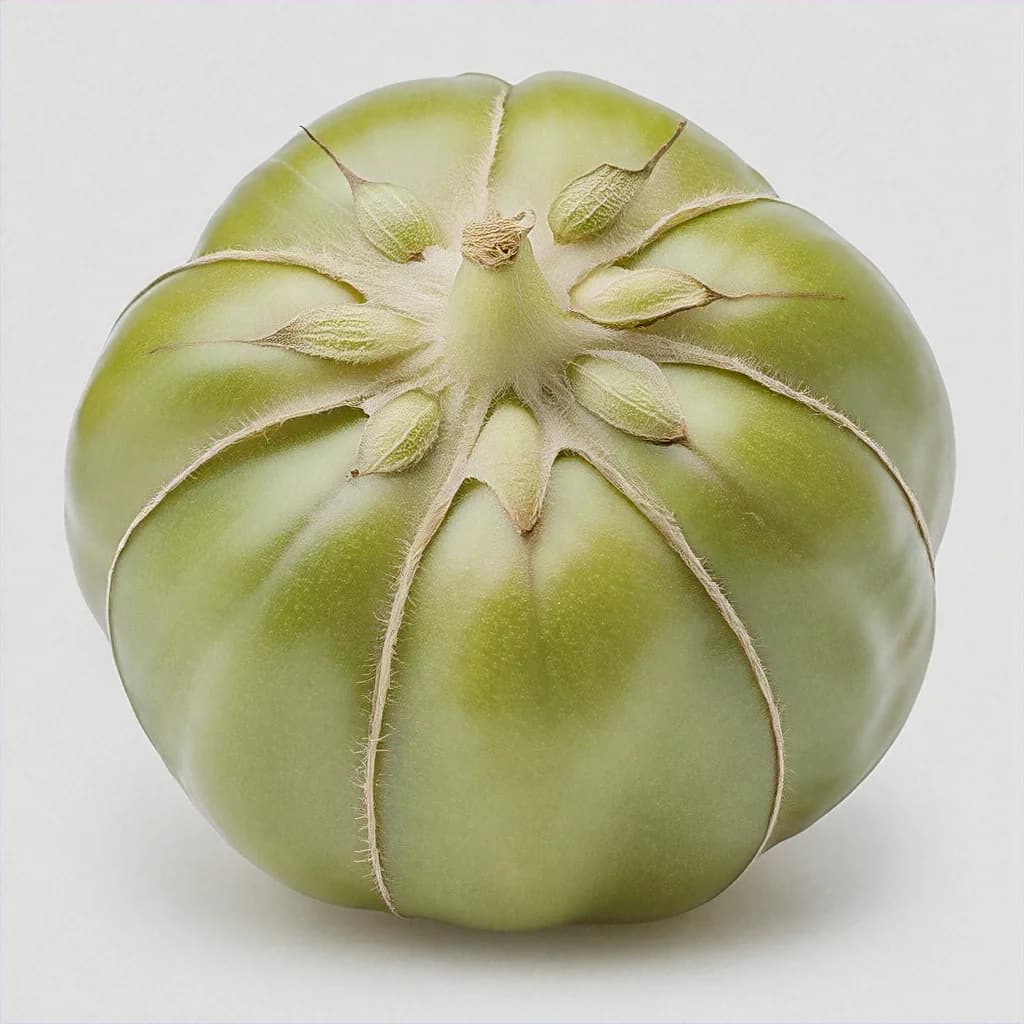
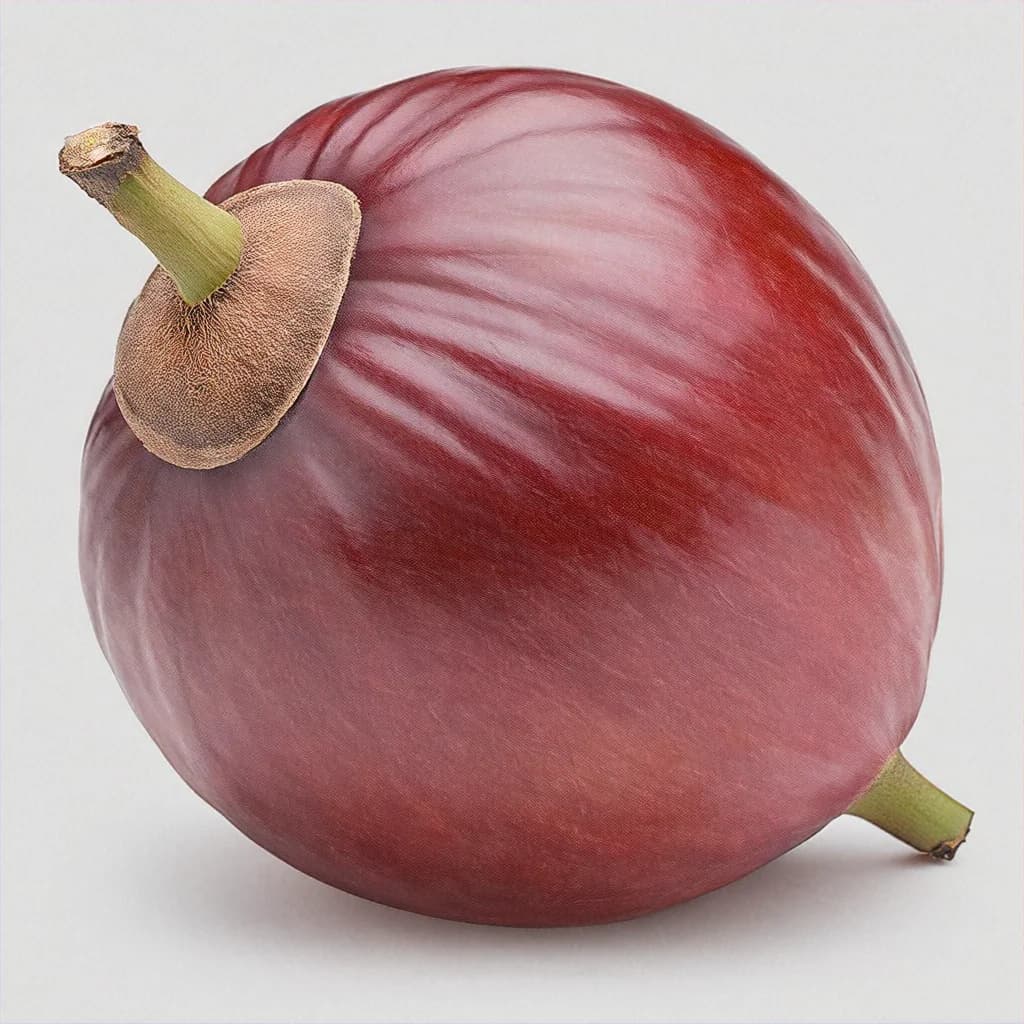
The Elephant Apple, scientifically known as Dillenia indica, is a unique and intriguing tropical fruit native to Southeast Asia. Its name is derived from its large size and the fact that elephants are known to enjoy consuming it. The fruit has a tough, leathery outer skin, which encases a pulpy, fibrous flesh filled with small, edible seeds. While the outer rind is not typically consumed, the sweet-tart flesh is often used in culinary preparations, particularly in jams, jellies, and chutneys. Rich in antioxidants and vitamins, the Elephant Apple offers a blend of tangy and sweet flavors, making it a versatile ingredient in both sweet and savory dishes. Its nutritional profile, combined with its cultural significance, makes it a prized fruit in traditional medicine and culinary traditions.
Elephant Apple Galeria de fotos
Explore Elephant Apple em detalhes
Elephant Apple - Vista principal
Elephant Apple Informações nutricionais
💊Vitaminas
Por 100 g
⚡Minerais
Por 100 g
Por porção
Detalhamento nutricional por porção
Benefícios para a saúde de Elephant Apple
Elephant Apple Origem e distribuição
Southeast Asia
The Elephant Apple has been cultivated for centuries in Southeast Asia, where it holds cultural and medicinal significance. It is often used in traditional Ayurvedic medicine and is revered for its unique taste and nutritional benefits.
Elephant Apple Melhor época
Late summer to early autumn
Elephant Apple Variedades
Cada variedade oferece sabores, texturas e usos culinários únicos
Common Elephant Apple
Elephant Apple Guia de armazenamento e seleção
Mantenha a fruta fresca por mais tempo
Como escolher a fruta perfeita
Select fruits with firm, unblemished skin.
Avoid overly soft or cracked fruits.
Métodos de armazenamento
Store in a cool, dry place away from direct sunlight.
Refrigerate to extend shelf life.
Guia de validade
Instruções para congelar
Preserve a frescura por meses
Freeze the pulp for up to 3 months.
Thaw before using in recipes.
Dica
Identifique itens congelados com a data para acompanhar a frescura. A maioria das frutas mantém a qualidade por 2-3 meses quando congelada corretamente. Para melhores resultados, use recipientes herméticos ou sacos próprios para congelador para evitar queimadura de freezer.
Jornada culinária
Descubra possibilidades deliciosas
Usos comuns
Combinações perfeitas
Receitas populares
Bebidas refrescantes
Informações de segurança
Some individuals may be allergic to Elephant Apples. Symptoms can include itching, swelling, or digestive discomfort.
Always wash the fruit thoroughly to remove any residual pesticides.
- • Individuals with known fruit allergies.
- • People with sensitive digestive systems.
- •Possible allergic reactions.
- •May cause digestive discomfort if consumed in excess.
- • Wash the fruit before consuming.
- • Remove the tough outer skin before eating the pulp.
Curiosidades sobre Elephant Apple
Fatos surpreendentes que você vai amar!
Elephant Apples are named for their large size and popularity among elephants.
In traditional medicine, the fruit is used to treat coughs and respiratory issues.
Perguntas frequentes
What does Elephant Apple taste like?
GeneralElephant Apple has a tangy, slightly sweet flavor with a fibrous texture.
How do I know if an Elephant Apple is ripe?
BuyingRipe Elephant Apples have a firm, unblemished skin and a slight give when pressed.
How should I store Elephant Apples?
StorageStore in a cool, dry place or refrigerate to extend shelf life.
Can Elephant Apples be used in cooking?
CulinaryYes, they are commonly used in jams, chutneys, and curries.
What are the nutritional benefits of Elephant Apples?
NutritionThey are rich in antioxidants, fiber, and Vitamin C.
Are there any health risks associated with Elephant Apples?
HealthSome individuals may be allergic to the fruit. Always consult a healthcare provider if you experience adverse reactions.
Can I freeze Elephant Apples?
MiscellaneousYes, the pulp can be frozen for up to 3 months.