Cocoplum
Chrysobalanus icaco
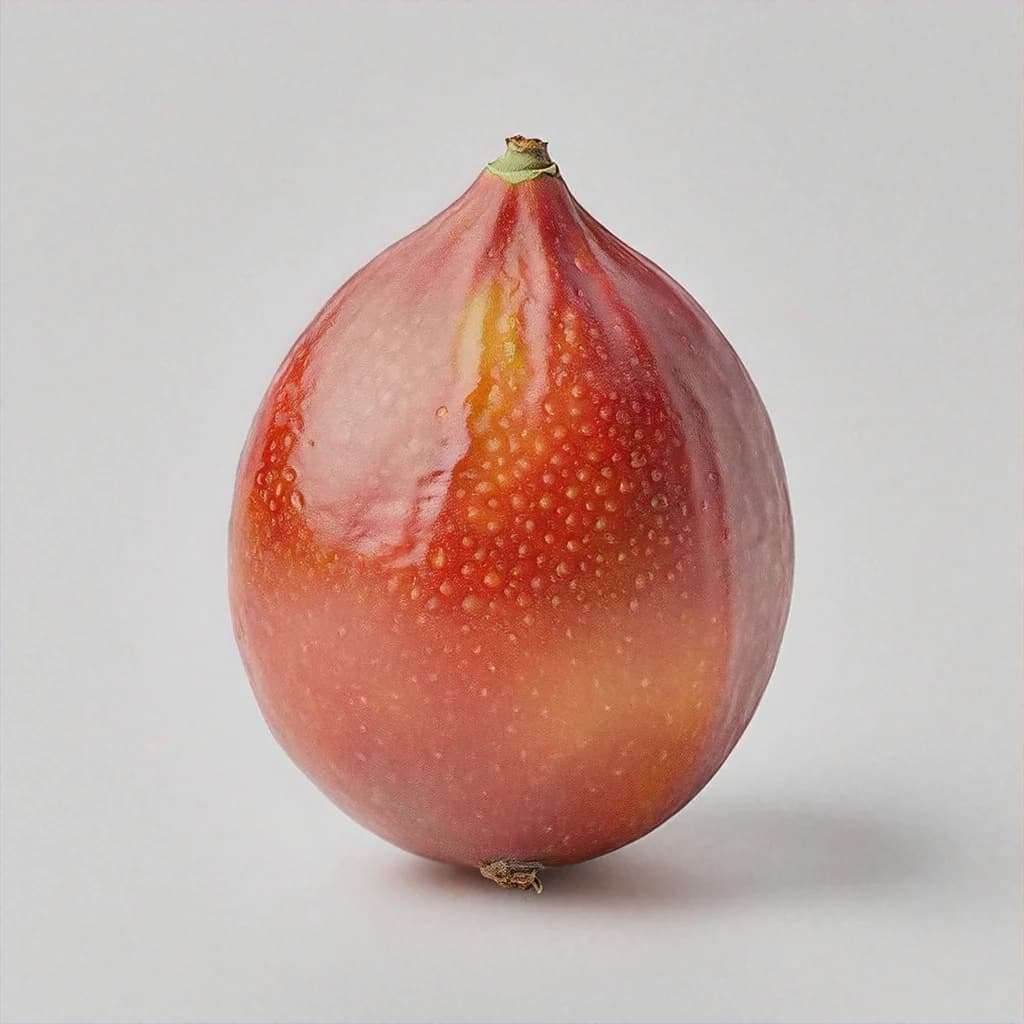
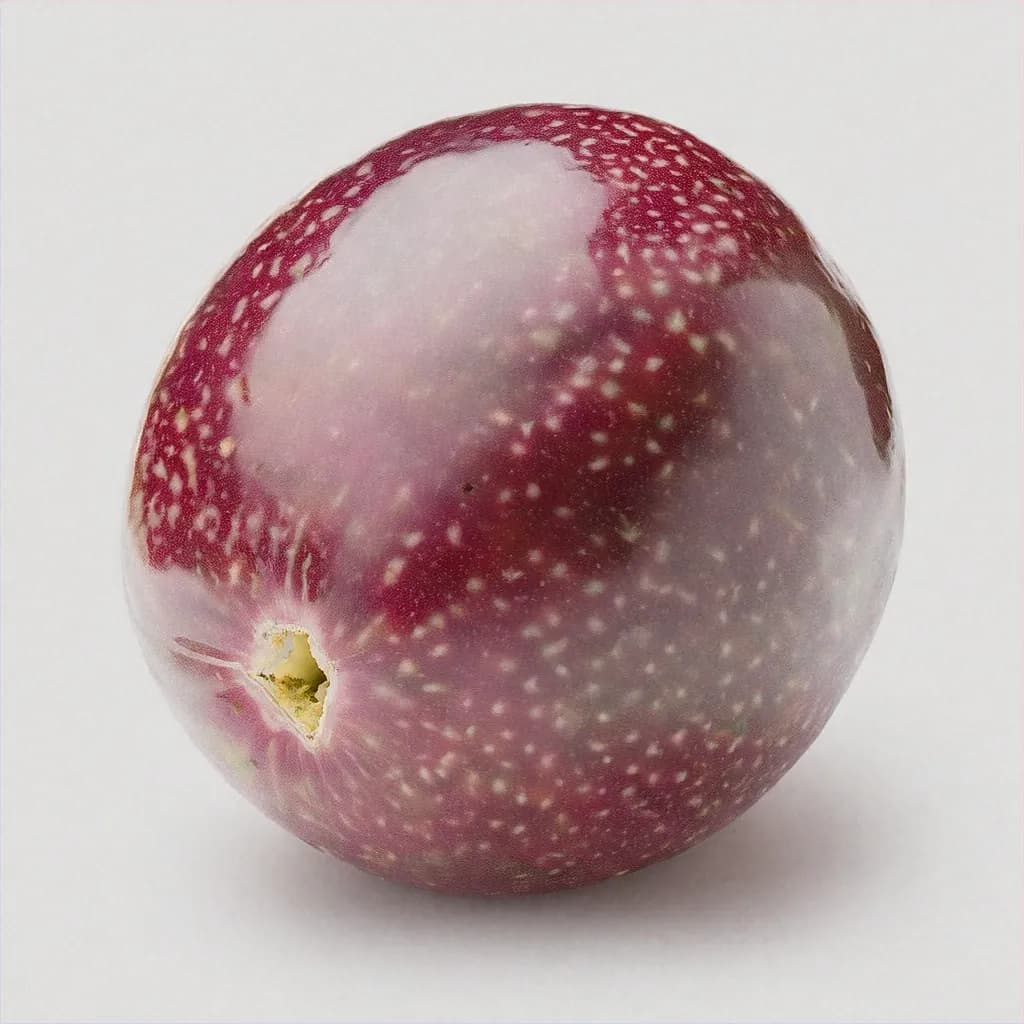
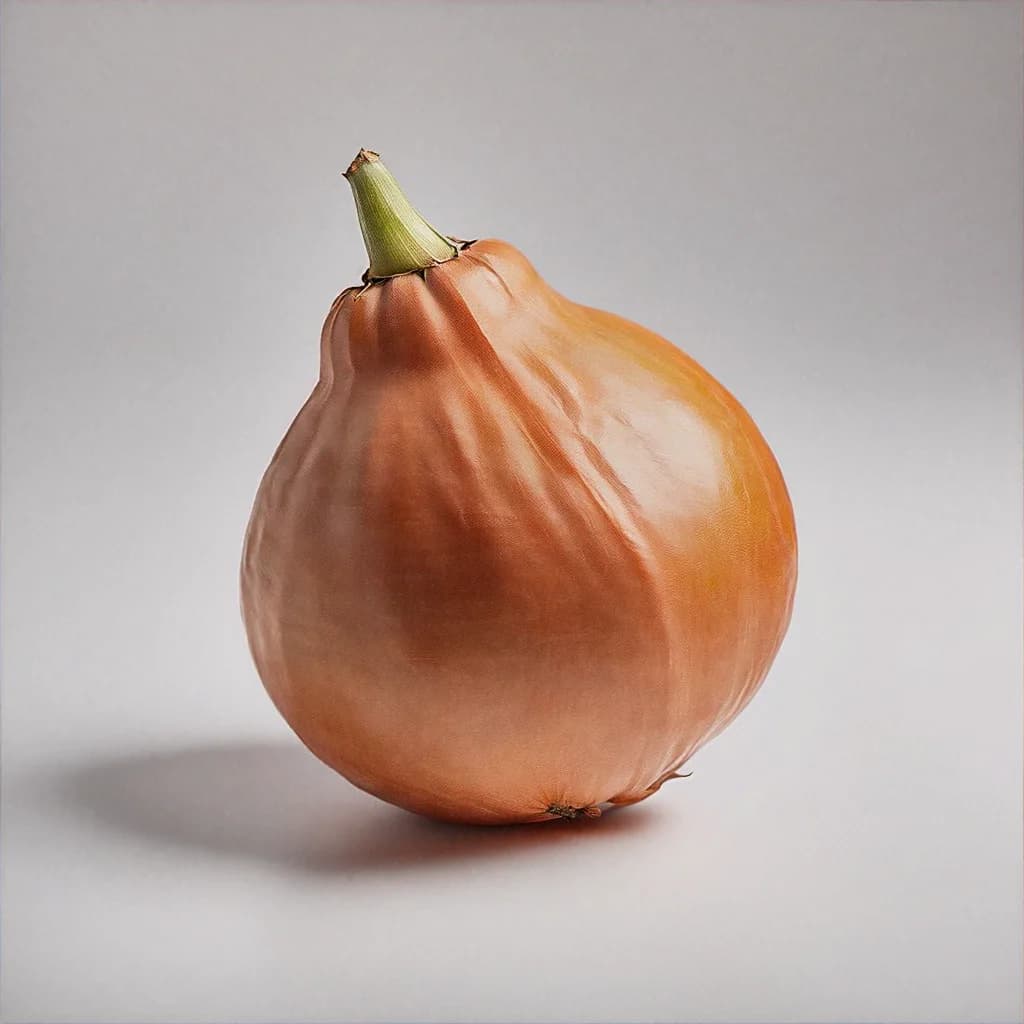
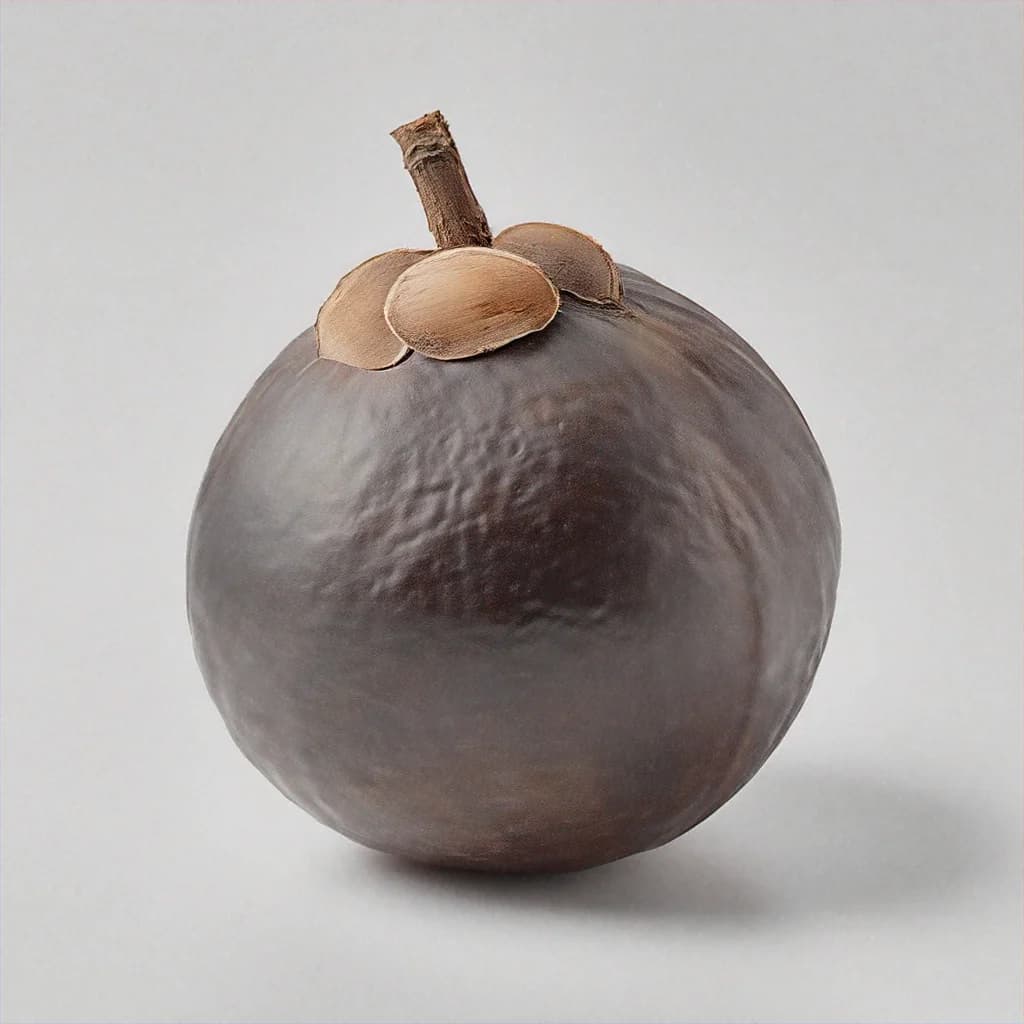
Cocoplum, scientifically known as Chrysobalanus icaco, is a tropical fruit native to coastal regions of the Americas. This plum-like fruit grows on a hardy shrub that thrives in sandy soils and saline environments. The flesh of the cocoplum is firm, juicy, and mildly sweet, often described as a blend of plum and apple with a hint of almond. Its taste varies slightly depending on ripeness, with unripe fruits leaning more tart and ripe fruits offering a sweet, succulent experience. Cocoplum is not only a versatile culinary ingredient but also a rich source of antioxidants, vitamins, and fiber, making it a nutritious addition to any diet. Its adaptability to harsh coastal conditions makes it an ecologically significant plant, often used in landscaping to stabilize dunes and prevent erosion.
Cocoplum Galeria de fotos
Explore Cocoplum em detalhes
Cocoplum - Vista principal
Cocoplum Informações nutricionais
💊Vitaminas
Por 100 g
⚡Minerais
Por 100 g
Por porção
Detalhamento nutricional por porção
Benefícios para a saúde de Cocoplum
Cocoplum Origem e distribuição
Coastal regions of the Americas, including the Caribbean and Central America.
Cocoplum has been cultivated for centuries in tropical and subtropical regions. It was traditionally used by indigenous communities for its nutritional value and medicinal properties. Its ability to grow in saline soils has made it a valuable plant for coastal stabilization and erosion control.
Cocoplum Melhor época
Late spring to early fall.
Cocoplum Variedades
Cada variedade oferece sabores, texturas e usos culinários únicos
White Cocoplum
Red Cocoplum
Cocoplum Guia de armazenamento e seleção
Mantenha a fruta fresca por mais tempo
Como escolher a fruta perfeita
Look for fruits that are firm but slightly yielding to gentle pressure.
Avoid fruits with bruises, cuts, or mold.
Ripe cocoplums will have a slightly sweet aroma and vibrant color.
Métodos de armazenamento
Store ripe cocoplums in the refrigerator for up to 5 days.
Unripe fruits can be left at room temperature to ripen, which usually takes 2-3 days.
Avoid storing cocoplums in plastic bags, as this can trap moisture and cause spoilage.
Guia de validade
Instruções para congelar
Preserve a frescura por meses
Freeze cocoplums whole or sliced in an airtight container for up to 3 months.
Thaw frozen cocoplums in the refrigerator before using in recipes.
Dica
Identifique itens congelados com a data para acompanhar a frescura. A maioria das frutas mantém a qualidade por 2-3 meses quando congelada corretamente. Para melhores resultados, use recipientes herméticos ou sacos próprios para congelador para evitar queimadura de freezer.
Jornada culinária
Descubra possibilidades deliciosas
Usos comuns
Combinações perfeitas
Receitas populares
Bebidas refrescantes
Informações de segurança
Cocoplum allergies are rare, but individuals with known allergies to other fruits should exercise caution when trying cocoplum for the first time.
Cocoplums are generally low in pesticide residues, but it is always best to wash fruits thoroughly before consuming.
- • Individuals with fruit allergies.
- • People with known sensitivities to tropical fruits.
- •Overconsumption may cause mild digestive discomfort due to the fruit's fiber content.
- •Some individuals may experience allergic reactions, though this is uncommon.
- • Wash cocoplums under running water before eating or using in recipes.
- • Avoid consuming the pit, as it can be a choking hazard.
Curiosidades sobre Cocoplum
Fatos surpreendentes que você vai amar!
Cocoplum is often used in coastal landscaping to stabilize dunes and prevent erosion.
The fruit's name is derived from its resemblance to a small plum, though it is not related to the plum family.
Perguntas frequentes
What does cocoplum taste like?
GeneralCocoplum has a unique flavor profile that combines the sweetness of a plum with a slight tartness and a hint of almond. The taste varies depending on ripeness, with unripe fruits being more tart and ripe fruits being sweet and juicy.
How do I know if a cocoplum is ripe?
BuyingA ripe cocoplum will have a slightly sweet aroma, vibrant color, and will yield slightly to gentle pressure. Avoid fruits that are overly soft or have bruises.
Can I freeze cocoplums?
StorageYes, cocoplums can be frozen whole or sliced in an airtight container for up to 3 months. Thaw in the refrigerator before using.
What are some popular ways to use cocoplums in cooking?
CulinaryCocoplums can be eaten fresh, made into jams or jellies, added to salads, or incorporated into baked goods like muffins and pies.
Are cocoplums high in sugar?
NutritionCocoplums contain about 9.8 grams of sugar per 100 grams, which is moderate compared to other fruits. They also provide fiber, vitamins, and antioxidants, making them a nutritious choice.
Do cocoplums have any medicinal properties?
HealthCocoplums are rich in antioxidants like polyphenols and flavonoids, which may help reduce inflammation and oxidative stress. They also contain vitamins and minerals that support overall health.
Can cocoplums be grown in non-tropical regions?
MiscellaneousCocoplums are best suited to tropical and subtropical climates but can be grown in warmer temperate regions with proper care. They thrive in sandy, well-drained soils and are tolerant of saline conditions.