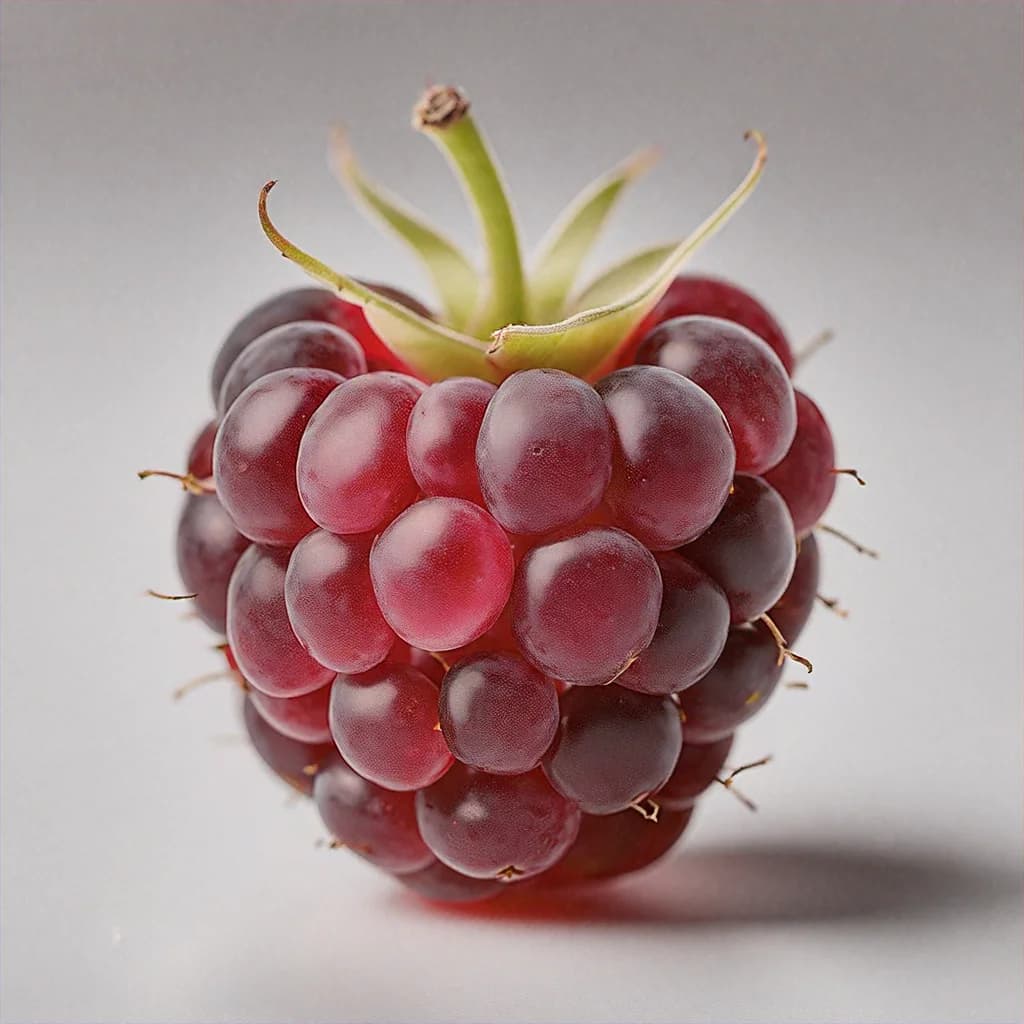
Riberry
Syzygium luehmannii
O Riberry, cientificamente conhecido como Syzygium luehmannii, é uma fruta deliciosa e rica em nutrientes, nativa da Austrália. Com sua cor vermelho-pink e sabor tangente, ligeiramente picante, semelhante ao canela, oferece uma experiência culinária única. As Riberries crescem em árvores de médio porte e são apreciadas não apenas pelo seu sabor distintivo, mas também pela sua rica composição de antioxidantes e nutrientes. Essas frutas são frequentemente usadas em conservas, molhos e bebidas, adicionando um toque de sabor e cor a pratos. Além de sua atração culinária, as Riberries são celebradas por seus benefícios para a saúde, incluindo uma alta concentração de vitamina C e fibra dietética. Sejam consumidas frescas, secas ou incorporadas em receitas, as Riberries são uma adição versátil e saudável a qualquer dieta.
Riberry Galeria de fotos
Explore Riberry em detalhes
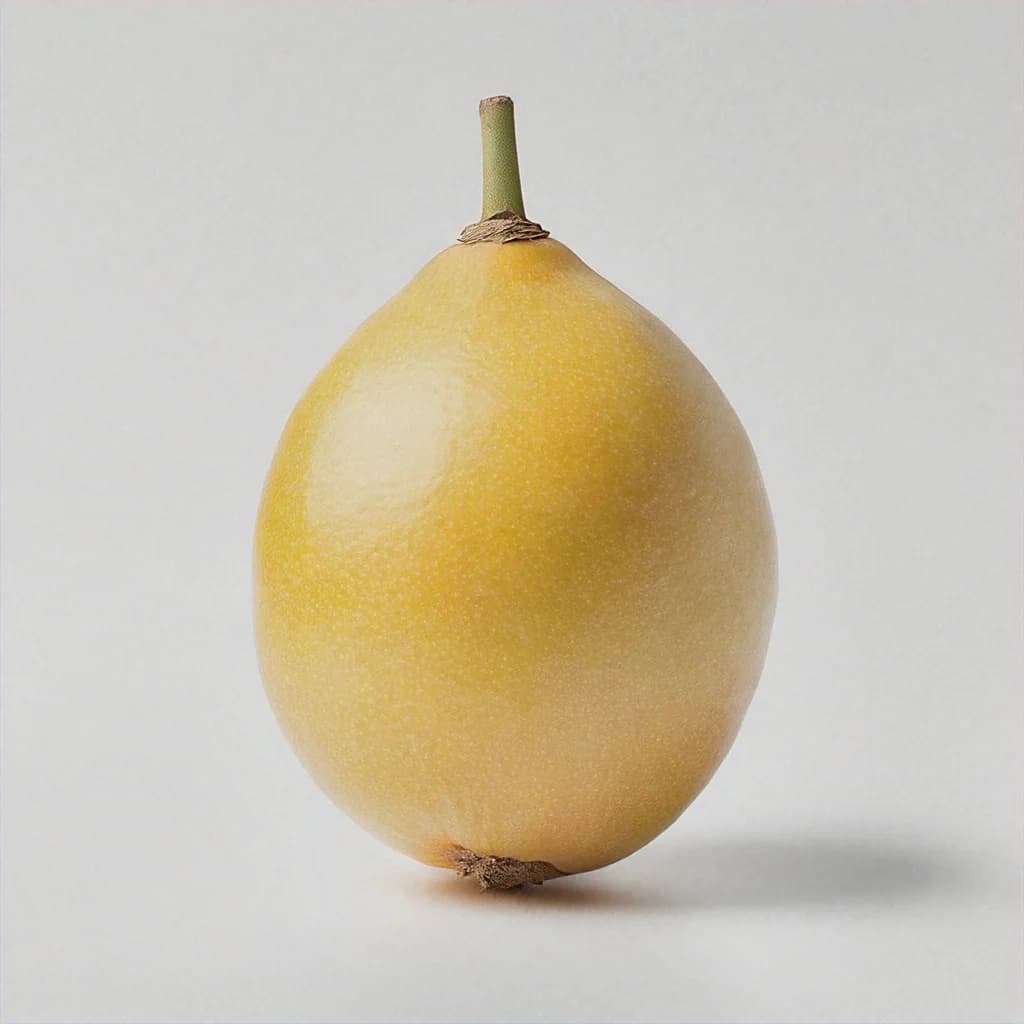
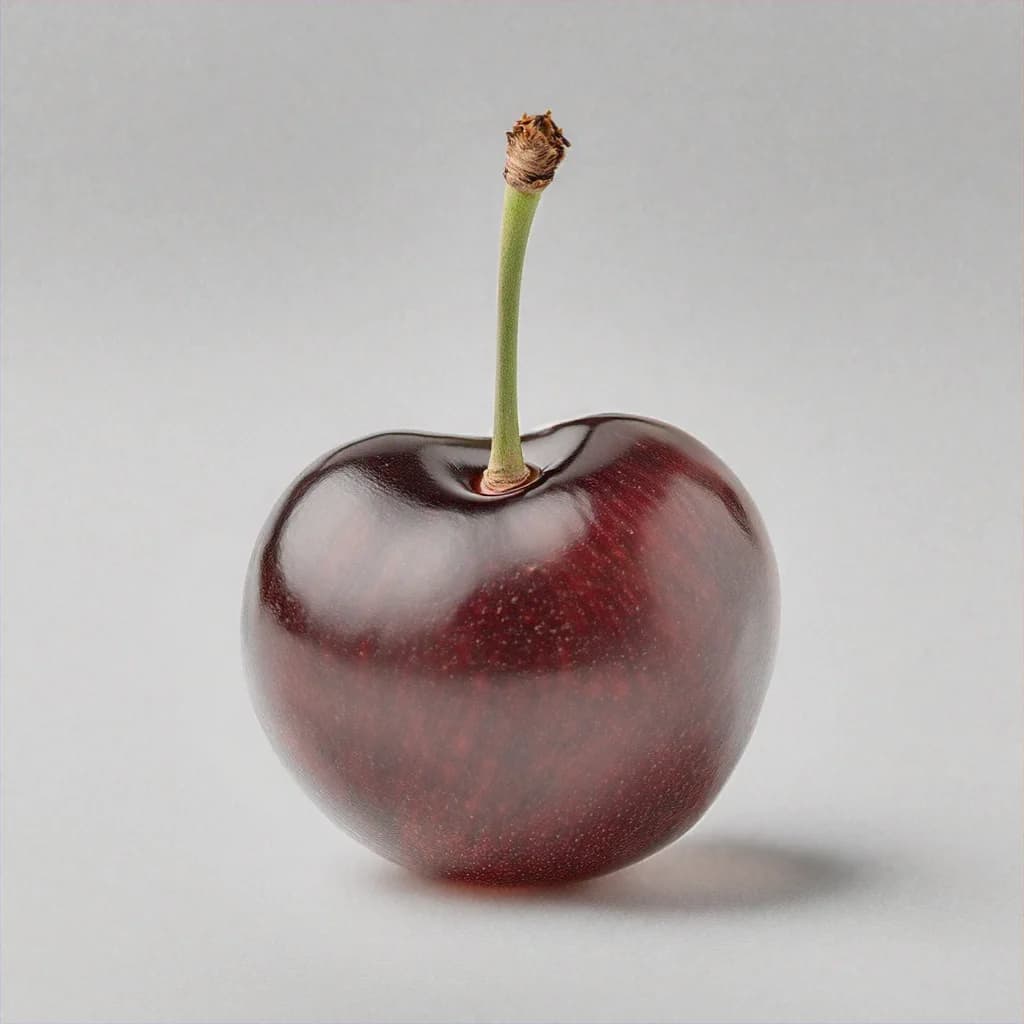
Riberry - Vista principal
Riberry Informações nutricionais
💊Vitaminas
Por 100 g
⚡Minerais
Por 100 g
Por porção
Detalhamento nutricional por porção
Benefícios para a saúde de Riberry
Riberry Origem e distribuição
Austrália
As Riberries têm sido uma fonte de alimento para os indígenas australianos há milhares de anos. Elas foram tradicionalmente usadas por suas propriedades medicinais e como alimento. Atualmente, as Riberries estão ganhando popularidade na culinária moderna por seu sabor único e benefícios para a saúde.
Riberry Melhor época
Final de primavera a início de verão
Riberry Variedades
Cada variedade oferece sabores, texturas e usos culinários únicos
Small Leaf Riberry
Riberry Guia de armazenamento e seleção
Mantenha a fruta fresca por mais tempo
Como escolher a fruta perfeita
Procure berries firmes, plumpas e com uma cor vermelho-pink vibrante.
Evite berries que estejam amolecidas, machucadas ou com fungo.
Métodos de armazenamento
Armazene Riberries frescas no refrigerador em um recipiente fechado.
Para armazenamento mais longo, as Riberries podem ser congeladas ou secas.
Guia de validade
Instruções para congelar
Preserve a frescura por meses
Lave e seque as Riberries cuidadosamente antes de congelar.
Coloque-as em um recipiente ou saco de congelamento hermético por até 6 meses.
Dica
Identifique itens congelados com a data para acompanhar a frescura. A maioria das frutas mantém a qualidade por 2-3 meses quando congelada corretamente. Para melhores resultados, use recipientes herméticos ou sacos próprios para congelador para evitar queimadura de freezer.
Jornada culinária
Descubra possibilidades deliciosas
Usos comuns
Combinações perfeitas
Receitas populares
Bebidas refrescantes
Informações de segurança
As Riberries não são conhecidas como um alérgeno comum, mas podem ocorrer sensibilidades individuais.
As Riberries são geralmente cultivadas com poucos pesticidas, tornando-as uma fruta de baixo risco para resíduos de pesticidas.
- • Pessoas com alergias conhecidas a frutas ou plantas relacionadas.
- • Pessoas que tomam medicamentos anticoagulantes devem consultar um profissional de saúde devido à alta concentração de vitamina C.
- •Consumo excessivo pode causar desconforto digestivo devido ao alto teor de fibra.
- •Interação potencial com medicamentos anticoagulantes devido ao alto teor de vitamina C.
- • Lave as Riberries cuidadosamente antes da ingestão para remover qualquer sujeira ou resíduo.
- • Evite comer Riberries não maduras ou danificadas para reduzir o risco de problemas digestivos.
Curiosidades sobre Riberry
Fatos surpreendentes que você vai amar!
As Riberries foram tradicionalmente usadas pelos indígenas australianos como fonte de alimento e para fins medicinais.
A árvore de Riberry também é conhecida como 'Cherry Satinash' ou 'Clove Lilli Pilli' devido ao seu sabor semelhante à canela.
As Riberries são frequentemente usadas na 'bush tucker', a culinária tradicional australiana.
Perguntas frequentes
Como é o sabor de uma Riberry?
GeralAs Riberries têm um sabor tangente com um toque picante semelhante à canela. Elas são refrescantes e ligeiramente azedas.
Como saber se uma Riberry está madura?
CompraRiberries maduras são firmes, plumpas e têm uma cor vermelho-pink vibrante. Evite berries que estejam moles, amolecidas ou com manchas.
As Riberries podem ser congeladas?
ArmazenamentoSim, as Riberries podem ser congeladas por até 6 meses. Lave e seque-as cuidadosamente antes de colocá-las em um recipiente ou saco de congelamento hermético.
Quais são alguns usos culinários populares para Riberries?
CulináriaAs Riberries são frequentemente usadas em conservas, molhos e bebidas. Elas também podem ser adicionadas a saladas, doces e doces para um sabor único.
As Riberries são ricas em açúcar?
NutriçãoAs Riberries têm um teor de açúcar moderado de 6,2 gramas por 100 gramas, tornando-as uma alternativa mais saudável para frutas mais doces.
As Riberries podem interagir com medicamentos?
SaúdeAs Riberries são geralmente seguras, mas sua alta concentração de vitamina C pode interagir com certos medicamentos, como anticoagulantes. Sempre consulte um profissional de saúde se tiver dúvidas.
As Riberries são sustentáveis para serem cultivadas?
MiscellâneaAs Riberries são consideradas uma fruta sustentável, pois são nativas da Austrália e requerem pouco água e pesticidas. Elas também são resistentes à seca.