Bacaba
Oenocarpus bacaba
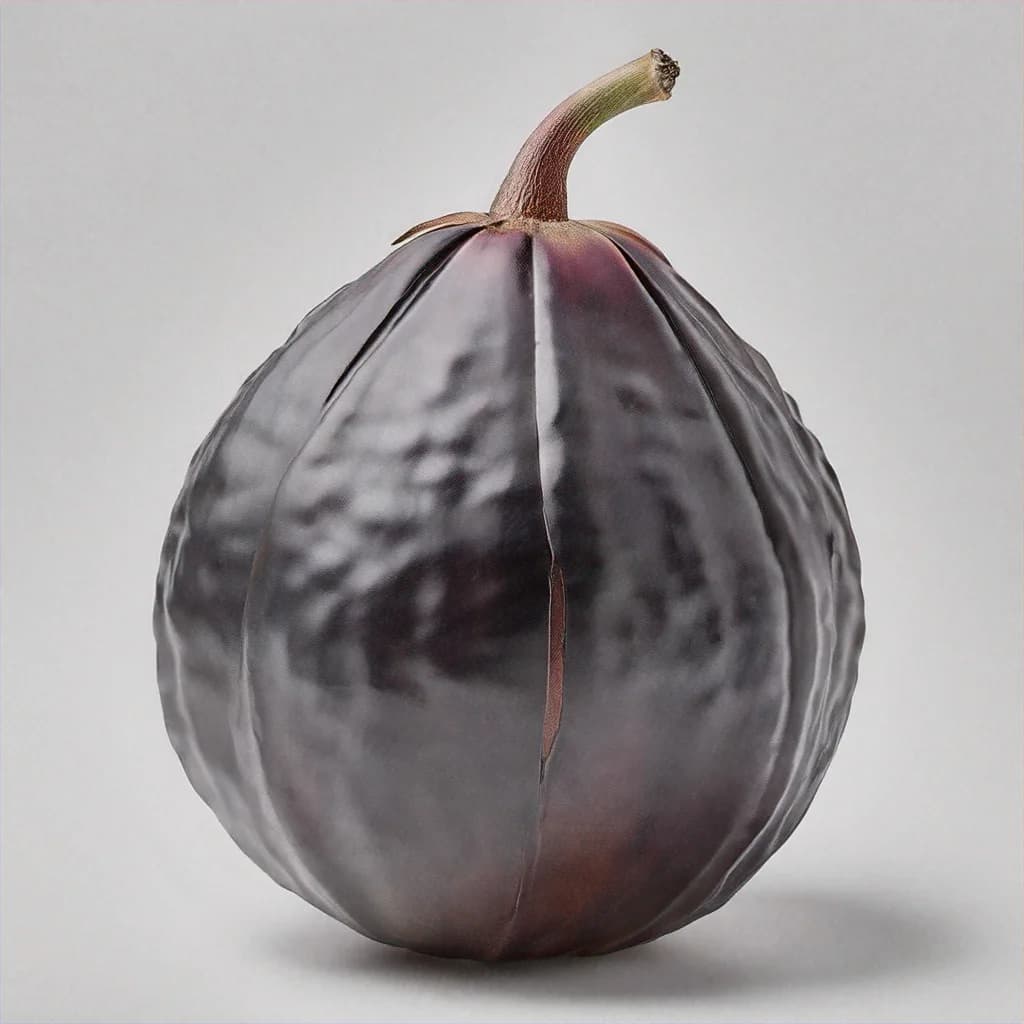
Bacaba, scientifically known as Oenocarpus bacaba, is a tropical fruit native to the Amazon rainforest. Its distinctive purple-black skin and juicy, creamy pulp make it a standout in both flavor and nutritional value. Bacaba is renowned for its rich, slightly acidic taste, which is often described as a blend of apricot and pineapple. The fruit grows on tall, slender palm trees and is harvested primarily for its nutritious pulp, which is used in juices, desserts, and traditional Amazonian cuisine. Beyond its culinary appeal, Bacaba is celebrated for its high antioxidant content and vitamin-rich profile, making it a staple in health-conscious diets.
Bacaba Galeria de fotos
Explore Bacaba em detalhes
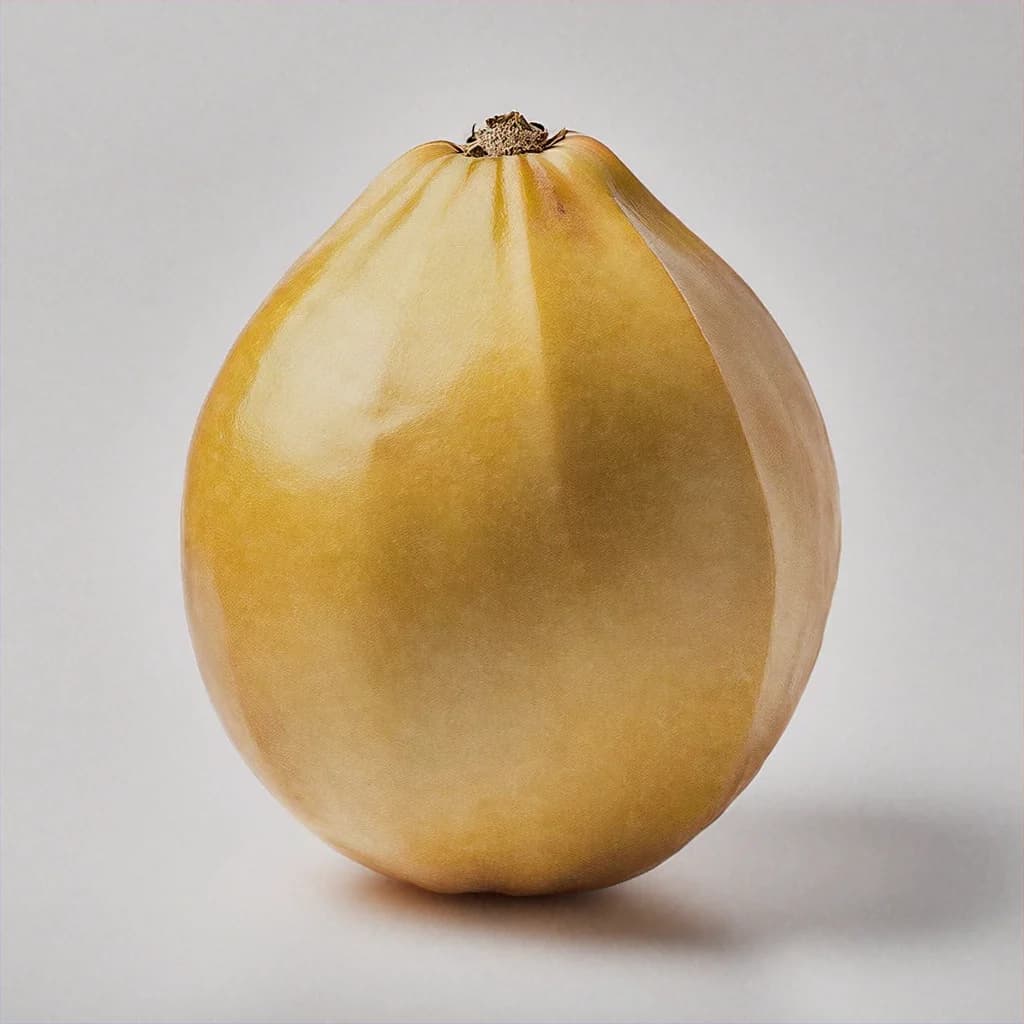
Bacaba - Vista principal
Bacaba Informações nutricionais
💊Vitaminas
Por 100 g
⚡Minerais
Por 100 g
Por porção
Detalhamento nutricional por porção
Benefícios para a saúde de Bacaba
Bacaba Origem e distribuição
Amazon Rainforest
Bacaba has been cultivated for centuries by indigenous communities in the Amazon, valued for its nutritional and medicinal properties.
Bacaba Melhor época
Year-round in tropical climates
Bacaba Variedades
Cada variedade oferece sabores, texturas e usos culinários únicos
Oenocarpus bacaba var. bacaba
Bacaba Guia de armazenamento e seleção
Mantenha a fruta fresca por mais tempo
Como escolher a fruta perfeita
Select fruits with firm, unblemished skin.
Choose fruits with a deep purple-black color for ripeness.
Métodos de armazenamento
Store at room temperature for up to 3 days.
Refrigerate to extend shelf life to 7 days.
Guia de validade
Instruções para congelar
Preserve a frescura por meses
Freeze the pulp in airtight containers for up to 3 months.
Thaw in the refrigerator before using.
Dica
Identifique itens congelados com a data para acompanhar a frescura. A maioria das frutas mantém a qualidade por 2-3 meses quando congelada corretamente. Para melhores resultados, use recipientes herméticos ou sacos próprios para congelador para evitar queimadura de freezer.
Jornada culinária
Descubra possibilidades deliciosas
Usos comuns
Combinações perfeitas
Receitas populares
Bebidas refrescantes
Informações de segurança
Individuals with allergies to tropical fruits should exercise caution when consuming Bacaba.
Bacaba is typically grown in its natural environment with minimal pesticide use.
- • People with known allergies to tropical fruits
- •Possible allergic reactions in sensitive individuals.
- • Wash the fruit thoroughly before consuming.
- • Ensure the pulp is free of seeds before blending or juicing.
Curiosidades sobre Bacaba
Fatos surpreendentes que você vai amar!
Bacaba is often referred to as the 'wine palm' due to the fermented beverage made from its fruit.
The fruit is a vital part of the diet for many indigenous communities in the Amazon.
Perguntas frequentes
What does Bacaba taste like?
GeneralBacaba has a unique flavor profile, often described as a blend of apricot and pineapple, with a slightly acidic tang.
How do I select a ripe Bacaba?
BuyingLook for fruits with deep purple-black skin and a firm texture. Avoid fruits with blemishes or soft spots.
Can Bacaba be frozen?
StorageYes, the pulp can be frozen in airtight containers for up to 3 months. Thaw in the refrigerator before using.
What are some popular culinary uses for Bacaba?
CulinaryBacaba is commonly used in juices, smoothies, and desserts like sorbets and ice creams.
Is Bacaba high in sugar?
NutritionBacaba contains about 12.7g of sugar per 100g, which is moderate compared to other tropical fruits.
Does Bacaba have any health risks?
HealthBacaba is generally safe for consumption. However, individuals with allergies to tropical fruits should exercise caution.
Where is Bacaba primarily grown?
MiscellaneousBacaba is native to the Amazon Rainforest and is primarily cultivated in Brazil, Peru, and Colombia.