Pitaya Azul
Hylocereus costaricensis (blue-skinned variant)
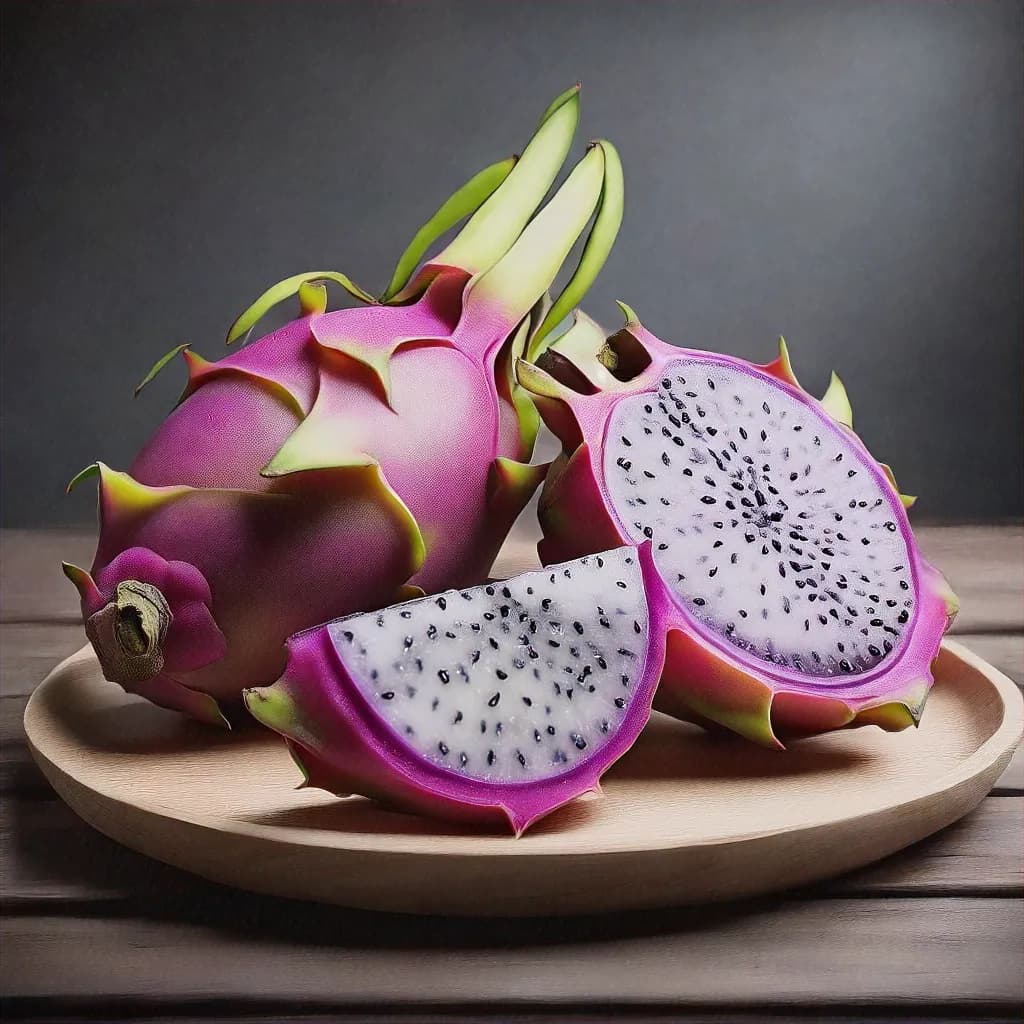
A pitaya azul é uma variante rara e visualmente impressionante da fruta-do-dragão de polpa vermelha (Hylocereus costaricensis), apreciada por sua casca azul-roxa vibrante e sabor suavemente doce, semelhante ao kiwi. Ao contrário das versões vermelha ou branca, a pitaya azul possui uma casca mais espessa e texturizada, com tons sutis de azul, muitas vezes com acenos de rosa ou roxo. A polpa interna varia do magenta profundo ao violeta, salpicada com pequenas sementes pretas comestíveis que adicionam uma leve crocância. Nativa da América Central e do Sul, mas agora cultivada em regiões tropicais ao redor do mundo, essa fruta cresce em cactos trepadores que florescem apenas à noite, ganhando o apelido de 'flor-da-lua'. Seu sabor é suavemente doce com um toque de acidez, tornando-a versátil em pratos crus e cozidos. Rica em antioxidantes, fibras e vitaminas essenciais, a pitaya azul não é apenas um prazer visual, mas também um poderoso alimento funcional, com benefícios como melhora da digestão, suporte imunológico e saúde da pele. Sua aparência única e propriedades nutricionais a tornaram uma escolha popular em bowls de smoothie, sobremesas e pratos de frutas exóticas, atraindo tanto chefs gourmet quanto consumidores conscientes da saúde.
Pitaya Azul Galeria de fotos
Explore Pitaya Azul em detalhes
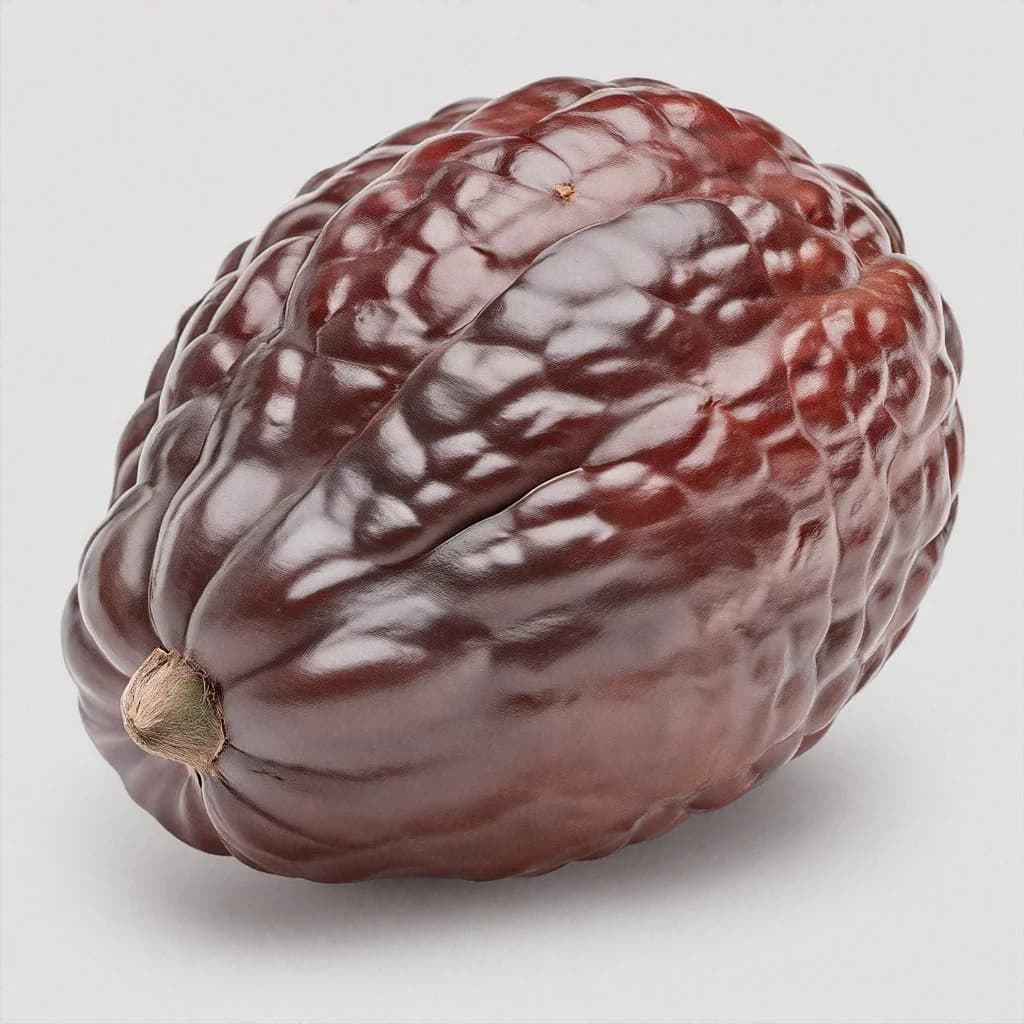
Pitaya Azul - Vista principal
Pitaya Azul Informações nutricionais
💊Vitaminas
Por 100 g
⚡Minerais
Por 100 g
Por porção
Detalhamento nutricional por porção
Benefícios para a saúde de Pitaya Azul
Pitaya Azul Origem e distribuição
América Central (especificamente Costa Rica e Nicarágua)
A pitaya azul, uma variante do Hylocereus costaricensis, tem origem nas florestas tropicais da América Central, onde foi cultivada inicialmente por comunidades indígenas por suas propriedades nutricionais e medicinais. A fruta foi introduzida na Ásia Sudeste no início do século XX, onde ganhou popularidade por sua adaptação a climas áridos e alto rendimento. O Vietnã emergiu como principal produtor mundial na década de 1980, aproveitando suas condições ideais de cultivo e políticas de exportação favoráveis. A variante de casca azul, embora mais rara que as versões vermelha ou branca, ganhou destaque nos mercados globais por sua aparência impactante e benefícios percebidos à saúde. Hoje, é um item essencial em mercados de frutas exóticas, lanchonetes de smoothie e gastronomia gourmet, simbolizando inovação culinária e a globalização da agricultura tropical.
Pitaya Azul Melhor época
Ano inteiro em climas tropicais, com pico de produção no verão e início do outono.
Pitaya Azul Variedades
Cada variedade oferece sabores, texturas e usos culinários únicos
Blue Hylocereus costaricensis
Red-Fleshed Hylocereus costaricensis (for comparison)
Pitaya Azul Guia de armazenamento e seleção
Mantenha a fruta fresca por mais tempo
Como escolher a fruta perfeita
Escolha frutas com casca azul-roxa vibrante, sem manchas, amassados ou áreas moles, que indicam excesso de maturação ou deterioração.
Pressione suavemente a fruta; ela deve ceder levemente, mas não ficar pastosa. Uma fruta firme pode precisar de um ou dois dias para amadurecer.
Procure frutas com casca de cor uniforme e brilhante. Manchas opacas ou descoloridas podem indicar qualidade ruim ou idade avançada.
Verifique a extremidade do talo; ele deve estar seco e sem mofo. Um talo úmido ou com mofo indica que a fruta está passada.
Cheire a fruta; uma pitaya azul madura tem aroma suave e doce. Um cheiro azedo ou estranho indica deterioração.
Métodos de armazenamento
Armazene a pitaya azul inteira em temperatura ambiente por 1-2 dias se precisar amadurecer. Após madura, leve à geladeira em saco plástico por até 5 dias.
Mantenha a fruta longe de frutas que produzem etileno, como bananas e maçãs, pois isso acelera a maturação e a deterioração.
Se a fruta estiver cortada, envolva a polpa firmemente com filme plástico ou armazene em recipiente hermético para evitar oxidação e ressecamento.
Para armazenamento prolongado, retire a polpa e congele em camada única em uma assadeira antes de transferir para saco à prova de congelamento por até 3 meses.
Guia de validade
Instruções para congelar
Preserve a frescura por meses
Corte a fruta ao meio, retire a polpa e descarte a casca. Congele a polpa em camada única em uma assadeira para evitar grumos.
Após congelada, transfira os pedaços para saco ou recipiente à prova de congelamento, removendo o máximo de ar possível para evitar queimaduras por congelamento.
A pitaya azul congelada é melhor usada dentro de 3 meses para manter sabor e textura ideais, perfeita para smoothies, sorvetes ou descongelada para saladas de frutas.
Dica
Identifique itens congelados com a data para acompanhar a frescura. A maioria das frutas mantém a qualidade por 2-3 meses quando congelada corretamente. Para melhores resultados, use recipientes herméticos ou sacos próprios para congelador para evitar queimadura de freezer.
Jornada culinária
Descubra possibilidades deliciosas
Usos comuns
Combinações perfeitas
Receitas populares
Bebidas refrescantes
Informações de segurança
A pitaya azul não é comumente associada a reações alérgicas graves, mas algumas pessoas podem experimentar sintomas leves, especialmente aqueles com sensibilidade a plantas do cacto ou outras frutas tropicais. Os sintomas podem incluir coceira, inchaço, urticária ou desconforto digestivo. Se você tem alergia conhecida a plantas da família Cactaceae (por exemplo, pêra espinhosa), tenha cautela ao experimentar a pitaya pela primeira vez. Como com qualquer novo alimento, comece com uma pequena porção para monitorar a resposta do corpo.
A pitaya cultivada convencionalmente pode conter resíduos de pesticidas, especialmente em regiões com regulamentações agrícolas menos rigorosas. Para minimizar a exposição, opte por pitaya orgânica sempre que possível, ou lave bem a fruta sob água corrente antes do consumo. Descascar a casca também reduz resíduos de pesticidas, embora a casca não seja tipicamente consumida.
- • Indivíduos com alergia conhecida a plantas do cacto ou frutas tropicais.
- • Pessoas com sistemas digestivos sensíveis que podem experimentar inchaço ou gases devido ao alto teor de fibras da fruta.
- • Pessoas com cálculos renais ou histórico de problemas relacionados a oxalatos, pois a pitaya contém pequenas quantidades de oxalatos, que podem contribuir para a formação de cálculos em indivíduos suscetíveis.
- •Desconforto digestivo (inchaço, gases ou diarreia) devido ao alto teor de fibras, especialmente quando consumida em grandes quantidades.
- •Alterações inofensivas, mas visíveis, na cor da urina ou das fezes (rosa ou avermelhada) devido aos pigmentos naturais (betalainas) da fruta.
- •Reações alérgicas leves, como coceira, inchaço ou urticária, em indivíduos sensíveis.
- • Sempre lave a fruta cuidadosamente com água fria para remover sujeira, bactérias ou resíduos de pesticidas antes de cortar ou consumir.
- • Use uma faca e tábua de corte limpas para evitar contaminação cruzada, especialmente ao preparar a fruta junto com carnes cruas ou outros itens perecíveis.
- • Descarte qualquer fruta que pareça mofo, muito macia ou tenha cheiro estranho, pois são sinais de deterioração.
- • Armazene pitaya cortada em recipiente hermético na geladeira para evitar crescimento bacteriano e oxidação.
Curiosidades sobre Pitaya Azul
Fatos surpreendentes que você vai amar!
A pitaya azul é uma das poucas frutas que floresce à noite, ganhando o apelido de 'flor-da-lua' ou 'rainha da noite'. Suas flores grandes e perfumadas abrem após o pôr do sol e murcham pela manhã, dependendo de polinizadores noturnos como morcegos e mariposas.
O tom azul-roxo vibrante da casca é devido às betalaínas, os mesmos pigmentos encontrados nas beterrabas. Esses compostos são raros no reino vegetal e conhecidos por suas propriedades antioxidantes e anti-inflamatórias potentes.
Plantas de pitaya podem viver até 20 anos e produzir frutos várias vezes por ano sob condições ideais, tornando-as uma cultura sustentável para agricultores tropicais.
Na cultura vietnamita, a pitaya é frequentemente oferecida durante o Ano Novo Lunar (Tết) como símbolo de prosperidade e boa sorte, por sua cor vibrante e associação com dragões, criaturas míticas reverenciadas no folclore asiático.
As pequenas sementes pretas dentro da pitaya azul não são apenas comestíveis, mas também ricas em ácidos graxos ômega-3 e ômega-6, contribuindo para a saúde cardíaca e hidratação da pele.
Apesar de sua aparência exótica, a pitaya azul é relativamente baixa em calorias (57 kcal por 100g) e gordura (0,4g por 100g), tornando-a um lanche sem culpa para consumidores conscientes da saúde.
Perguntas frequentes
A pitaya azul é diferente da pitaya comum?
GeralSim, a pitaya azul é uma variante rara do Hylocereus costaricensis, distinta por sua casca azul-roxa e polpa magenta a violeta. Embora compartilhe o mesmo nome científico da variedade de polpa vermelha, sua cor da casca e sabor ligeiramente mais suave a diferenciam. A variante azul é menos comum e frequentemente valorizada por sua aparência impactante, embora seu perfil nutricional seja semelhante às outras variedades, oferecendo antioxidantes, fibras e vitamina C. Ambas as variedades crescem em cactos trepadores e prosperam em climas tropicais, mas a pitaya azul é especialmente procurada por seu apelo visual em aplicações culinárias.
Como se come a pitaya azul?
PreparaçãoComer pitaya azul é simples e similar às versões vermelha ou branca. Comece lavando a fruta com água fria para remover sujeira ou resíduos. Corte-a ao meio no sentido do comprimento e use uma colher para retirar a polpa, descartando a casca. A polpa pode ser consumida assim, adicionada a saladas de frutas ou batida em smoothies. Para uma abordagem mais criativa, pique a polpa e misture com iogurte, aveia ou pudim de chia. Você também pode usá-la como guarnição para coquetéis, sobremesas ou pratos salgados como ceviche. As sementes pretas são comestíveis e adicionam uma leve crocância, semelhante às sementes de kiwi. Evite comer a casca, pois é dura e não é palatável.
Como é o sabor da pitaya azul?
GeralA pitaya azul tem um sabor suave e levemente doce, com um toque de acidez, frequentemente descrito como uma mistura entre kiwi e pêra. Sua textura é macia e levemente cremosa, similar ao kiwi maduro, com pequenas sementes comestíveis que adicionam crocância. Em comparação com a pitaya vermelha, a variante azul tende a ser menos doce e mais delicada, tornando-a versátil em pratos doces e salgados. O sabor pode variar ligeiramente conforme a maturação, com frutas mais maduras sendo mais doces e macias. Seu perfil de sabor suave a torna um excelente base para combinações com citrinos, coco ou frutas vermelhas em smoothies, saladas ou sobremesas.
A pitaya azul é boa para emagrecer?
SaúdeSim, a pitaya azul pode ser uma adição valiosa a uma dieta de emagrecimento por seu baixo teor calórico (57 kcal por 100g) e alto teor de fibras (3g por 100g, ou 11% DV). As fibras promovem saciedade, ajudando a sentir-se mais tempo satisfeito e reduzindo a ingestão calórica total. Além disso, seu baixo índice glicêmico (48) e carga glicêmica (6) ajudam a estabilizar os níveis de açúcar no sangue, evitando picos e quedas que causam desejo por alimentos. Seu alto teor de água (84g por 100g) também contribui para hidratação e saciedade. Embora nenhum alimento单独 cause emagrecimento, incluir pitaya azul em uma dieta equilibrada pode apoiar o controle de peso, fornecendo nutrientes essenciais sem calorias ou gorduras extras.
Você pode cultivar pitaya azul em casa?
CiênciaSim, é possível cultivar pitaya azul em casa, embora exija condições específicas para prosperar. A planta, Hylocereus costaricensis, é um cacto trepador que prefere climas quentes e tropicais, solo bem drenado e muita luz solar. Para cultivar em casa, comece com um corte de planta madura ou compre uma muda em um viveiro. Plante em um vaso grande ou diretamente no solo em local ensolarado, usando uma treliça ou suporte para as vinhas treparem. Regue moderadamente, permitindo que o solo seque entre as regas para evitar apodrecimento das raízes. Plantas de pitaya florescem à noite e requerem polinização, frequentemente por morcegos ou mariposas, embora a polinização manual possa ser necessária em algumas regiões. Com cuidado adequado, a planta pode produzir frutos em 1-2 anos, embora a variante de casca azul seja mais difícil de encontrar que as versões vermelha ou branca comuns.
Quais são os efeitos colaterais de comer pitaya azul?
SaúdeA pitaya azul é geralmente segura para a maioria das pessoas quando consumida com moderação, mas algumas pessoas podem experimentar efeitos colaterais leves. O alto teor de fibras (3g por 100g) pode causar desconforto digestivo, como inchaço, gases ou diarreia, especialmente se consumida em grandes quantidades ou por pessoas com sistemas digestivos sensíveis. Além disso, os pigmentos naturais (betalainas) podem causar alterações inofensivas, mas visíveis, na cor da urina ou das fezes, tornando-as rosa ou avermelhadas. Embora raro, algumas pessoas podem ter reação alérgica à pitaya, com sintomas como coceira, inchaço ou urticária. Se você tem alergia conhecida a plantas do gênero Cactaceae ou outras frutas tropicais, tenha cautela ao experimentar a pitaya pela primeira vez. Como com qualquer novo alimento, é melhor introduzi-la gradualmente para monitorar a resposta do corpo.
Como a pitaya azul se compara ao açaí em termos de antioxidantes?
CiênciaA pitaya azul e o açaí são ambos ricos em antioxidantes, mas diferem em seus compostos específicos e concentrações. A pitaya azul contém betalaínas, um grupo de pigmentos responsáveis por sua cor magenta profunda, que exibem propriedades anti-inflamatórias e desintoxicantes fortes. Também fornece flavonoides, vitamina C (10% DV por 100g) e polifenóis, contribuindo para seu perfil antioxidante. O açaí, por outro lado, é conhecido por seu alto teor de antocianinas, que dão sua cor roxa intensa e efeitos antioxidantes potentes, frequentemente medidos por seu escore ORAC (Capacidade de Absorção de Radicais de Oxigênio). Embora o açaí geralmente tenha um escore ORAC mais alto, a pitaya azul oferece uma gama mais ampla de antioxidantes, incluindo betalaínas, que são raras no reino vegetal e encontradas apenas em certos cactos e beterrabas. Ambas as frutas apoiam a saúde celular, mas a pitaya azul pode ser mais acessível e versátil em aplicações culinárias por seu sabor mais suave e textura.