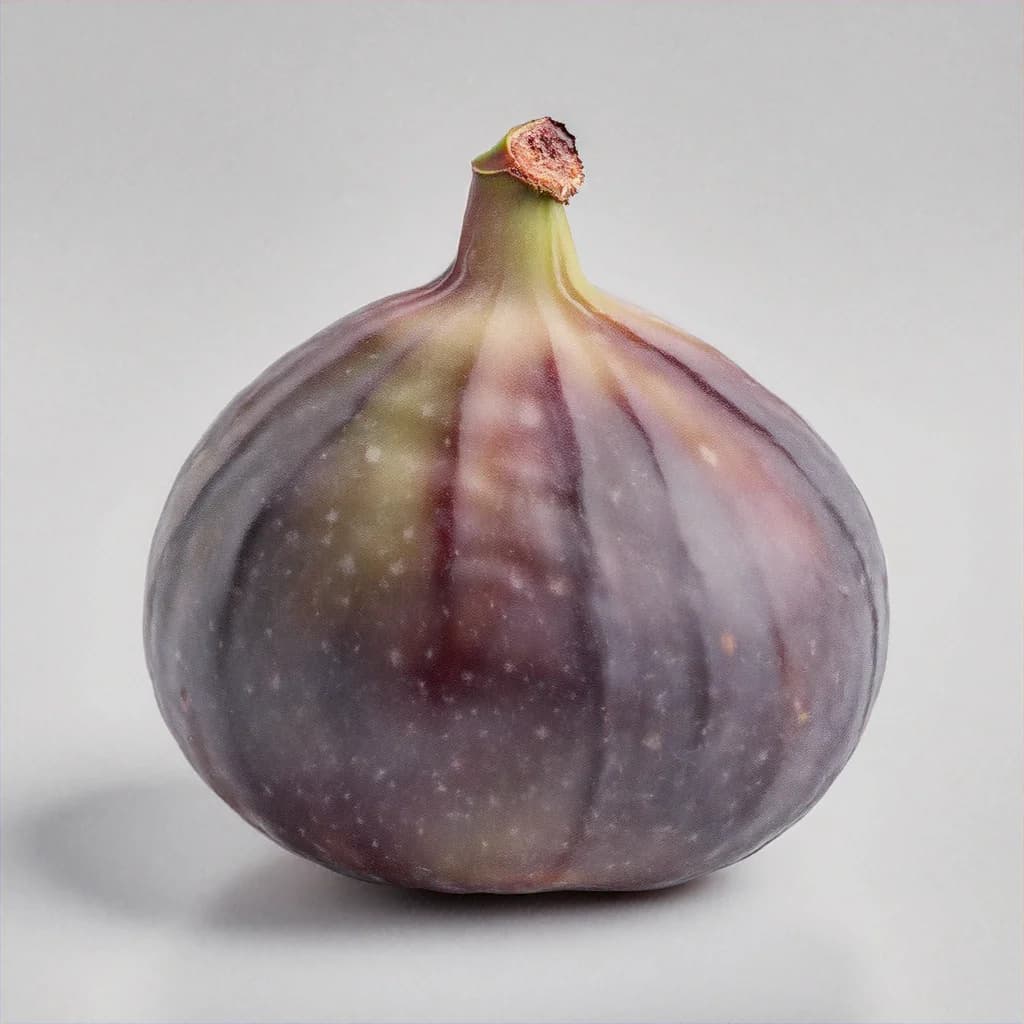
African Fig
Ficus sycomorus
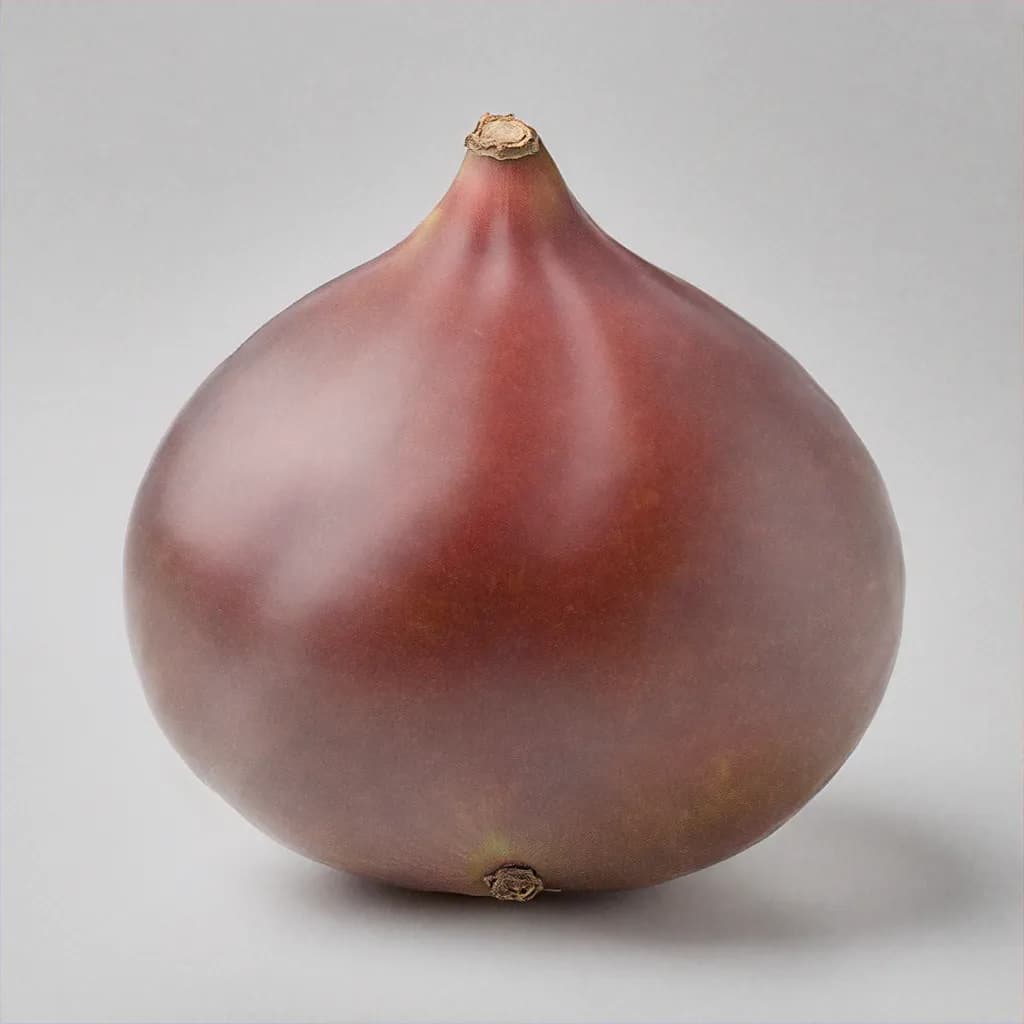
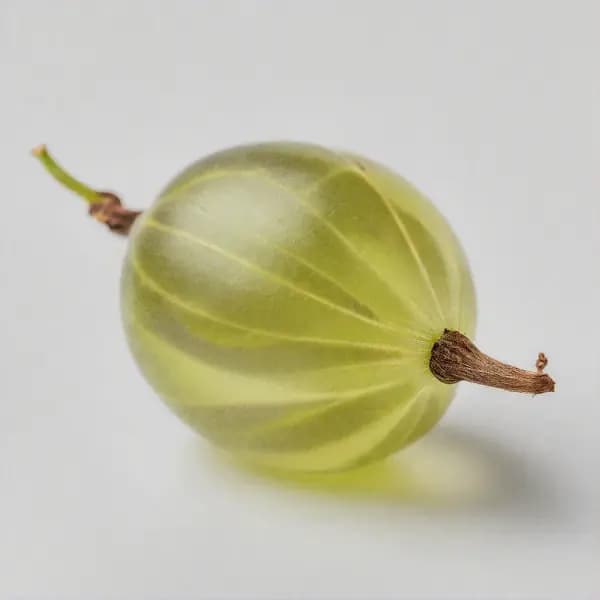
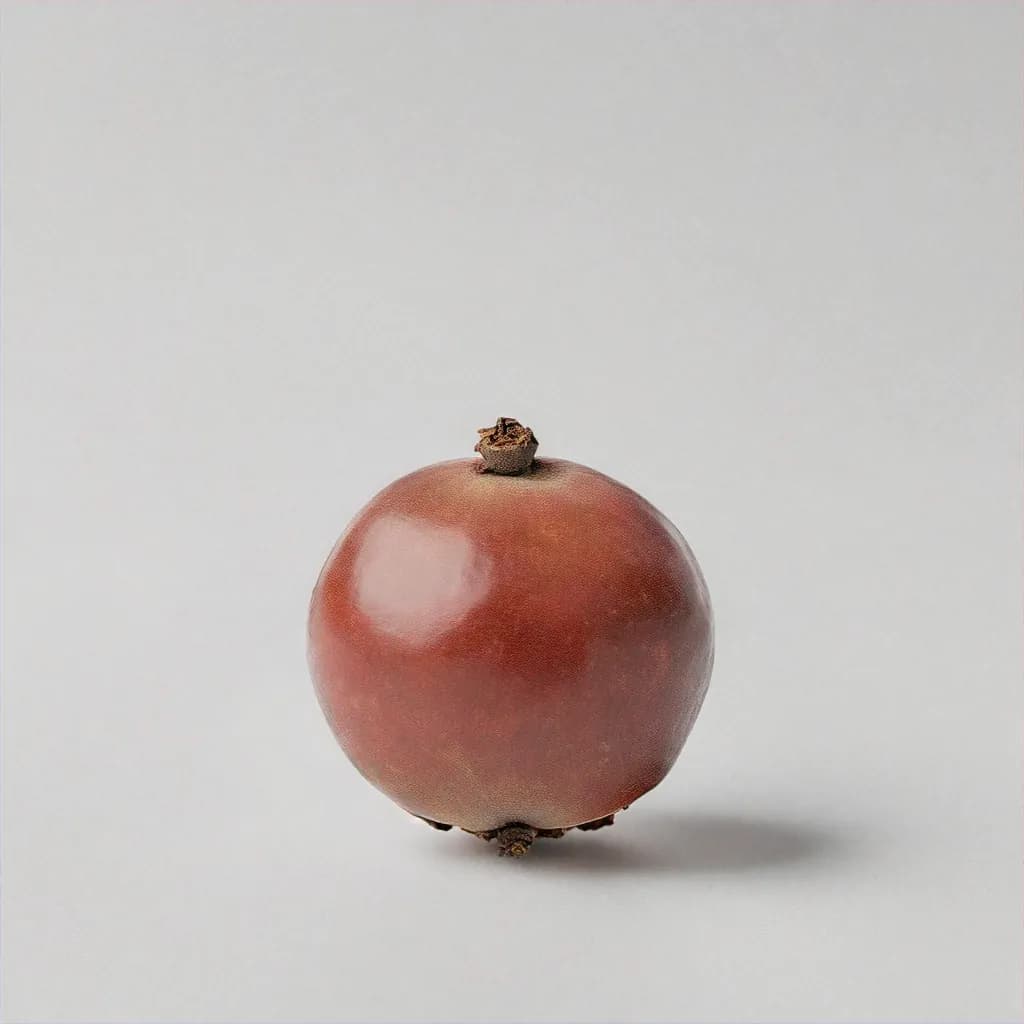
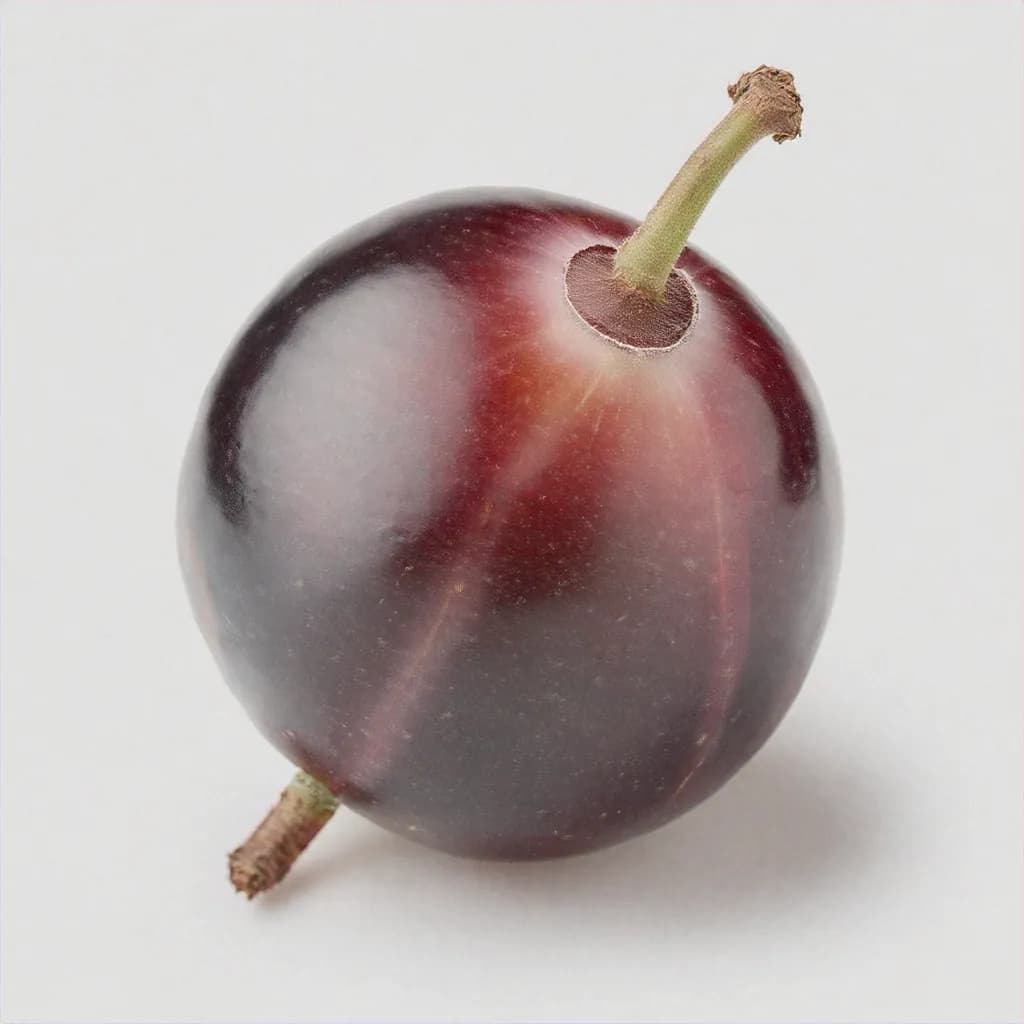
The African Fig, scientifically known as Ficus sycomorus, is a fascinating and culturally significant fruit native to Africa and parts of the Middle East. This evergreen tree bears small, round fruits that range from green to yellowish-brown when ripe. The fruit’s texture is soft and slightly grainy, with a mildly sweet flavor reminiscent of a blend between a fig and a pear. Rich in history, the African Fig has been cultivated for centuries and is referenced in ancient texts, including the Bible. Nutritionally, it is a powerhouse of vitamins, minerals, and antioxidants, making it a valuable addition to traditional diets. Whether consumed fresh, dried, or incorporated into culinary dishes, the African Fig offers both versatility and health benefits, making it a cherished fruit in many cultures.
African Fig Galeria de fotos
Explore African Fig em detalhes
African Fig - Vista principal
African Fig Informações nutricionais
💊Vitaminas
Por 100 g
⚡Minerais
Por 100 g
Por porção
Detalhamento nutricional por porção
Benefícios para a saúde de African Fig
African Fig Origem e distribuição
Africa and parts of the Middle East
The African Fig has been cultivated for thousands of years and is culturally significant in many African and Middle Eastern societies. It is mentioned in ancient texts, including the Bible, and was revered for its nutritional and medicinal properties.
African Fig Melhor época
March to September
African Fig Variedades
Cada variedade oferece sabores, texturas e usos culinários únicos
Common African Fig
African Fig Guia de armazenamento e seleção
Mantenha a fruta fresca por mais tempo
Como escolher a fruta perfeita
Select figs that are plump and slightly soft to the touch.
Avoid figs with bruises, blemishes, or a shriveled appearance.
Métodos de armazenamento
Store ripe figs in the refrigerator to extend their shelf life.
Keep them in a breathable container or paper bag to prevent moisture buildup.
Guia de validade
Instruções para congelar
Preserve a frescura por meses
Wash and dry figs thoroughly before freezing.
Freeze whole or sliced in an airtight container for up to 6 months.
Dica
Identifique itens congelados com a data para acompanhar a frescura. A maioria das frutas mantém a qualidade por 2-3 meses quando congelada corretamente. Para melhores resultados, use recipientes herméticos ou sacos próprios para congelador para evitar queimadura de freezer.
Jornada culinária
Descubra possibilidades deliciosas
Usos comuns
Combinações perfeitas
Receitas populares
Bebidas refrescantes
Informações de segurança
Allergies to African Figs are rare but possible. Individuals with known fig allergies should avoid consumption.
African Figs are generally low in pesticide residues, but it is still advisable to wash them thoroughly before consumption.
- • Individuals with fig allergies
- • People on potassium-restricted diets
- •Mild gastrointestinal discomfort if consumed in excess
- •Possible allergic reactions in sensitive individuals
- • Wash figs thoroughly before eating.
- • Avoid consuming unripe figs, as they may cause stomach upset.
Curiosidades sobre African Fig
Fatos surpreendentes que você vai amar!
The African Fig is one of the oldest cultivated fruits, with references dating back to ancient Egyptian times.
In some cultures, the African Fig is considered a sacred tree and is planted near temples and sacred sites.
Perguntas frequentes
What does the African Fig taste like?
GeneralThe African Fig has a mildly sweet flavor with a slightly grainy texture, similar to a blend of fig and pear.
How do I know if an African Fig is ripe?
BuyingA ripe African Fig will be slightly soft to the touch and have a yellowish-brown color. Avoid figs that are too firm or have a greenish hue.
How long do African Figs last in the refrigerator?
StorageRipe African Figs can last up to 7 days in the refrigerator when stored properly.
Can African Figs be used in baking?
CulinaryYes, both fresh and dried African Figs can be used in baking to add natural sweetness and texture to recipes.
Are African Figs high in sugar?
NutritionWhile African Figs contain natural sugars, their glycemic index is relatively low, making them a healthier option for blood sugar management.
Do African Figs interact with medications?
HealthThere are no known significant interactions with medications, but individuals on potassium-restricted diets should consume them in moderation.
Can African Figs be grown at home?
MiscellaneousYes, African Fig trees can be grown in warm climates with adequate sunlight and watering.