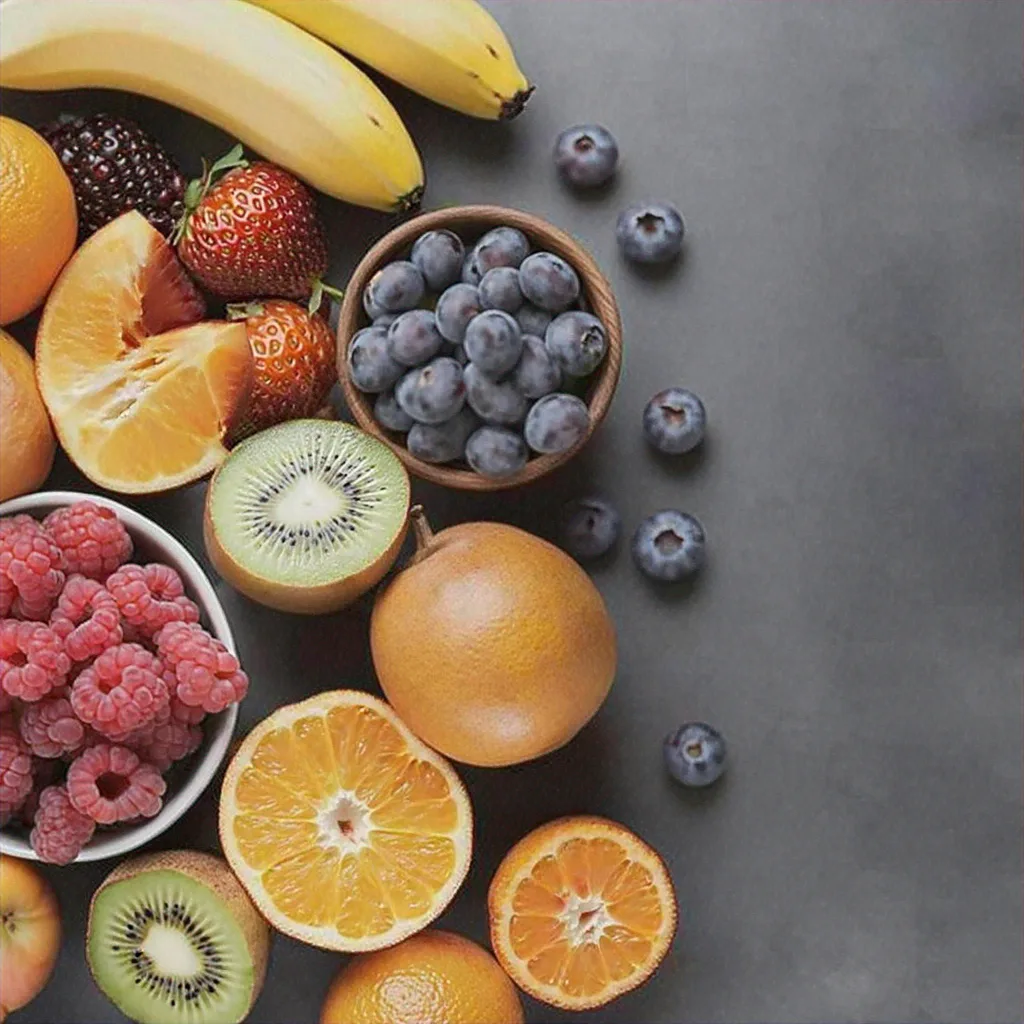
A strong immune system is your body’s first line of defense against illnesses, and Vitamin A plays a crucial role in keeping it robust. While often associated with vegetables like carrots and sweet potatoes, many fruits are also packed with this essential nutrient, particularly in the form of beta-carotene, which your body converts into active Vitamin A. Unlike supplements or animal sources, Vitamin A from fruits is non-toxic, even in high doses, making them a safe and delicious way to meet your daily needs. In this guide, we’ll explore the top Vitamin A-rich fruits, their immune-boosting benefits, and practical tips to incorporate them into your meals for maximum absorption and health benefits.
What Is Vitamin A and Why Is It Essential for Immunity?
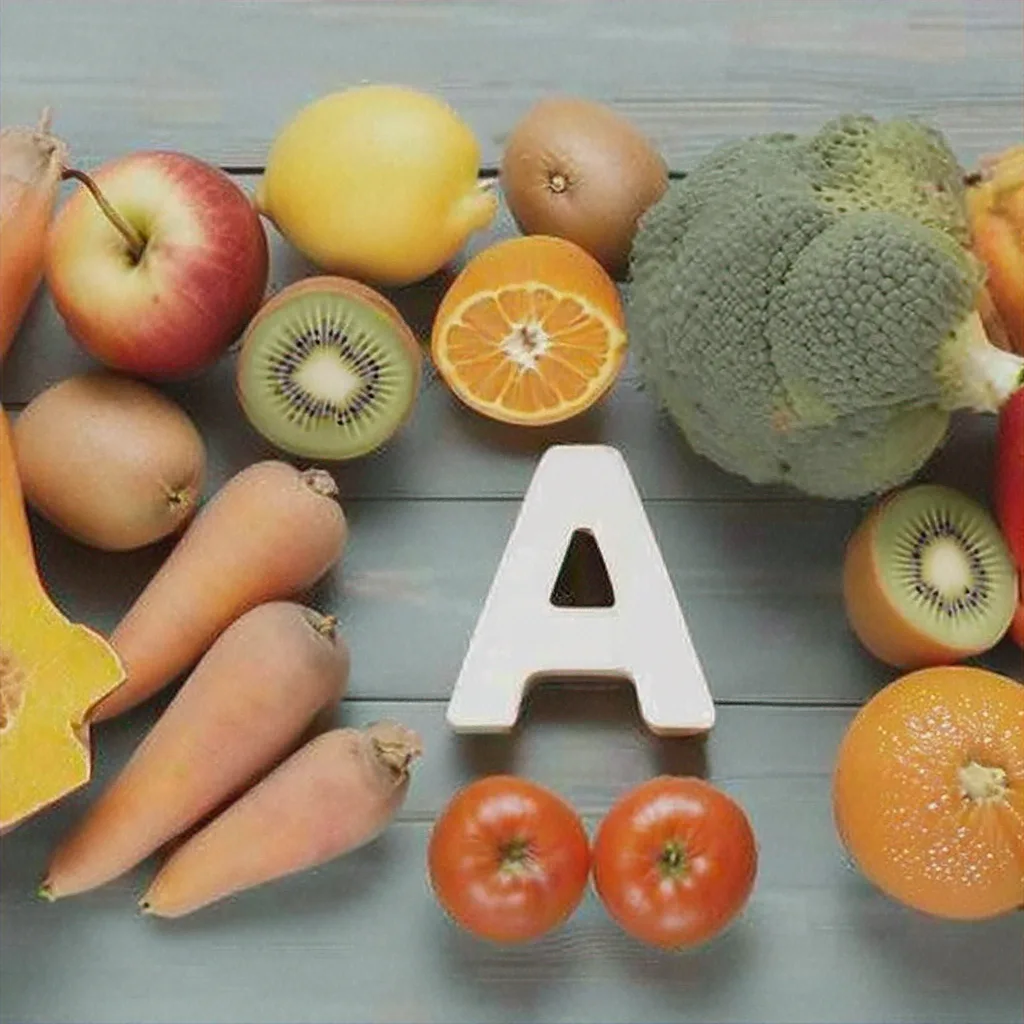
Vitamin A is a fat-soluble nutrient that supports vision, skin health, and most importantly, immune function. It plays a vital role in the production and function of white blood cells, which are key to fighting infections. Without adequate Vitamin A, your body becomes more susceptible to illnesses, as it struggles to mount an effective immune response. Vitamin A comes in two forms: preformed Vitamin A (found in animal products) and provitamin A carotenoids (found in plant-based foods like fruits). Fruits provide beta-carotene, a type of carotenoid that your body converts into active Vitamin A as needed. This makes fruits an excellent, safe source, as excess beta-carotene is simply stored or excreted, unlike preformed Vitamin A, which can be toxic in high doses. For immune support, Vitamin A helps maintain the integrity of mucosal surfaces in your respiratory and digestive tracts, acting as a barrier against pathogens. It also enhances the activity of immune cells, ensuring your body can respond swiftly to threats.
Top 10 Vitamin A-Rich Fruits Ranked by Content
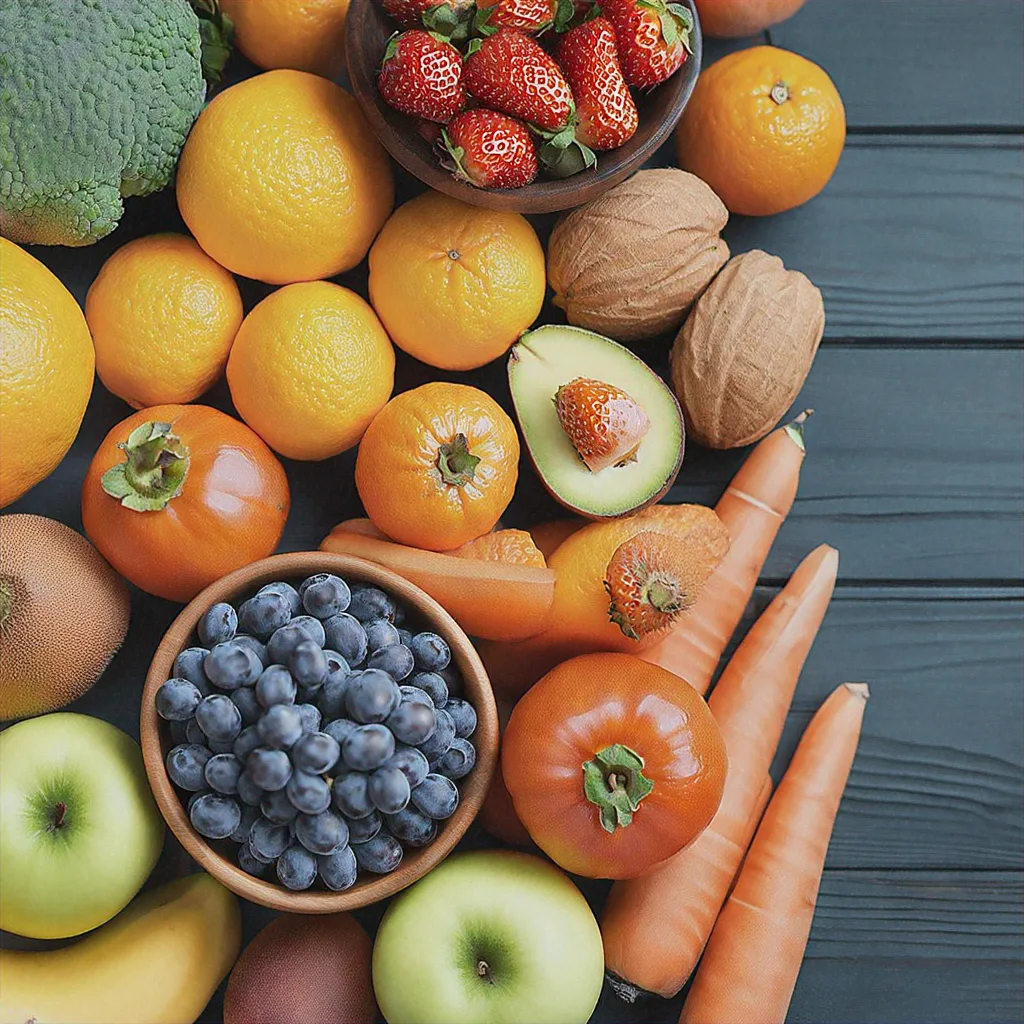
Not all fruits are created equal when it comes to Vitamin A content. Here’s a ranked list of the top 10 fruits, measured in International Units (IU) per 100 grams, to help you prioritize your choices: 1. Mango: With 1,082 IU per 100 grams, mangoes are the highest fruit source of Vitamin A, providing over 100% of the daily recommended intake for men in just one medium fruit. 2. Cantaloupe: One cup of cantaloupe (160 grams) delivers a whopping 3,382 IU, covering about 75% of your daily Vitamin A needs. It’s also hydrating and low in calories. 3. Apricot: Fresh apricots offer 1,926 IU per 100 grams, while dried apricots provide an even more concentrated dose, making them a great portable snack. 4. Papaya: With 950 IU per 100 grams, papaya is not only rich in Vitamin A but also contains lycopene, an antioxidant that further supports immune health. 5. Passion Fruit: This tropical fruit packs 1,272 IU per 100 grams and is high in fiber, which aids digestion and gut health—a key component of immunity. 6. Guava: Offering 624 IU per 100 grams, guava is also high in Vitamin C, which works synergistically with Vitamin A to enhance immune function. 7. Tangerine: With 681 IU per 100 grams, tangerines are easy to peel and pair well with other Vitamin A-rich fruits in salads or smoothies. 8. Peach: A medium peach provides 326 IU per 100 grams and is versatile for snacks, desserts, or even savory dishes. 9. Watermelon: While lower in Vitamin A compared to others (569 IU per 100 grams), watermelon is hydrating and a great low-calorie option. 10. Persimmon: One fruit contains 2,670 IU, making it a seasonal powerhouse, though availability can be limited. Incorporating these fruits into your diet can help you meet your daily Vitamin A needs while enjoying a variety of flavors and textures.
How Much Vitamin A Do You Need Daily?
The recommended daily allowance (RDA) for Vitamin A varies by age, gender, and life stage. For adults, the RDA is measured in micrograms of retinol activity equivalents (mcg RAE), which accounts for the body’s conversion of beta-carotene to active Vitamin A: - Adult men: 900 mcg RAE (3,000 IU) per day. - Adult women: 700 mcg RAE (2,333 IU) per day. - Pregnant women: 770 mcg RAE (2,567 IU) per day. - Breastfeeding women: 1,300 mcg RAE (4,333 IU) per day. To put this into perspective, one medium mango (about 200 grams) provides approximately 1,082 IU, meeting over 100% of the daily needs for men. Cantaloupe and apricots are also highly efficient, with one serving covering a significant portion of the RDA. Unlike animal sources, which can lead to Vitamin A toxicity if overconsumed, fruits provide a safe, plant-based alternative. Your body regulates the conversion of beta-carotene to Vitamin A, ensuring you get what you need without the risk of excess.
Best Ways to Eat Vitamin A-Rich Fruits for Maximum Absorption
To get the most out of Vitamin A-rich fruits, it’s important to consider how you prepare and consume them. Here are some practical tips to enhance absorption and enjoyment: - Pair with healthy fats: Since Vitamin A is fat-soluble, combining these fruits with healthy fats like nuts, seeds, avocado, or yogurt can significantly boost absorption. For example, blend mango with Greek yogurt or top cantaloupe with a drizzle of olive oil and chia seeds. - Cook lightly: While raw fruits are nutritious, light cooking (e.g., stewing apricots or grilling peaches) can break down cell walls, making beta-carotene more bioavailable. Try baking apricot halves with a sprinkle of cinnamon for a warm, immune-boosting dessert. - Blend into smoothies: Smoothies are an easy way to combine multiple Vitamin A fruits. Add a handful of spinach (another beta-carotene source) and a spoonful of almond butter for extra fat and protein. A mango-guava smoothie with flaxseeds is a delicious and nutrient-packed option. - Avoid peeling when possible: The skin of fruits like peaches and apricots contains concentrated nutrients. If the skin is edible and organic, leave it on to maximize Vitamin A intake. - Combine with Vitamin C: Vitamin C enhances the absorption of beta-carotene and supports immune function. Pair Vitamin A fruits with citrus, kiwi, or strawberries for a double immune boost. - Store properly: Vitamin A degrades with exposure to light and air. Store fruits like cantaloupe in the refrigerator and cut them just before eating to preserve their nutrient content. - Experiment with savory dishes: Vitamin A fruits aren’t just for sweet treats. Try adding diced mango to salsa, grilled peaches to a salad, or papaya to a spicy stir-fry for a unique flavor and nutrient boost.
Vitamin A Fruits vs. Vegetables: Which Are Better?
When it comes to Vitamin A, vegetables like sweet potatoes, carrots, and leafy greens often steal the spotlight—and for good reason. A single sweet potato can provide over 100% of your daily Vitamin A needs in one serving. However, fruits offer unique advantages that make them a valuable addition to your diet: - Convenience: Fruits like mangoes, cantaloupes, and peaches require little to no preparation, making them ideal for snacks, smoothies, or quick desserts. Vegetables, on the other hand, often require cooking or pairing with fats (e.g., olive oil) to optimize Vitamin A absorption. - Additional nutrients: While vegetables may have higher Vitamin A content per serving, fruits provide a broader range of nutrients, including Vitamin C, potassium, and fiber. For example, guava is one of the richest sources of Vitamin C, which works alongside Vitamin A to support immunity. - Natural sugars and fiber: Fruits contain natural sugars balanced by fiber, which helps regulate blood sugar levels and keeps you full. This makes them a great option for energy-boosting snacks, especially for active individuals. - Versatility: Fruits can be enjoyed in both sweet and savory dishes, from smoothies and salads to salsas and main courses. Vegetables, while versatile, are often limited to savory applications. - Hydration: Many Vitamin A-rich fruits, like watermelon and cantaloupe, have high water content, helping you stay hydrated while meeting your nutrient needs. For a balanced diet, aim to include both fruits and vegetables. While vegetables may offer higher Vitamin A per serving, fruits provide a convenient, nutrient-dense, and delicious way to diversify your intake and support overall health.
Risks of Vitamin A Deficiency and How Fruits Help
Vitamin A deficiency is a global health concern, particularly in regions with limited access to diverse diets. Even in developed countries, certain populations—such as vegans, individuals with malabsorption disorders, or those with poor dietary habits—may be at risk. Here’s how deficiency can impact your health and how fruits can help: - Weakened immunity: Vitamin A is critical for the production and function of white blood cells. A deficiency can lead to frequent infections, slower recovery from illnesses, and increased susceptibility to respiratory and gastrointestinal infections. - Vision problems: Vitamin A is essential for maintaining healthy vision, particularly night vision. Deficiency can cause night blindness, dry eyes, and in severe cases, irreversible damage to the cornea. - Skin issues: Vitamin A supports cell turnover and skin health. A deficiency may result in dry, flaky skin, acne, or slow wound healing. - Growth and development: In children, Vitamin A deficiency can impair growth and development, making it a critical nutrient for pregnant and breastfeeding women. - Increased mortality: In severe cases, Vitamin A deficiency can increase the risk of mortality from infectious diseases, particularly in children under five. Fruits provide a safe, plant-based solution to prevent deficiency. Unlike animal sources, which can lead to toxicity if overconsumed, fruits like mango, cantaloupe, and apricots offer a non-toxic way to meet your daily needs. For example, one medium mango provides enough Vitamin A to support immune function, vision, and skin health without any risk of excess. Additionally, the fiber and antioxidants in these fruits further support gut health and reduce inflammation, enhancing their immune-boosting effects.
Best Vitamin A Fruits for Kids (Toddler-Friendly Options)
Getting kids to eat enough fruits can be a challenge, but Vitamin A-rich fruits are often naturally sweet and appealing to young palates. Here are some toddler-friendly options and tips to ensure your child gets the nutrients they need for a strong immune system: - Mango: Soft, sweet, and easy to eat, mango is a favorite among kids. Serve it fresh, blended into smoothies, or as mango puree mixed with yogurt. - Cantaloupe: Cut cantaloupe into fun shapes using cookie cutters or serve it as melon balls for a playful presentation. Its mild flavor pairs well with other fruits in a fruit salad. - Peach and apricot: These fruits have a soft texture that’s easy for toddlers to chew. Serve them fresh, or bake them into muffins or oatmeal for a warm, comforting treat. - Papaya: While its flavor can be polarizing, papaya’s soft texture makes it ideal for purees or smoothies. Mix it with banana or yogurt to mask any bitterness. - Tangerine: Easy to peel and segment, tangerines are perfect for little hands. Pair them with other Vitamin A fruits for a nutrient-packed snack. Tips for picky eaters: - Blend fruits into smoothies with a spoonful of honey or maple syrup to sweeten the deal. - Make fruit popsicles using pureed mango, cantaloupe, or peach for a fun, hydrating snack. - Create a "rainbow plate" with a variety of colorful fruits to make eating more engaging. - Avoid whole small fruits (e.g., passion fruit) for young children, as seeds can pose a choking hazard. Vitamin A is especially important for kids, as it supports their developing immune systems, vision, and growth. By offering these fruits in creative ways, you can help your child build healthy eating habits that last a lifetime.
Seasonal Availability of Vitamin A-Rich Fruits
Fresh, seasonal produce not only tastes better but is also more nutritious and cost-effective. Here’s a guide to the peak seasons for Vitamin A-rich fruits to help you plan your purchases: - Mango: Peak season runs from May to September in most regions, though imported varieties are available year-round. Look for firm, fragrant fruits with a slight give when ripe. - Cantaloupe: The sweetest cantaloupes are available from June to August. Choose fruits with a golden undertone (not green) and a sweet, musky aroma at the stem end. - Apricot: Fresh apricots are in season from late spring to early summer (May to July). Opt for plump, slightly soft fruits with a rich color. Dried apricots are available year-round and offer a concentrated Vitamin A source. - Papaya: In tropical climates, papaya is available year-round. In temperate regions, it’s often imported. Select fruits with a yellow-orange hue and a slight softness at the stem. - Guava: Depending on the variety, guava is typically in season during summer and fall. Choose fruits that are fragrant and yield slightly to pressure. - Peach: Fresh peaches peak in summer (June to August). Look for fruits with a sweet aroma and a slight give near the stem. Off-season alternatives: - Frozen fruits: Frozen mango, peaches, and apricots retain most of their nutrients and are convenient for smoothies or baking. - Canned fruits: Choose options packed in water or natural juices (not syrup) to avoid added sugars. Canned peaches and apricots are widely available. - Dried fruits: Dried apricots and mangoes are shelf-stable and easy to pack for snacks. Just be mindful of portion sizes, as dried fruits are calorie-dense. Buying in season not only supports local farmers but also ensures you’re getting the freshest, most flavorful produce. If you’re unsure about ripeness, ask your grocer for tips on selecting the best fruits.
How Vitamin A Fruits Support Skin Health
While Vitamin A is best known for its role in immunity and vision, it’s also a powerhouse for skin health. Fruits rich in beta-carotene offer a range of benefits that can help you achieve a glowing, healthy complexion: - Promotes cell turnover: Vitamin A supports the production of new skin cells, helping to shed dead skin and reduce clogged pores. This can minimize acne and improve skin texture. - Acts as a natural sunscreen: Beta-carotene accumulates in the skin and absorbs UV light, providing mild protection against sun damage. While it’s not a substitute for sunscreen, it can complement your sun protection routine. - Fights oxidative stress: The antioxidants in Vitamin A fruits, such as lycopene in papaya and beta-carotene in mango, neutralize free radicals that contribute to premature aging. - Enhances hydration: Vitamin A helps maintain the skin’s moisture barrier, reducing dryness and flakiness. Fruits like cantaloupe and watermelon also provide hydration, keeping skin plump and supple. - Reduces inflammation: Vitamin A has anti-inflammatory properties that can calm redness, irritation, and conditions like eczema or rosacea. - Supports wound healing: Vitamin A is essential for collagen production, which aids in the repair of damaged skin. This makes it beneficial for healing cuts, scrapes, or post-procedure recovery. Top Vitamin A fruits for skin health: - Mango: Contains beta-carotene and Vitamin C, both of which promote collagen production and brighten skin. - Papaya: Rich in papain, an enzyme that exfoliates dead skin cells, and lycopene, which protects against UV damage. - Cantaloupe: High in Vitamin A and water content, making it hydrating and nourishing for dry skin. - Apricot: Contains Vitamin E, which works synergistically with Vitamin A to protect skin from oxidative stress. Incorporate these fruits into your diet and skincare routine for a natural, nutrient-dense approach to healthy, radiant skin.
Common Myths About Vitamin A Fruits Debunked
Despite their benefits, Vitamin A-rich fruits are often surrounded by misconceptions. Here, we debunk some of the most common myths to help you make informed choices: - Myth: "Only orange fruits are high in Vitamin A." Fact: While orange fruits like mango and cantaloupe are rich in beta-carotene, other fruits like guava (624 IU per 100g) and passion fruit (1,272 IU per 100g) are also excellent sources. Even tomatoes, botanically classified as fruits, contain lycopene, a carotenoid with immune-boosting properties. - Myth: "Cooking destroys Vitamin A in fruits." Fact: Light cooking can actually enhance the bioavailability of beta-carotene by breaking down cell walls. For example, stewed apricots or grilled peaches can be more nutritious than raw. However, overcooking (e.g., boiling for long periods) may reduce nutrient content. - Myth: "You can’t overdose on Vitamin A from fruits." Fact: This is true—but only for fruits! Vitamin A from plant sources (beta-carotene) is non-toxic, as your body regulates its conversion to active Vitamin A. Toxicity is only a risk with animal sources (e.g., liver, supplements) or synthetic retinoids. - Myth: "Fruits don’t provide enough Vitamin A to meet daily needs." Fact: One medium mango provides over 100% of the daily Vitamin A needs for men, and cantaloupe or apricots can cover a significant portion of the RDA in a single serving. Fruits are a convenient and effective way to meet your Vitamin A requirements. - Myth: "Vitamin A fruits are high in sugar and unhealthy." Fact: While fruits contain natural sugars, they also provide fiber, vitamins, and antioxidants that slow sugar absorption and support overall health. For example, a mango has about 45 grams of sugar but also delivers 3 grams of fiber, Vitamin C, and other nutrients. The key is moderation and pairing fruits with protein or healthy fats to balance blood sugar. - Myth: "Vitamin A supplements are better than fruits." Fact: Whole foods like fruits offer a complex matrix of nutrients that work synergistically. For example, Vitamin A from mango is absorbed better when paired with the fruit’s natural fats and fiber. Supplements, while convenient, lack these additional benefits and may not be as bioavailable. By understanding the facts, you can confidently incorporate Vitamin A-rich fruits into your diet without falling prey to common misconceptions.
Conclusion
Incorporating Vitamin A fruits into your diet is a delicious and effective way to support your immune system, skin health, and overall well-being. From the tropical sweetness of mangoes to the refreshing crunch of cantaloupe, these fruits offer a convenient, nutrient-dense alternative to supplements or animal sources. By pairing them with healthy fats, experimenting with cooking methods, and enjoying them in season, you can maximize their benefits and make them a staple in your meals. Whether you’re looking to boost your immunity, improve your skin, or simply enjoy more variety in your diet, Vitamin A fruits are a versatile and safe choice. Start with one or two of the top-ranked fruits from this guide, try a new recipe, and experience the difference they can make in your health. Don’t forget to share your favorite combinations in the comments or on social media—we’d love to hear how you’re incorporating these immune-boosting fruits into your routine!
Frequently Asked Questions
Can I get enough Vitamin A from fruits alone?
Yes, you can meet your daily Vitamin A needs from fruits alone, especially if you focus on the top sources like mango, cantaloupe, and apricots. One medium mango provides over 100% of the RDA for men, while a cup of cantaloupe covers about 75% of daily needs. However, for a balanced diet, it’s beneficial to include a variety of Vitamin A sources, such as vegetables and animal products, to ensure you’re getting a broad spectrum of nutrients.
What’s the best time to eat Vitamin A fruits for immunity?
There’s no specific "best" time to eat Vitamin A fruits, but consuming them earlier in the day (e.g., breakfast or lunch) can help you maximize their energy-boosting benefits. Pairing them with a meal containing healthy fats (e.g., nuts, avocado) can enhance absorption. For example, a mango smoothie with Greek yogurt and flaxseeds makes a great breakfast, while cantaloupe with a handful of almonds is a satisfying midday snack.
Are there any side effects of eating too many Vitamin A fruits?
Vitamin A from fruits (beta-carotene) is non-toxic, even in large amounts. However, overconsuming beta-carotene-rich foods can cause a harmless condition called carotenemia, where your skin turns slightly yellow or orange. This is temporary and reverses once you reduce your intake. Unlike animal sources, fruits do not pose a risk of Vitamin A toxicity, making them a safe choice for meeting your daily needs.
How do Vitamin A fruits compare to supplements?
Vitamin A fruits offer several advantages over supplements: - Nutrient synergy: Fruits provide a complex mix of vitamins, minerals, fiber, and antioxidants that work together to support health. Supplements isolate Vitamin A, missing out on these additional benefits. - Better absorption: The body absorbs nutrients from whole foods more efficiently. For example, the fat in mango or the fiber in cantaloupe enhances Vitamin A absorption. - Safety: Supplements, especially preformed Vitamin A (retinol), can lead to toxicity if overconsumed. Fruits contain beta-carotene, which is non-toxic. - Cost and convenience: Fruits are widely available, affordable, and versatile, whereas supplements can be expensive and lack the enjoyment factor. While supplements can be useful for those with deficiencies or dietary restrictions, most people can meet their Vitamin A needs through a balanced diet rich in fruits and vegetables.
Can Vitamin A fruits help with eye health?
Absolutely! Vitamin A is essential for maintaining healthy vision, particularly night vision. It helps produce rhodopsin, a pigment in the retina that enables low-light vision. A deficiency in Vitamin A can lead to night blindness, dry eyes, and in severe cases, irreversible damage to the cornea. Fruits like mango, cantaloupe, and apricots are rich in beta-carotene, which your body converts to Vitamin A as needed. Additionally, the antioxidants in these fruits (e.g., lutein and zeaxanthin in papaya) protect the eyes from oxidative stress and age-related macular degeneration.
Are frozen or canned Vitamin A fruits as nutritious as fresh?
Frozen and canned fruits can be just as nutritious as fresh, and in some cases, even more so. Here’s how they compare: - Frozen fruits: These are typically frozen at peak ripeness, locking in nutrients. For example, frozen mango or peaches retain most of their Vitamin A content and are convenient for smoothies or baking. - Canned fruits: Choose options packed in water or natural juices (not syrup) to avoid added sugars. Canned apricots or peaches can be a cost-effective way to enjoy Vitamin A fruits year-round, though some water-soluble vitamins (e.g., Vitamin C) may be reduced. - Fresh fruits: While fresh fruits are ideal for texture and flavor, their nutrient content can degrade over time, especially if stored improperly. For the highest Vitamin A content, consume fresh fruits soon after purchase. Both frozen and canned options are great alternatives when fresh fruits are out of season or unavailable.
Which Vitamin A fruits are best for weight loss?
If you’re looking to lose weight, focus on Vitamin A fruits that are low in calories but high in fiber and nutrients. These options will keep you full and satisfied without adding excess calories: - Cantaloupe: With just 53 calories per cup, cantaloupe is hydrating, sweet, and packed with Vitamin A (3,382 IU per cup). - Watermelon: At 46 calories per cup, watermelon is low-calorie and high in water content, making it great for hydration and satiety. - Papaya: One cup of papaya (140 grams) contains just 62 calories but delivers 950 IU of Vitamin A, along with digestive enzymes like papain. - Peach: A medium peach has about 60 calories and 326 IU of Vitamin A, making it a light, refreshing snack. - Guava: While slightly higher in calories (112 per cup), guava is rich in fiber (9 grams per cup), which helps control hunger. To maximize weight loss benefits, pair these fruits with protein or healthy fats (e.g., Greek yogurt, nuts) to stabilize blood sugar and keep you full longer.