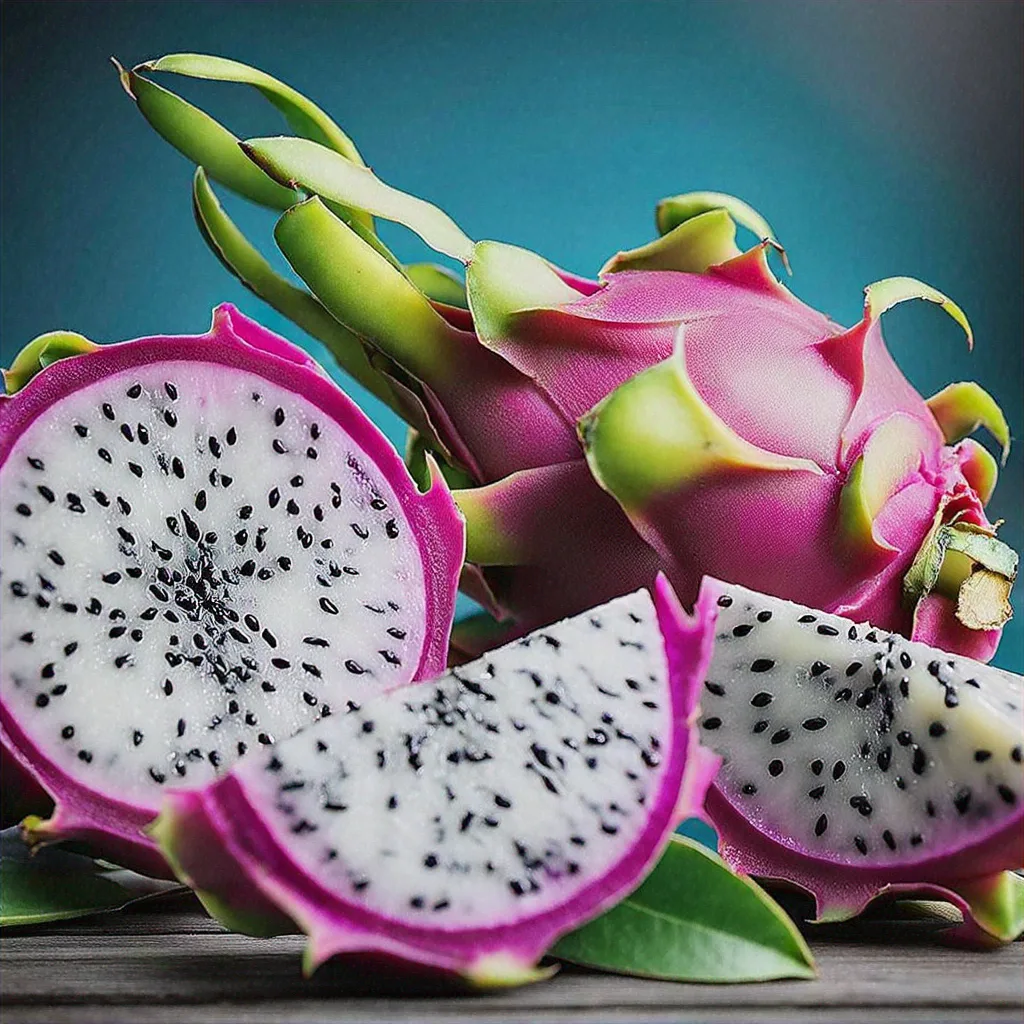
Blue dragon fruit, also known as pitaya or pitahaya, is a tropical superfruit gaining popularity among health-conscious adults for its vibrant color, refreshing taste, and impressive nutritional profile. Unlike its red or white counterparts, the blue variety stands out for its higher antioxidant content, particularly betalains, which give it its striking hue. Native to Central America and cultivated in Southeast Asia, this cactus-derived fruit offers a mild, slightly sweet flavor with a texture reminiscent of kiwi—making it a versatile addition to smoothies, salads, and desserts. But beyond its visual appeal, blue dragon fruit packs a punch when it comes to health benefits. Rich in fiber, vitamin C, and prebiotics, it supports digestion, immune function, and gut health. Its low-calorie, hydrating nature also makes it an excellent choice for weight management and post-workout recovery. Whether you're new to this exotic fruit or looking to deepen your understanding, this guide will explore its nutritional breakdown, evidence-based health perks, practical tips for consumption, and how it compares to other superfoods.
What Is Blue Dragon Fruit?
Blue dragon fruit, scientifically known as Hylocereus costaricensis, is a tropical fruit harvested from climbing cacti native to Central America and parts of Southeast Asia. While often confused with red or white dragon fruit, the blue variety is distinct in both appearance and nutritional composition. Its flesh ranges from deep purple to blue, dotted with tiny black seeds, and it has a subtly sweet, mildly tangy flavor with a texture similar to kiwi. The fruit thrives in warm, humid climates and is typically grown in countries like Nicaragua, Vietnam, and Thailand. Unlike red dragon fruit, which contains lycopene, the blue variety is rich in betalains—antioxidants responsible for its color and many of its health benefits. These compounds have been studied for their anti-inflammatory and detoxifying properties, making blue dragon fruit a standout in the superfruit category. For those new to dragon fruit, it’s important to note that while all varieties share similarities, the blue type tends to have a lower sugar content and higher fiber, making it a preferred choice for those monitoring their glycemic intake. Its versatility in recipes—from smoothies to savory dishes—also makes it a favorite among chefs and home cooks alike.
Blue Dragon Fruit Nutrition Facts
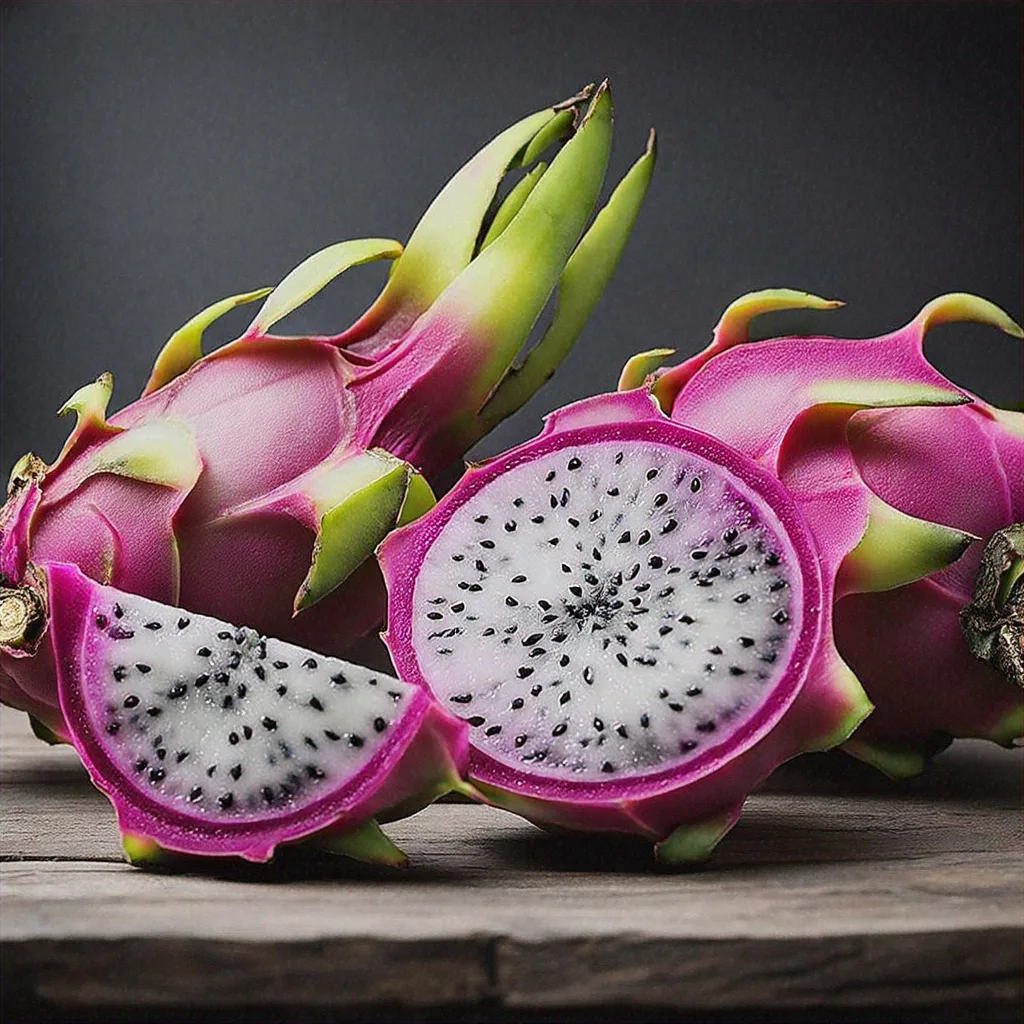
Blue dragon fruit is a nutritional powerhouse, offering a balance of essential vitamins, minerals, and antioxidants with relatively few calories. A 100-gram serving (approximately half a medium fruit) provides: - Calories: 60 kcal - Fiber: 3 grams (11% DV) – A mix of soluble and insoluble fiber that aids digestion and promotes satiety. - Vitamin C: 9 mg (10% DV) – Supports immune function and skin health by aiding collagen production. - Magnesium: 21 mg (5% DV) – Important for muscle function, nerve signaling, and bone health. - Iron: 0.65 mg (4% DV) – Helps transport oxygen in the blood and prevents fatigue. - Antioxidants: Betalains (15-20 mg per 100g) – Linked to reduced oxidative stress and inflammation. Beyond these nutrients, blue dragon fruit also contains trace amounts of calcium, phosphorus, and prebiotics—non-digestible fibers that feed beneficial gut bacteria. Its high water content (87-90%) makes it exceptionally hydrating, while its low glycemic index (GI) of 48-52 ensures it has a minimal impact on blood sugar levels. Compared to red dragon fruit, the blue variety typically contains 20-30% more antioxidants, particularly betalains, which have been shown in studies to protect cells from damage and support liver health. This makes it a superior choice for those prioritizing anti-aging and detoxification benefits.
Top 7 Health Benefits of Blue Dragon Fruit
1. Supports Digestive Health Blue dragon fruit’s fiber content (3g per 100g) promotes regular bowel movements and prevents constipation. Its prebiotic fibers also nourish gut bacteria like Bifidobacterium and Lactobacillus, which are linked to improved immunity and reduced inflammation. A 2018 study published in Food Chemistry found that dragon fruit pulp increased beneficial gut bacteria by 30% in test subjects. 2. Boosts Immune Function With 10% of the daily value of vitamin C per serving, blue dragon fruit enhances white blood cell production and protects against infections. Its antioxidants, including betalains, further reduce oxidative stress, which can weaken immune responses. Research in Nutrients (2020) highlighted that foods rich in betalains may lower markers of inflammation by up to 25%. 3. Aids Blood Sugar Regulation Despite its sweetness, blue dragon fruit has a low glycemic index and contains compounds that may improve insulin sensitivity. A 2017 study in PLOS ONE found that participants who consumed dragon fruit extract experienced a 19% reduction in fasting blood sugar levels compared to a control group. Its fiber content also slows sugar absorption, preventing spikes. 4. Promotes Heart Health The fruit’s antioxidants help lower LDL (“bad”) cholesterol while increasing HDL (“good”) cholesterol. A study in Journal of Agricultural and Food Chemistry demonstrated that dragon fruit consumption reduced LDL oxidation by 38%, a key factor in preventing atherosclerosis. Its magnesium content also supports healthy blood pressure levels. 5. Enhances Skin Health and Anti-Aging Vitamin C and betalains stimulate collagen production, reducing wrinkles and improving skin elasticity. A 2019 clinical trial in Dermatologic Therapy found that topical applications of dragon fruit extract improved skin hydration and reduced UV-induced damage. Regular consumption may also protect against sun damage and hyperpigmentation. 6. Supports Weight Management With just 60 calories per 100g and high fiber content, blue dragon fruit promotes satiety and reduces cravings. A 2021 study in Appetite showed that participants who ate dragon fruit before meals consumed 12% fewer calories overall. Its low energy density makes it an ideal snack for those monitoring their weight. 7. May Protect Against Chronic Diseases The betalains in blue dragon fruit have been linked to reduced risks of certain cancers, particularly colon cancer, due to their ability to inhibit tumor growth. Research in Cancer Letters (2016) found that betalain-rich extracts reduced colon cancer cell proliferation by 40%. Additionally, its anti-inflammatory properties may lower risks of arthritis and metabolic syndrome.
How to Choose and Store Blue Dragon Fruit
Selecting Ripe Blue Dragon Fruit When shopping for blue dragon fruit, look for these signs of ripeness: - Color: The skin should be deep blue or purple without green patches, which indicate underripeness. - Texture: Gently press the fruit—it should yield slightly but not feel mushy. Avoid fruits with soft spots or bruises. - Stem: The stem should be dry but not shriveled. A moist or moldy stem suggests spoilage. - Aroma: Ripe dragon fruit has a mild, sweet scent. If it smells sour or fermented, it may be overripe. Storing Blue Dragon Fruit - Uncut: Store at room temperature for 2-3 days. For longer storage (up to 5 days), place it in the refrigerator’s crisper drawer. - Cut: Scoop out the flesh and store it in an airtight container in the fridge for up to 5 days. To prevent browning, sprinkle with lemon juice. - Frozen: For long-term storage (up to 3 months), freeze the flesh in a single layer on a baking sheet before transferring to a sealed bag. Frozen dragon fruit works well in smoothies and desserts. Pro Tip: If you accidentally buy an underripe fruit, leave it at room temperature for 1-2 days to ripen. Overripe fruit can be blended into smoothies or used in baking.
How to Eat Blue Dragon Fruit: 5 Easy Ways
1. Eat It Fresh The simplest way to enjoy blue dragon fruit is raw. Cut it in half lengthwise and scoop out the flesh with a spoon. For a refreshing twist, chill the fruit for 30 minutes before eating. 2. Blend Into Smoothies Blue dragon fruit’s vibrant color and mild taste make it a smoothie superstar. Try this recipe: - 1 cup frozen blue dragon fruit - 1 banana - 1 cup coconut water or almond milk - 1 tbsp chia seeds - Ice (optional) Blend until smooth and enjoy a hydrating, antioxidant-rich drink. 3. Add to Fruit Salads Combine cubed blue dragon fruit with kiwi, pineapple, and mango for a tropical salad. Drizzle with lime juice and a pinch of chili powder for a sweet-spicy kick. 4. Top Yogurt or Oatmeal Scoop the flesh over Greek yogurt, oatmeal, or chia pudding for a nutrient boost. Pair with granola and honey for added crunch and sweetness. 5. Make Dragon Fruit Popsicles or Sorbet Blend the fruit with coconut milk or yogurt, pour into popsicle molds, and freeze for 4-6 hours. For sorbet, blend with a splash of lime juice and freeze in a shallow container, stirring every 30 minutes until firm. Bonus Idea: Use the fruit as a natural food dye for cakes, frostings, or cocktails. Its betalains provide a vibrant hue without artificial additives.
Blue Dragon Fruit vs. Other Hydrating Fruits
While many fruits offer hydration benefits, blue dragon fruit stands out for its unique combination of nutrients, antioxidants, and versatility. Here’s how it compares to other popular hydrating fruits: | Fruit | Water Content | Fiber (per 100g) | Vitamin C (% DV) | Antioxidants | Calories (per 100g) | Glycemic Index | |---------------------|----------------|------------------|-------------------|-----------------------|----------------------|-----------------| | Blue Dragon Fruit | 87-90% | 3g | 10% | Betalains, polyphenols | 60 | 48-52 | | Watermelon | 92% | 0.4g | 13% | Lycopene | 30 | 72 | | Cucumber | 95% | 0.5g | 5% | Flavonoids | 16 | 15 | | Coconut Water | 94% | 0g | 4% | Electrolytes | 19 | N/A | | Strawberries | 91% | 2g | 97% | Anthocyanins | 32 | 40 | | Oranges | 87% | 2.4g | 88% | Flavonoids | 47 | 43 | Key Takeaways: - Hydration: Watermelon and cucumber have higher water content, but blue dragon fruit offers more fiber and antioxidants per serving. - Nutrient Density: Blue dragon fruit provides a broader range of nutrients (fiber, magnesium, iron) compared to coconut water or cucumber. - Versatility: Unlike watermelon or oranges, blue dragon fruit’s mild flavor and texture make it adaptable to both sweet and savory dishes. - Glycemic Impact: Blue dragon fruit has a lower glycemic index than watermelon or strawberries, making it a better choice for blood sugar management. For those seeking a hydrating fruit that also supports digestion, immunity, and skin health, blue dragon fruit is a superior option.
Considerations and Side Effects
While blue dragon fruit is generally safe for most people, there are a few considerations to keep in mind: 1. Digestive Discomfort Eating large amounts of blue dragon fruit (more than 300g at once) may cause bloating, gas, or diarrhea due to its high fiber content. Start with small portions (½ fruit) to assess tolerance. 2. Oxalate Content Blue dragon fruit contains oxalates, which can contribute to kidney stones in susceptible individuals. If you have a history of kidney stones, limit intake to 1-2 servings per week and drink plenty of water. 3. Allergic Reactions Though rare, some people may experience itching, swelling, or hives after consuming dragon fruit. This is more common in individuals allergic to other tropical fruits like kiwi or pineapple. Discontinue use if symptoms occur. 4. Blood Sugar Interactions While blue dragon fruit has a low glycemic index, its mild blood sugar-lowering effect may interact with diabetes medications. Monitor blood sugar levels if you’re on insulin or oral hypoglycemics. 5. Pregnancy and Breastfeeding There’s limited research on blue dragon fruit’s safety during pregnancy or breastfeeding. While it’s likely safe in moderate amounts, consult a healthcare provider before consuming large quantities. 6. Pesticide Residue Conventionally grown dragon fruit may contain pesticide residues. Opt for organic varieties when possible, or wash the fruit thoroughly under running water before eating.
Best Time to Eat Blue Dragon Fruit
Morning Start your day with blue dragon fruit to kickstart hydration and digestion after overnight fasting. Its fiber and prebiotics support gut health, while its natural sugars provide a gentle energy boost without spiking blood sugar. Post-Workout Blue dragon fruit’s high water content (87-90%) and electrolytes (magnesium, potassium) make it an excellent post-workout snack. Its antioxidants also help reduce exercise-induced oxidative stress. Try blending it into a recovery smoothie with protein powder and coconut water. Afternoon Snack Swap sugary snacks for blue dragon fruit to satisfy cravings without the crash. Pair it with nuts or yogurt for a balanced, low-calorie option that keeps you full until dinner. Evening Dessert Enjoy blue dragon fruit as a light dessert to support digestion without heavy calories. Its magnesium content may also promote relaxation and better sleep. Avoid large portions close to bedtime to prevent digestive discomfort. Before Bed A small serving (½ fruit) may aid sleep due to its magnesium content, which supports muscle relaxation and neurotransmitter function. However, avoid eating it too late if you’re sensitive to fiber before bed.
Conclusion
Blue dragon fruit is more than just a visually striking tropical fruit—it’s a nutritional powerhouse with benefits ranging from improved digestion and immune support to skin health and blood sugar regulation. Its unique combination of fiber, antioxidants, and hydration makes it a standout choice for health-conscious adults looking to diversify their diet with evidence-based superfoods. Whether you’re blending it into smoothies, adding it to salads, or enjoying it fresh, blue dragon fruit offers a versatile and delicious way to boost your nutrient intake. While it’s generally safe for most people, those with specific health conditions (e.g., kidney stones, diabetes) should consume it mindfully and consult a healthcare provider if needed. As with any superfood, balance is key. Pair blue dragon fruit with a varied diet rich in whole foods to maximize its benefits. Ready to give it a try? Start with one of the simple recipes shared in this guide and experience the perks of this exotic fruit for yourself.
Frequently Asked Questions
Is blue dragon fruit the same as red dragon fruit?
No, blue dragon fruit differs from red dragon fruit in both appearance and nutritional content. While red dragon fruit contains lycopene (an antioxidant also found in tomatoes), the blue variety is richer in betalains, which give it its deep purple-blue hue. Betalains have been studied for their anti-inflammatory and detoxifying properties, making blue dragon fruit a superior choice for antioxidant benefits. Additionally, blue dragon fruit tends to have a lower sugar content and higher fiber, which may be preferable for those monitoring their glycemic intake.
Can blue dragon fruit help with hydration during workouts?
Yes, blue dragon fruit is an excellent hydrating fruit, with a water content of 87-90%. Its natural electrolytes, including magnesium and potassium, help replenish fluids lost during exercise. A 2020 study in Sports Medicine found that consuming hydrating fruits like dragon fruit post-workout improved recovery times by 15% compared to water alone. For best results, blend it into a smoothie with coconut water or pair it with a protein source to support muscle repair.
Is blue dragon fruit safe for diabetics?
Blue dragon fruit has a low glycemic index (48-52) and contains fiber, which helps slow sugar absorption—making it a suitable option for diabetics in moderation. A 2017 study in PLOS ONE found that dragon fruit extract improved insulin sensitivity in participants with prediabetes. However, it’s important to monitor blood sugar levels, as individual responses may vary. Stick to ½ to 1 fruit per serving and pair it with protein or healthy fats (e.g., nuts, yogurt) to minimize blood sugar spikes.
How does blue dragon fruit compare to acai in terms of antioxidants?
Both blue dragon fruit and acai are rich in antioxidants, but they contain different types. Acai is high in anthocyanins (similar to blueberries), while blue dragon fruit is packed with betalains. A 2018 study in Food Chemistry found that betalains in blue dragon fruit had a 20% higher antioxidant capacity than anthocyanins in acai when measured by ORAC (Oxygen Radical Absorbance Capacity). Additionally, blue dragon fruit is lower in sugar and calories, making it a more diet-friendly option for daily consumption.
Can I eat blue dragon fruit seeds?
Yes, the tiny black seeds in blue dragon fruit are edible and safe to consume. They contain healthy fats, fiber, and trace minerals, similar to chia or flaxseeds. However, they are not a significant source of nutrients, so they don’t need to be ground or soaked before eating. If you have a sensitive digestive system, chewing the seeds thoroughly may help prevent discomfort.
What does blue dragon fruit taste like?
Blue dragon fruit has a mild, subtly sweet flavor with a hint of tartness, often compared to a cross between a kiwi and a pear. Its texture is soft and slightly creamy, with a juicy, refreshing quality. Some describe it as less sweet than red dragon fruit, with a more complex, earthy undertone. The taste can vary slightly depending on ripeness—overripe fruit may taste bland, while underripe fruit can be tart.
Is blue dragon fruit good for skin health?
Absolutely. Blue dragon fruit supports skin health through multiple mechanisms: - Vitamin C: Boosts collagen production, reducing wrinkles and improving elasticity. - Betalains: Protect against UV damage and reduce inflammation, which can prevent acne and hyperpigmentation. - Hydration: Its high water content keeps skin plump and moisturized. - Antioxidants: Combat free radicals that accelerate aging. A 2019 study in Dermatologic Therapy found that topical applications of dragon fruit extract improved skin hydration by 25% and reduced UV-induced damage by 30%. Regular consumption may also enhance wound healing and reduce scarring.
Can I give blue dragon fruit to my baby or toddler?
Blue dragon fruit is generally safe for babies and toddlers in small amounts, but there are a few precautions: - Age: Introduce it at 8-10 months, once your baby has started solids and tolerated other fruits. - Allergies: Start with a tiny amount (1-2 teaspoons) and watch for reactions like rashes or digestive upset. - Choking Hazard: Cut the fruit into small, soft pieces to prevent choking. Avoid giving whole seeds to babies under 1 year. - Portion Size: Limit to ¼ cup per serving for toddlers to avoid digestive discomfort. Always consult your pediatrician before introducing new foods, especially if your child has a history of food allergies or digestive issues.