
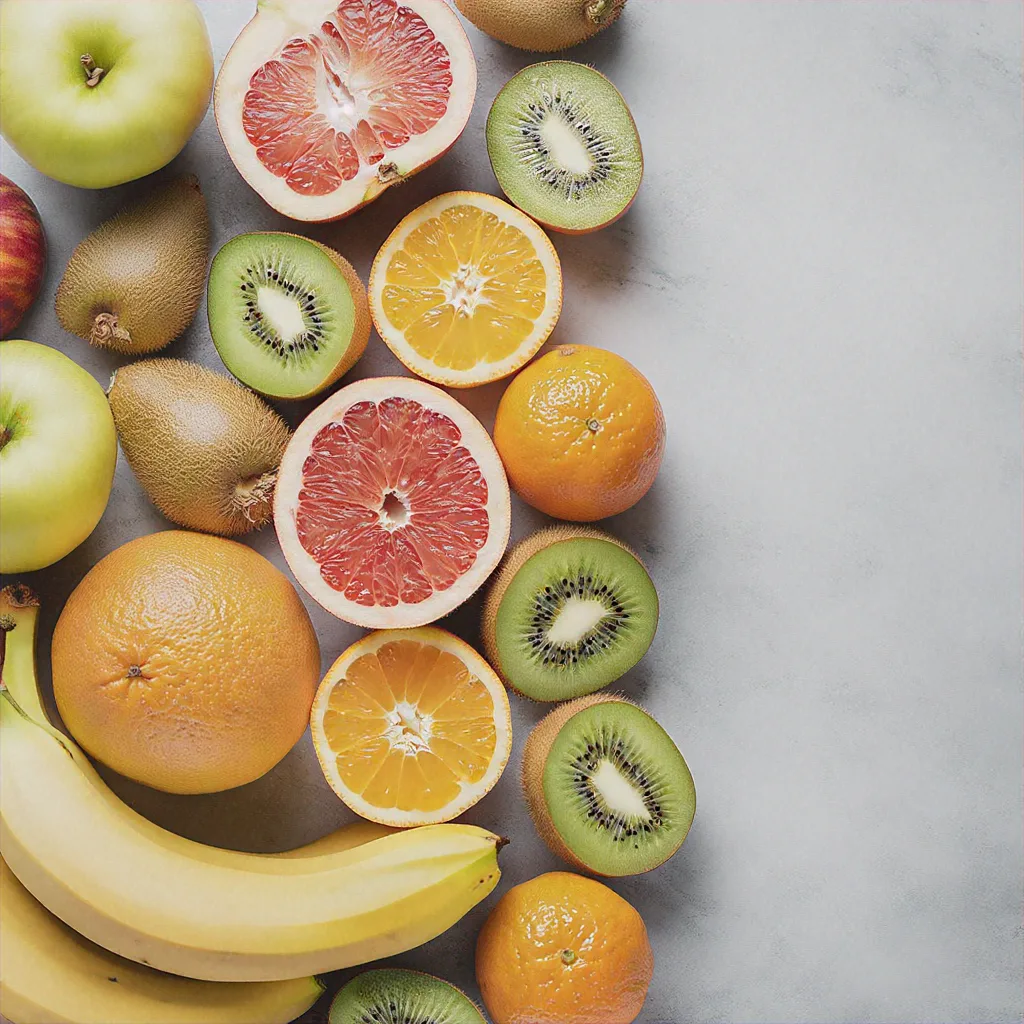
A healthy gut is the foundation of overall well-being, influencing everything from digestion and immunity to mood and energy levels. Emerging research shows that the foods we eat—especially fruits—play a crucial role in shaping our gut microbiome, the community of trillions of bacteria living in our digestive tract. Unlike generic fruit lists, this guide zeroes in on the best fruits for gut health, backed by scientific studies, and explains how their unique compounds—like fiber, prebiotics, and polyphenols—nourish beneficial bacteria, reduce inflammation, and improve digestive function. Whether you're looking to ease bloating, boost regularity, or simply diversify your gut bacteria, these fruits offer targeted benefits. Below, we’ll explore the top 10 gut-friendly fruits, how to select and prepare them for maximum impact, and practical tips to seamlessly integrate them into your daily meals.
Why Gut Health Matters and How Fruits Help
The gut microbiome is often called the body’s ‘second brain’ for good reason. It produces essential vitamins like B12 and K, regulates immune responses, and even communicates with the brain via the gut-brain axis. An imbalance in gut bacteria—known as dysbiosis—has been linked to digestive disorders, inflammation, and even chronic diseases like obesity and diabetes. The good news? Diet is one of the most effective ways to cultivate a thriving microbiome, and fruits are among the most powerful tools at your disposal. Fruits support gut health through three primary mechanisms: 1. Dietary Fiber: Soluble and insoluble fiber act as fuel for beneficial bacteria, helping them produce short-chain fatty acids (SCFAs) like butyrate, which reduce inflammation and strengthen the gut lining. 2. Prebiotics: Certain fruits contain prebiotic fibers (e.g., inulin, resistant starch) that selectively feed probiotic bacteria, promoting their growth and activity. 3. Polyphenols and Antioxidants: Compounds like flavonoids and anthocyanins in fruits have anti-inflammatory and antimicrobial effects, protecting the gut from oxidative stress and harmful pathogens. Not all fruits are created equal, however. Some, like bananas and berries, are packed with gut-specific nutrients, while others may lack the necessary compounds or even trigger digestive discomfort in sensitive individuals. This guide focuses on the fruits with the strongest evidence for gut health, along with practical tips to maximize their benefits.
The 10 Best Fruits for Gut Health (Backed by Science)
Below is a detailed breakdown of the top fruits for gut health, ranked by their unique benefits, scientific backing, and ease of incorporation into your diet. Each fruit is accompanied by serving suggestions and key compounds that make it stand out.
Bananas: The Prebiotic Powerhouse
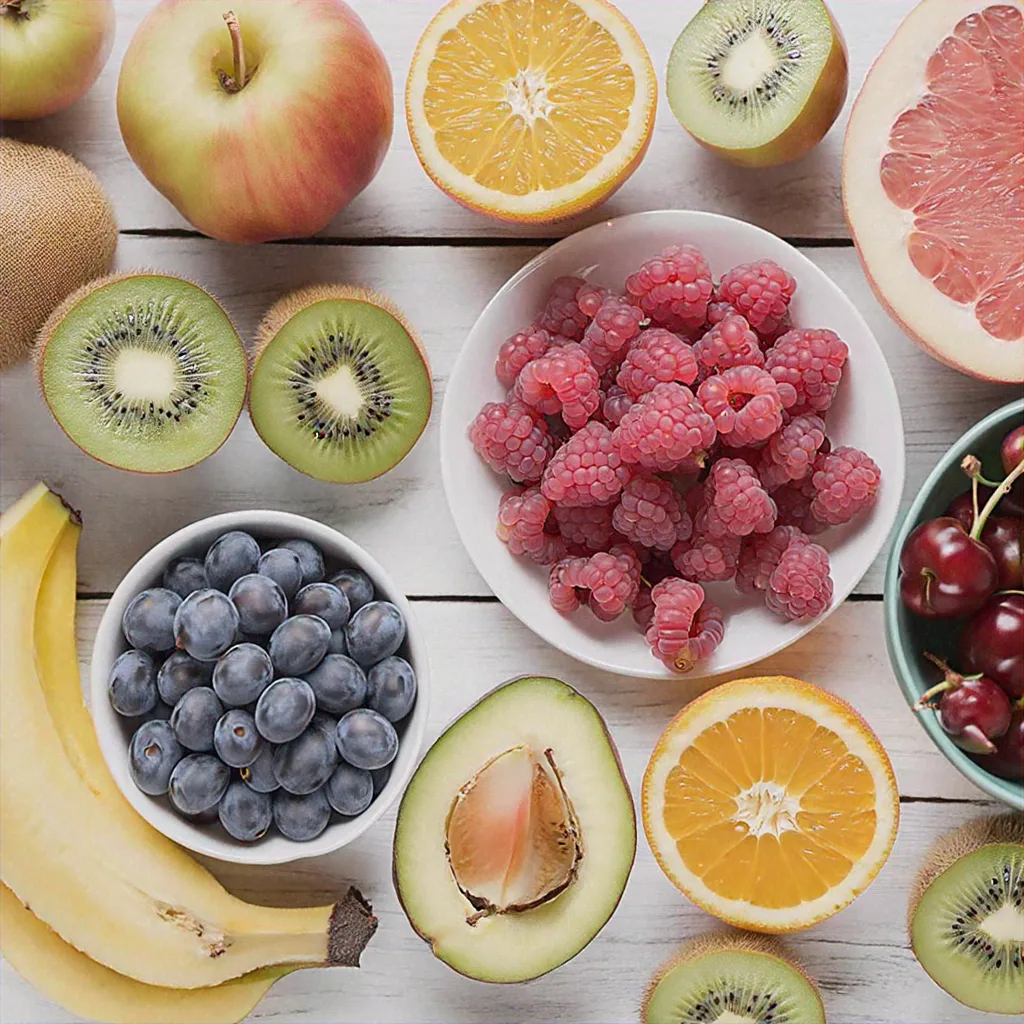
Bananas are one of the most accessible and effective fruits for gut health, thanks to their high content of resistant starch—a type of prebiotic fiber that bypasses digestion in the small intestine and ferments in the colon, feeding beneficial bacteria like Bifidobacteria and Lactobacilli. A 2017 study in Anaerobe found that green banana flour (rich in resistant starch) increased SCFA production and improved gut barrier function in participants with metabolic syndrome. Key Benefits: - Reduces Inflammation: Resistant starch lowers inflammatory markers like interleukin-6 (IL-6) and tumor necrosis factor-alpha (TNF-α). - Supports Bowel Regularity: The fiber in bananas adds bulk to stool, easing constipation. - Balances Blood Sugar: Resistant starch improves insulin sensitivity, making bananas a great option for those managing blood sugar levels. How to Eat Them: - Slightly Underripe: Choose bananas with green tips for the highest resistant starch content. - Pair with Probiotics: Combine with yogurt or kefir to enhance prebiotic-probiotic synergy. - Cooked Options: Try green banana flour in smoothies or baked goods for a gut-friendly twist. Serving Suggestion: 1 medium banana (100g) provides ~3g of fiber and 5g of resistant starch (in underripe bananas).
Berries: Antioxidant-Rich Gut Protectors
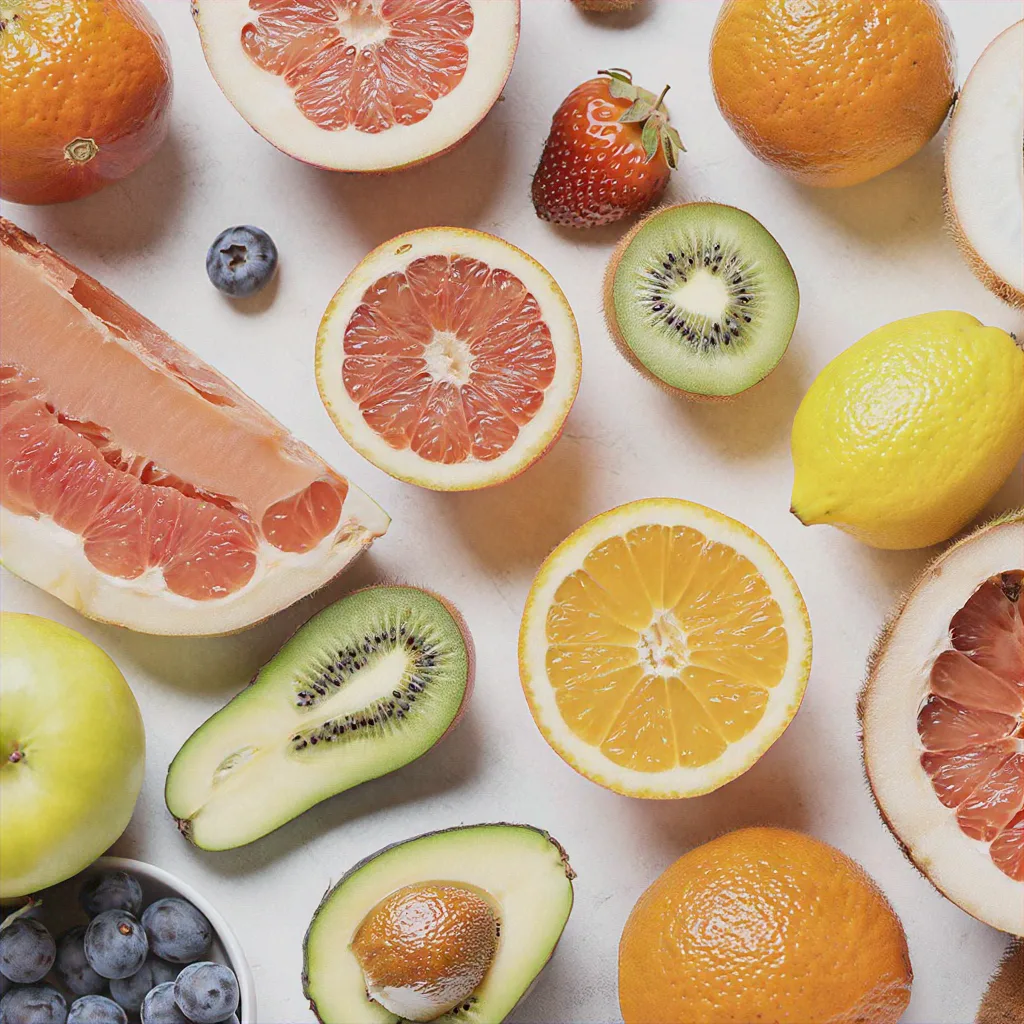
Berries—especially blueberries, raspberries, and blackberries—are nutritional powerhouses for gut health, thanks to their high fiber content and polyphenols, particularly anthocyanins. A 2019 study in Nutrients found that blueberry consumption increased the abundance of Akkermansia muciniphila, a beneficial gut bacterium linked to reduced inflammation and improved metabolic health. Key Benefits: - Promotes Gut Bacteria Diversity: Polyphenols act as prebiotics, selectively feeding beneficial bacteria. - Reduces Oxidative Stress: Antioxidants neutralize free radicals, protecting gut cells from damage. - Supports Brain Health: The gut-brain axis benefits from berries’ anti-inflammatory effects. How to Eat Them: - Fresh or Frozen: Frozen berries retain most of their nutrients and are often more affordable. - Add to Probiotic Foods: Mix into yogurt, kefir, or oatmeal for a gut-boosting breakfast. - Smoothies: Blend with spinach and flaxseeds for a fiber-rich drink. Serving Suggestion: 1 cup (150g) of mixed berries provides ~8g of fiber and 100–200mg of polyphenols.
Apples: Pectin for a Happy Gut
Apples are a gut health staple, primarily due to their pectin content—a soluble fiber that forms a gel-like substance in the gut, slowing digestion and feeding beneficial bacteria. A 2015 study in Food Chemistry found that apple pectin increased the production of butyrate, a SCFA that reduces gut inflammation and strengthens the intestinal barrier. Key Benefits: - Feeds Beneficial Bacteria: Pectin selectively promotes the growth of Bacteroides and Clostridiales. - Reduces Bloating: The gel-like consistency of pectin helps regulate bowel movements. - Anti-Inflammatory: Quercetin, a flavonoid in apple skins, inhibits pro-inflammatory pathways. How to Eat Them: - With the Skin: The skin contains half the fiber and most of the polyphenols. - Cooked Apples: Baking or stewing apples (e.g., applesauce) breaks down fiber slightly, making them easier to digest for sensitive guts. - Pair with Cinnamon: Cinnamon enhances apples’ blood sugar-balancing effects. Serving Suggestion: 1 medium apple (182g) provides ~4.5g of fiber and 100–150mg of polyphenols.
Kiwi: The Digestive Aid
Kiwi is often overlooked in gut health discussions, but its actinidin enzyme and high fiber content make it a digestive superstar. Actinidin helps break down proteins in the stomach, reducing bloating and indigestion, while the fiber supports regular bowel movements. A 2013 study in Advances in Food and Nutrition Research found that kiwi consumption improved constipation symptoms in adults by increasing stool frequency and softness. Key Benefits: - Enhances Protein Digestion: Actinidin aids in breaking down tough proteins like gluten and casein. - Relieves Constipation: The combination of fiber and enzymes makes kiwi a natural laxative. - Reduces Gut Inflammation: Vitamin C and polyphenols protect gut cells from oxidative damage. How to Eat Them: - Peel and Slice: The skin is edible but often tough; peeling is recommended for most. - Blend into Smoothies: Pair with ginger or pineapple for an enzyme-rich drink. - Add to Fruit Salads: Combine with papaya or pineapple for a tropical gut-boosting mix. Serving Suggestion: 2 medium kiwis (148g) provide ~5g of fiber and 150% of the daily value for vitamin C.
Papaya: Enzymes for Gut Comfort
Papaya contains papain, a proteolytic enzyme that aids digestion by breaking down proteins into smaller peptides and amino acids. This makes papaya particularly helpful for individuals with digestive enzyme deficiencies or conditions like pancreatic insufficiency. A 2014 study in Neuro Endocrinology Letters found that papaya extract reduced symptoms of bloating and indigestion in participants with functional dyspepsia. Key Benefits: - Eases Protein Digestion: Papain helps prevent undigested protein buildup in the gut. - Supports Gut Bacteria: The fiber in papaya feeds beneficial bacteria like Lactobacilli. - Anti-Inflammatory: Lycopene and beta-carotene reduce gut inflammation. How to Eat Them: - Fresh and Ripe: Choose papayas with reddish-orange skin for optimal ripeness. - Blend into Smoothies: Combine with yogurt or coconut water for a creamy texture. - Pair with Probiotics: Eat with kefir or sauerkraut to enhance digestive benefits. Serving Suggestion: 1 cup (140g) of papaya provides ~2.5g of fiber and 30% of the daily value for vitamin C.
Avocado: Healthy Fats for Gut Lining
While technically a fruit, avocado stands out for its monounsaturated fats and fiber, which support gut lining integrity and reduce inflammation. A 2021 study in The Journal of Nutrition found that avocado consumption increased gut microbiome diversity and the production of SCFAs in overweight adults. Key Benefits: - Strengthens Gut Barrier: Healthy fats help maintain the integrity of the intestinal lining. - Feeds Beneficial Bacteria: The fiber in avocado promotes the growth of Bacteroidetes. - Reduces Gut Inflammation: Polyphenols and carotenoids combat oxidative stress. How to Eat Them: - On Toast: Top with a poached egg for a gut-friendly breakfast. - In Salads: Pair with leafy greens and olive oil for a fiber-rich meal. - As a Smoothie Base: Blend with spinach and almond milk for a creamy texture. Serving Suggestion: ½ medium avocado (100g) provides ~7g of fiber and 15g of healthy fats.
Pineapple: Bromelain for Digestion
Pineapple is unique for its bromelain content, a group of digestive enzymes that break down proteins and reduce inflammation. A 2018 study in Biotechnology Research International found that bromelain supplementation reduced gut inflammation and improved symptoms of inflammatory bowel disease (IBD) in animal models. Key Benefits: - Aids Protein Digestion: Bromelain helps prevent bloating and indigestion. - Reduces Gut Inflammation: Anti-inflammatory effects may benefit conditions like IBS. - Supports Immune Function: Vitamin C and manganese enhance immune responses. How to Eat Them: - Fresh and Ripe: Choose pineapples with a sweet smell and slightly soft base. - Add to Savory Dishes: Use in stir-fries or tacos for a digestive boost. - Blend into Smoothies: Combine with ginger or turmeric for an anti-inflammatory drink. Serving Suggestion: 1 cup (165g) of pineapple provides ~2.5g of fiber and 100% of the daily value for vitamin C.
Prunes: The Natural Laxative
Prunes (dried plums) are best known for their sorbitol and fiber content, which act as natural laxatives. A 2019 study in Alimentary Pharmacology & Therapeutics found that prune consumption improved stool frequency and consistency in adults with chronic constipation. Additionally, prunes contain polyphenols that promote the growth of beneficial bacteria like Bifidobacteria. Key Benefits: - Relieves Constipation: Sorbitol and fiber add bulk to stool and stimulate bowel movements. - Supports Gut Bacteria: Polyphenols act as prebiotics, feeding beneficial microbes. - May Reduce Colon Cancer Risk: Studies suggest prunes’ compounds inhibit the growth of harmful bacteria. How to Eat Them: - Soaked Prunes: Soak overnight to soften and enhance digestibility. - Add to Oatmeal: Mix into morning oatmeal for a fiber-rich breakfast. - Blend into Smoothies: Combine with flaxseeds for a constipation-relieving drink. Serving Suggestion: 5 prunes (50g) provide ~3g of fiber and 10g of sorbitol.
How to Add These Fruits to Your Diet

Incorporating gut-friendly fruits into your diet doesn’t have to be complicated. Start with small portions to allow your gut to adjust, and combine fruits with probiotic foods for enhanced benefits. Here are some practical tips: 1. Smoothies: Blend 1–2 gut-friendly fruits (e.g., banana + berries + spinach) with a probiotic base like kefir or yogurt. Add flaxseeds or chia seeds for extra fiber. 2. Breakfast Bowls: Top oatmeal or chia pudding with sliced kiwi, apples, and a drizzle of honey. Sprinkle with cinnamon for blood sugar balance. 3. Snacks: Pair fruits with healthy fats (e.g., apple slices with almond butter) or probiotics (e.g., berries with Greek yogurt) to slow digestion and enhance nutrient absorption. 4. Salads: Add diced papaya, pineapple, or avocado to savory salads for a digestive boost. Pineapple pairs well with grilled chicken or fish. 5. Cooked Options: Bake apples or pears with cinnamon for a warm, fiber-rich dessert. Stew prunes with ginger for a natural laxative effect. Pro Tip: Gradually increase fiber intake (aim for 25–38g per day) to avoid bloating or gas. Drink plenty of water to help fiber move through the digestive tract.
Additional Tips for Gut Health
While fruits are a powerful tool for gut health, they’re just one piece of the puzzle. Here are some supplementary strategies to optimize your microbiome: 1. Stay Hydrated: Water helps fiber move through the digestive tract and supports overall gut function. Aim for at least 2 liters per day. 2. Limit Processed Foods: Sugars, artificial sweeteners, and processed fats can harm gut bacteria and increase inflammation. Focus on whole, minimally processed foods. 3. Consider Probiotics: If your diet lacks fermented foods (e.g., yogurt, kefir, sauerkraut), a high-quality probiotic supplement may help diversify your gut bacteria. 4. Manage Stress: Chronic stress disrupts the gut-brain axis and can alter gut bacteria composition. Practices like meditation, deep breathing, or gentle exercise can help. 5. Sleep Well: Poor sleep is linked to gut dysbiosis and increased inflammation. Aim for 7–9 hours per night. 6. Exercise Regularly: Physical activity promotes gut bacteria diversity and reduces inflammation. Even a 30-minute walk can make a difference. When to See a Doctor: If you experience persistent digestive issues (e.g., severe bloating, diarrhea, or pain), consult a healthcare provider to rule out conditions like IBS, SIBO, or food intolerances.
Conclusion
Supporting gut health doesn’t require drastic dietary overhauls—small, consistent changes can yield significant benefits. By incorporating these 10 science-backed fruits into your diet, you’ll nourish your gut microbiome with fiber, prebiotics, and antioxidants, leading to improved digestion, reduced inflammation, and better overall health. Start with 2–3 fruits per week, experiment with different preparations, and pay attention to how your body responds. Over time, you may notice less bloating, more regular bowel movements, and even improved energy levels. Remember, gut health is a journey, not a destination. Pair these fruits with other gut-friendly habits—like staying hydrated, managing stress, and eating a diverse diet—to create a thriving microbiome. For a free gut-healthy fruit shopping list, [download our guide here]—and start your path to better digestion today.
Frequently Asked Questions
How many servings of gut-friendly fruits should I eat per day?
Aim for 2–3 servings per day of gut-friendly fruits, but start with smaller portions (e.g., ½ cup of berries or 1 small banana) to avoid digestive discomfort. The American Heart Association recommends 4–5 servings of fruits and vegetables daily, but individual needs vary based on fiber tolerance. If you’re new to high-fiber foods, gradually increase intake over 2–3 weeks to allow your gut to adjust. For example: - Breakfast: ½ cup of berries in yogurt. - Snack: 1 small apple with almond butter. - Dinner: ½ cup of papaya or pineapple in a salad.
Can I eat these fruits if I have IBS or a sensitive gut?
Many of these fruits are low-FODMAP (e.g., bananas, blueberries, kiwi, pineapple) and can be tolerated by individuals with IBS, but portion control is key. High-FODMAP fruits (e.g., apples, mangoes, prunes) may trigger symptoms like bloating or gas in sensitive individuals. Here’s a quick guide: - Safe Choices: Bananas (ripe), blueberries, kiwi, pineapple, papaya (small portions). - Caution Needed: Apples, pears, mangoes, prunes (start with ¼ cup and monitor symptoms). - Avoid Temporarily: If experiencing a flare-up, stick to low-FODMAP fruits until symptoms improve. Tip: Cooking fruits (e.g., stewed apples, baked pears) can make them easier to digest. Consult a dietitian for personalized advice.
Are frozen fruits as good as fresh for gut health?
Yes! Frozen fruits retain most of their nutrients, including fiber and polyphenols, because they’re flash-frozen at peak ripeness. In some cases, frozen fruits may even have higher nutrient levels than fresh fruits that have been stored for days. For example: - Berries: Frozen blueberries have similar antioxidant levels to fresh. - Bananas: Frozen bananas are great for smoothies but may lose some resistant starch. - Pineapple: Frozen pineapple retains bromelain activity. Exceptions: Some fruits (e.g., kiwi, papaya) are best fresh for enzyme activity. Always check for added sugars in frozen fruit blends.
What’s the best time of day to eat these fruits for gut health?
There’s no one best time, but strategic timing can enhance benefits: - Morning: Start your day with fiber-rich fruits (e.g., berries, kiwi) to support digestion and bowel regularity. Pair with healthy fats (e.g., nuts, yogurt) to slow digestion and stabilize blood sugar. - Pre/Post-Workout: Eat enzyme-rich fruits (e.g., pineapple, papaya) to aid protein digestion and reduce muscle inflammation. - Evening: Opt for low-sugar fruits (e.g., raspberries, avocado) to avoid blood sugar spikes before bed. Pro Tip: If you experience bloating, avoid eating large portions of fruit right before or after high-protein meals (e.g., meat, eggs), as this can slow digestion.
Do these fruits interact with medications (e.g., blood thinners)?
Some gut-friendly fruits may interact with medications due to their vitamin K, fiber, or enzyme content. Here are key considerations: - Blood Thinners (e.g., Warfarin): Papaya and pineapple contain vitamin K, which can interfere with warfarin’s effects. Kiwi and avocado are lower-risk options. - Diabetes Medications: Fruits high in sorbitol (e.g., prunes, apples) may lower blood sugar, increasing the risk of hypoglycemia when combined with insulin or sulfonylureas. - Digestive Enzyme Medications: Pineapple and papaya contain bromelain and papain, which may enhance the effects of digestive enzyme supplements (e.g., pancrelipase). - Antibiotics: High-fiber fruits (e.g., bananas, berries) may reduce antibiotic absorption. Space them 2–3 hours apart. Always consult your doctor before making dietary changes if you’re on medication.
Can I overdo it with gut-friendly fruits?
Yes, excessive intake of even gut-friendly fruits can lead to digestive discomfort. Here’s what to watch for: - Fiber Overload: Consuming >50g of fiber/day (e.g., 5+ servings of high-fiber fruits) may cause bloating, gas, or diarrhea. Gradually increase fiber intake to allow your gut to adapt. - Sugar Content: Fruits like mangoes and pineapple are high in fructose, which can cause bloating or diarrhea in fructose-sensitive individuals. - Oxalates: Berries and kiwi contain oxalates, which may contribute to kidney stones in susceptible people. - Enzyme Overload: Large amounts of pineapple or papaya may cause mouth irritation or digestive upset due to bromelain/papain. Solution: Stick to 2–3 servings/day and rotate fruits to avoid overloading on any one type.