Mangaba
Hancornia speciosa
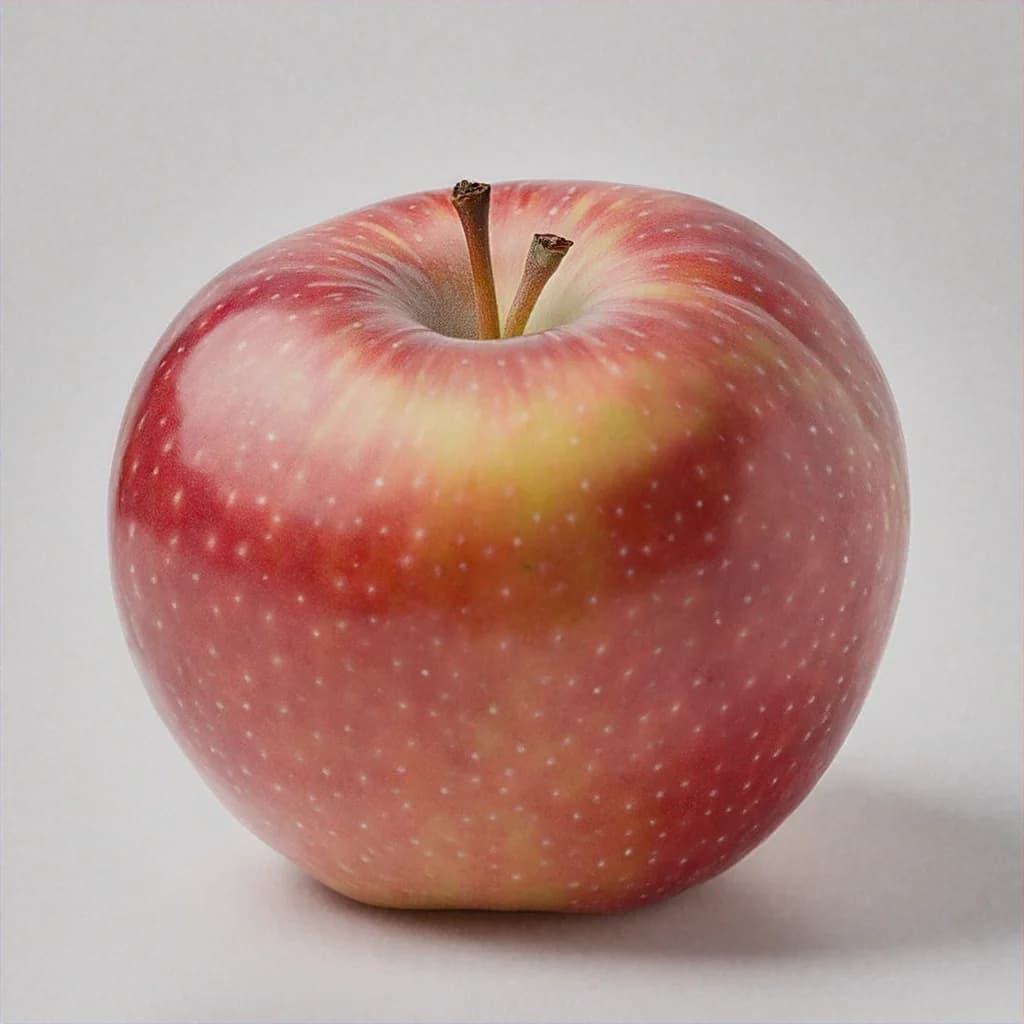
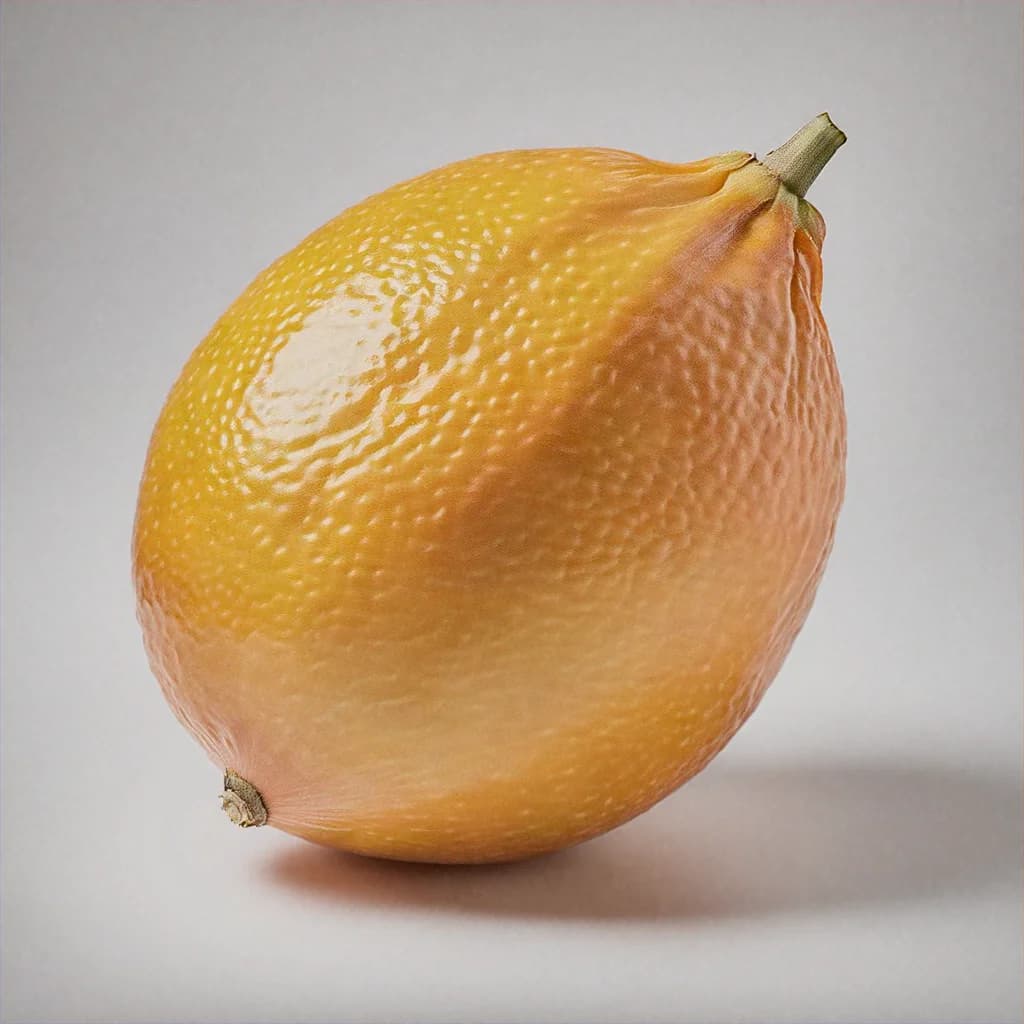
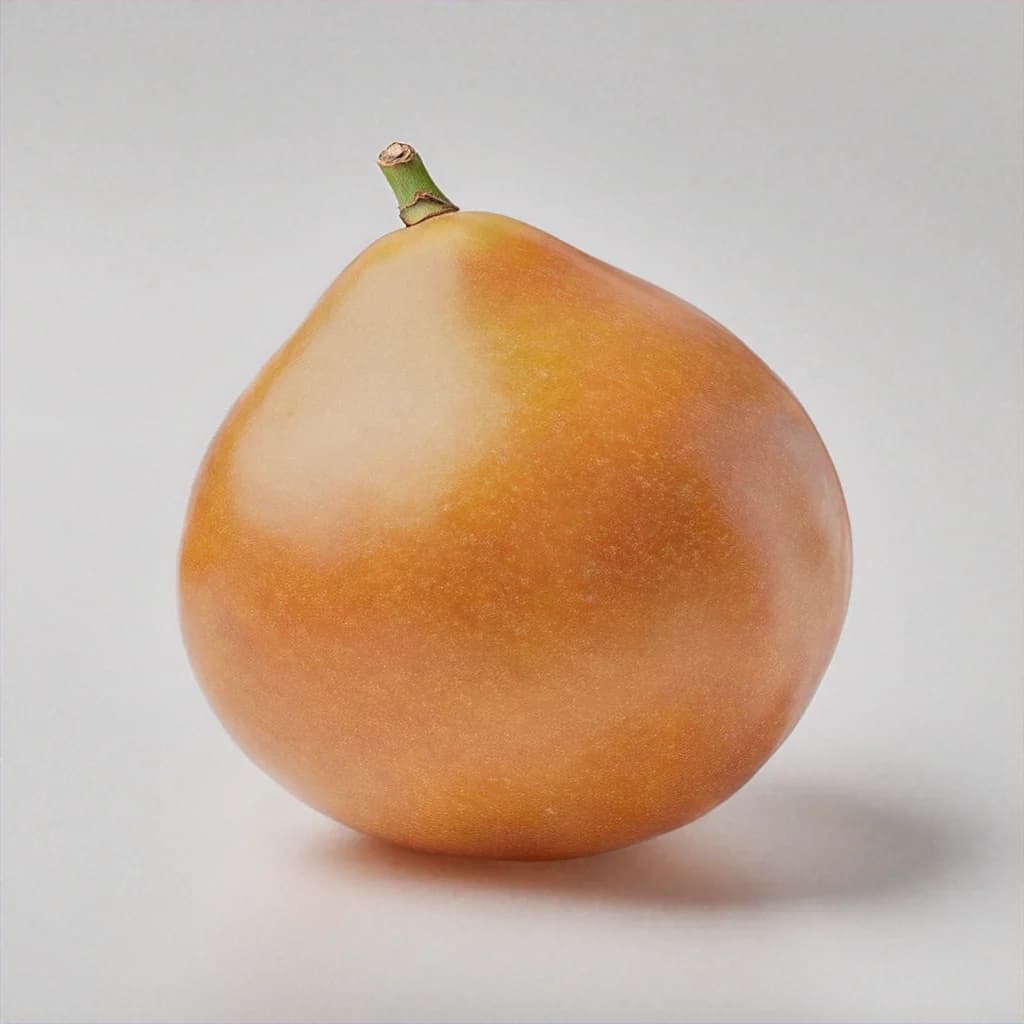
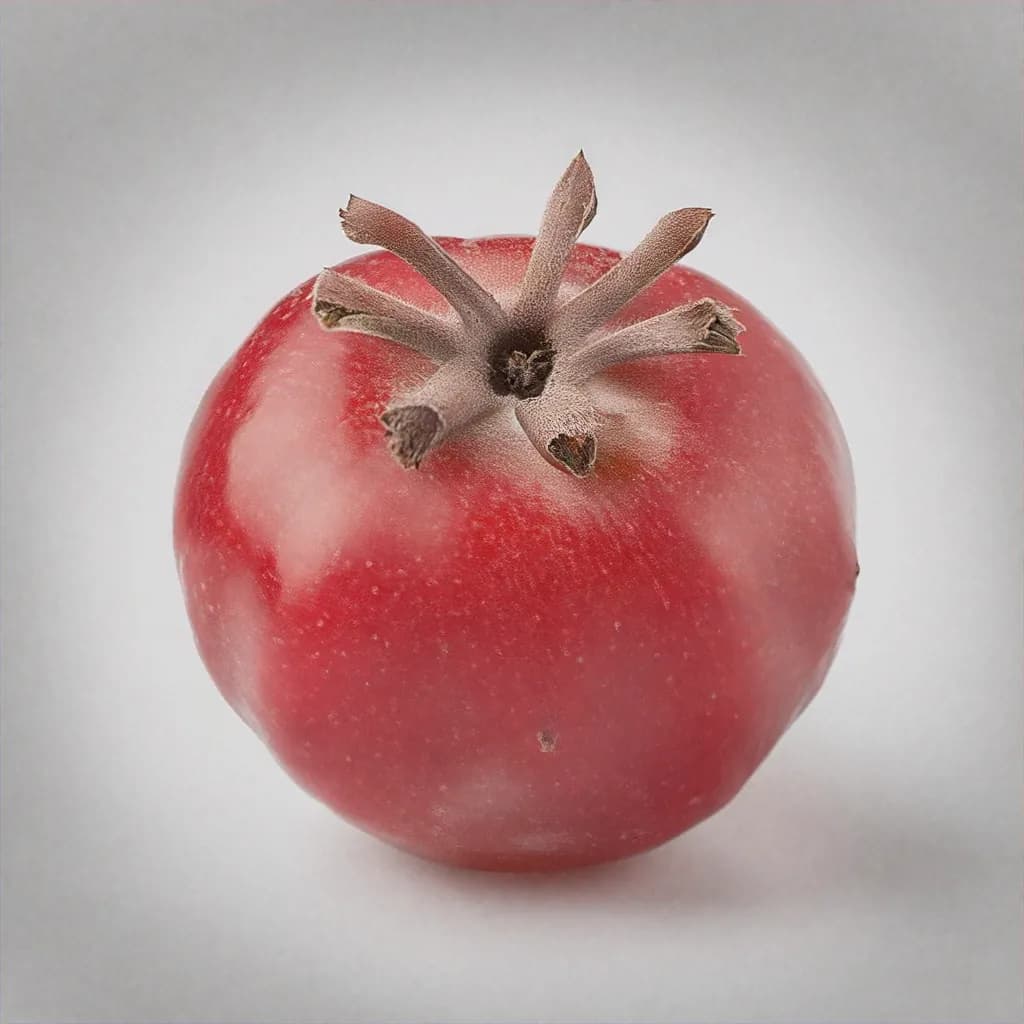
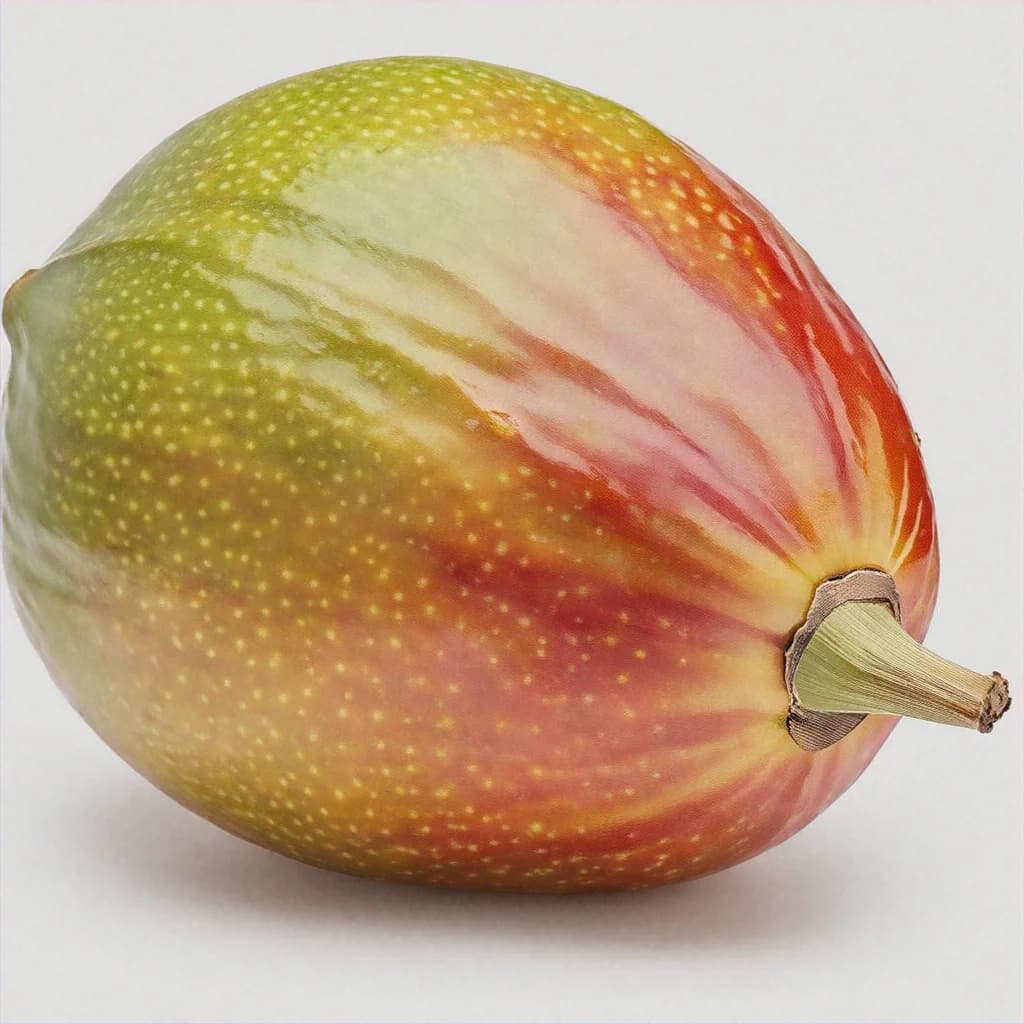
Mangaba (Hancornia speciosa) is a tropical fruit native to the cerrado regions of Brazil, known for its distinct, sweet-tart flavor and rich nutritional profile. This small, yellow to orange fruit grows on trees that thrive in dry, savannah-like environments. Mangaba’s flesh is soft, juicy, and slightly fibrous, enclosing a large seed. It is often consumed fresh or used in jams, juices, and desserts. Rich in vitamins, minerals, and antioxidants, mangaba is not only a delightful treat but also offers numerous health benefits, making it a prized addition to diets in regions where it is cultivated.
Mangaba फोटो गैलरी
Mangaba को शानदार विवरण में देखें
Mangaba - मुख्य दृश्य
Mangaba पोषण तथ्य
💊विटामिन
प्रति 100 ग्राम
⚡खनिज
प्रति 100 ग्राम
प्रति सर्विंग
एक सर्विंग का पोषण विवरण
Mangaba के स्वास्थ्य लाभ
Mangaba उत्पत्ति और वितरण
Cerrado regions of Brazil
Mangaba has been cultivated for centuries in Brazil, particularly in the cerrado biome. It has been an important food source for indigenous communities and is now gaining popularity in urban areas due to its unique flavor and health benefits.
Mangaba पीक सीज़न
December to March
Mangaba किस्में
हर किस्म का स्वाद, बनावट और उपयोग अलग होता है
Hancornia speciosa var. speciosa
Mangaba स्टोरेज और चयन गाइड
फलों को अधिक समय तक ताज़ा रखें
सही फल कैसे चुनें
Look for mangaba fruits that are yellow to orange in color, indicating ripeness.
Avoid fruits with blemishes, bruises, or overly soft spots.
सही स्टोरेज तरीके
Store ripe mangaba at room temperature for up to 3 days.
Refrigerate to extend shelf life to 7-10 days.
शेल्फ लाइफ गाइड
फ्रीज़ करने के निर्देश
कई महीनों तक ताज़गी बनाए रखें
Freeze mangaba pulp in airtight containers for up to 3 months.
Use frozen pulp for smoothies, jams, or desserts.
प्रो टिप
ताज़गी ट्रैक करने के लिए जमे हुए आइटम पर तारीख लिखें। सही तरीके से फ्रीज़ करने पर अधिकांश फल 2-3 महीनों तक गुणवत्ता बनाए रखते हैं। फ्रीज़र बर्न से बचने के लिए एयरटाइट कंटेनर या फ्रीज़र बैग का उपयोग करें।
पाक यात्रा
स्वादिष्ट विकल्प खोजें
सामान्य उपयोग
परफेक्ट पेयरिंग
लोकप्रिय रेसिपी
ताज़ा पेय
सुरक्षा जानकारी
Mangaba is not known to be a common allergen, but individuals with fruit allergies should exercise caution.
Mangaba is generally grown with minimal pesticide use, but it is always best to wash the fruit thoroughly before consumption.
- • Individuals with known allergies to mangaba or related fruits.
- • People with severe digestive issues may need to monitor their intake due to the fruit's fiber content.
- •Overconsumption may lead to digestive discomfort due to high fiber content.
- •Allergic reactions are rare but possible.
- • Wash the fruit thoroughly before consuming.
- • Avoid consuming the seed, as it is inedible.
रोचक तथ्य Mangaba के बारे में
ऐसी बातें जो आपको पसंद आएंगी!
Mangaba is often referred to as the 'fruit of the cerrado' due to its prevalence in Brazil's savannah-like regions.
The fruit is a favorite among local wildlife, including birds and monkeys.
अक्सर पूछे जाने वाले प्रश्न
What does mangaba taste like?
GeneralMangaba has a sweet-tart flavor with a slight floral note, similar to a combination of apricot and pineapple.
How do I know if mangaba is ripe?
BuyingRipe mangaba fruits are yellow to orange in color and slightly soft to the touch.
Can I freeze mangaba?
StorageYes, mangaba pulp can be frozen in airtight containers for up to 3 months.
What are some popular ways to use mangaba in cooking?
CulinaryMangaba is often used in jams, jellies, smoothies, and desserts like ice cream.
Is mangaba high in sugar?
NutritionMangaba contains about 12.4g of sugar per 100g, making it moderately sweet.
Is mangaba safe for diabetics?
HealthDue to its low glycemic index, mangaba can be consumed in moderation by individuals with diabetes.
Where is mangaba commonly found?
MiscellaneousMangaba is native to the cerrado regions of Brazil but can also be found in neighboring countries like Paraguay and Bolivia.