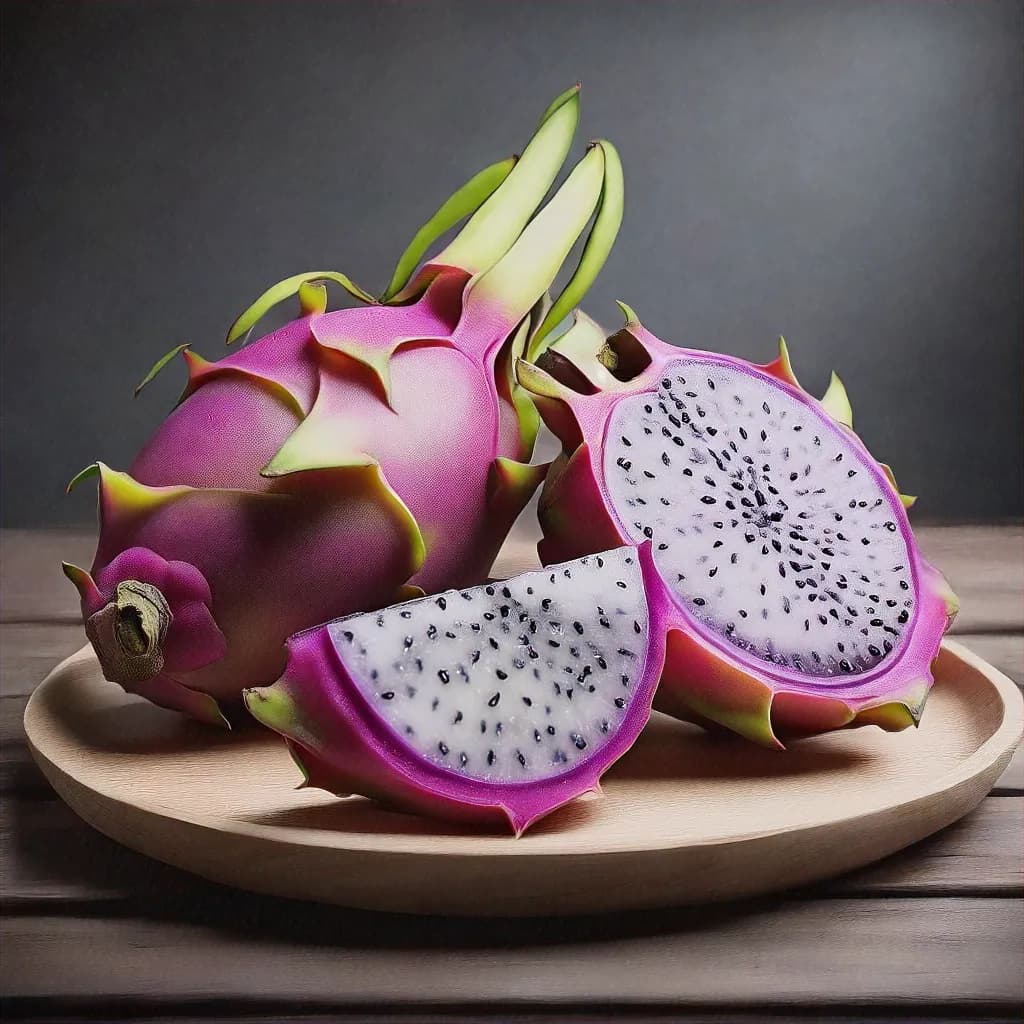
ब्लू ड्रैगन फ्रूट
Hylocereus costaricensis (blue-skinned variant)
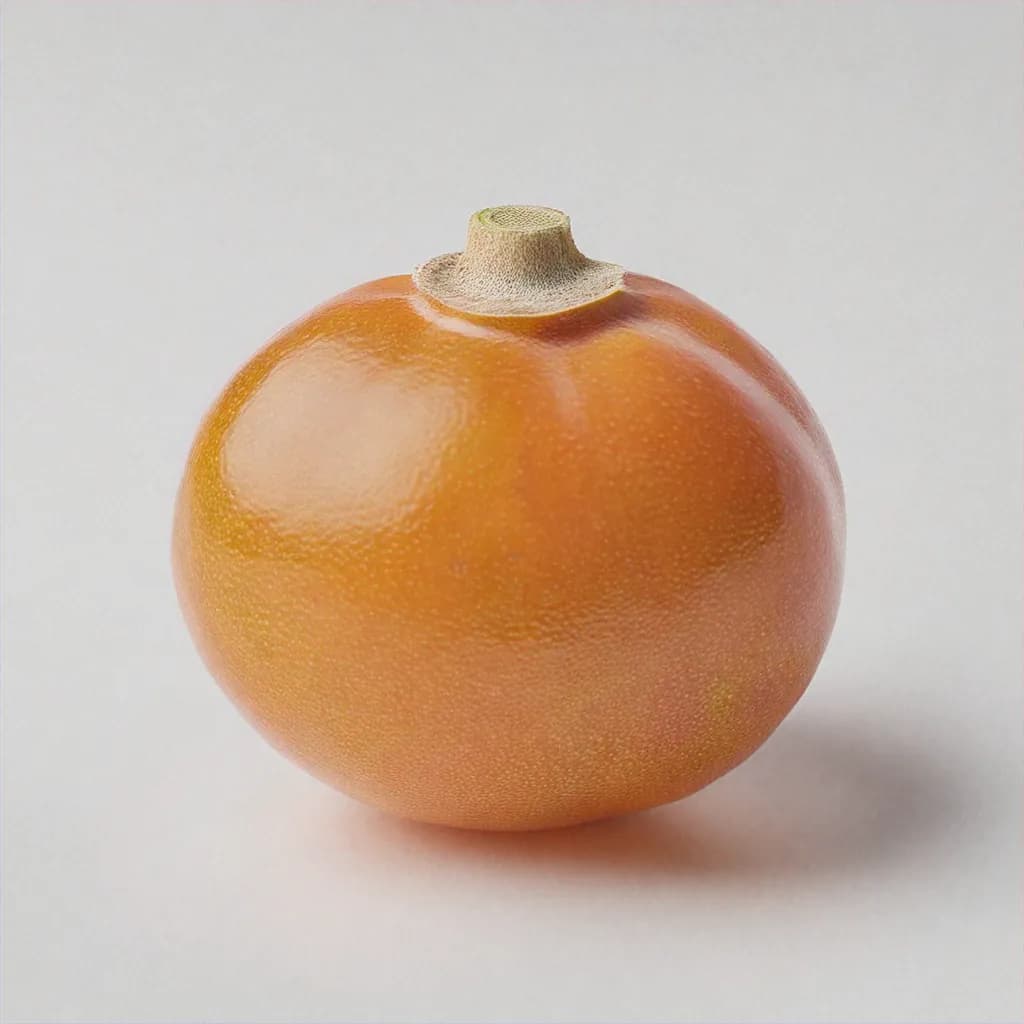
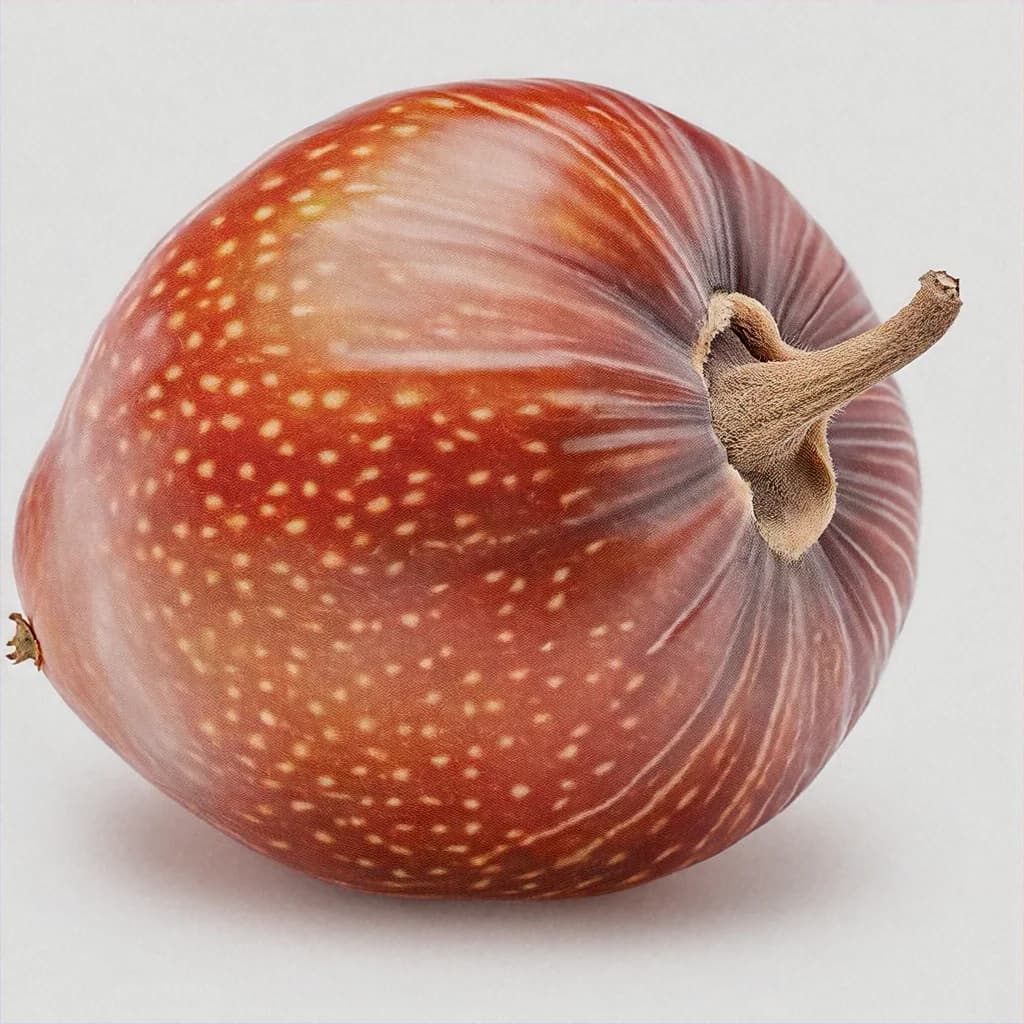
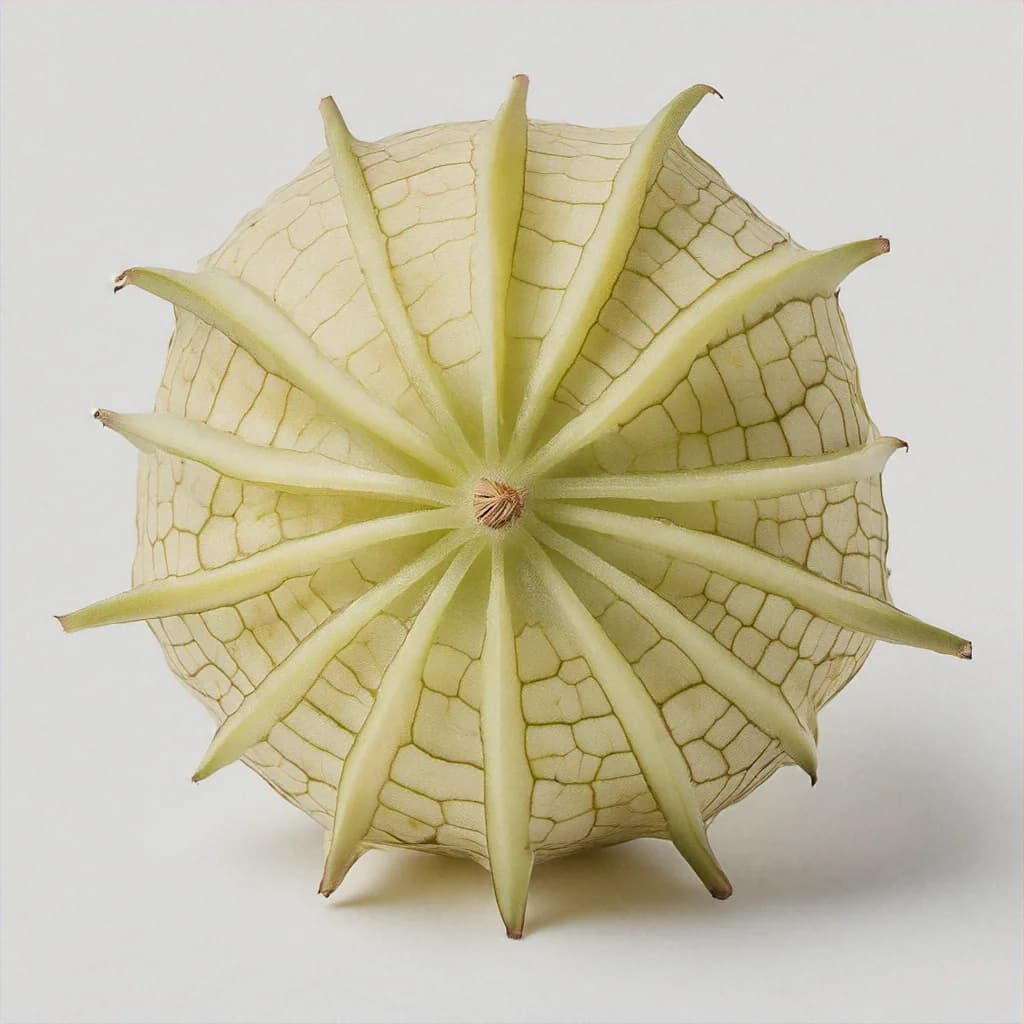
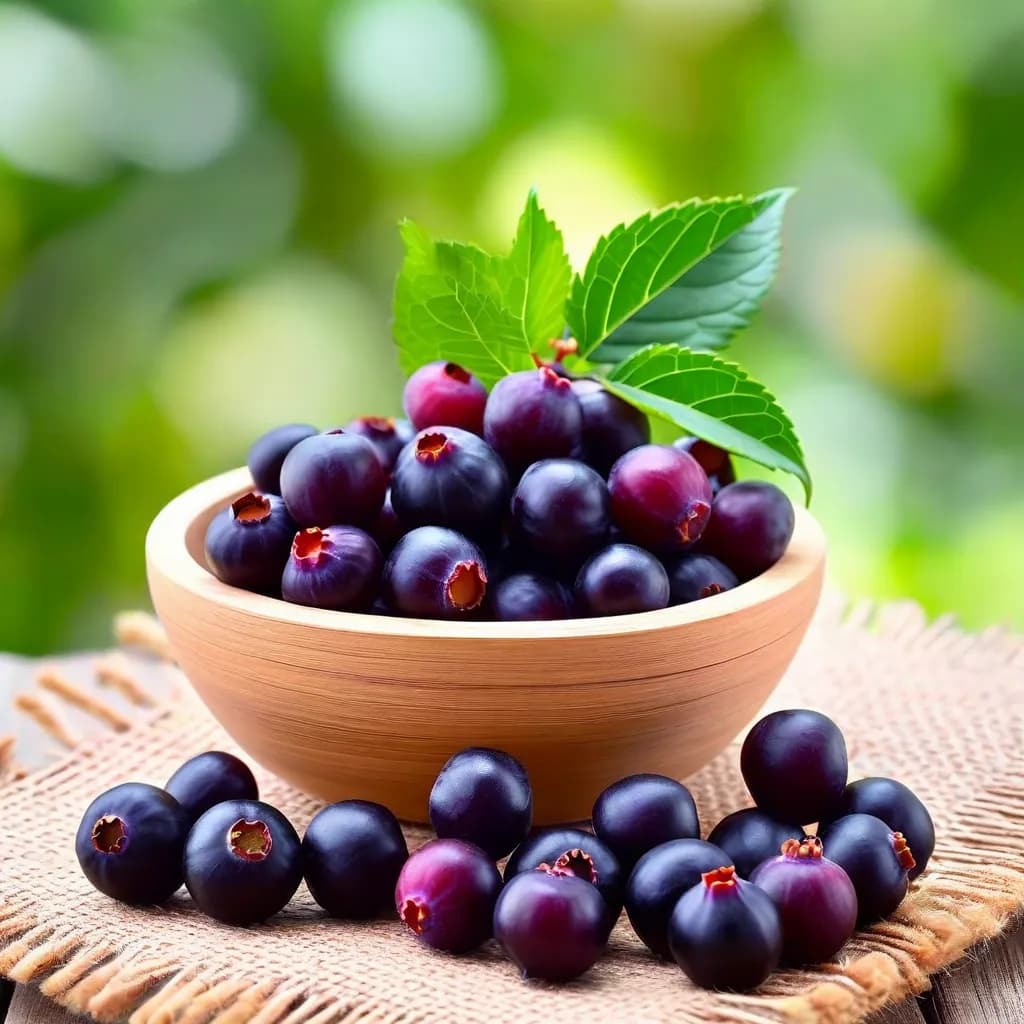
ब्लू ड्रैगन फ्रूट, जो अधिक सामान्य लाल फल वाले ड्रैगन फ्रूट (Hylocereus costaricensis) का एक दुर्लभ और आकर्षक विकल्प है, एक उष्णकटिबंधीय स्वादिष्टता है जिसे इसकी चमकीली नीली-बैंगनी छिलके और मीठी, कीवी जैसी स्वाद विशेषता के लिए प्रशंसा की जाती है। इसके लाल या सफेद समकक्षों के विपरीत, ब्लू ड्रैगन फ्रूट की मोटी, अधिक बनावट वाली छिलकी होती है जिसमें सूक्ष्म नीले रंग होते हैं, जिनमें गुलाबी या बैंगनी टिंट होते हैं। अंदर का मांस गहरे मैजेंटा से बैंगनी तक होता है, जिसमें छोटे, खाने योग्य काले बीज होते हैं जो हल्की क्रंच देते हैं। मूल रूप से मध्य अमेरिका और दक्षिण अमेरिका के लिए, लेकिन अब विश्वभर के उष्णकटिबंधीय क्षेत्रों में उगाया जाता है, यह फल रात में ही खिलने वाले चढ़ने वाले कैक्टस पर उगता है, जिसे 'मूनफ्लावर' के नाम से जाना जाता है। इसका स्वाद मीठा और थोड़ा खट्टा होता है, जिससे यह कच्चे और पके दोनों व्यंजनों में बहुमुखी अवयव बन जाता है। एंटीऑक्सीडेंट, फाइबर और आवश्यक विटामिन से भरपूर, ब्लू ड्रैगन फ्रूट न केवल आंखों के लिए एक भोग है बल्कि एक पोषण शक्ति भी है, जो पाचन में सुधार, प्रतिरक्षा समर्थन और त्वचा स्वास्थ्य जैसे लाभ प्रदान करता है। इसकी अनोखी उपस्थिति और स्वास्थ्य गुणों के कारण यह स्मूदी बोल, मिठाइयों और विदेशी फल प्लैटर में लोकप्रिय विकल्प बन गया है, जो गॉर्मेट शेफ और स्वास्थ्य-चेतन उपभोक्ताओं दोनों को आकर्षित करता है।
ब्लू ड्रैगन फ्रूट फोटो गैलरी
ब्लू ड्रैगन फ्रूट को शानदार विवरण में देखें
ब्लू ड्रैगन फ्रूट - मुख्य दृश्य
ब्लू ड्रैगन फ्रूट पोषण तथ्य
💊विटामिन
प्रति 100 ग्राम
⚡खनिज
प्रति 100 ग्राम
प्रति सर्विंग
एक सर्विंग का पोषण विवरण
ब्लू ड्रैगन फ्रूट के स्वास्थ्य लाभ
ब्लू ड्रैगन फ्रूट उत्पत्ति और वितरण
मध्य अमेरिका (विशेष रूप से कोस्टा रिका और निकारागुआ)
ब्लू ड्रैगन फ्रूट, Hylocereus costaricensis का एक विकल्प, मध्य अमेरिका के उष्णकटिबंधीय जंगलों में अपनी मूल उत्पत्ति का पालन करता है, जहां इसे प्राचीन समुदायों द्वारा इसके पोषण और औषधीय गुणों के लिए पहले उगाया गया था। इस फल को बाद में 20वीं शताब्दी की शुरुआत में दक्षिण पूर्वी एशिया में पेश किया गया, जहां इसकी शुष्क जलवायु में अनुकूलन और उच्च उपज के कारण इसकी लोकप्रियता बढ़ गई। वियतनाम 1980 के दशक में अपनी आदर्श उगाने की स्थितियों और निर्यात-अनुकूल नीतियों का लाभ उठाकर विश्व का अग्रणी उत्पादक बन गया। नीली छिलके वाला विकल्प, हालांकि लाल या सफेद समकक्षों की तुलना में दुर्लभ है, अपनी आकर्षक उपस्थिति और अनुमानित स्वास्थ्य लाभों के कारण वैश्विक बाजारों में लोकप्रियता प्राप्त कर रहा है। आज, यह विदेशी फल बाजारों, स्मूदी दुकानों और गॉर्मेट खाने में एक स्थायी वस्तु है, जो खाने की नवाचार और उष्णकटिबंधीय कृषि के वैश्वीकरण का प्रतीक है।
ब्लू ड्रैगन फ्रूट पीक सीज़न
उष्णकटिबंधीय जलवायु में पूरे वर्ष, जिसका शीर्ष उत्पादन गर्मियों और शुरुआती शरद ऋतु के महीनों में होता है।
ब्लू ड्रैगन फ्रूट किस्में
हर किस्म का स्वाद, बनावट और उपयोग अलग होता है
Blue Hylocereus costaricensis
Red-Fleshed Hylocereus costaricensis (for comparison)
ब्लू ड्रैगन फ्रूट स्टोरेज और चयन गाइड
फलों को अधिक समय तक ताज़ा रखें
सही फल कैसे चुनें
चमकीली नीली-बैंगनी छिलके वाले फल चुनें, जिनमें दाग, चोट या नरम स्थान न हों, जो अत्यधिक पकने या खराब होने का संकेत हैं।
फल को हल्के से दबाएं; यह दबाव के प्रति हल्का सा लचीला होना चाहिए लेकिन गांठदार नहीं। एक कठोर फल को एक या दो दिनों के लिए पकने की आवश्यकता हो सकती है।
चमकदार, समान रंग वाली छिलकी वाले फल देखें। धुंधली या रंग बदले हुए धब्बे खराब गुणवत्ता या उम्र का संकेत दे सकते हैं।
तने के अंत की जांच करें; यह सूखा और फफूंदी से मुक्त होना चाहिए। नम या फफूंदी वाला तना यह संकेत देता है कि फल अपने शीर्ष से परे है।
फल की गंध लें; एक पका हुआ ब्लू ड्रैगन फ्रूट की हल्की, मीठी गंध होनी चाहिए। असामान्य या खट्टी गंध खराब होने का संकेत है।
सही स्टोरेज तरीके
अगर फल को और पकने की आवश्यकता है तो इसे बिना काटे रूम तापमान पर 1-2 दिनों के लिए रखें। एक बार पक जाने के बाद, इसे प्लास्टिक बैग में 5 दिनों तक रेफ्रिजरेटर में रखें।
फल को बैंगनी और सेब जैसे एथिलीन उत्पादन करने वाले फलों से दूर रखें, क्योंकि यह पकने और खराब होने को तेज कर सकता है।
अगर फल काट दिया गया है, तो उसे प्लास्टिक फिल्म से अच्छी तरह से लपेट लें या ऑक्सीकरण और सूखने से बचाने के लिए एयरटाइट कंटेनर में रख दें।
लंबे समय तक भंडारण के लिए, मांस को निकालकर एक बेकिंग शीट पर अकेले फ्रीज करें और फिर फ्रीजर-सुरक्षित बैग में 3 महीने तक रखें।
शेल्फ लाइफ गाइड
फ्रीज़ करने के निर्देश
कई महीनों तक ताज़गी बनाए रखें
फल को आधे में काटें, मांस निकालें और छिलका फेंक दें। मांस को एक बेकिंग शीट पर अकेले फ्रीज करें ताकि जमकर चिपक न जाए।
जब ठोस रूप से जम जाए, तो टुकड़ों को फ्रीजर-सुरक्षित बैग या कंटेनर में स्थानांतरित करें, जिसमें फ्रीजर बर्न को रोकने के लिए जितना संभव हो उतनी हवा निकाल दें।
बेहतर स्वाद और बनावट के लिए फ्रीज किया गया ब्लू ड्रैगन फ्रूट 3 महीने तक का उपयोग करें, जो स्मूदी, सॉर्बेट या फलों की सलाद के लिए आदर्श है।
प्रो टिप
ताज़गी ट्रैक करने के लिए जमे हुए आइटम पर तारीख लिखें। सही तरीके से फ्रीज़ करने पर अधिकांश फल 2-3 महीनों तक गुणवत्ता बनाए रखते हैं। फ्रीज़र बर्न से बचने के लिए एयरटाइट कंटेनर या फ्रीज़र बैग का उपयोग करें।
पाक यात्रा
स्वादिष्ट विकल्प खोजें
सामान्य उपयोग
परफेक्ट पेयरिंग
लोकप्रिय रेसिपी
ताज़ा पेय
सुरक्षा जानकारी
Blue dragon fruit is not commonly associated with severe allergic reactions, but some individuals may experience mild allergic symptoms, particularly those with sensitivities to cactus plants or other tropical fruits. Symptoms may include itching, swelling, hives, or digestive discomfort. If you have a known allergy to plants in the Cactaceae family (e.g., prickly pear), exercise caution when trying dragon fruit for the first time. As with any new food, start with a small portion to monitor your body's response.
Conventionally grown dragon fruit may contain pesticide residues, particularly in regions with less stringent agricultural regulations. To minimize exposure, opt for organic dragon fruit when possible, or thoroughly wash the fruit under running water before consumption. Peeling the skin can also reduce pesticide residue, though the skin is not typically eaten.
- • Individuals with a known allergy to cactus plants or tropical fruits.
- • People with sensitive digestive systems who may experience bloating or gas due to the fruit's high fiber content.
- • Those with kidney stones or a history of oxalate-related issues, as dragon fruit contains small amounts of oxalates, which may contribute to stone formation in susceptible individuals.
- •Digestive discomfort (bloating, gas, or diarrhea) due to high fiber content, especially when consumed in large quantities.
- •Harmless but noticeable changes in urine or stool color (pink or reddish) due to the natural pigments (betalains) in the fruit.
- •Mild allergic reactions, such as itching, swelling, or hives, in sensitive individuals.
- • Always wash the fruit thoroughly under cool water to remove dirt, bacteria, or pesticide residues before cutting or consuming.
- • Use a clean knife and cutting board to prevent cross-contamination, especially if preparing the fruit alongside raw meats or other perishable items.
- • Discard any fruit that appears moldy, overly soft, or has an off smell, as these are signs of spoilage.
- • Store cut dragon fruit in an airtight container in the refrigerator to prevent bacterial growth and oxidation.
रोचक तथ्य ब्लू ड्रैगन फ्रूट के बारे में
ऐसी बातें जो आपको पसंद आएंगी!
Blue dragon fruit is one of the few fruits that blooms at night, earning it the nickname 'moonflower' or 'queen of the night.' Its large, fragrant flowers open after sunset and wilt by morning, relying on nocturnal pollinators like bats and moths.
The vibrant blue-purple hue of the skin is due to betalains, the same pigments found in beets. These compounds are rare in the plant kingdom and are known for their potent antioxidant and anti-inflammatory properties.
Dragon fruit plants can live for up to 20 years and produce fruit multiple times a year under ideal conditions, making them a sustainable crop for tropical farmers.
In Vietnamese culture, dragon fruit is often gifted during the Lunar New Year (Tết) as a symbol of prosperity and good luck due to its vibrant color and association with dragons, mythical creatures revered in Asian folklore.
The tiny black seeds inside blue dragon fruit are not only edible but also rich in omega-3 and omega-6 fatty acids, contributing to heart health and skin hydration.
Despite its exotic appearance, blue dragon fruit is relatively low in calories (57 kcal per 100g) and fat (0.4g per 100g), making it a guilt-free snack for health-conscious consumers.
अक्सर पूछे जाने वाले प्रश्न
Is blue dragon fruit different from regular dragon fruit?
GeneralYes, blue dragon fruit is a rare variant of Hylocereus costaricensis, distinguished by its blue-purple skin and deep magenta to violet flesh. While it shares the same scientific name as the red-fleshed variety, its skin color and slightly milder flavor set it apart. The blue variant is less common and often prized for its striking appearance, though its nutritional profile is similar to other dragon fruit types, offering antioxidants, fiber, and vitamin C. Both varieties grow on climbing cacti and thrive in tropical climates, but the blue dragon fruit is particularly sought after for its unique visual appeal in culinary applications.
How do you eat blue dragon fruit?
PreparationEating blue dragon fruit is simple and similar to its red or white counterparts. Start by rinsing the fruit under cool water to remove any dirt or residue. Slice the fruit in half lengthwise, then use a spoon to scoop out the flesh, discarding the skin. The flesh can be eaten as-is, added to fruit salads, or blended into smoothies. For a more creative approach, dice the flesh and mix it into yogurt, oatmeal, or chia pudding. You can also use it as a garnish for cocktails, desserts, or savory dishes like ceviche. The tiny black seeds are edible and add a slight crunch, similar to kiwi seeds. Avoid eating the skin, as it is tough and not palatable.
What does blue dragon fruit taste like?
GeneralBlue dragon fruit has a mild, subtly sweet flavor with a hint of tartness, often described as a cross between kiwi and pear. Its texture is soft and slightly creamy, similar to ripe kiwi, with tiny edible seeds that add a slight crunch. Compared to red dragon fruit, the blue variant tends to be less sweet and more delicate in flavor, making it a versatile ingredient in both sweet and savory dishes. The taste can vary slightly depending on ripeness, with riper fruits being sweeter and softer. Its mild flavor profile makes it an excellent canvas for pairing with other ingredients, such as citrus, coconut, or berries, in smoothies, salads, or desserts.
Is blue dragon fruit good for weight loss?
HealthYes, blue dragon fruit can be a valuable addition to a weight loss diet due to its low calorie content (57 kcal per 100g) and high fiber content (3g per 100g, or 11% DV). Fiber promotes satiety, helping you feel full for longer and reducing overall calorie intake. Additionally, the fruit's low glycemic index (48) and glycemic load (6) help stabilize blood sugar levels, preventing spikes and crashes that can lead to cravings. Its high water content (84g per 100g) also contributes to hydration and fullness. While no single food can cause weight loss, incorporating blue dragon fruit into a balanced diet can support weight management by providing essential nutrients without excess calories or fat.
Can you grow blue dragon fruit at home?
ScienceYes, you can grow blue dragon fruit at home, though it requires specific conditions to thrive. The plant, Hylocereus costaricensis, is a climbing cactus that prefers warm, tropical climates with well-draining soil and plenty of sunlight. To grow it at home, start with a cutting from a mature plant or purchase a young plant from a nursery. Plant it in a large pot or directly in the ground in a sunny spot, using a trellis or support structure for the vines to climb. Water the plant moderately, allowing the soil to dry out between waterings to prevent root rot. Dragon fruit plants bloom at night and require pollination, often by bats or moths, though hand-pollination may be necessary in some regions. With proper care, the plant can produce fruit within 1-2 years, though the blue-skinned variant may be harder to find than the more common red or white varieties.
What are the side effects of eating blue dragon fruit?
HealthBlue dragon fruit is generally safe for most people when consumed in moderation, but some individuals may experience mild side effects. The high fiber content (3g per 100g) can cause digestive discomfort, such as bloating, gas, or diarrhea, especially if consumed in large quantities or by those with sensitive digestive systems. Additionally, the fruit's natural pigments (betalains) may cause harmless but noticeable changes in urine or stool color, turning them pink or reddish. While rare, some people may have an allergic reaction to dragon fruit, experiencing symptoms like itching, swelling, or hives. If you have a known allergy to cactus plants or other tropical fruits, exercise caution when trying dragon fruit for the first time. As with any new food, it's best to introduce it gradually to monitor your body's response.
How does blue dragon fruit compare to acai in terms of antioxidants?
ScienceBlue dragon fruit and acai are both rich in antioxidants, but they differ in their specific compounds and concentrations. Blue dragon fruit contains betalains, a group of pigments responsible for its deep magenta color, which exhibit strong anti-inflammatory and detoxifying properties. It also provides flavonoids, vitamin C (10% DV per 100g), and polyphenols, contributing to its antioxidant profile. Acai, on the other hand, is renowned for its high anthocyanin content, which gives it a deep purple hue and potent antioxidant effects, often measured by its ORAC (Oxygen Radical Absorbance Capacity) score. While acai generally has a higher ORAC score, blue dragon fruit offers a broader range of antioxidants, including betalains, which are unique to certain cacti and beets. Both fruits support cellular health, but blue dragon fruit may be more accessible and versatile in culinary applications due to its milder flavor and texture.