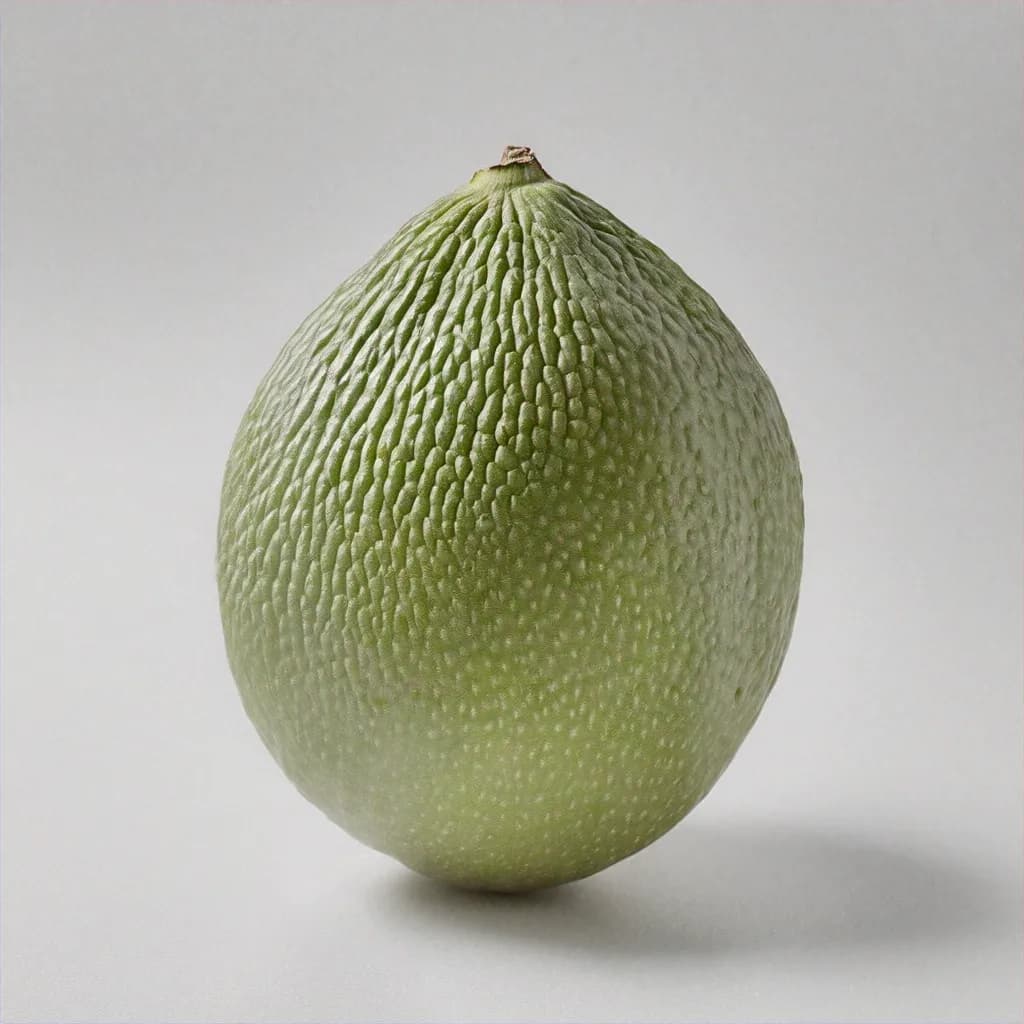
बिरिबा
Rollinia mucosa
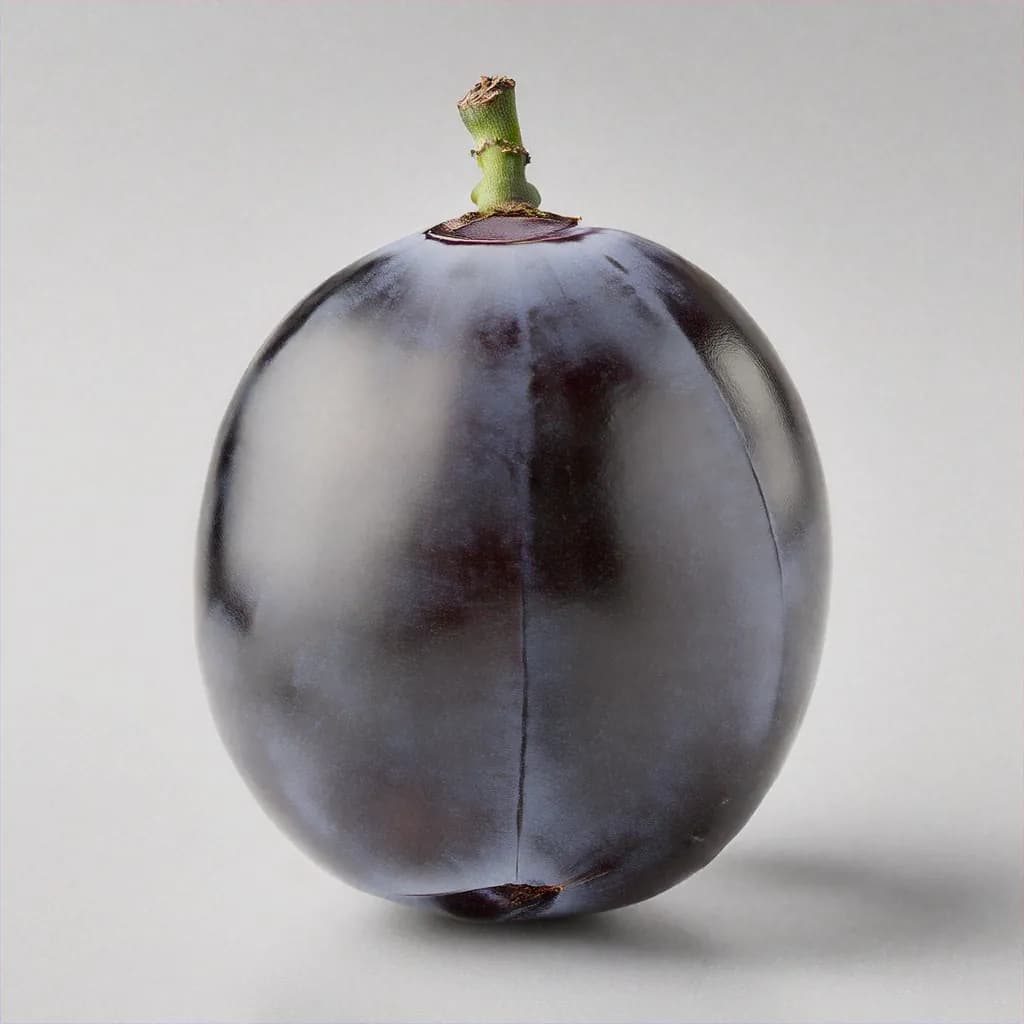
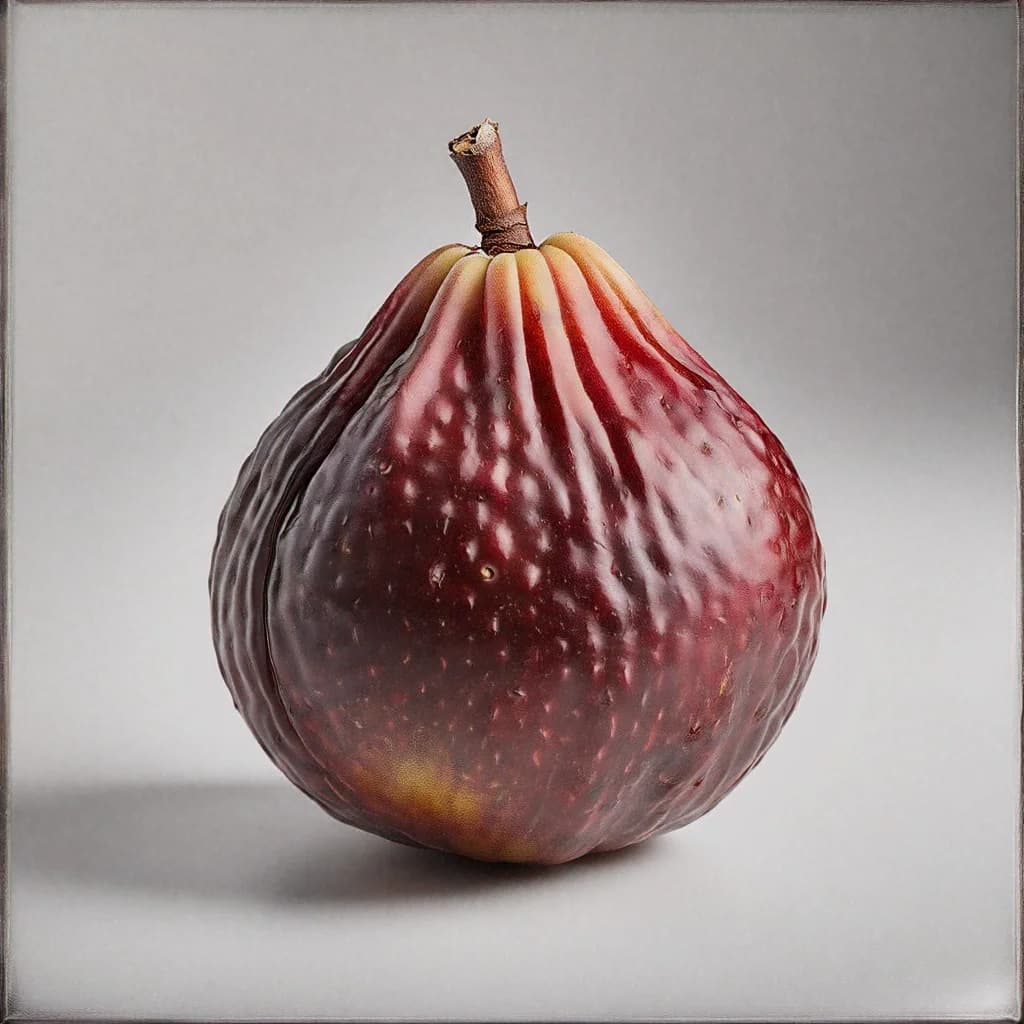
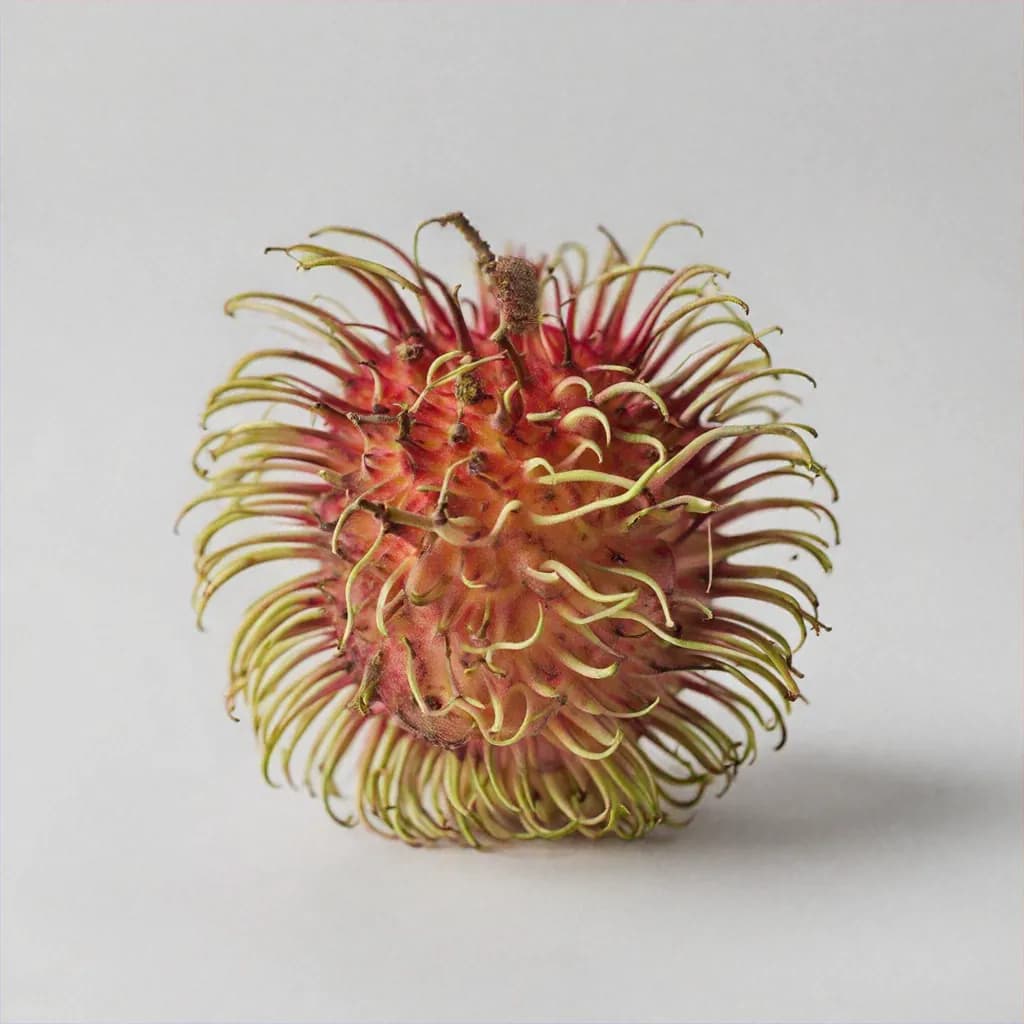
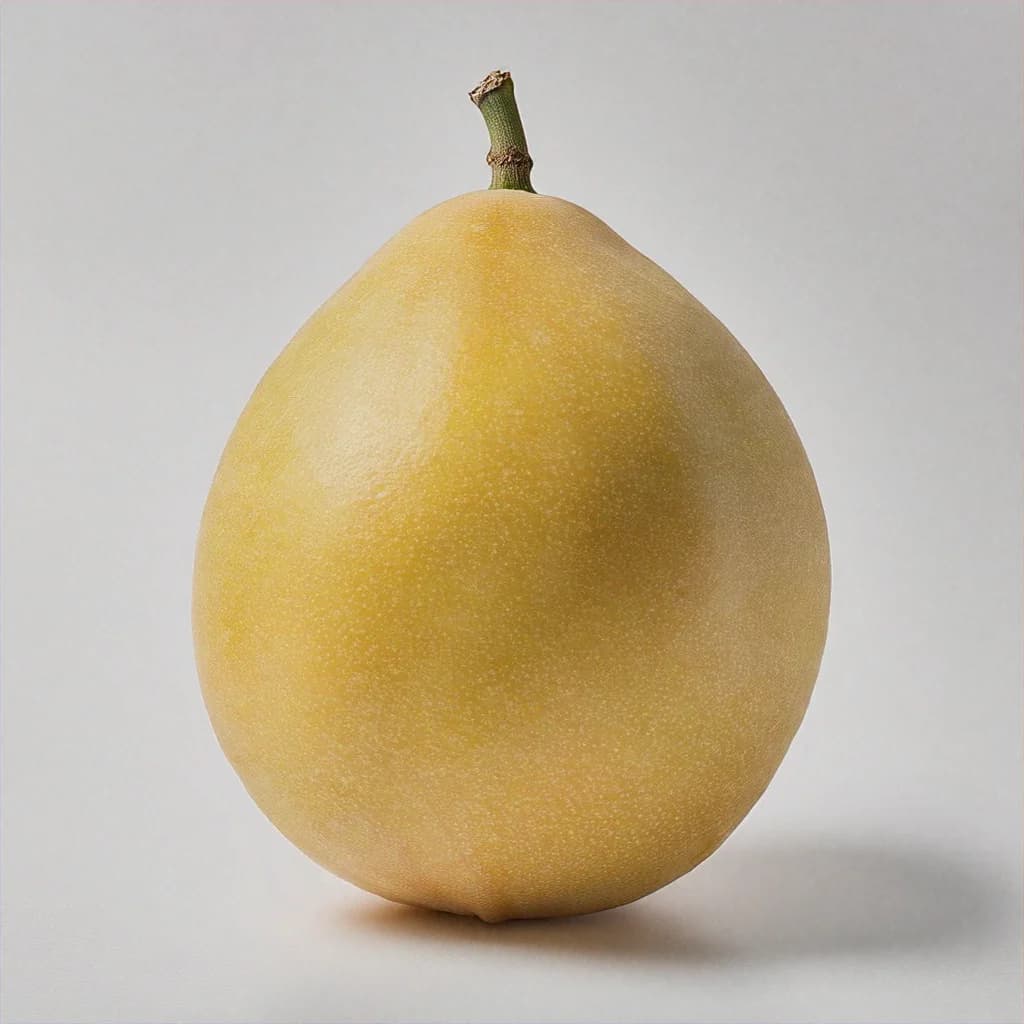
बिरिबा, जिसका वैज्ञानिक नाम Rollinia mucosa है, अमेज़न वर्षावन और मध्य तथा दक्षिण अमेरिका के अन्य हिस्सों का एक उष्णकटिबंधीय फल है। इसे अक्सर "वाइल्ड शुगर ऐपल" या "बिरिबा�" के नाम से जाना जाता है। यह विलक्षण फल अपनी क्रीमी, कस्टर्ड जैसी बनावट और अनन्य मीठी-खट्टी स्वाद के लिए प्रसिद्ध है, जो अनानास, केला और नींबू के मिश्रण के समान होता है। फल आमतौर पर हृदयाकार या अंडाकार होता है, जिसकी चिकनी, हरे-पीले रंग की छाल रिपन होने पर नरम हो जाती है और नरम, सफेद से हल्के पीले फल का रस दिखाई देता है, जिसमें छोटे, काले बीज भरे होते हैं। बिरिबा केवल एक रसोईगृह का आनंद नहीं, बल्कि एक पोषण शक्ति भी है, जो आवश्यक विटामिन, खनिज और एंटीऑक्सीडेंट्स से भरपूर है जो प्रतिरक्षा कार्य, पाचन स्वास्थ्य और सामान्य कल्याण को समर्थन देते हैं। इसकी अनूठी स्वाद और बनावट इसे अपने मूल क्षेत्रों में स्मूदी, मिठाइयों और पारंपरिक पेयों में एक पसंदीदा बनाती है। सांस्कृतिक रूप से, बिरिबा आदिवासी समुदायों में महत्वपूर्ण है, जहां इसे सदियों से खाने के साथ-साथ पारंपरिक चिकित्सा में भी उपयोग किया जाता रहा है।
बिरिबा फोटो गैलरी
बिरिबा को शानदार विवरण में देखें
बिरिबा - मुख्य दृश्य

बिरिबा - दृश्य 1
बिरिबा पोषण तथ्य
💊विटामिन
प्रति 100 ग्राम
⚡खनिज
प्रति 100 ग्राम
प्रति सर्विंग
एक सर्विंग का पोषण विवरण
बिरिबा के स्वास्थ्य लाभ
बिरिबा उत्पत्ति और वितरण
अमेज़न वर्षावन, मध्य और दक्षिण अमेरिका
बिरिबा को सदियों से अमेज़न बेसिन के आदिवासी समुदायों द्वारा उगाया और खाया जाता रहा है। इस फल का पारंपरिक रूप से पाचन समस्याओं, त्वचा की समस्याओं और प्राकृतिक ऊर्जा बूस्टर के रूप में उपयोग किया जाता रहा है। उष्णकटिबंधीय कृषि के विस्तार के साथ, बिरिबा स्थानीय बाजारों में लोकप्रिय हुआ और अब विभिन्न रसोईगृह अनुप्रयोगों में आनंद लिया जाता है। इसकी अनूठी स्वाद और पोषण प्रोफाइल ने अंतरराष्ट्रीय बाजारों में रुचि जगाई है, हालांकि यह अपने मूल क्षेत्रों के बाहर एक अपेक्षाकृत सीमित फल बना हुआ है। यह अक्सर छोटे पैमाने के खेतों और बैकयार्ड बगीचों में उगाया जाता है, जो स्थानीय अर्थव्यवस्था और खाद्य सुरक्षा में योगदान देता है।
बिरिबा पीक सीज़न
उष्णकटिबंधीय जलवायु में पूरे वर्ष, अधिकतम उत्पादन मार्च से अगस्त तक
बिरिबा किस्में
हर किस्म का स्वाद, बनावट और उपयोग अलग होता है
Common Biriba (Rollinia mucosa)
Wild Biriba (Rollinia deliciosa)
बिरिबा स्टोरेज और चयन गाइड
फलों को अधिक समय तक ताज़ा रखें
सही फल कैसे चुनें
हल्के से नरम फल चुनें, जो परिपक्वता का संकेत देते हैं। कठोर या अत्यधिक मुलायम स्थानों वाले फलों से बचें।
भूरे धब्बों वाले जीवंत पीले रंग की ओर देखें, जो आदर्श परिपक्वता को दर्शाता है। हरे फल अपरिपक्व होते हैं और खट्टे हो सकते हैं।
फल की गंध लें: मीठी, उष्णकटिबंधीय गंध परिपक्वता का संकेत है, जबकि गंध की कमी इसकी तैयारी न होने का संकेत है।
छाल में दाग या दरारों की जांच करें, जो क्षति या चोट का संकेत हो सकते हैं।
फल को हल्के से दबाएं; यह एक परिपक्व अवोकाडो की तरह हल्के से नरम होना चाहिए।
मोल्ड या अप्रिय गंध वाले फलों से बचें, क्योंकि ये अत्यधिक परिपक्वता या अपघटन के संकेत हैं।
सही स्टोरेज तरीके
अपरिपक्व बिरिबा को कमरे के तापमान पर रखें जब तक कि यह नरम न हो जाए और मीठी गंध विकसित न कर ले (आमतौर पर 2-3 दिन)।
एक बार परिपक्व हो जाने के बाद, फल को रिफ्रिजरेटर में रखें ताकि आगे की परिपक्वता धीमी हो जाए और शेल्फ लाइफ 3-5 दिन तक बढ़ जाए।
बिरिबा को छिद्रित प्लास्टिक बैग या वायुरोधी बर्तन में रखें ताकि आर्द्रता बनी रहे और सूखने से बचा जा सके।
खाने से पहले तक फल को न धोएं, क्योंकि अतिरिक्त नमी मोल्ड के विकास को बढ़ा सकती है।
शेल्फ लाइफ गाइड
फ्रीज़ करने के निर्देश
कई महीनों तक ताज़गी बनाए रखें
फल की छाल उतारें और बीज निकालें, फिर स्मूदी या मिठाइयों के लिए पल्प को प्यूरी बना लें। आसान भागों के लिए आइस क्यूब ट्रे में जमा लें।
वैकल्पिक रूप से, पल्प को काटकर बेकिंग शीट पर फैलाएं और फ्रीजर बैग में स्थानांतरित करने से पहले जमा लें ताकि जमकर चिपकने से बचा जा सके।
जमी हुई बिरिबा पल्प 3 महीने तक अपना स्वाद और पोषण मूल्य बनाए रखती है। उपयोग से पहले रेफ्रिजरेटर में गलाएं।
प्रो टिप
ताज़गी ट्रैक करने के लिए जमे हुए आइटम पर तारीख लिखें। सही तरीके से फ्रीज़ करने पर अधिकांश फल 2-3 महीनों तक गुणवत्ता बनाए रखते हैं। फ्रीज़र बर्न से बचने के लिए एयरटाइट कंटेनर या फ्रीज़र बैग का उपयोग करें।
पाक यात्रा
स्वादिष्ट विकल्प खोजें
सामान्य उपयोग
परफेक्ट पेयरिंग
लोकप्रिय रेसिपी
ताज़ा पेय
सुरक्षा जानकारी
Biriba is not commonly associated with allergies, but individuals with sensitivities to other fruits in the Annonaceae family (e.g., sugar apple, cherimoya) may experience mild allergic reactions. Symptoms could include itching, swelling, or digestive discomfort. If you have a known allergy to similar fruits, consult a healthcare provider before consuming biriba.
Like many tropical fruits, biriba may be exposed to pesticides, especially in conventional farming. To minimize risk, choose organic biriba when possible, or thoroughly wash and peel the fruit before consumption. Pesticide residues are more likely to be present on the skin, which is not typically eaten.
- • Individuals with latex-fruit syndrome, as biriba may trigger cross-reactivity in those allergic to latex.
- • People with diabetes should consume biriba in moderation due to its natural sugar content, though its low glycemic index makes it a better option than refined sugars.
- • Those with kidney issues should monitor potassium intake, as biriba contains moderate levels of this mineral.
- •Consuming unripe biriba may cause digestive discomfort, such as bloating or stomach cramps, due to its higher acidity and fiber content.
- •Eating large quantities of biriba seeds may cause mild toxicity, as they contain compounds that can be harmful if ingested in excess.
- •Overconsumption of biriba may lead to diarrhea or loose stools due to its high fiber and natural sugar content.
- • Always wash the fruit thoroughly under running water to remove dirt, bacteria, or pesticide residues.
- • Avoid consuming the seeds, as they contain compounds that can be toxic if ingested in large amounts.
- • Use clean utensils and cutting boards to prevent cross-contamination, especially if preparing biriba with other foods.
रोचक तथ्य बिरिबा के बारे में
ऐसी बातें जो आपको पसंद आएंगी!
Biriba is often called the "wild sugar apple" because of its resemblance to the sugar apple, though it has a more tropical, tangy flavor.
The fruit is a favorite among indigenous communities in the Amazon, where it has been used for centuries in traditional medicine to treat digestive issues and skin conditions.
Biriba trees can grow up to 30 feet tall and produce fruit year-round in tropical climates, making them a reliable food source.
The seeds of biriba are not edible and should be discarded, as they contain compounds that can be toxic if ingested in large quantities.
Biriba is one of the few fruits that ripens off the tree; it will continue to soften and sweeten after being picked, similar to avocados or bananas.
In some regions, biriba is fermented to make a traditional alcoholic beverage called "chicha," which is enjoyed during festivals and celebrations.
The fruit’s creamy texture makes it an excellent natural thickener for smoothies, sauces, and desserts, reducing the need for added sugars or fats.
Biriba is pollinated by beetles, which are attracted to the fruit’s strong, sweet aroma when it ripens.
अक्सर पूछे जाने वाले प्रश्न
What does biriba taste like?
GeneralBiriba has a unique, tropical flavor that blends the sweetness of banana, the tanginess of pineapple, and a subtle citrusy note reminiscent of lemon. Its texture is creamy and custard-like, similar to a ripe sugar apple or cherimoya. When fully ripe, the fruit is soft and juicy, making it a delightful snack or ingredient in smoothies and desserts. The taste can vary slightly depending on the variety, with some being slightly more tart or fibrous, but overall, biriba is celebrated for its sweet, aromatic profile.
How do you eat biriba?
PreparationTo eat biriba, start by washing the fruit thoroughly. Cut it in half lengthwise, exposing the creamy pulp and black seeds. Use a spoon to scoop out the pulp, discarding the seeds. The pulp can be eaten fresh, blended into smoothies, or used in desserts like custards, ice cream, or jams. Avoid eating the skin or seeds, as they are not edible. For the best flavor, allow the fruit to ripen fully until it softens and develops a sweet aroma. Unripe biriba can be tart and less enjoyable.
Is biriba good for weight loss?
HealthBiriba can be a beneficial addition to a weight loss diet due to its low calorie content (80 kcal per 100g) and high fiber content (2.5g per 100g). Fiber promotes satiety, helping you feel full longer and reducing overall calorie intake. Additionally, biriba’s natural sweetness can satisfy cravings for sugary snacks, making it a healthier alternative. However, it’s important to consume biriba as part of a balanced diet and not rely on it solely for weight loss. Pairing it with protein and healthy fats can further enhance its weight management benefits.
What are the health benefits of biriba?
HealthBiriba is packed with essential nutrients and health benefits. It is rich in Vitamin C (28% DV per 100g), which supports immune function, skin health, and antioxidant protection. Its fiber content (9% DV) aids digestion and promotes gut health. Biriba also contains potassium (5% DV), which helps regulate blood pressure and muscle function. Additionally, it provides B vitamins (B1, B2, B3, B6), which support energy production, brain health, and metabolic function. The fruit’s antioxidants, such as flavonoids and polyphenols, help reduce inflammation and protect against chronic diseases. Regular consumption may also support heart health, eye health, and cognitive function.
Can you freeze biriba?
PreparationYes, biriba can be frozen to extend its shelf life and preserve its flavor and nutrients. To freeze, peel and deseed the fruit, then puree the pulp or slice it into chunks. Spread the pulp or slices on a baking sheet and freeze until solid before transferring to a freezer bag or airtight container. This prevents clumping and makes it easier to portion later. Frozen biriba pulp can be used in smoothies, desserts, or sauces. It retains its nutritional value and flavor for up to 3 months. Thaw the pulp in the refrigerator before use, and avoid refreezing once thawed to maintain quality.
Is biriba the same as sugar apple or cherimoya?
ScienceWhile biriba (Rollinia mucosa) is often compared to sugar apple (Annona squamosa) and cherimoya (Annona cherimola) due to their similar appearance and custard-like texture, they are distinct fruits. Biriba has a more tropical, tangy flavor with notes of pineapple and lemon, whereas sugar apple and cherimoya are sweeter and milder. Biriba’s skin is spikier and turns yellow when ripe, while sugar apple and cherimoya have smoother, scaly skins. All three fruits belong to the Annonaceae family but originate from different regions: biriba is native to the Amazon, sugar apple to the Caribbean, and cherimoya to the Andes. Each has unique nutritional profiles and culinary uses.
Where can I buy biriba?
GeneralBiriba is primarily found in tropical regions of Central and South America, particularly in local markets in Brazil, Peru, Colombia, and Ecuador. Outside these regions, it can be challenging to find fresh biriba due to its perishable nature. However, specialty tropical fruit markets, Latin American grocery stores, or online exotic fruit retailers may carry it, especially in cities with diverse populations. Some health food stores or international markets may also stock frozen biriba pulp or products like jams or juices. If you’re unable to find fresh biriba, consider trying sugar apple or cherimoya as alternatives, which offer similar textures and flavors.