Loading Fruit Details...
Please wait while we fetch nutritional information and health benefits
Please wait while we fetch nutritional information and health benefits
Recommended Products
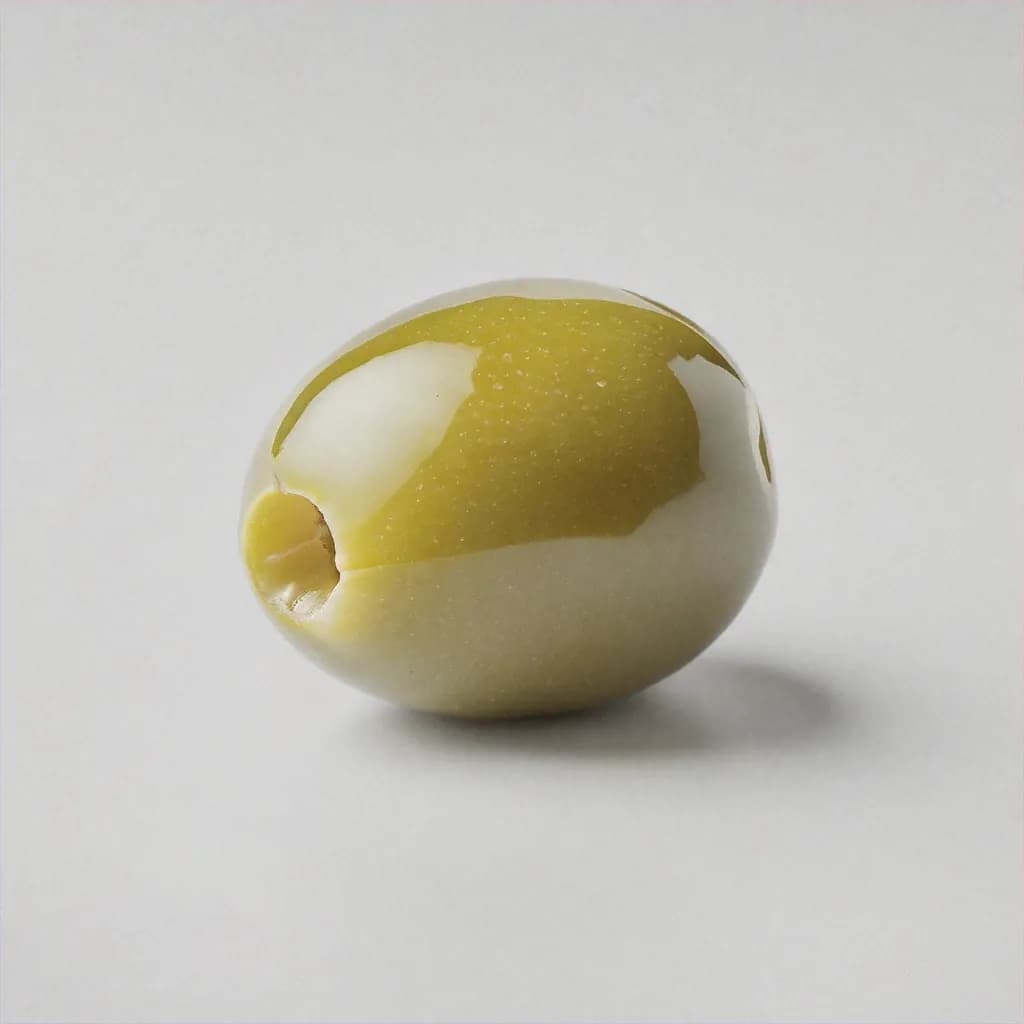
Olea europaea
Olive is a Mediterranean fruit with small pit and distinctive briny flavor. Excellent source of vitamin E (15% DV) supporting cellular antioxidant defense and skin health. Rich in healthy monounsaturated fat (11g) supporting heart health and cholesterol management. Good source of fiber (3.2g) supporting digestive health. Excellent source of polyphenols with powerful antioxidant and anti-inflammatory benefits. Contains oleic acid supporting cardiovascular function. Low in sugar (0.5g) ideal for weight management. Small green or black fruit with firm texture. Native to Mediterranean region, olives gaining recognition as heart-healthy superfruit supporting wellness.
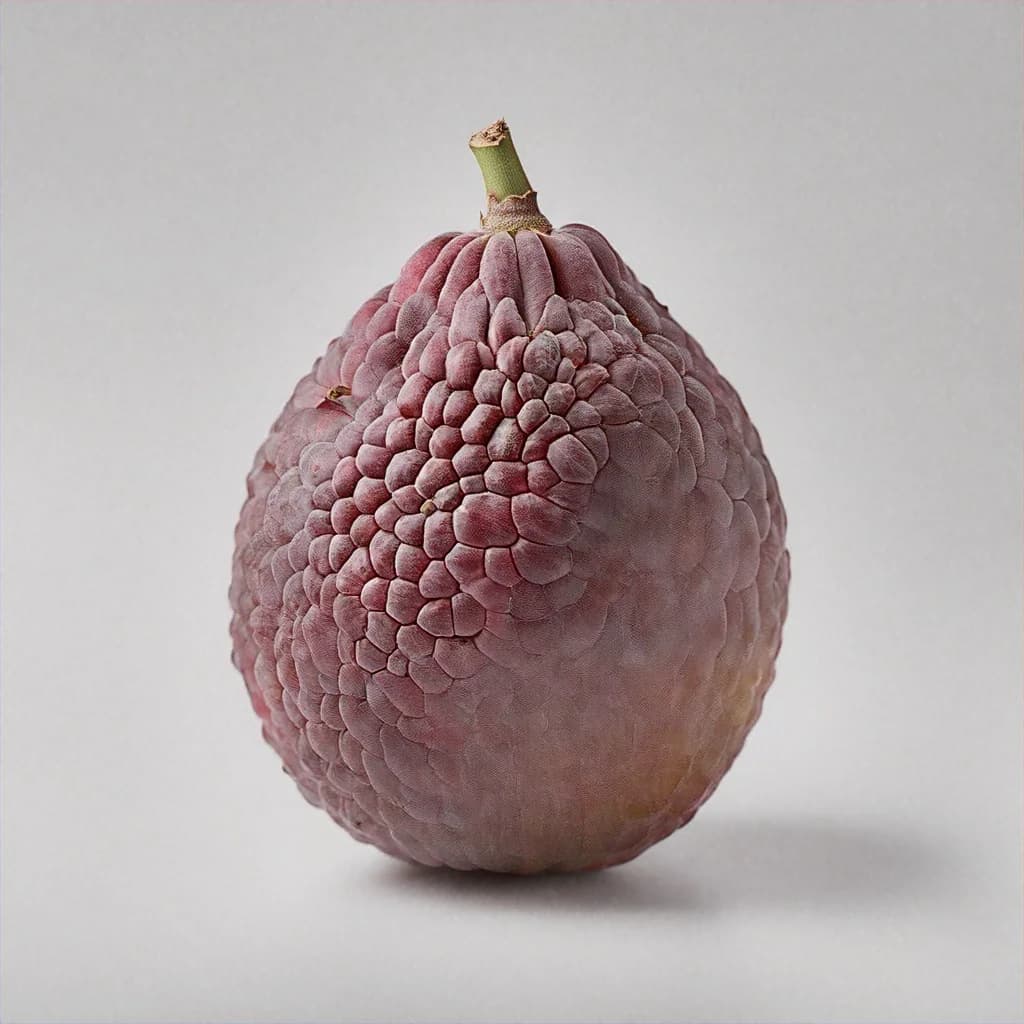
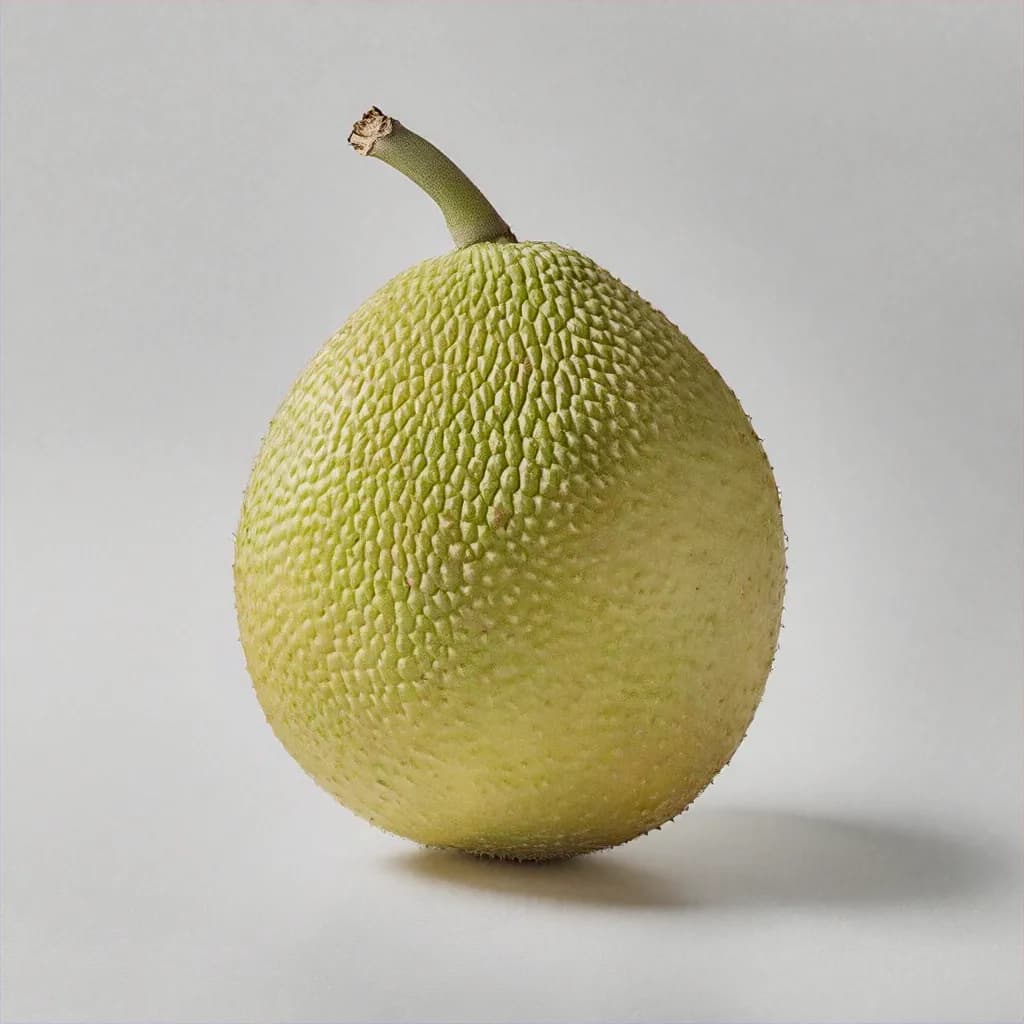
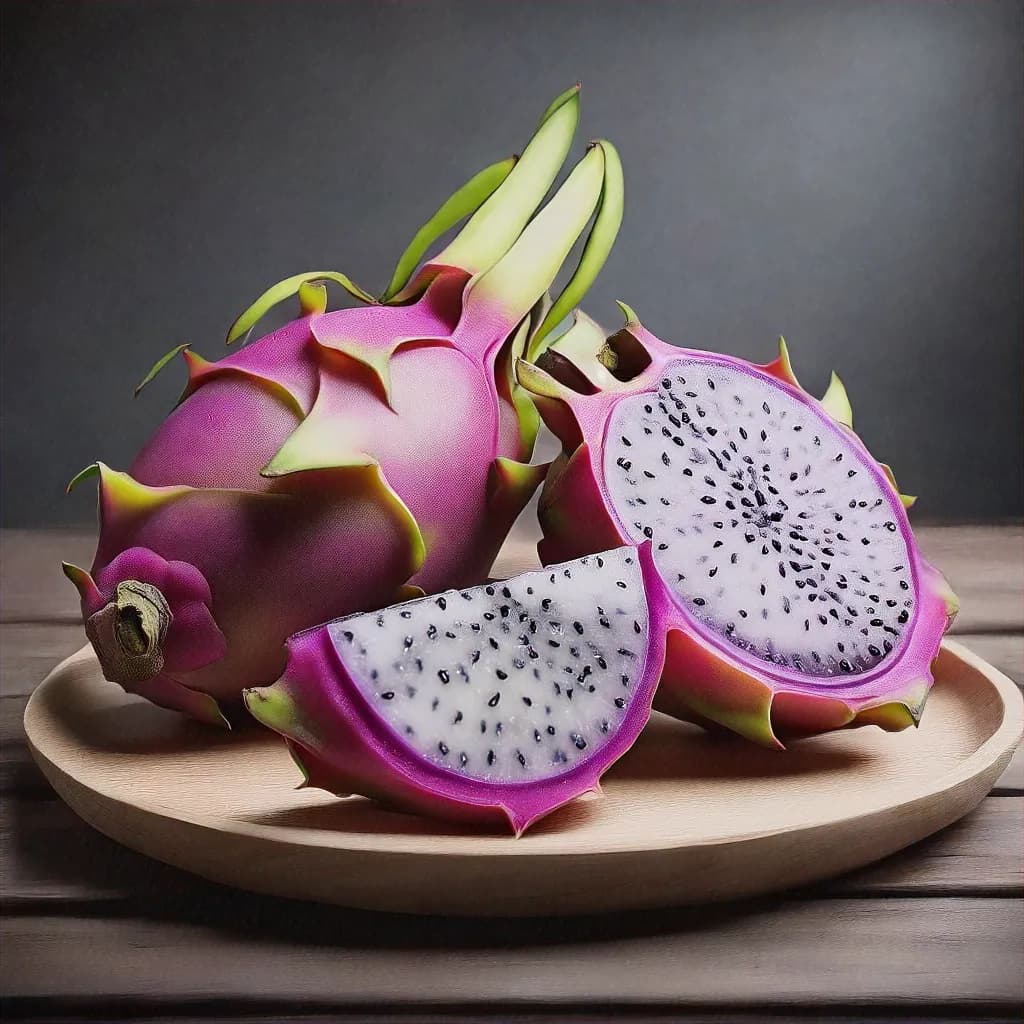
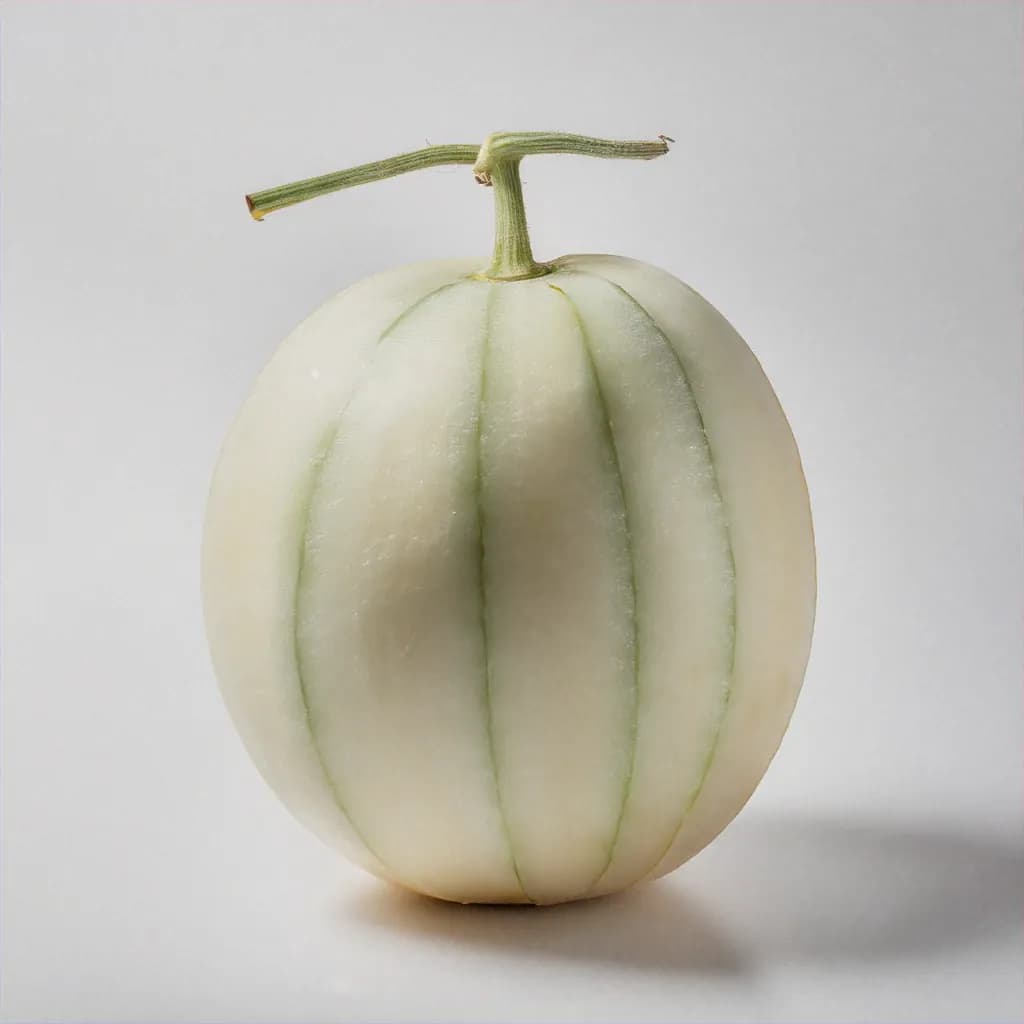
Explore Olive in stunning detail
Olive - Main View
Per 100g
Per 100g
Nutrition breakdown for one serving
Mediterranean, Eastern Mediterranean, Middle East
Olive originated in Eastern Mediterranean with cultivation spanning 6000 years. Ancient Mediterranean civilizations prizing for oil and food. Roman expansion spreading cultivation throughout Mediterranean. Islamic culture emphasizing olive significance in holy texts. Spanish colonial expansion bringing olives to Americas. Modern cultivation expanding globally. Mediterranean diet foundation with olive as central component. International recognition for health benefits expanding market.
Peak season September-November in Northern Hemisphere
Each variety offers unique flavors, textures, and culinary applications
Keep your fruit fresh and delicious for longer
Select olives with firm texture without bruises
Choose by color preference - green for mild, black for ripe flavor
Look for brine-cured or oil-cured varieties
Check packaging date for freshness
Avoid soft or discolored olives
Consider pit or pitted preference
Purchase from Mediterranean specialty markets for premium varieties
Source from reputable olive producers
Store opened jars in refrigerator up to 2 weeks
Keep in original brine to maintain freshness
Unopened jars store in cool dark pantry up to 1 year
Transfer to glass container if removing from tin
Do not rinse before eating to preserve flavor
Can be frozen up to 6 months if needed
Brine prevents oxidation and maintains quality
Preserve freshness for months
Olives can be frozen in brine for 6 months
Transfer to freezer-safe container
Maintain quality for extended storage
Thaw before consuming
Texture may soften slightly after freezing
Use frozen olives in cooked applications
Label frozen items with the date to track freshness. Most fruits maintain quality for 2-3 months when properly frozen. For best results, use airtight containers or freezer bags to prevent freezer burn.
Discover delicious possibilities
Olive allergies extremely rare with minimal documented cases. Tree fruit allergies uncommon in general population. Allergic reactions very uncommon. Generally safe for most individuals. Those with severe fruit allergies should consult allergist. Possible cross-reactivity with related tree fruits but rare.
Olives cultivated with varying pesticide practices in Mediterranean regions. Organic olives available from certified producers. Conventional fruits acceptable - brine process reducing pesticide residue. Mediterranean suppliers often emphasizing sustainable practices.
Surprising trivia you'll love!
Olive cultivation spans 6000 years making it one of oldest cultivated Mediterranean fruits with ancient civilizational significance
Exceptional vitamin K (50% DV) among highest of fruits supporting bone health and cardiovascular wellness
Monounsaturated fat (11g) supports heart health comparable to heart-healthy oils in Mediterranean diet
Polyphenol antioxidants provide powerful cancer-fighting and anti-inflammatory benefits comparable to berries
Unique oleuropein and hydroxytyrosol compounds found exclusively in olives showing antimicrobial properties
Very low glycemic index (15) and load (1) makes olives ideal for diabetic and weight management diets
Mediterranean diet foundation with olive as central component supporting longevity and cardiovascular health
Islamic tradition emphasizing olive as holy fruit mentioned in Quran with spiritual and cultural significance
Ancient Romans using olives as military food and trade commodity supporting empire expansion
Modern research validating 6000 years of traditional knowledge about olive health benefits
Olive exceptional Mediterranean fruit with unique health properties and dietary significance. MONOUNSATURATED FAT: 11g healthy fat content. Heart-protective properties. Cholesterol management. Cardiovascular wellness. Blood pressure support. POLYPHENOL CONTENT: Powerful antioxidant compounds. Anti-inflammatory benefits. Disease prevention. Cellular protection. Oxidative stress reduction. OLEUROPEIN COMPOUND: Unique olive compound. Antimicrobial properties. Anti-inflammatory support. Health benefits. Immune function. HYDROXYTYROSOL: Powerful antioxidant. Oxidative stress reduction. Inflammation management. Cardiovascular support. Disease prevention. VITAMIN K EXCEPTIONAL: 50% DV supporting bone. Cardiovascular health. Blood clotting. Bone density. Vascular function. VITAMIN E CONTENT: 15% DV supporting cellular. Antioxidant defense. Skin health. Immune support. COPPER CONTENT: 14% DV supporting collagen. Iron metabolism. Immune function. Enzymatic reactions. VERY LOW GLYCEMIC: Index 15, load 1. Blood sugar safe. Diabetic-friendly. Stable energy. MEDITERRANEAN DIET: Foundation ingredient. Longevity support. Health research. Traditional use. Cultural significance. ANTI-INFLAMMATORY: Polyphenol compounds. Disease prevention. Wellness support. Chronic disease prevention. HISTORIC USE: 6000 years cultivation. Ancient significance. Cultural heritage. Traditional importance. MODERN RESEARCH: Health benefit validation. Cardiovascular studies. Antioxidant research. Clinical evidence. BOTTOM LINE: Olive exceptional Mediterranean fruit with rich monounsaturated fat (11g) for heart health, exceptional vitamin K (50% DV) for bone and cardiovascular health, powerful polyphenols and antioxidants with anti-inflammatory benefits, unique oleuropein and hydroxytyrosol compounds, vitamin E (15% DV) for cellular defense, very low glycemic profile, Mediterranean diet foundation for longevity and cardiovascular wellness.
Olive versatile culinary ingredient with diverse applications emphasizing Mediterranean flavors. FRESH EATING: Table olives direct consumption. Brined flavor. Firm texture. Simple enjoyment. Traditional preparation. MARINATED OLIVES: Prepare with herbs. Garlic and lemon. Oil infusion. Mediterranean marinade. Flavor enhancement. TAPENADE PREPARATION: Blend olives with anchovies. Capers addition. Garlic inclusion. Lemon juice. Spread preparation. SALAD INGREDIENT: Fresh olives in salads. Mediterranean salad. Tomato combination. Feta cheese pairing. Dressing incorporation. PASTA DISHES: Olives in pasta sauces. Tomato base. Garlic preparation. Herb infusion. Culinary application. PIZZA TOPPING: Fresh olives on pizza. Texture addition. Flavor complexity. Traditional topping. APPETIZER PREPARATION: Mixed olive platter. Cheese pairing. Bread accompaniment. Aperitif service. COCKTAIL GARNISH: Martini preparation. Cocktail garnish. Drink ingredient. Flavor addition. BASIC MARINATED RECIPE: Fresh olives 2 cups, olive oil 1 cup, lemon juice 2 tablespoons, garlic cloves 3, oregano 1 teaspoon, mix and marinate 3-7 days. BASIC TAPENADE RECIPE: Olives 2 cups, anchovies 6, capers 2 tablespoons, garlic 2 cloves, lemon juice 1 tablespoon, pulse in food processor until chunky. MEDITERRANEAN SALAD: Olives 1 cup, tomatoes diced, cucumbers, feta cheese, oregano, olive oil dressing. PASTA WITH OLIVES: Olives 1 cup, garlic 4 cloves, tomatoes 2 cups, pasta 1 pound, combine and simmer. STORAGE: Marinated olives lasting 2-3 weeks. Tapenade lasting 1 week. Opened jars lasting 2 weeks. BOTTOM LINE: Olive versatile culinary ingredient with fresh table eating, marinated preparation, tapenade and paste making, salad incorporation, pasta dishes, pizza topping, appetizer platters, cocktail garnish, and diverse recipes highlighting unique briny Mediterranean flavor and healthy fat content.
Olive safe for consumption with minimal documented safety concerns. Generally well-tolerated by most individuals. ALLERGY INFO: Olive allergies extremely rare. Tree fruit allergies uncommon. Allergic reactions very uncommon. Generally safe for most individuals. Allergist consultation if severe reactions possible. Cross-reactivity with related tree fruits minimal. SALT CONTENT: Cured olives high in sodium. Note for salt-restricted diets. Rinse to reduce sodium if needed. Moderation important. Consult healthcare provider. PREPARATION SAFETY: Use clean utensils. Proper handling important. Avoid contamination. Brine maintenance. Food safety standards. CHILDREN CONSIDERATIONS: Pit hazard if whole olives. Remove pits completely. Pitted varieties safer. Age-appropriate consumption. Nutritious food option. PREGNANCY CONSIDERATIONS: Olives safe during pregnancy. Vitamin K important. Folate present. No contraindications documented. Moderation recommended. Salt content note. DIGESTIVE CONSIDERATIONS: High fat content generally supportive. Some experiencing digestive effects from high fat. Introduce gradually. Adequate overall nutrition. Fat adaptation. SIDE EFFECTS: Minimal side effects documented. Some experiencing digestive changes. Rare allergic reactions if sensitive. Most individuals tolerating well. MEDICATION INTERACTIONS: Olives unlikely to interact with medications. High vitamin K note for blood-thinning medications. Consult healthcare provider if concerns. Sodium content note. STORAGE SAFETY: Refrigerate opened jars. Use within 2-3 weeks. Discard any moldy fruit. Proper brine maintenance. Food safety important. PESTICIDE CONCERNS: Olives cultivated with varying practices. Organic olives available. Conventional acceptable with brine rinsing. Mediterranean suppliers often sustainable. SODIUM CONTENT: Cured olives high in sodium. Salt-restricted diets requiring caution. Rinse option. Moderation important. BOTTOM LINE: Olive safe for consumption with minimal documented safety concerns, rare allergies, suitable for children with pit removal, high sodium content note for salt-restricted diets, no contraindicated medications except blood-thinners, proper storage important, and consultation with healthcare provider appropriate for specific individual concerns.
Olive profound cultural significance reflecting Mediterranean and Middle Eastern heritage spanning 6000 years. ANCIENT ORIGINS: Olive originated in Eastern Mediterranean. 6000 years cultivation history. Ancient civilizations significance. Cultural icon. Historical importance. MEDITERRANEAN CIVILIZATION: Ancient Greece and Rome. Imperial courts significance. Trade importance. Cultural symbol. Civilizational foundation. ISLAMIC HERITAGE: Quranic significance emphasizing. Holy fruit status. Spiritual importance. Religious symbolism. Cultural reverence. SPANISH COLONIAL: Spanish expansion spreading. Americas introduction. Cultural transplantation. New world cultivation. Global expansion. MEDITERRANEAN DIET: Foundation ingredient. Longevity research. Health focus. Cultural practice. Traditional lifestyle. AGRICULTURAL SIGNIFICANCE: Tree cultivation spanning centuries. Orchard traditions. Generational knowledge. Land connection. Heritage preservation. SEASONAL CELEBRATIONS: Harvest season importance. Festival significance. Community gathering. Traditional events. CULINARY HERITAGE: Traditional recipes. Regional variations. Cooking traditions. Generational knowledge. Cultural transmission. MEDICINAL USE: Traditional medicine applications. Health benefit knowledge. Healing traditions. Holistic practices. OLIVE OIL: Ancient oil extraction. Ceremonial significance. Culinary foundation. Cultural prestige. Premium commodity. DIASPORA SIGNIFICANCE: Mediterranean communities maintaining traditions. Cultural heritage preservation. Identity connection. Intergenerational transmission. MODERNIZATION: Contemporary chefs rediscovering. Fusion cuisine development. Global culinary adoption. Modern appreciation. EXPORT DEVELOPMENT: International market access increasing. Specialty status. Premium positioning. Global recognition. WELLNESS TRENDS: Heart-health focus. Mediterranean diet popularity. Antioxidant emphasis. Health-conscious adoption. SUSTAINABILITY APPEAL: Tree cultivation reducing modification. Sustainable farming. Organic potential. Environmental stewardship. BOTTOM LINE: Olive profound cultural significance reflecting 6000-year Eastern Mediterranean heritage, ancient Greek and Roman civilizations, Islamic holy fruit status and Quranic significance, Spanish colonial expansion, Mediterranean diet foundation for health and longevity, agricultural traditions spanning centuries, seasonal harvest celebrations, traditional medicine and healing practices, olive oil ceremonial and culinary prestige, diaspora community heritage preservation, contemporary culinary rediscovery, sustainable tree cultivation, emerging international market recognition, and wellness community embrace.
Sustainability insights
Olive cultivation represents Mediterranean agricultural practice with environmental considerations. Benefits include drought-resistant tree cultivation, agroforestry integration, sustainable farming compatibility, and Mediterranean biodiversity support. Challenges include pesticide use in conventional cultivation, water usage in dry regions, long-distance transportation carbon footprint, and commercial plantation monoculture. Sustainable practices include organic farming, integrated pest management, water conservation, and supporting traditional Mediterranean producers.
Olive carbon footprint varies by cultivation region and transportation method. Mediterranean cultivation in Spain, Italy, Greece, Turkey, and surrounding regions. Long-distance international shipping increasing carbon impact significantly. Organic cultivation reducing overall environmental footprint. Local regional consumption reducing transportation. Seasonal purchasing when available.
Olive cultivation requires moderate water adapted to Mediterranean rainfall. Drought-resistant tree requiring minimal supplemental irrigation. Mediterranean climate supporting natural growth. Water conservation practices important. Sustainable water management possible. Established trees reducing water needs compared to annual crops.
Supporting Mediterranean olive producers maximizes environmental benefit. Local Mediterranean cultivation. Organic and sustainable farming preferred. Seasonal purchasing when available. Local processing and oil production reducing carbon footprint. Supporting traditional Mediterranean communities. BEST PRACTICES: Choose Mediterranean-sourced olives, support organic producers, source from fair-trade suppliers, purchase seasonally when available, minimize processing and packaging.
We aim to keep this Olive profile accurate and easy to understand. Nutrition values and % Daily Value figures are based on established reference databases and standard daily value guidance.
Last updated: September 14, 2026
Medical disclaimer
This page is for general educational purposes and does not replace professional medical advice.
Found an issue? Contact us.