Loading Fruit Details...
Please wait while we fetch nutritional information and health benefits
Please wait while we fetch nutritional information and health benefits
Recommended Products
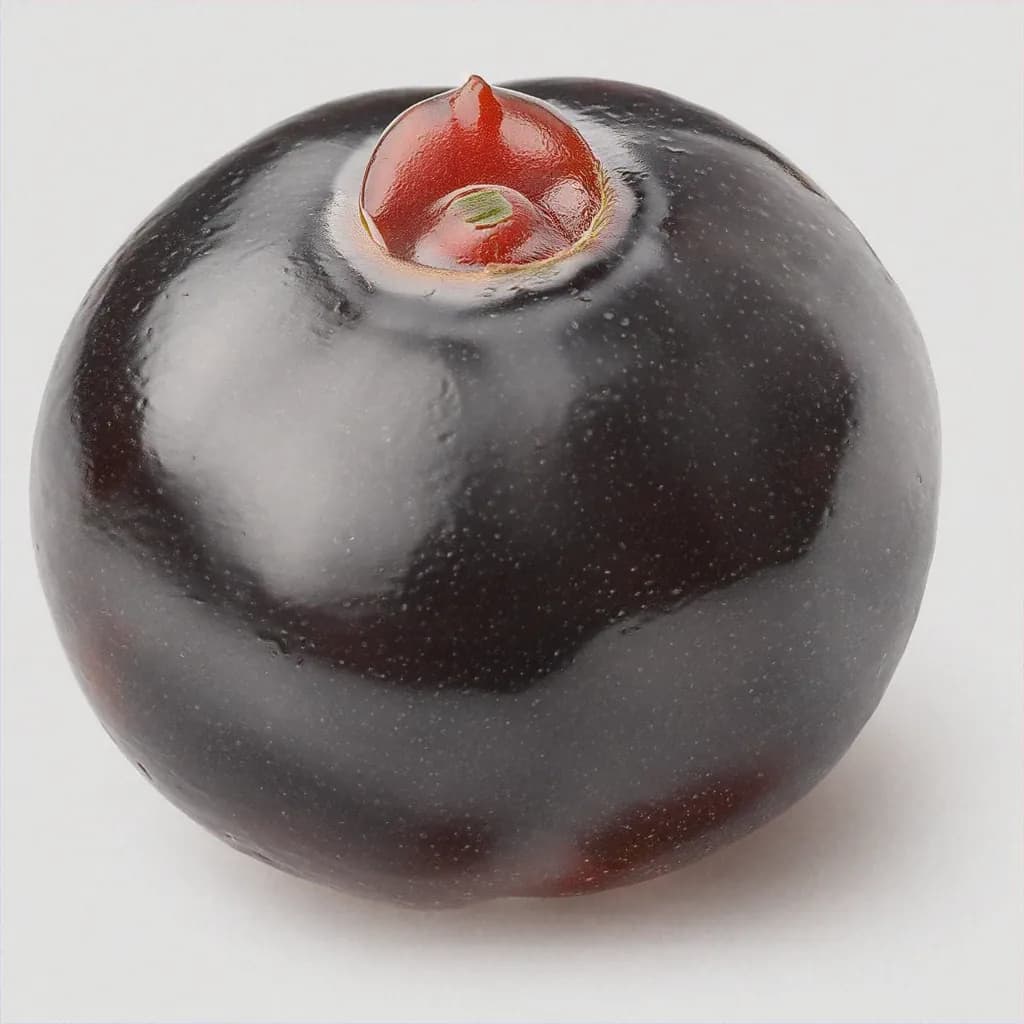
Empetrum nigrum
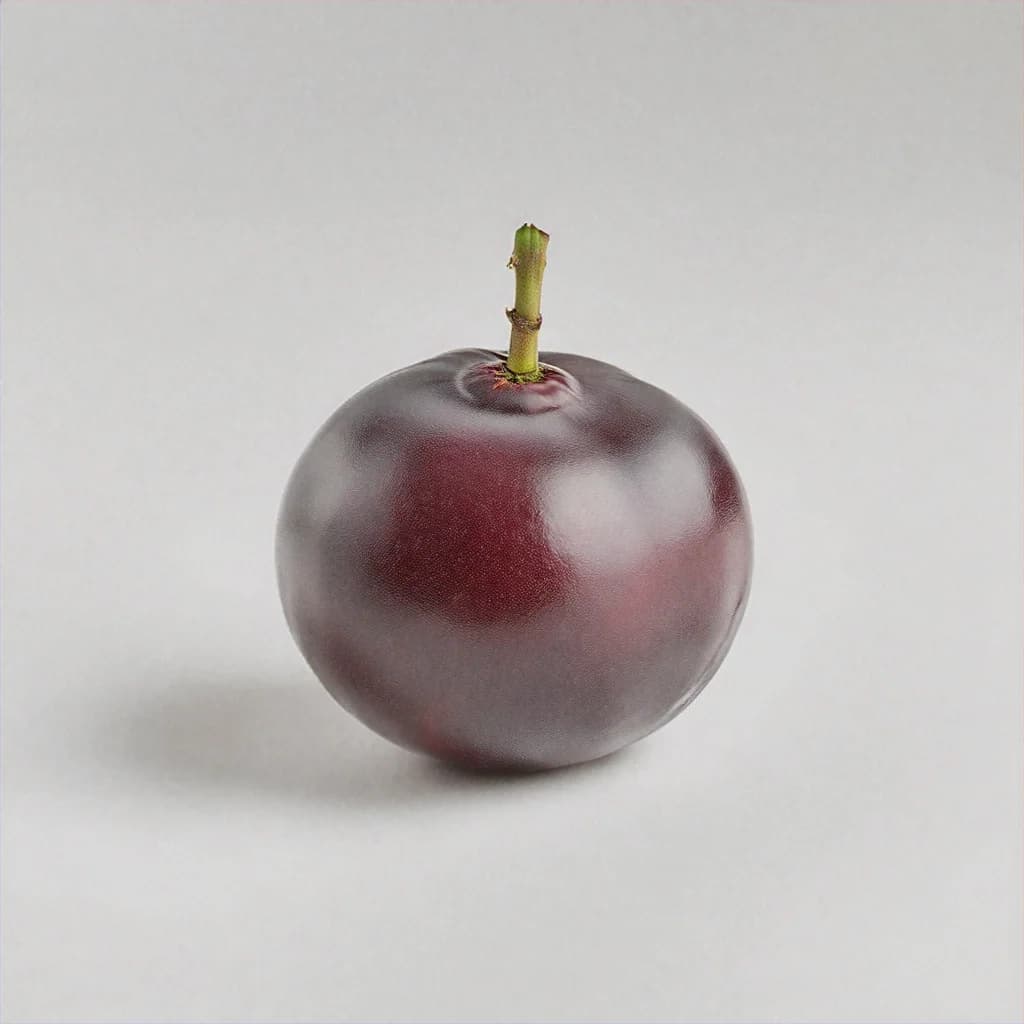
Crowberry is a small, dark purple-black berry native to Arctic and sub-Arctic regions with remarkable antioxidant density and distinctive tart flavor. Rich in anthocyanins and vitamin C (40% DV), crowberries support eye health, immune function, and cardiovascular wellness. At 23 calories per 100g with excellent fiber content (3.6g) and exceptional polyphenol concentration, crowberries are treasured in traditional Scandinavian, Nordic, and Indigenous cuisine. Perfect for fresh eating, jams, traditional beverages, and culinary innovations.
Explore Crowberry in stunning detail
Crowberry - Main View
Per 100g
Per 100g
Nutrition breakdown for one serving
Arctic and Sub-Arctic Regions
Crowberry has sustained Arctic and Nordic populations for centuries as a nutritious wild food. Prized in traditional Scandinavian, Icelandic, and Indigenous cuisine for both culinary use and folk medicine supporting vitality, endurance, and overall health in harsh climates.
Peak season August-September
Each variety offers unique flavors, textures, and culinary applications
Keep your fruit fresh and delicious for longer
Select firm, dark purple-black crowberries without blemishes or soft spots
Avoid discolored, mushy, or moldy berries
Fresh crowberries have a dusty bloom on skin typical of wild berries
Look for uniform dark color indicating ripeness and anthocyanin maturity
Refrigerate fresh crowberries in breathable containers for up to 3 weeks
Freeze whole crowberries in single layer on baking sheet, then transfer to freezer bags for up to 18 months
Frozen crowberries maintain exceptional nutritional integrity and anthocyanin content
Dried crowberries store for 2+ years in cool, dry, airtight conditions
Traditional Scandinavian preservation: crowberry jam stores for 1-2 years in cool pantry
Freeze fresh crowberries within 24-48 hours of harvest for optimal nutrient preservation
Preserve freshness for months
Freeze whole crowberries in single layer on parchment-lined baking sheet for 2-3 hours
Transfer frozen berries to vacuum-sealed bags or airtight containers to prevent freezer burn
Frozen crowberries work exceptionally well for smoothies, sauces, and baked preparations
Maintains anthocyanin potency and nutritional profile when frozen at 0°F (-18°C) or below
Thaw in refrigerator overnight to preserve texture for fresh applications
Label frozen items with the date to track freshness. Most fruits maintain quality for 2-3 months when properly frozen. For best results, use airtight containers or freezer bags to prevent freezer burn.
Discover delicious possibilities
Crowberry allergies are rare. Some individuals may have sensitivity to berry family fruits or plant-based proteins.
Wild harvested crowberries are naturally pesticide-free. Purchase from reputable Nordic sources specializing in wild-foraged berries.
Surprising trivia you'll love!
Crowberries contain 4-5 times more anthocyanins than standard blueberries, making them one of Earth's most antioxidant-dense berries
Arctic and Nordic populations have relied on crowberries for millennia as a nutritious cold-weather survival food due to their exceptional nutrient density
The traditional Scandinavian name 'kräkling' (Swedish) and 'krakebaer' (Danish) reflects centuries of cultural importance
Crowberry jam is a traditional Nordic preserve served with game dishes, particularly reindeer and wild boar
Frozen crowberries maintain their nutritional integrity for years, making them ideal for long-term Arctic food storage
Modern Scandinavian chef restaurants are reviving crowberry preparations in contemporary Nordic cuisine
Crowberry plants can live for over 50 years in Arctic tundra, supporting sustainable wild harvesting
The berry's intense color comes from exceptional anthocyanin concentration, indicating superior antioxidant power
Crowberries were traditionally macerated in spirits to create medicinal cordials in Nordic folk medicine
Research increasingly validates traditional Arctic and Indigenous uses of crowberries for vitality and longevity
Crowberry (Empetrum nigrum) is a small dark purple-black Arctic and sub-Arctic berry native to Scandinavia, Iceland, Scotland, and Northern regions. It's a treasured ingredient in traditional Nordic cuisine and folk medicine with exceptional antioxidant properties.
Crowberries are exceptionally nutrient-dense: very low in calories (23/100g) compared to blueberries (57/100g), with higher vitamin C (40% DV vs 36%), lower glycemic index (28 vs 53), and exceptional anthocyanin concentration. They're nutritionally superior for low-calorie, high-antioxidant consumption.
Yes, crowberries are exceptional for immune health. With 40% DV vitamin C per 100g, high polyphenol and proanthocyanidin content, and traditional use in Arctic populations for endurance and vitality, crowberries provide robust immune support and antioxidant protection.
Crowberries have an exceptionally low glycemic index of 28 and glycemic load of just 2, making them ideal for blood sugar management and weight wellness. This is significantly lower than most fruits, supporting stable energy and metabolic health.
Fresh crowberries are available at farmers markets in Arctic and Nordic regions (August-September). Year-round options include frozen crowberries, dried crowberries, jams, and specialty cordials from Nordic food retailers, online specialty stores, and health food shops.
Eat fresh crowberries raw as nutritious snacks. Use frozen crowberries in smoothies, sauces, and cooked dishes. Traditional preparations include Nordic jams, cordials, and compotes. Dried crowberries work well in teas and grain bowls. The tart flavor pairs beautifully with cream, chocolate, and game.
Yes, crowberries contain exceptional anthocyanin concentrations supporting eye health, vision clarity, and macular degeneration prevention. Combined with vitamin C and vitamin E, crowberries provide comprehensive eye protection similar to bilberries with additional benefits from their unique polyphenol profile.
Both are Nordic berries, but crowberries are more intensely tart, lower in calories (23 vs 46 per 100g), and have higher vitamin C (40% DV vs 16% DV). Crowberries have a more complex, mineralic flavor and slightly higher antioxidant density. Both support excellent health but crowberries excel in antioxidant potency.
Sustainability insights
Wild crowberry harvesting directly supports preservation of Arctic and sub-Arctic ecosystems. Support certified wild harvesters using sustainable practices that maintain biodiversity and traditional Indigenous harvesting rights.
Local wild crowberry harvest has minimal carbon footprint. Imported frozen or processed crowberries should source from local Arctic/Nordic harvesters to reduce transportation impact.
Wild crowberries require zero irrigation, making them environmentally superior to cultivated berries. The plants thrive in natural Arctic precipitation patterns.
Support Nordic and Arctic wild harvesters to preserve traditional practices, maintain ecosystem health, support Indigenous communities, and minimize global carbon footprint.
We aim to keep this Crowberry profile accurate and easy to understand. Nutrition values and % Daily Value figures are based on established reference databases and standard daily value guidance.
Last updated: September 8, 2026
Medical disclaimer
This page is for general educational purposes and does not replace professional medical advice.
Found an issue? Contact us.