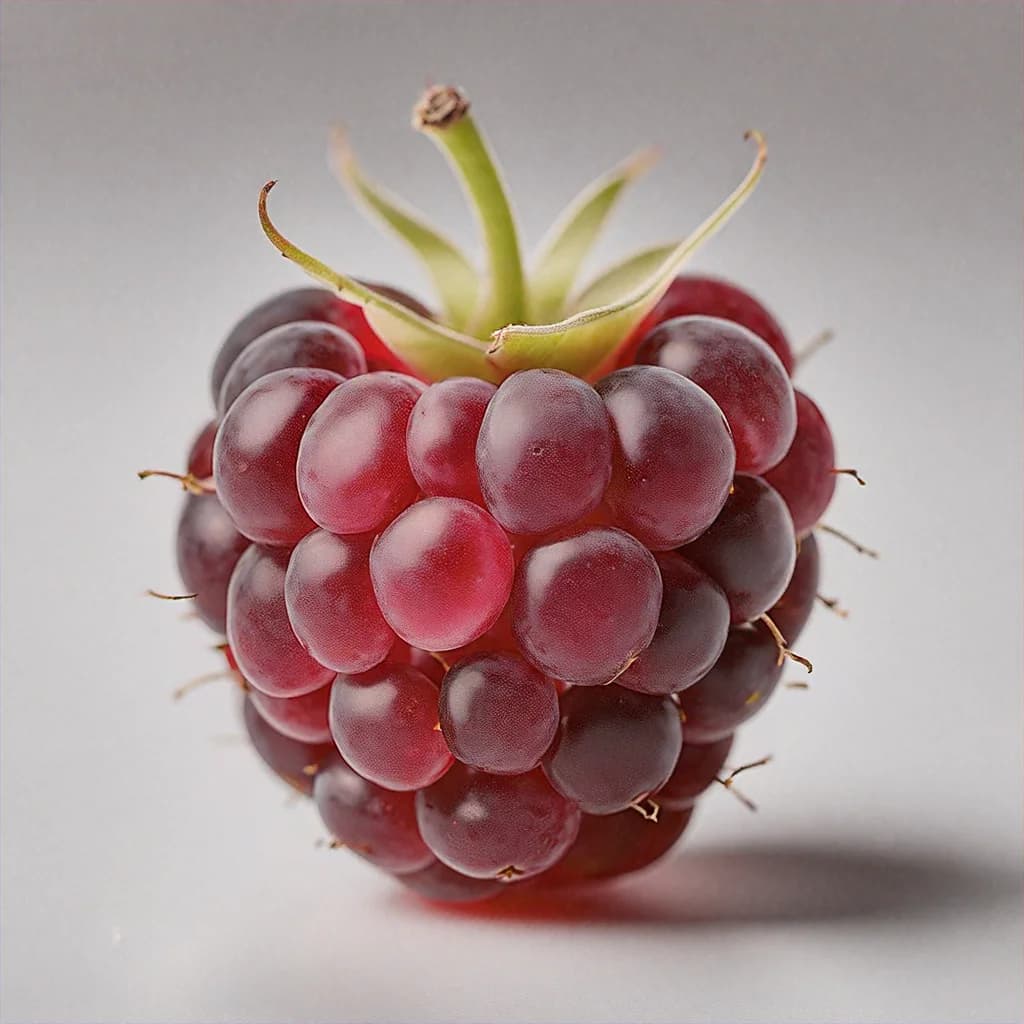
Riberry
Syzygium luehmannii
La Riberry, científicamente conocida como Syzygium luehmannii, es un fruto delicioso y nutritivo originario de Australia. Con su color rojo-púrpura vibrante y un sabor tangy, ligeramente picante, que recuerda al canela, ofrece una experiencia culinaria única. Las Riberries crecen en árboles de tamaño mediano y son apreciadas no solo por su sabor distintivo, sino también por su rica contenido de antioxidantes y nutrientes. Estas bayas son a menudo utilizadas en mermeladas, salsas y bebidas, añadiendo un estallido de sabor y color a los platos. Además de su atractivo culinario, las Riberries son celebradas por sus beneficios para la salud, incluyendo una alta concentración de vitamina C y fibra dietética. Ya sea disfrutadas frescas, secas o incorporadas en recetas, las Riberries son una adición versátil y saludable a cualquier dieta.
Riberry Galería de fotos
Explora Riberry con todo detalle
Riberry - Vista principal
Riberry Información nutricional
💊Vitaminas
Por 100 g
⚡Minerales
Por 100 g
Por porción
Desglose nutricional por porción
Beneficios para la salud de Riberry
Riberry Origen y distribución
Australia
Las Riberries han sido una fuente de alimento para los indígenas australianos durante miles de años. Tradicionalmente se utilizaban por sus propiedades medicinales y como alimento. Hoy en día, las Riberries están ganando popularidad en la cocina moderna por su sabor único y beneficios para la salud.
Riberry Temporada alta
Finales de primavera a principios de verano
Riberry Variedades
Cada variedad ofrece sabores, texturas y usos culinarios únicos
Small Leaf Riberry
Riberry Guía de selección y conservación
Mantén tu fruta fresca y deliciosa por más tiempo
Cómo elegir la fruta perfecta
Busca bayas firmes, pulposas y con un color rojo-púrpura vibrante.
Evita bayas que estén secas, machacadas o con moho.
Métodos de conservación
Guarda las Riberries frescas en el refrigerador en un recipiente sellado.
Para un almacenamiento más largo, las Riberries pueden ser congeladas o secadas.
Guía de vida útil
Instrucciones de congelación
Conserva la frescura por meses
Lava y seca las Riberries cuidadosamente antes de congelarlas.
Colócalas en un recipiente o bolsa de congelación sellada durante hasta 6 meses.
Consejo
Etiqueta los alimentos congelados con la fecha para controlar la frescura. La mayoría de las frutas mantienen su calidad durante 2-3 meses si se congelan correctamente. Para mejores resultados, usa recipientes herméticos o bolsas para congelador para evitar quemaduras por congelación.
Viaje culinario
Descubre posibilidades deliciosas
Usos comunes
Maridajes perfectos
Recetas populares
Bebidas refrescantes
Información de seguridad
Las Riberries no son conocidas como un alérgeno común, pero pueden ocurrir sensibilidades individuales.
Las Riberries generalmente se cultivan con pocos pesticidas, lo que las convierte en un fruto de bajo riesgo para residuos de pesticidas.
- • Personas con alergias conocidas a las bayas o plantas relacionadas.
- • Las personas que toman medicamentos anticoagulantes deben consultar a un profesional de la salud debido al alto contenido de vitamina C.
- •Consumir en exceso puede causar molestias digestivas debido al alto contenido de fibra.
- •Interacción potencial con medicamentos anticoagulantes debido al alto contenido de vitamina C.
- • Lava las Riberries cuidadosamente antes de consumirlas para eliminar cualquier suciedad o residuo.
- • Evita comer bayas no maduras o dañadas para reducir el riesgo de problemas digestivos.
Datos curiosos sobre Riberry
¡Trivias sorprendentes que te encantarán!
Tradicionalmente, las Riberries fueron utilizadas por los indígenas australianos como fuente de alimento y para fines medicinales.
El árbol de la Riberry también es conocido como 'Cherry Satinash' o 'Clove Lilli Pilli' debido a su sabor que recuerda a la canela.
Las Riberries son a menudo utilizadas en la 'bush tucker', la cocina tradicional australiana.
Preguntas frecuentes
¿Cómo sabe una Riberry?
GeneralLas Riberries tienen un sabor tangy con un toque picante que recuerda a la canela. Son refrescantes y ligeramente ácidas.
¿Cómo se sabe si una Riberry está madura?
CompraLas Riberries maduras son firmes, pulposas y tienen un color rojo-púrpura vibrante. Evita las bayas que estén sueltas, secas o con manchas.
¿Pueden congelarse las Riberries?
AlmacenamientoSí, las Riberries pueden congelarse durante hasta 6 meses. Lava y seca las bayas cuidadosamente antes de colocarlas en un recipiente o bolsa de congelación sellada.
¿Cuáles son algunos usos culinarios populares para las Riberries?
CulinarioLas Riberries son comúnmente utilizadas en mermeladas, salsas y bebidas. También pueden añadirse a ensaladas, postres y productos horneados para un sabor único.
¿Las Riberries son altas en azúcar?
NutriciónLas Riberries tienen un contenido de azúcar moderado de 6.2 gramos por 100 gramos, lo que las convierte en una alternativa más saludable que las frutas más dulces.
¿Pueden interactuar las Riberries con medicamentos?
SaludLas Riberries son generalmente seguras, pero su alto contenido de vitamina C puede interactuar con ciertos medicamentos, como los anticoagulantes. Siempre consulta a un profesional de la salud si tienes dudas.
¿Las Riberries son sostenibles de cultivar?
MiscellaneousLas Riberries se consideran un fruto sostenible ya que son nativas de Australia y requieren poco agua y pesticidas. También son resistentes al estrés hídrico.