.webp&w=3840&q=75)
Prunus lusitanica (Portugal Laurel)
Prunus lusitanica
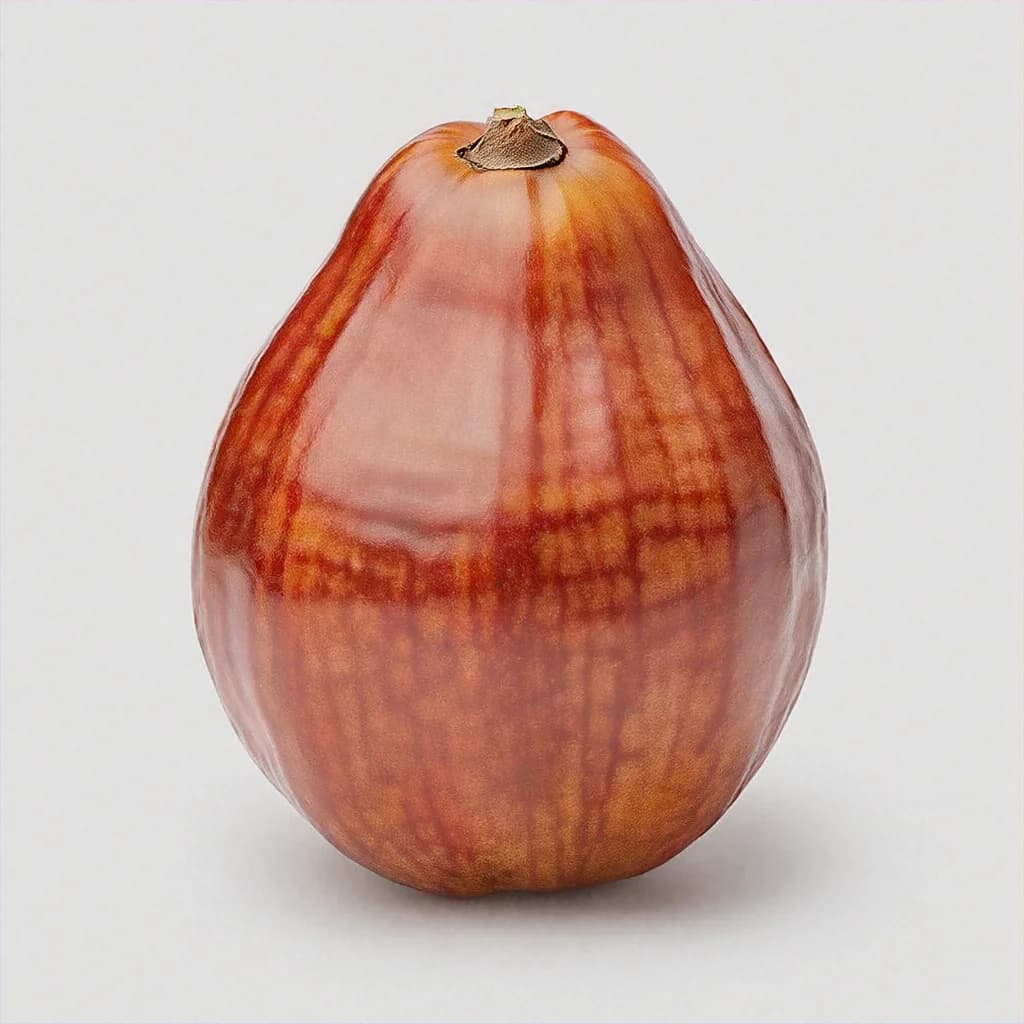
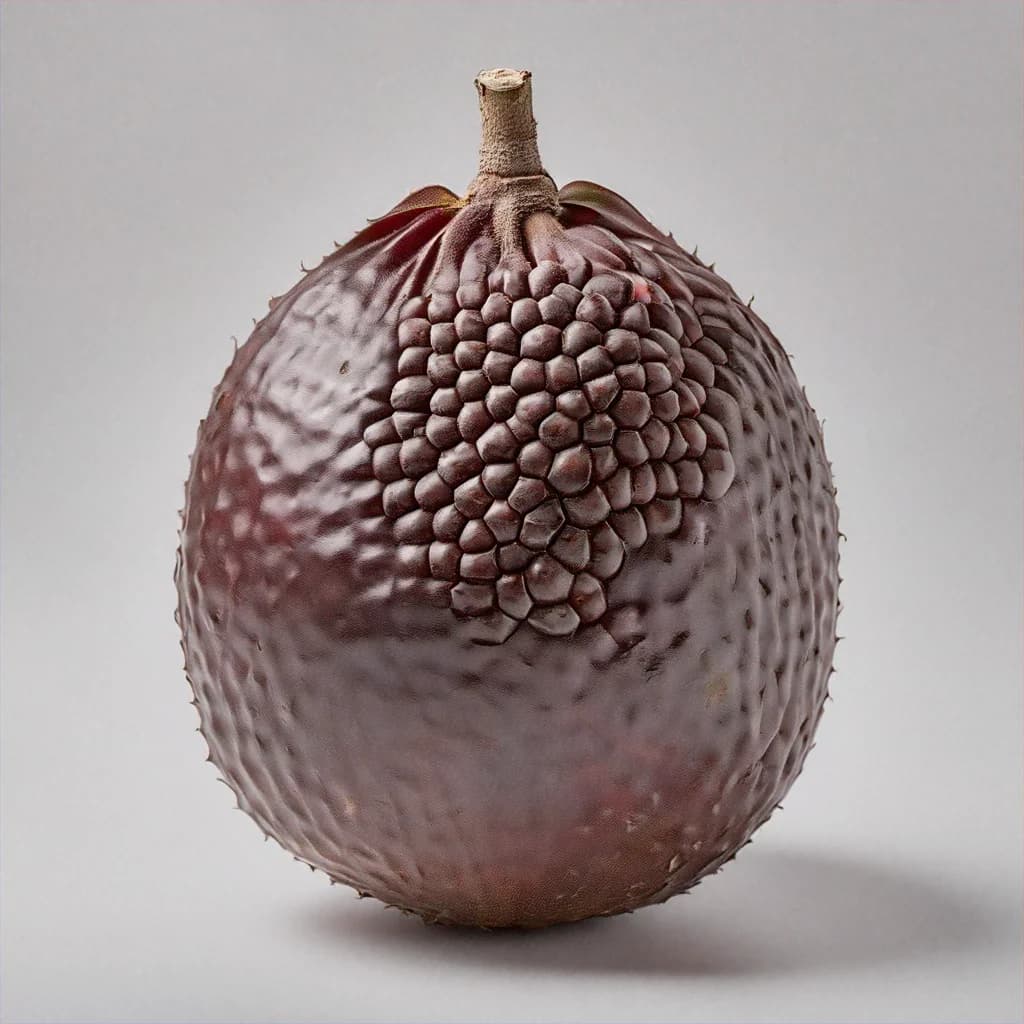
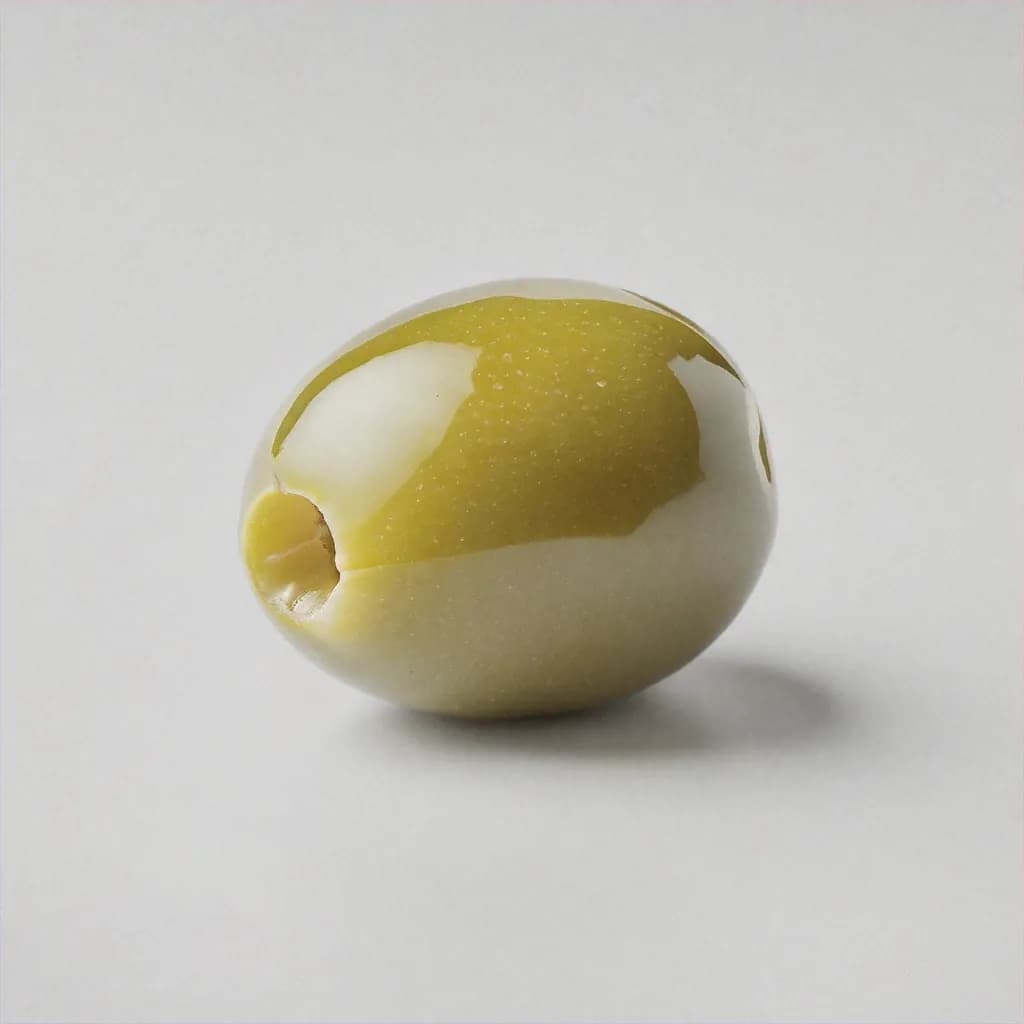
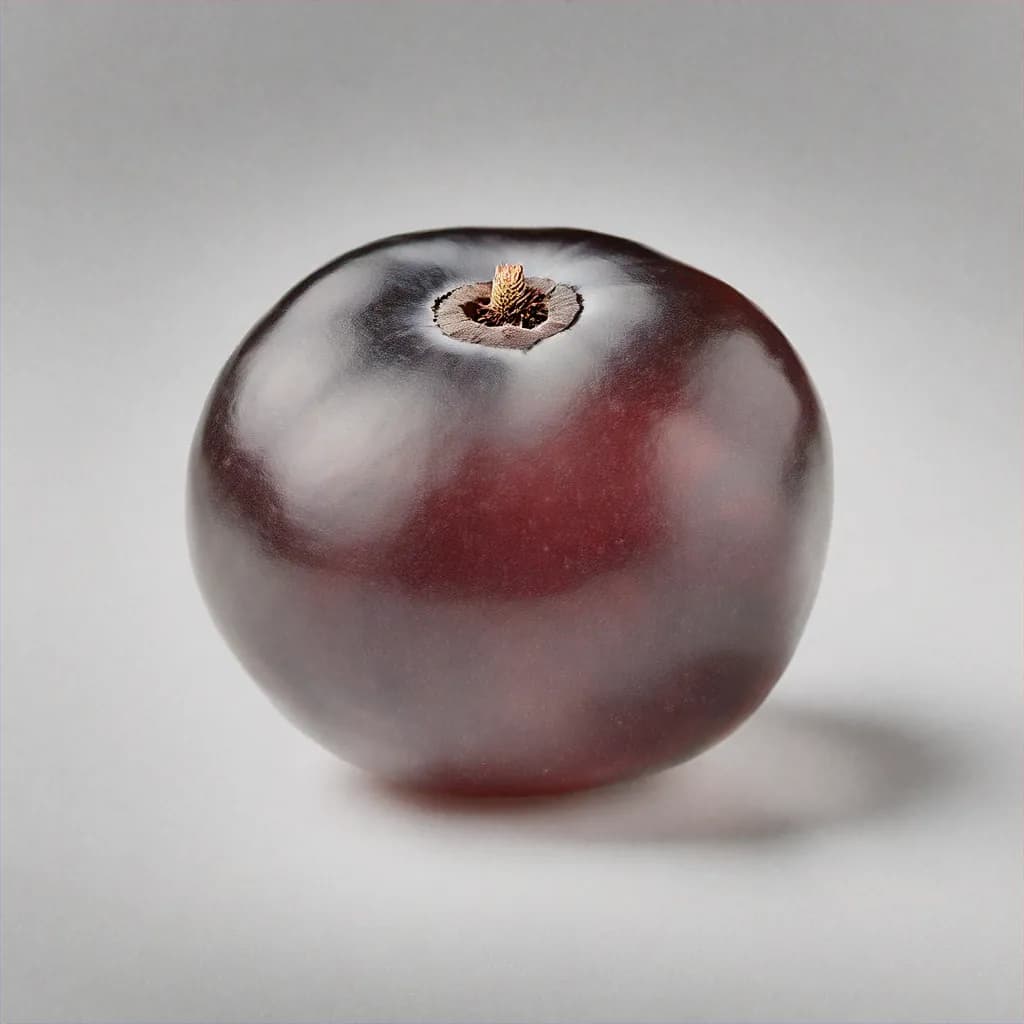
Prunus lusitanica, commonly known as the Portugal Laurel, is a fascinating evergreen shrub or small tree native to the Iberian Peninsula. While it is primarily grown for its ornamental value—glossy, dark green leaves and clusters of fragrant white flowers—its small, blackish-purple fruits are an intriguing addition to its appeal. These fruits, though not widely consumed, are edible and contain a single hard seed. They are slightly bitter but have a mildly sweet aftertaste, reminiscent of other Prunus species like cherries. The Portugal Laurel is celebrated not only for its aesthetic beauty but also for its resilience in various soil and climatic conditions, making it a favored choice for gardens and landscaping projects.
Prunus lusitanica (Portugal Laurel) Galería de fotos
Explora Prunus lusitanica (Portugal Laurel) con todo detalle
Prunus lusitanica (Portugal Laurel) - Vista principal
Prunus lusitanica (Portugal Laurel) Información nutricional
💊Vitaminas
Por 100 g
⚡Minerales
Por 100 g
Por porción
Desglose nutricional por porción
Beneficios para la salud de Prunus lusitanica (Portugal Laurel)
Prunus lusitanica (Portugal Laurel) Origen y distribución
Iberian Peninsula
Prunus lusitanica has been cultivated for centuries in the Iberian Peninsula for its ornamental value. Its fruits, while not a primary food source, have been traditionally used in small-scale culinary applications and for medicinal purposes.
Prunus lusitanica (Portugal Laurel) Temporada alta
Spring to early summer
Prunus lusitanica (Portugal Laurel) Variedades
Cada variedad ofrece sabores, texturas y usos culinarios únicos
Prunus lusitanica var. lusitanica
Prunus lusitanica (Portugal Laurel) Guía de selección y conservación
Mantén tu fruta fresca y deliciosa por más tiempo
Cómo elegir la fruta perfecta
Look for fruits that are plump and free of blemishes.
Opt for fruits with a deep, uniform blackish-purple color.
Métodos de conservación
Store fresh fruits in a cool, dry place.
Refrigerate to extend shelf life.
Guía de vida útil
Instrucciones de congelación
Conserva la frescura por meses
Freeze whole fruits in an airtight container.
Use frozen fruits within 6 months for best quality.
Consejo
Etiqueta los alimentos congelados con la fecha para controlar la frescura. La mayoría de las frutas mantienen su calidad durante 2-3 meses si se congelan correctamente. Para mejores resultados, usa recipientes herméticos o bolsas para congelador para evitar quemaduras por congelación.
Viaje culinario
Descubre posibilidades deliciosas
Usos comunes
Maridajes perfectos
Recetas populares
Bebidas refrescantes
Información de seguridad
Individuals with allergies to cherries or other Prunus species may be sensitive to this fruit.
As an ornamental plant, pesticide use is common. Opt for organically grown fruits when possible.
- • People with known allergies to Prunus species
- • Individuals with a history of cyanide sensitivity (due to the seeds)
- •Possible allergic reactions in sensitive individuals
- •Gastrointestinal discomfort if consumed in excess
- • Avoid consuming the seeds, as they contain toxic compounds.
- • Wash the fruit thoroughly before consumption.
Datos curiosos sobre Prunus lusitanica (Portugal Laurel)
¡Trivias sorprendentes que te encantarán!
Prunus lusitanica is also known as the Portugal Laurel due to its popularity in Portuguese gardens.
The tree is often used in landscaping for its dense foliage and ability to tolerate pruning.
Preguntas frecuentes
What does Prunus lusitanica fruit taste like?
GeneralThe fruit has a slightly bitter taste with a mild sweetness, similar to cherries but with a more subtle flavor profile.
How do I know if Prunus lusitanica fruit is ripe?
BuyingRipe fruits are plump, firm, and have a deep blackish-purple color. Avoid fruits that are shriveled or have blemishes.
Can I store Prunus lusitanica fruit in the refrigerator?
StorageYes, refrigeration can extend the shelf life of the fruit to up to 14 days.
How can I use Prunus lusitanica fruit in cooking?
CulinaryThe fruit can be used in jams, baked goods, or as a flavoring agent in beverages and sauces.
What are the nutritional benefits of Prunus lusitanica fruit?
NutritionThe fruit is rich in antioxidants, dietary fiber, Vitamin C, and potassium, offering benefits for immune function, heart health, and digestion.
Are there any health risks associated with consuming Prunus lusitanica fruit?
HealthWhile generally safe, individuals with allergies to Prunus species should exercise caution. The seeds contain cyanogenic glycosides and should not be consumed.
Can Prunus lusitanica fruit be frozen?
MiscellaneousYes, the fruit can be frozen whole in an airtight container for up to 6 months.