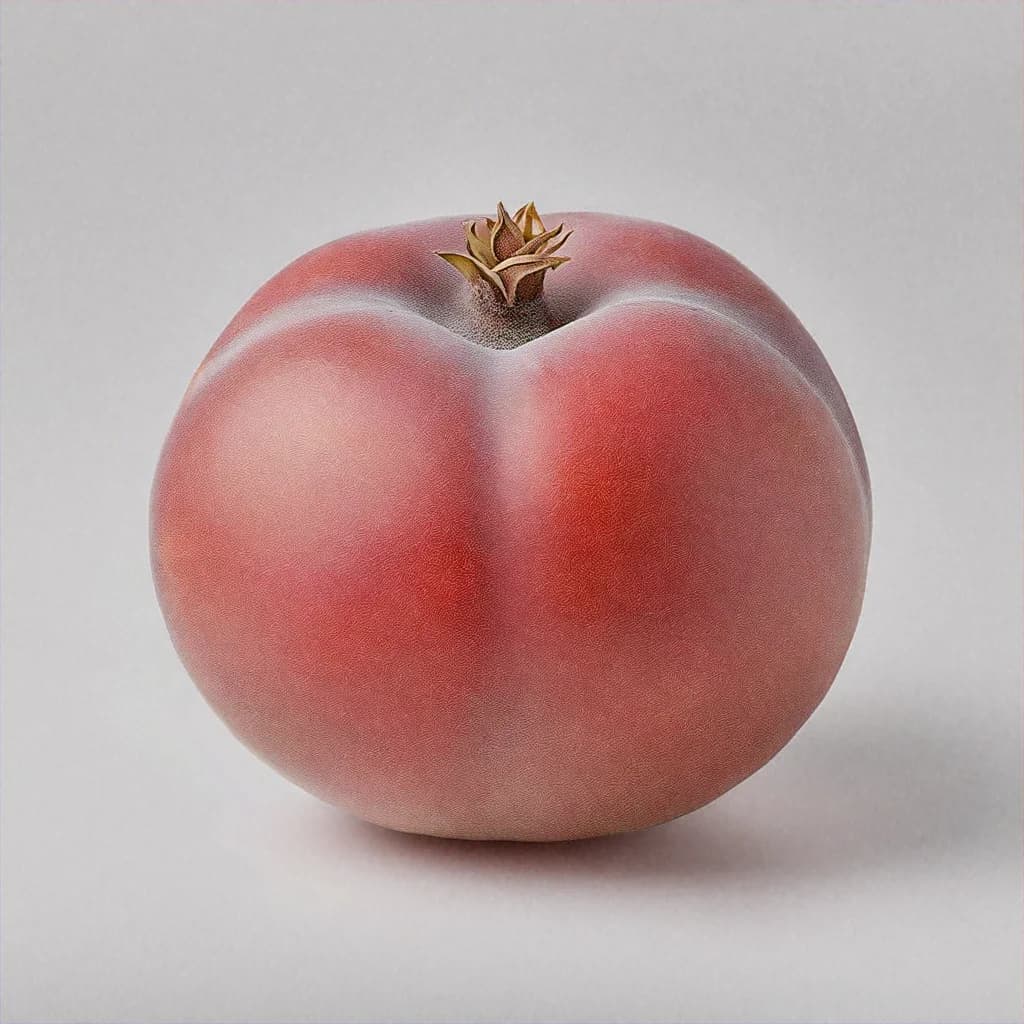
Siberian Peashrub
Caragana arborescens
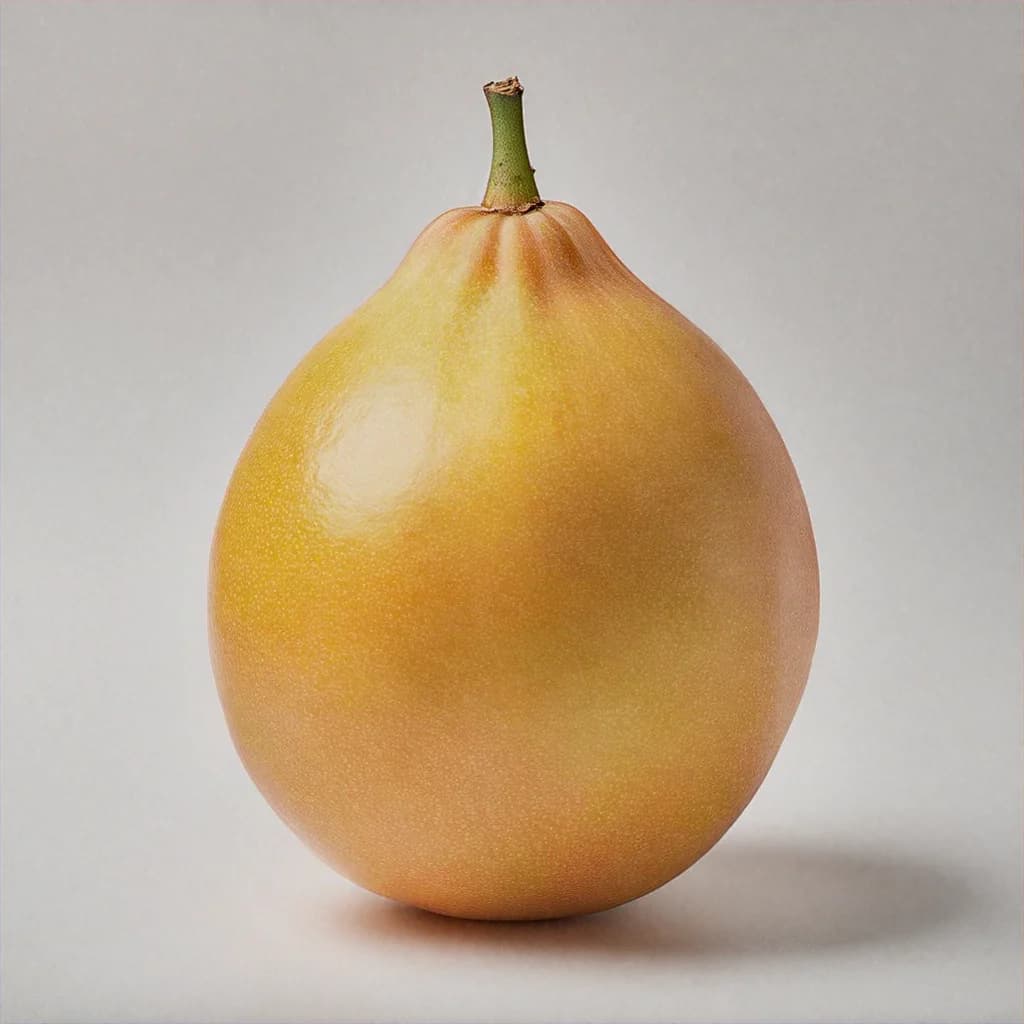
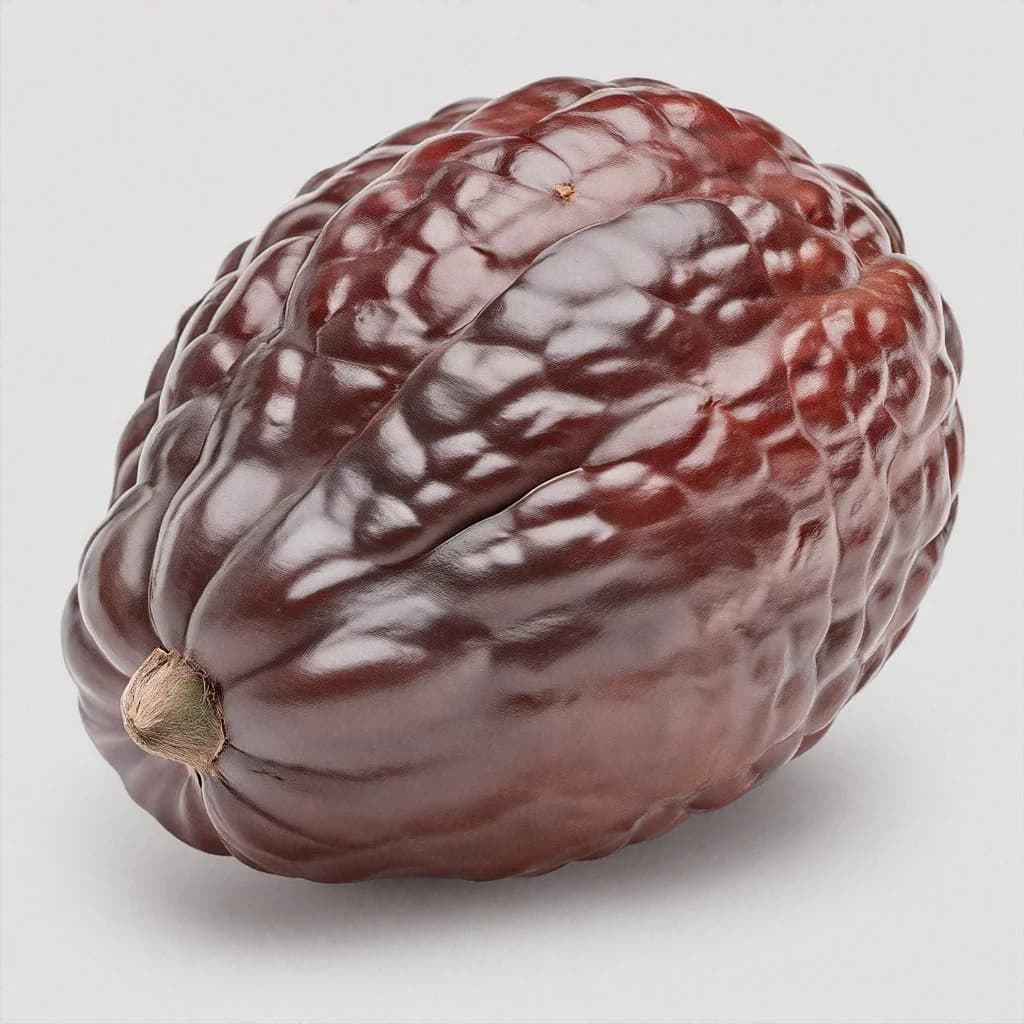
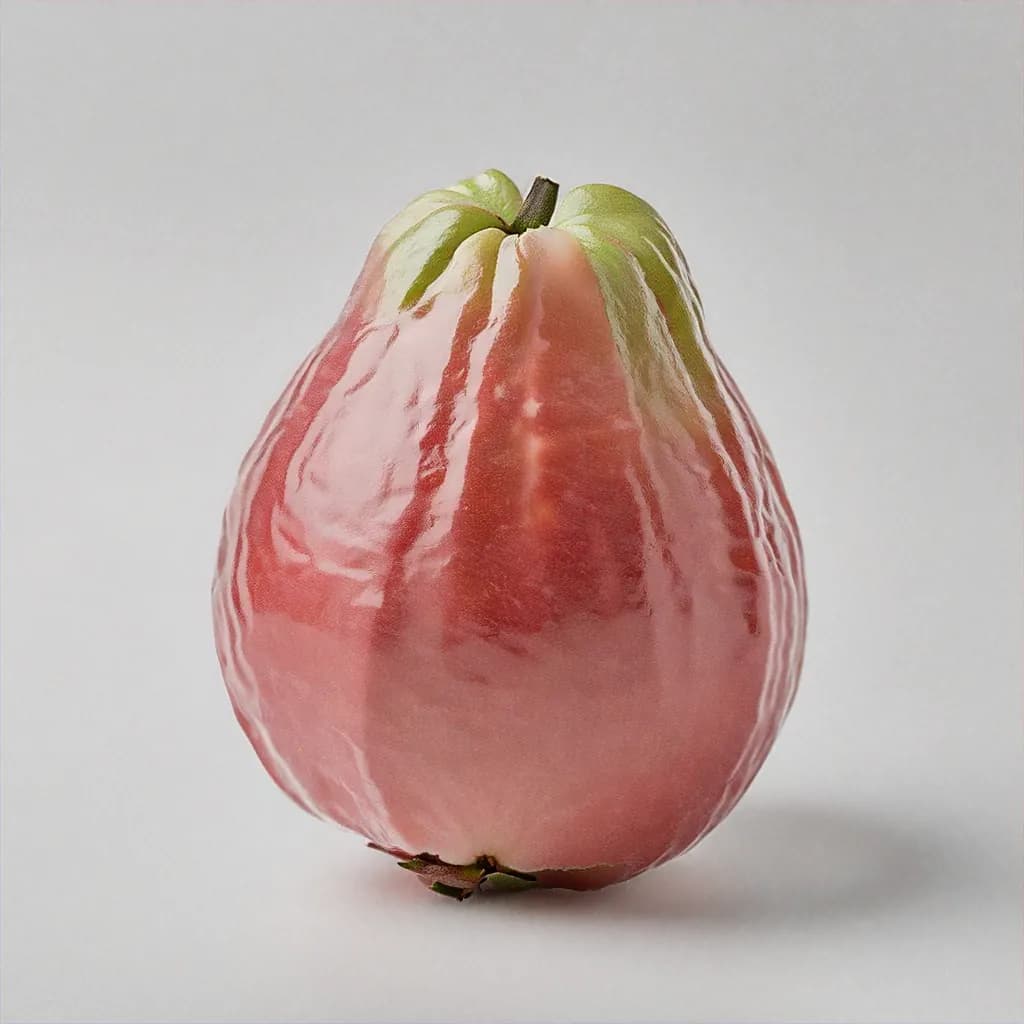
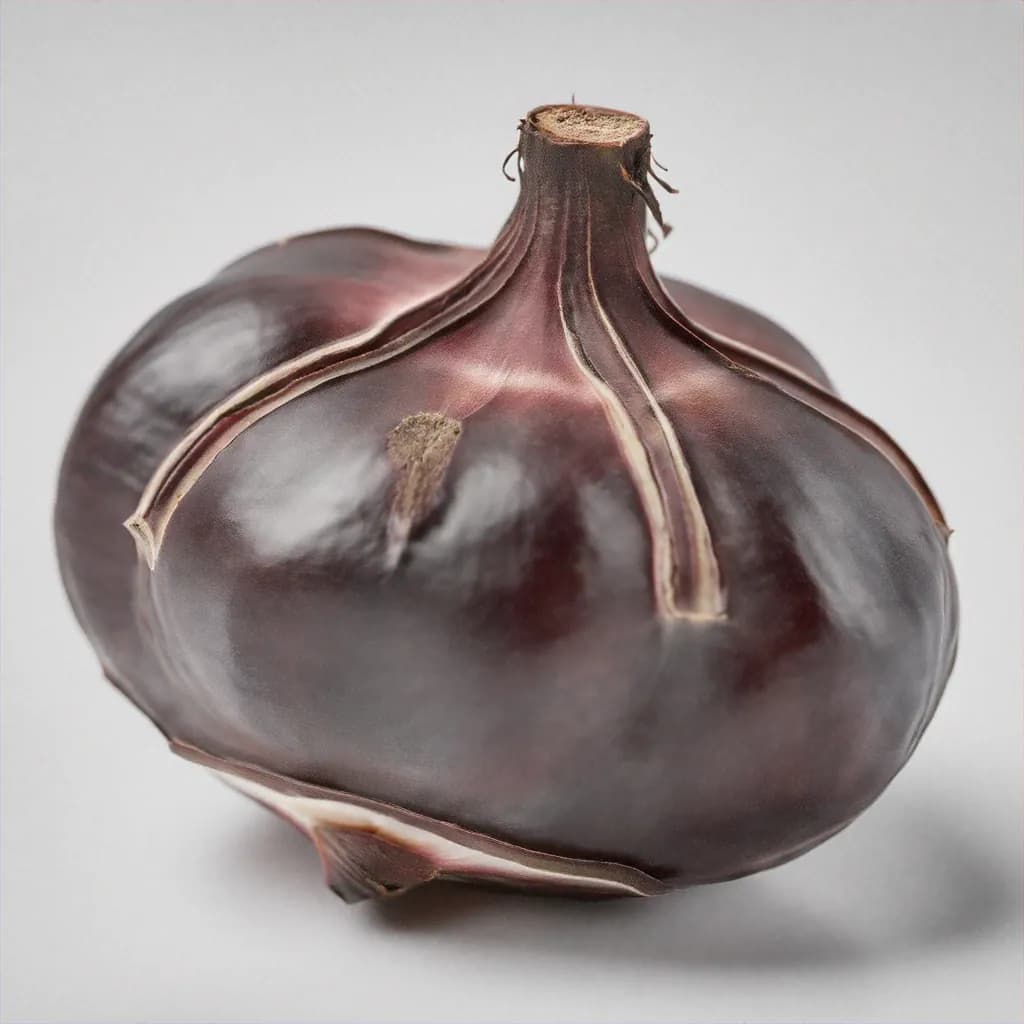
The Siberian Peashrub, known scientifically as Caragana arborescens, is a hardy, deciduous shrub native to Siberia and other parts of Asia. This plant is prized for its resilience in cold climates and its edible pods, which are often used in traditional foods and medicines. The pods are small, resembling peas, and have a mild, slightly sweet flavor. Rich in nutrients, they offer a range of health benefits, from boosting immunity to aiding digestion. The Siberian Peashrub is also valued for its ornamental qualities and nitrogen-fixing properties, making it a popular choice for sustainable landscaping.
Siberian Peashrub Galería de fotos
Explora Siberian Peashrub con todo detalle
Siberian Peashrub - Vista principal
Siberian Peashrub Información nutricional
💊Vitaminas
Por 100 g
⚡Minerales
Por 100 g
Por porción
Desglose nutricional por porción
Beneficios para la salud de Siberian Peashrub
Siberian Peashrub Origen y distribución
Siberia and parts of Asia
The Siberian Peashrub has been used for centuries in traditional medicine and as a food source in Siberia and other parts of Asia. Its hardiness and nutritional value have made it a staple in cold climates.
Siberian Peashrub Temporada alta
Late spring to early summer
Siberian Peashrub Variedades
Cada variedad ofrece sabores, texturas y usos culinarios únicos
Common Siberian Peashrub
Siberian Peashrub Guía de selección y conservación
Mantén tu fruta fresca y deliciosa por más tiempo
Cómo elegir la fruta perfecta
Look for firm, unblemished pods.
Avoid pods that are overly dry or shriveled.
Métodos de conservación
Store fresh pods in a cool, dry place.
Refrigerate for longer storage.
Guía de vida útil
Instrucciones de congelación
Conserva la frescura por meses
Freeze fresh pods in an airtight container.
Blanch before freezing to preserve texture and flavor.
Consejo
Etiqueta los alimentos congelados con la fecha para controlar la frescura. La mayoría de las frutas mantienen su calidad durante 2-3 meses si se congelan correctamente. Para mejores resultados, usa recipientes herméticos o bolsas para congelador para evitar quemaduras por congelación.
Viaje culinario
Descubre posibilidades deliciosas
Usos comunes
Maridajes perfectos
Recetas populares
Bebidas refrescantes
Información de seguridad
Individuals with legume allergies should be cautious.
Generally low, as it is a hardy plant that requires minimal pesticide use.
- • People with legume allergies
- • Individuals with known sensitivities to similar plants
- •Potential allergic reactions in sensitive individuals
- • Wash thoroughly before consuming.
- • Avoid consuming if pods appear moldy or damaged.
Datos curiosos sobre Siberian Peashrub
¡Trivias sorprendentes que te encantarán!
The Siberian Peashrub is often used in traditional Chinese medicine.
It is known for its nitrogen-fixing properties, making it a valuable plant for soil health.
Preguntas frecuentes
What does the Siberian Peashrub taste like?
GeneralThe Siberian Peashrub has a mild, slightly sweet flavor similar to peas.
How do I know if the Siberian Peashrub is ripe?
BuyingRipe pods are firm, green to yellow in color, and free of blemishes.
Can I freeze Siberian Peashrub pods?
StorageYes, you can freeze them in an airtight container. Blanching before freezing helps preserve texture and flavor.
What are some culinary uses for Siberian Peashrub?
CulinaryYou can eat them fresh, dry them for tea, or add them to salads and stir-fries.
Is the Siberian Peashrub high in calories?
NutritionNo, it is relatively low in calories, with about 120 calories per 100 grams.
Are there any health concerns with consuming Siberian Peashrub?
HealthGenerally safe, but individuals with allergies to legumes should exercise caution.
Can I grow Siberian Peashrub in my garden?
MiscellaneousYes, it is a hardy plant suitable for cold climates and can be grown in most gardens.