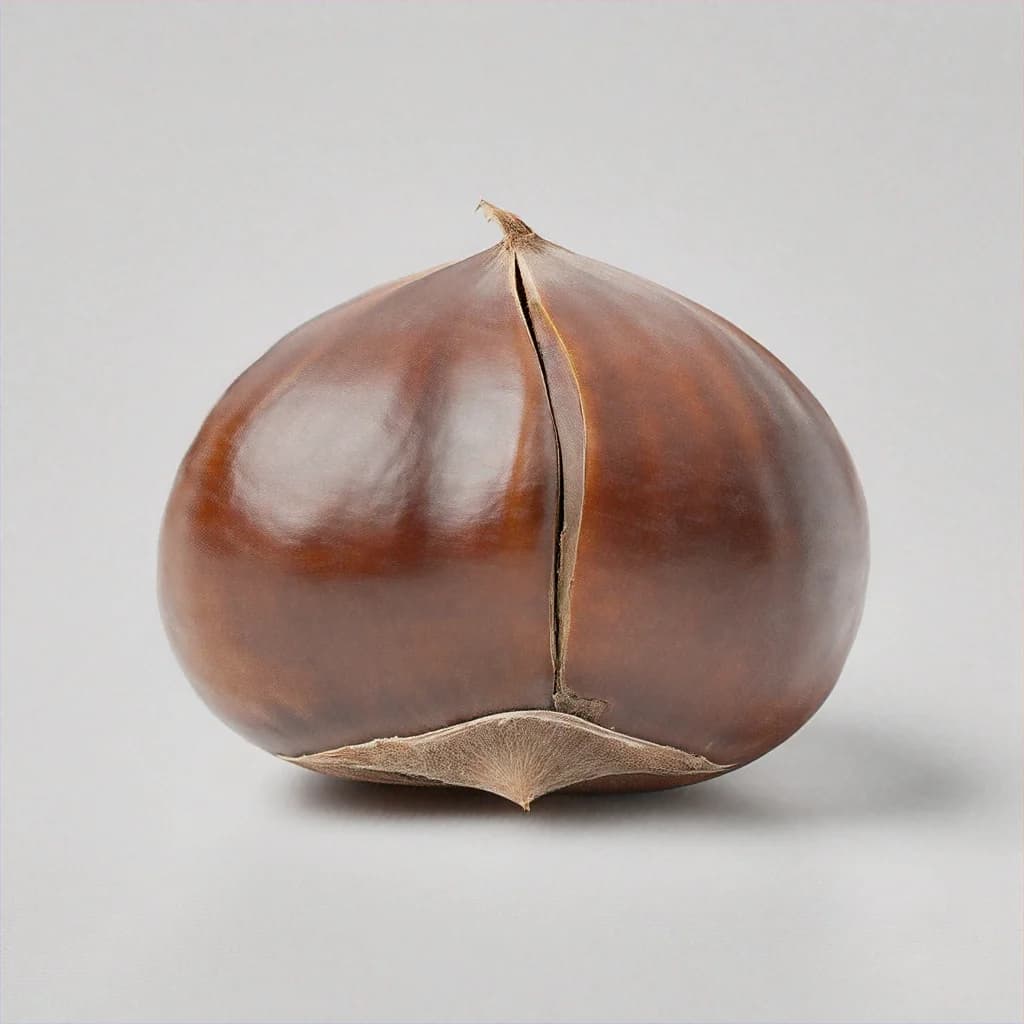
Polynesian Chestnut
Inocarpus fagifer
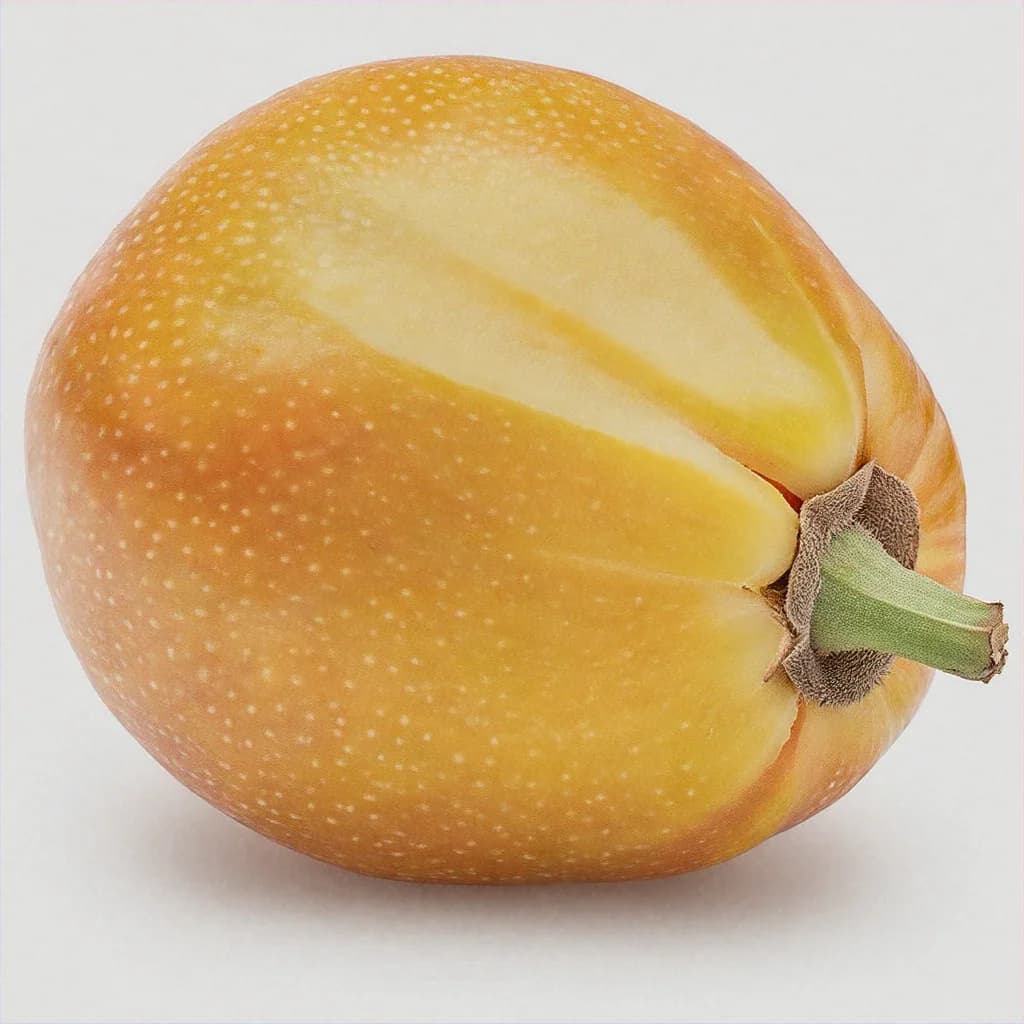
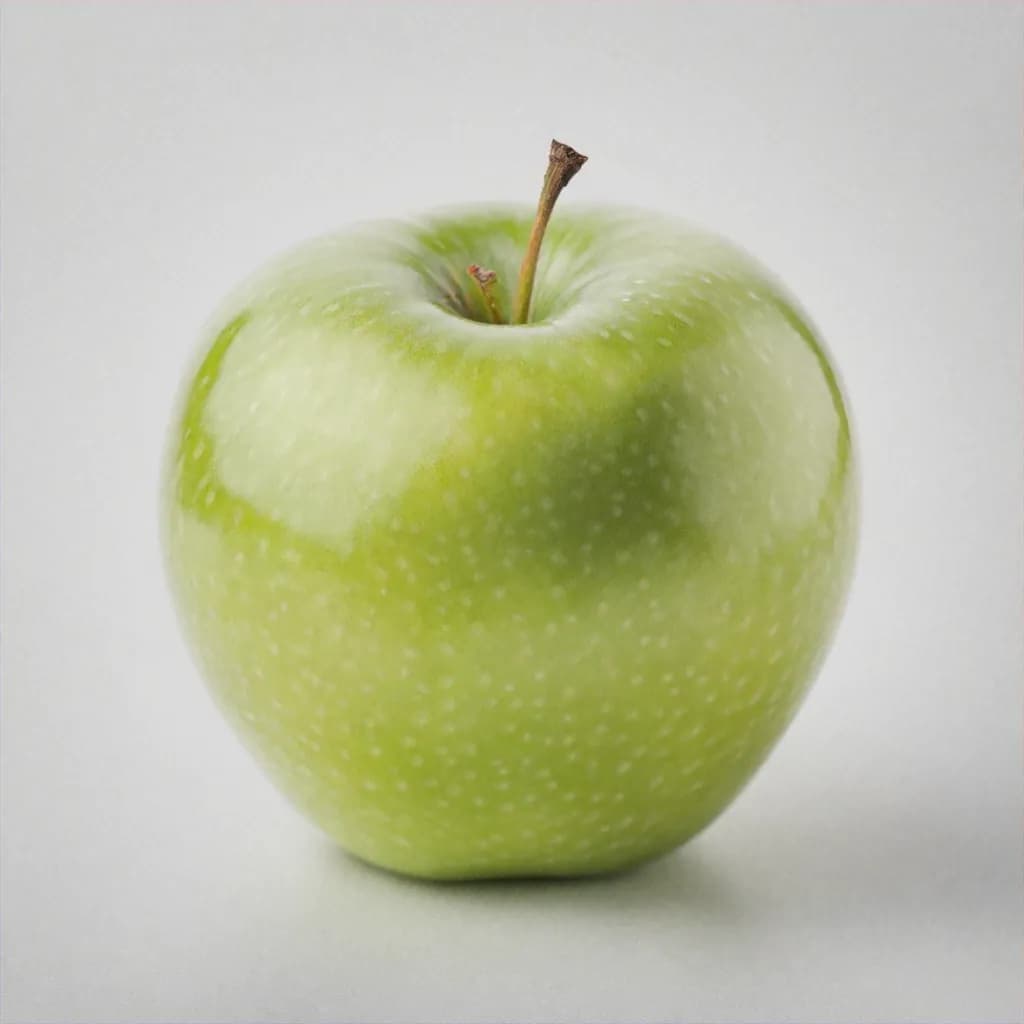
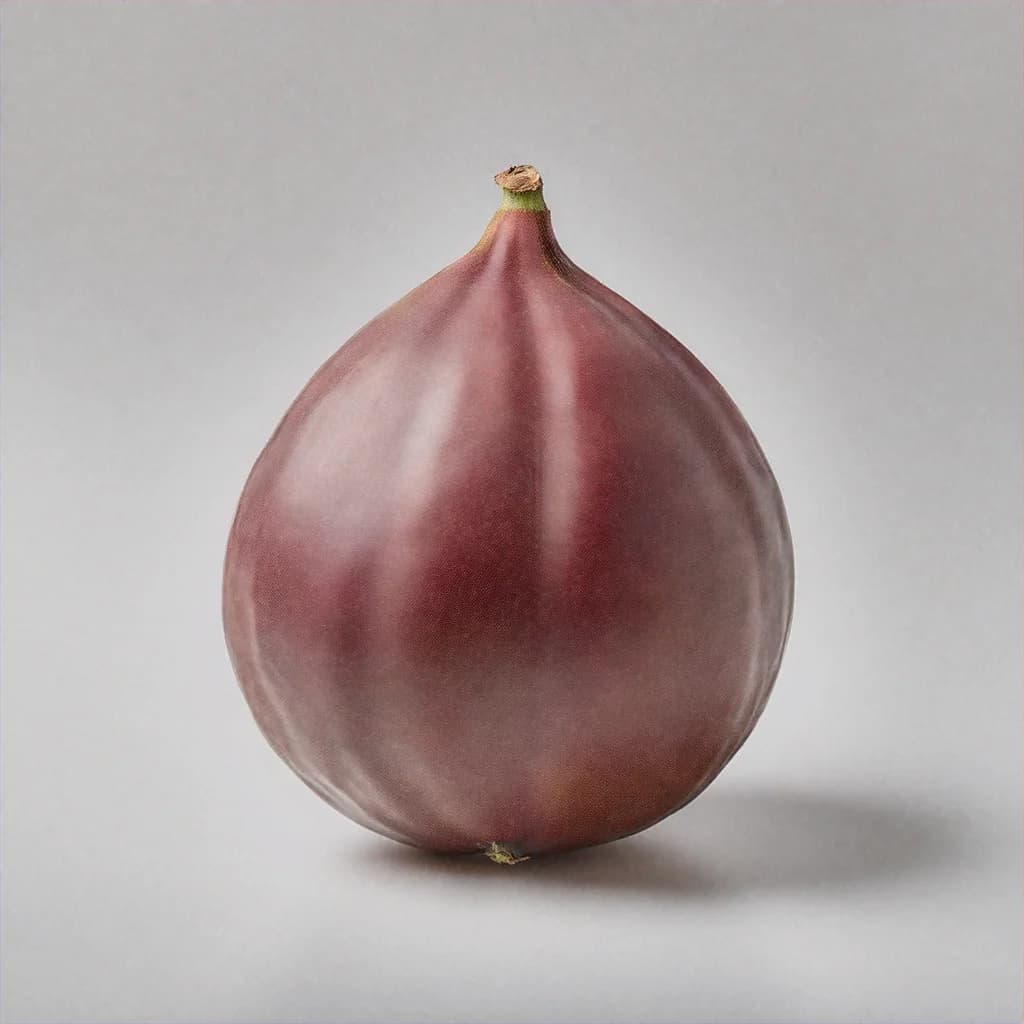
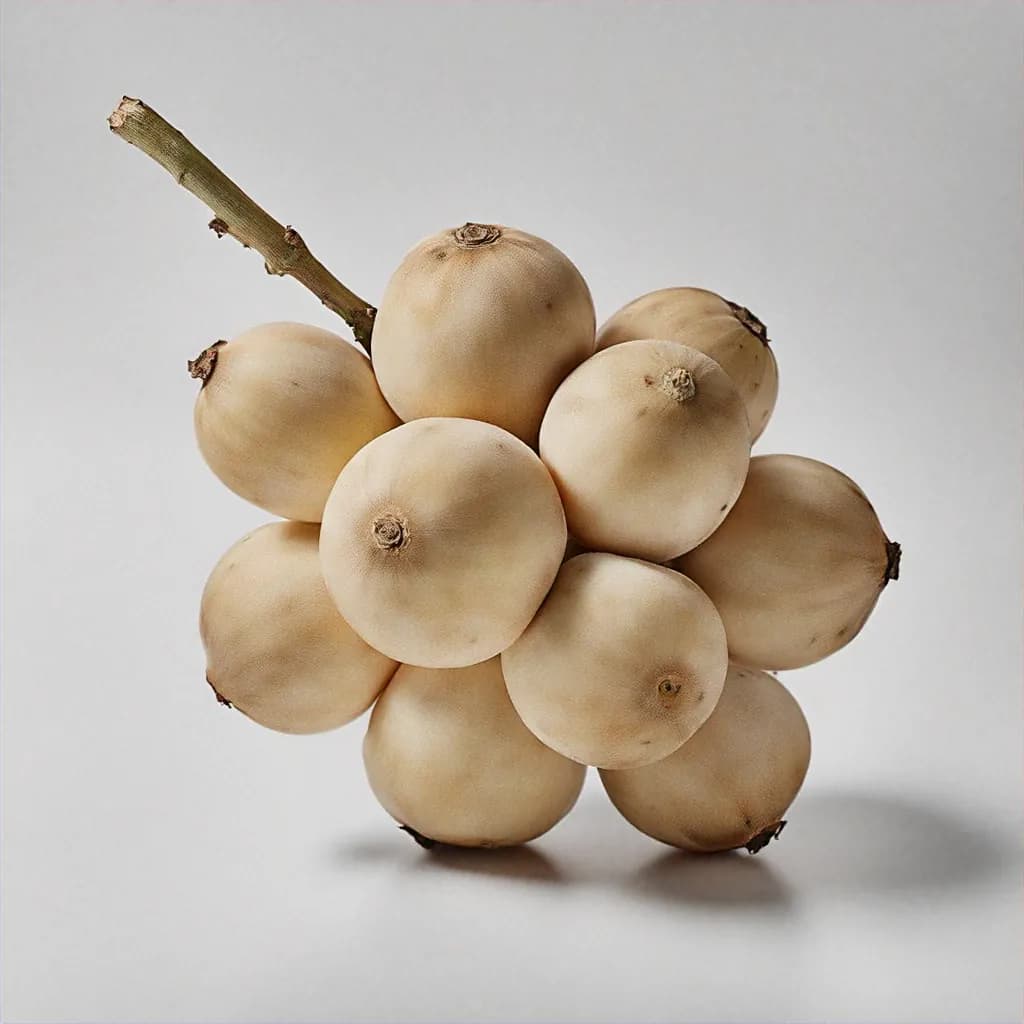
The Polynesian Chestnut, also known as Tahitian Chestnut or Malabar Chestnut, is a tropical fruit native to the South Pacific. It grows on a medium-sized evergreen tree and is deeply rooted in Polynesian culture and cuisine. The fruit itself is round to oval, with a tough, leathery rind that varies in color from green to brown as it ripens. Inside, the flesh is creamy white, starchy, and slightly sweet, with a texture reminiscent of a potato or chestnut. Rich in carbohydrates, fiber, and essential minerals, it is a staple food in many Pacific Island nations. Its versatility in both sweet and savory dishes makes it a beloved ingredient in traditional recipes.
Polynesian Chestnut Galería de fotos
Explora Polynesian Chestnut con todo detalle
Polynesian Chestnut - Vista principal
Polynesian Chestnut Información nutricional
💊Vitaminas
Por 100 g
⚡Minerales
Por 100 g
Por porción
Desglose nutricional por porción
Beneficios para la salud de Polynesian Chestnut
Polynesian Chestnut Origen y distribución
South Pacific Islands
The Polynesian Chestnut has been cultivated for centuries in the South Pacific, playing a crucial role in traditional diets and cultural practices. It was often used as a staple food during long voyages due to its durability and nutritional value.
Polynesian Chestnut Temporada alta
Year-round in tropical regions
Polynesian Chestnut Variedades
Cada variedad ofrece sabores, texturas y usos culinarios únicos
Common Polynesian Chestnut
Polynesian Chestnut Guía de selección y conservación
Mantén tu fruta fresca y deliciosa por más tiempo
Cómo elegir la fruta perfecta
Look for firm, unblemished fruits with no cracks or soft spots.
Choose fruits that feel heavy for their size, indicating freshness.
Métodos de conservación
Store in a cool, dry place for up to 2 weeks.
Refrigerate to extend shelf life up to 1 month.
Guía de vida útil
Instrucciones de congelación
Conserva la frescura por meses
Peel and slice before freezing for easier use.
Store in an airtight container to prevent freezer burn.
Consejo
Etiqueta los alimentos congelados con la fecha para controlar la frescura. La mayoría de las frutas mantienen su calidad durante 2-3 meses si se congelan correctamente. Para mejores resultados, usa recipientes herméticos o bolsas para congelador para evitar quemaduras por congelación.
Viaje culinario
Descubre posibilidades deliciosas
Usos comunes
Maridajes perfectos
Recetas populares
Bebidas refrescantes
Información de seguridad
No known allergies, but always introduce new foods gradually to monitor for reactions.
Generally low, as it is often grown organically in traditional settings.
- • Individuals with known fruit allergies
- • Those with digestive sensitivities to high-fiber foods
- •Potential gas or bloating due to high fiber content if consumed in excess
- • Always wash the fruit thoroughly before use.
- • Cook the fruit well to ensure it is soft and digestible.
Datos curiosos sobre Polynesian Chestnut
¡Trivias sorprendentes que te encantarán!
Polynesian Chestnuts were a staple food for early Pacific Island voyagers due to their long shelf life.
The tree's wood is also valued for construction and carving in Polynesian cultures.
Preguntas frecuentes
What does the Polynesian Chestnut taste like?
GeneralIt has a mildly sweet, starchy flavor similar to potatoes or chestnuts, with a creamy texture when cooked.
How do I know if a Polynesian Chestnut is ripe?
BuyingA ripe Polynesian Chestnut will have a firm texture and a brownish rind. Avoid fruits with soft spots or cracks.
How should I store Polynesian Chestnuts?
StorageStore in a cool, dry place for up to 2 weeks or refrigerate for up to 1 month.
Can I roast Polynesian Chestnuts like regular chestnuts?
CulinaryYes, they can be roasted in the oven or over an open flame for a delicious snack or side dish.
Are Polynesian Chestnuts good for weight loss?
NutritionThey are high in fiber and complex carbohydrates, which can help with satiety and weight management.
Can people with diabetes eat Polynesian Chestnuts?
HealthYes, but in moderation, as they have a low glycemic index and can be a good source of energy.
Are Polynesian Chestnuts safe for children?
MiscellaneousYes, they are a nutritious and safe food for children, but ensure they are fully cooked and soft to avoid choking hazards.