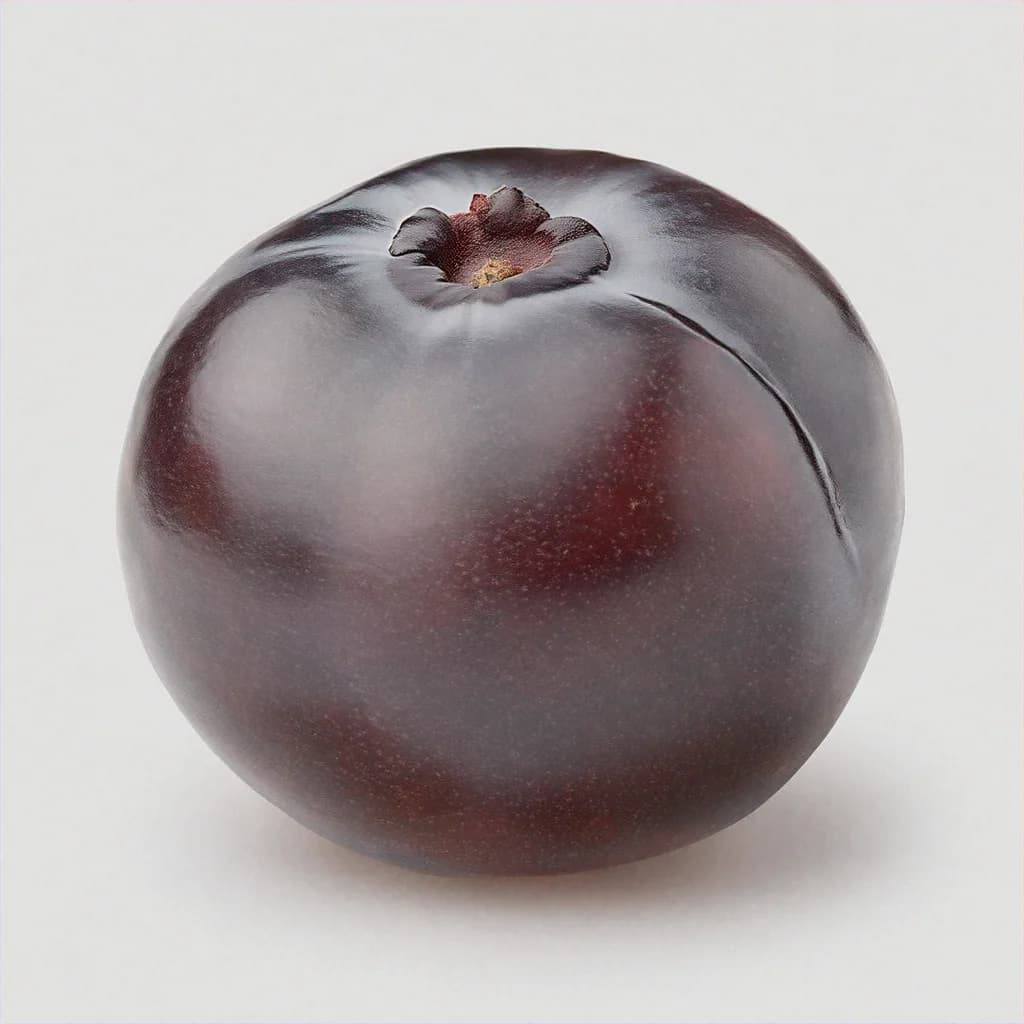
Nannyberry
Viburnum lentago
Nannyberry, scientifically known as Viburnum lentago, is a delightful and underappreciated fruit native to North America. This small, oval-shaped berry boasts a deep blue-black hue when ripe, with a delicate balance of sweet and tart flavors. Its flesh is juicy and slightly pulpy, encasing a single seed. Nannyberries grow on deciduous shrubs or small trees, thriving in moist, well-drained soils. Historically, indigenous communities valued nannyberries for their culinary and medicinal properties. Today, they are enjoyed fresh, dried, or in preserves, and are celebrated for their rich antioxidant content and potential health benefits, including supporting immune function and promoting heart health. With their vibrant color and versatile uses, nannyberries are a hidden gem in the world of fruit, deserving of greater recognition and appreciation.
Nannyberry Galería de fotos
Explora Nannyberry con todo detalle
Nannyberry - Vista principal
Nannyberry Información nutricional
💊Vitaminas
Por 100 g
⚡Minerales
Por 100 g
Por porción
Desglose nutricional por porción
Beneficios para la salud de Nannyberry
Nannyberry Origen y distribución
North America
Nannyberries have been used by indigenous communities for centuries, both as a food source and for medicinal purposes. The fruit was traditionally dried for winter storage or used fresh in various dishes.
Nannyberry Temporada alta
Late summer to early fall
Nannyberry Variedades
Cada variedad ofrece sabores, texturas y usos culinarios únicos
Wild Nannyberry
Nannyberry Guía de selección y conservación
Mantén tu fruta fresca y deliciosa por más tiempo
Cómo elegir la fruta perfecta
Look for nannyberries with a deep blue-black color.
Select berries that are plump and firm to the touch.
Avoid berries with signs of mold, shriveling, or discoloration.
Métodos de conservación
Store fresh nannyberries in the refrigerator in a sealed container.
For longer storage, freeze nannyberries in an airtight bag or container.
Drying nannyberries is another effective preservation method.
Guía de vida útil
Instrucciones de congelación
Conserva la frescura por meses
Wash and dry nannyberries thoroughly before freezing.
Spread the berries on a baking sheet and freeze for 2-3 hours before transferring to an airtight container.
Consejo
Etiqueta los alimentos congelados con la fecha para controlar la frescura. La mayoría de las frutas mantienen su calidad durante 2-3 meses si se congelan correctamente. Para mejores resultados, usa recipientes herméticos o bolsas para congelador para evitar quemaduras por congelación.
Viaje culinario
Descubre posibilidades deliciosas
Usos comunes
Maridajes perfectos
Recetas populares
Bebidas refrescantes
Información de seguridad
Nannyberries are not known to be a common allergen, but individuals with sensitivities to related fruits should exercise caution.
Nannyberries are generally low in pesticide residues, but organic options are available for those concerned about exposure.
- • Individuals on blood-thinning medications
- • People with known allergies to related fruits
- •Potential gastrointestinal discomfort if consumed in excess
- •Possible interactions with blood-thinning medications
- • Wash nannyberries thoroughly before consuming.
- • Remove any stems or debris before use.
Datos curiosos sobre Nannyberry
¡Trivias sorprendentes que te encantarán!
Nannyberries were traditionally used by Native American tribes for medicinal purposes, including treating colds and fevers.
The nannyberry shrub is also known as 'sheepberry' or 'sweet viburnum' due to its sweet and tart flavor profile.
Preguntas frecuentes
What does a nannyberry taste like?
GeneralNannyberries have a sweet-tart flavor, similar to a blend of blueberries and cranberries.
How do I know if a nannyberry is ripe?
BuyingRipe nannyberries are deep blue-black in color and slightly soft to the touch.
Can nannyberries be frozen?
StorageYes, nannyberries can be frozen for long-term storage. Wash and dry them thoroughly before freezing.
What are some popular culinary uses for nannyberries?
CulinaryNannyberries can be used in jams, baked goods, smoothies, and salads.
Are nannyberries high in sugar?
NutritionNannyberries have a moderate sugar content of 8g per 100g, making them a balanced choice for a sweet treat.
Can nannyberries interact with medications?
HealthNannyberries are generally safe, but individuals on blood-thinning medications should consult a healthcare provider due to the fruit's potential anticoagulant effects.
Are nannyberries safe for pets?
MiscellaneousNannyberries are generally safe for pets in small quantities, but it is best to consult a veterinarian before introducing new foods to their diet.