Cacau
Theobroma cacao
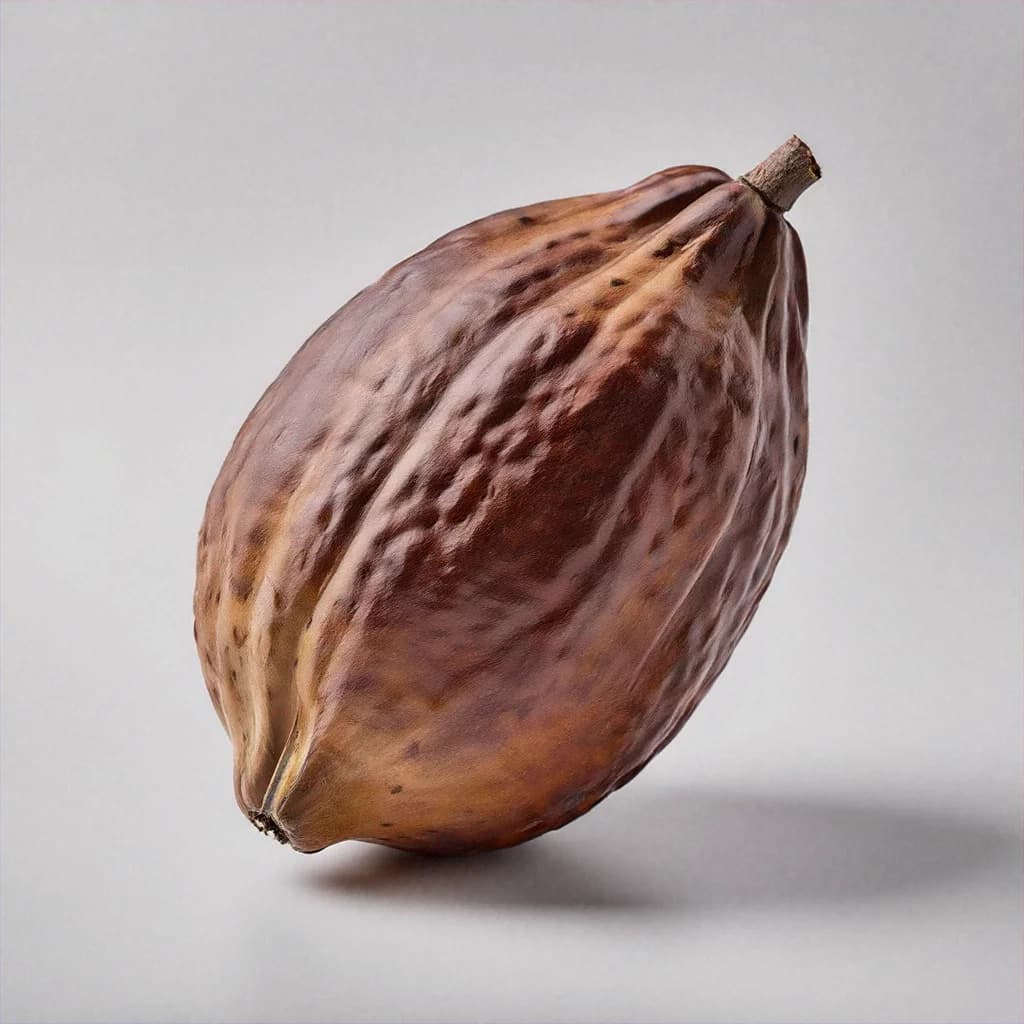
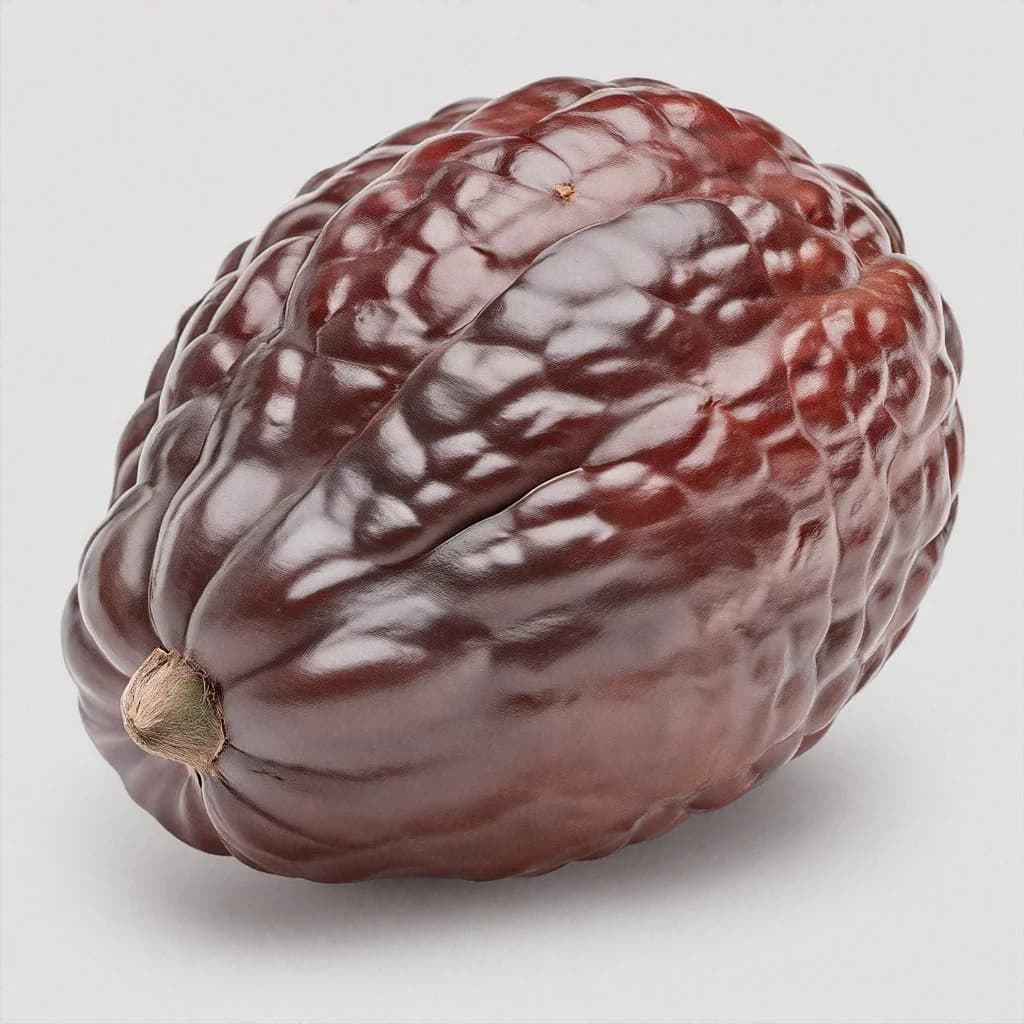
Cacau, botanically known as Theobroma cacao, is a tropical evergreen tree native to the Americas, celebrated for its seeds—cacao beans—which are the primary ingredient in chocolate. The term 'Theobroma' translates to 'food of the gods,' reflecting the ancient reverence for this fruit. The cacao pod, which houses the beans, is ovoid, with a thick, leathery rind and a sweet, mucilaginous pulp surrounding the seeds. Rich in antioxidants, minerals, and beneficial phytonutrients, cacau has been hailed for its health benefits, including cardiovascular support, improved mood, and enhanced cognitive function. Beyond its culinary applications in confections, beverages, and desserts, cacau has a storied history in Mesoamerican cultures, where it was valued as currency and used in sacred rituals.
Cacau Galería de fotos
Explora Cacau con todo detalle
Cacau - Vista principal
Cacau Información nutricional
💊Vitaminas
Por 100 g
⚡Minerales
Por 100 g
Por porción
Desglose nutricional por porción
Beneficios para la salud de Cacau
Cacau Origen y distribución
Central and South America
Cacau has been cultivated for over 4,000 years, originally by the Olmec, Maya, and Aztec civilizations. It was introduced to Europe in the 16th century, where it became a prized commodity and the foundation of the modern chocolate industry.
Cacau Temporada alta
Harvested year-round in tropical regions, with peak seasons varying by location.
Cacau Variedades
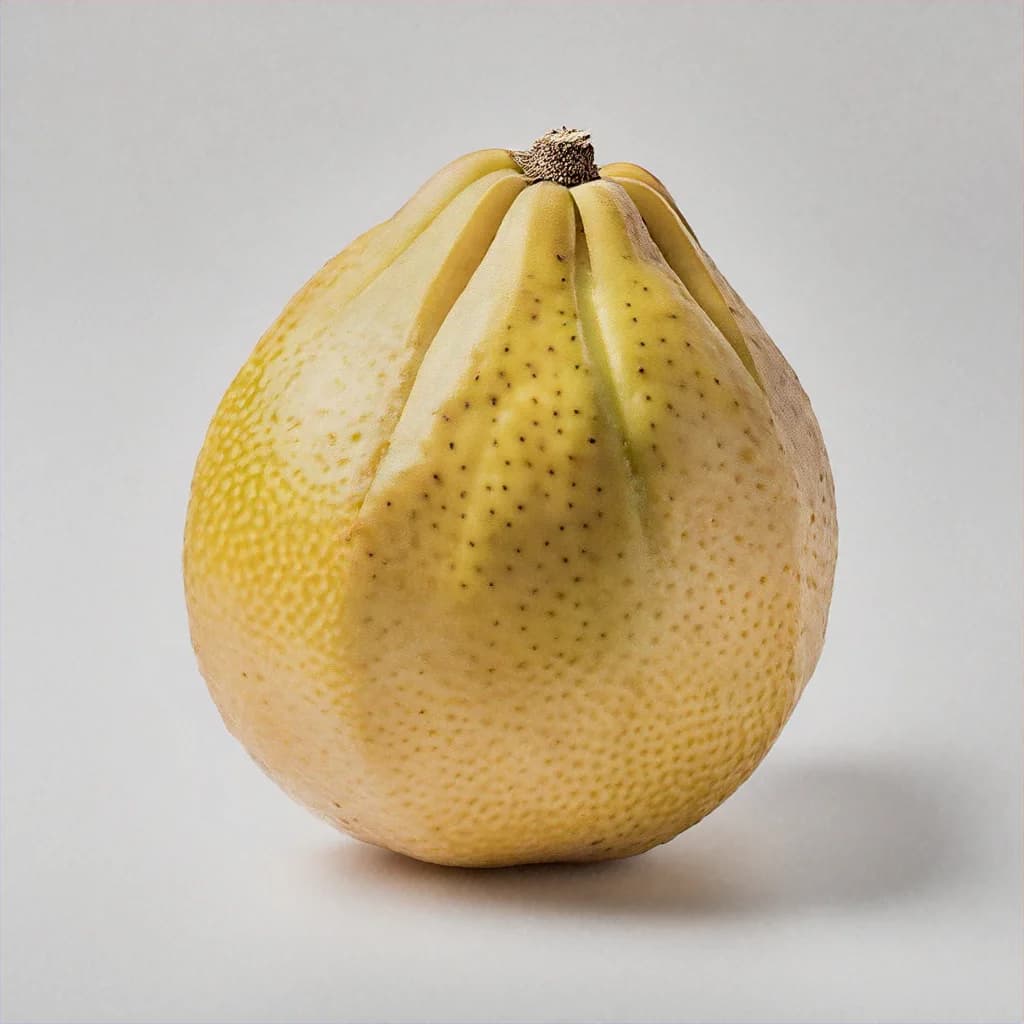
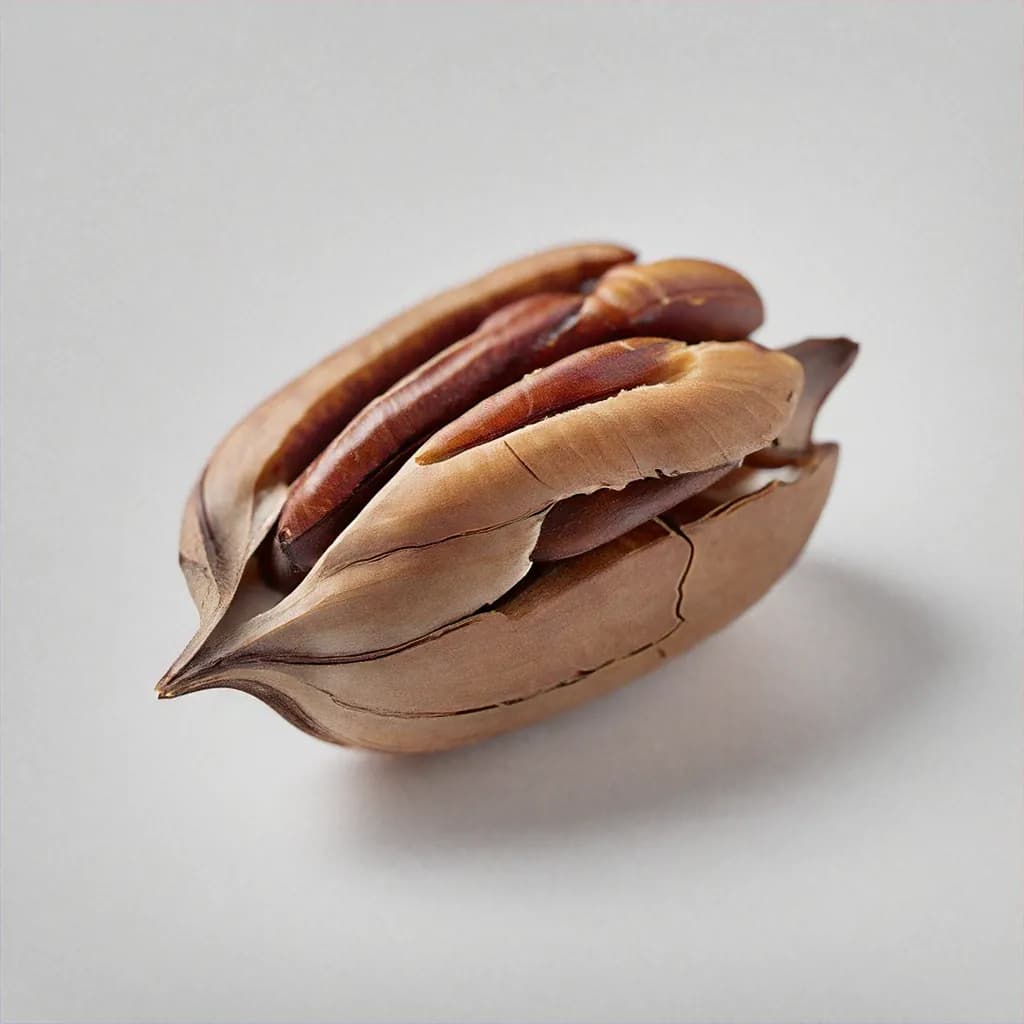
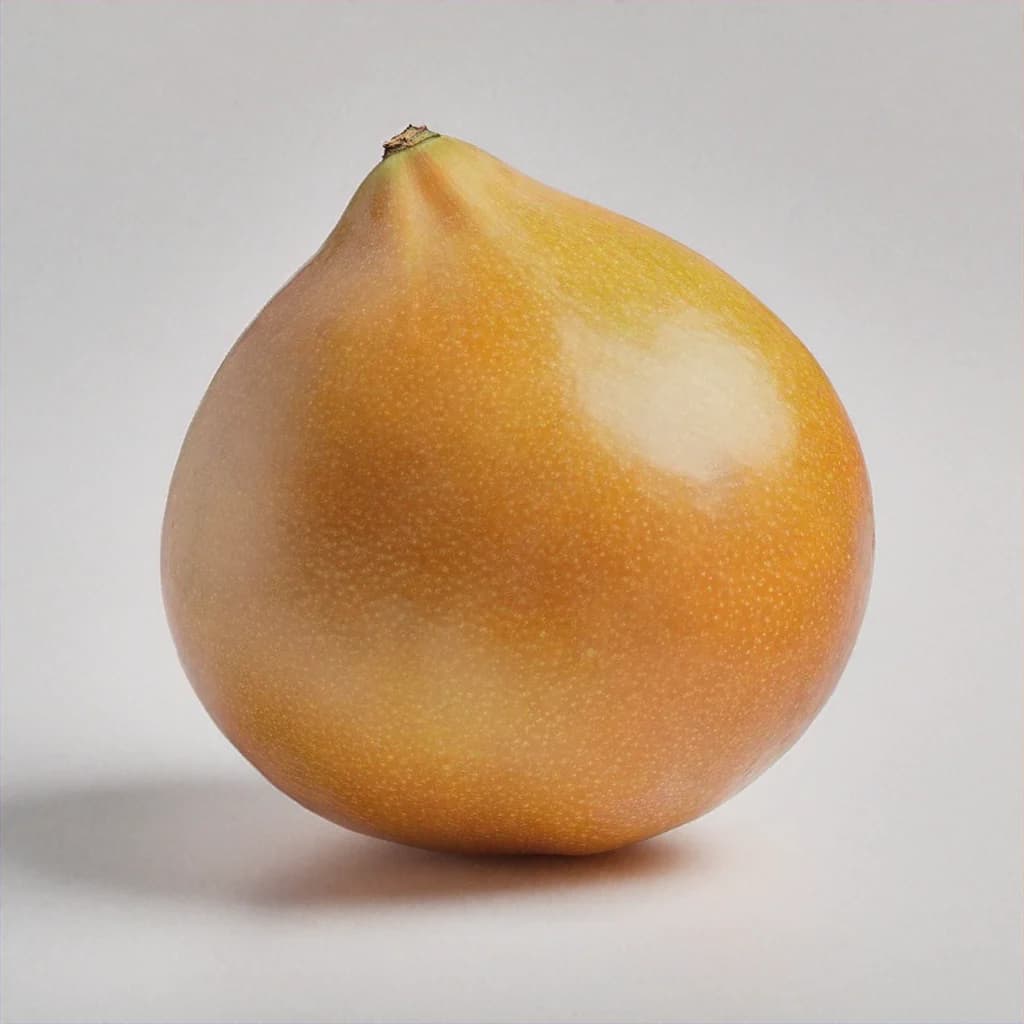
Cada variedad ofrece sabores, texturas y usos culinarios únicos
Criollo
Forastero
Trinitario
Cacau Guía de selección y conservación
Mantén tu fruta fresca y deliciosa por más tiempo
Cómo elegir la fruta perfecta
Look for cacao pods with bright, unblemished skin and no signs of mold or decay.
Check for a firm texture and a sweet, fruity aroma.
Métodos de conservación
Store fresh cacao pods at room temperature for up to 1-2 weeks.
Refrigerate cacao beans in an airtight container for up to 6 months.
Keep processed cacao products (nibs, powder) in a cool, dry place away from light and heat.
Guía de vida útil
Instrucciones de congelación
Conserva la frescura por meses
Cacao beans can be frozen for up to 1 year to preserve freshness.
Store in an airtight container or freezer bag to prevent moisture absorption.
Consejo
Etiqueta los alimentos congelados con la fecha para controlar la frescura. La mayoría de las frutas mantienen su calidad durante 2-3 meses si se congelan correctamente. Para mejores resultados, usa recipientes herméticos o bolsas para congelador para evitar quemaduras por congelación.
Viaje culinario
Descubre posibilidades deliciosas
Usos comunes
Maridajes perfectos
Recetas populares
Bebidas refrescantes
Información de seguridad
Cacao is generally safe for most people, but allergic reactions are possible. Symptoms may include hives, itching, and digestive issues.
Cacao is often grown with pesticides, so opt for organic varieties when possible.
- • Individuals with cacao allergies
- • People sensitive to caffeine or theobromine
- • Those taking certain medications, such as blood thinners
- •May cause digestive upset in large quantities
- •Contains caffeine, which can cause jitteriness or insomnia
- •May interact with medications like blood thinners
- • Wash hands thoroughly after handling raw cacao beans.
- • Store cacao products in a cool, dry place away from light and heat.
Datos curiosos sobre Cacau
¡Trivias sorprendentes que te encantarán!
The Aztecs valued cacao beans so highly that they used them as currency.
The scientific name 'Theobroma' means 'food of the gods' in Greek.
Cacao contains more antioxidants per gram than blueberries, acai, and green tea.
Preguntas frecuentes
What is the difference between cacao and cocoa?
GeneralCacao refers to the raw, unprocessed beans and products, while cocoa refers to the processed form, often roasted and sweetened.
How do I select the best cacao pods?
BuyingLook for pods with bright, unblemished skin, a firm texture, and a sweet, fruity aroma.
Can I freeze cacao beans?
StorageYes, cacao beans can be frozen for up to 1 year to preserve freshness. Store them in an airtight container or freezer bag.
What are some popular culinary uses for cacao?
CulinaryCacao is used in chocolate-making, baking, smoothies, and even savory dishes like mole sauces.
Is cacao a good source of antioxidants?
NutritionYes, cacao is rich in flavonoids and polyphenols, which have potent antioxidant properties.
Can cacao interact with medications?
HealthCacao contains caffeine and theobromine, which may interact with certain medications, such as blood thinners and stimulants.
What is the history of cacau?
MiscellaneousCacau has been cultivated for over 4,000 years, originally by Mesoamerican civilizations, and was later introduced to Europe in the 16th century.