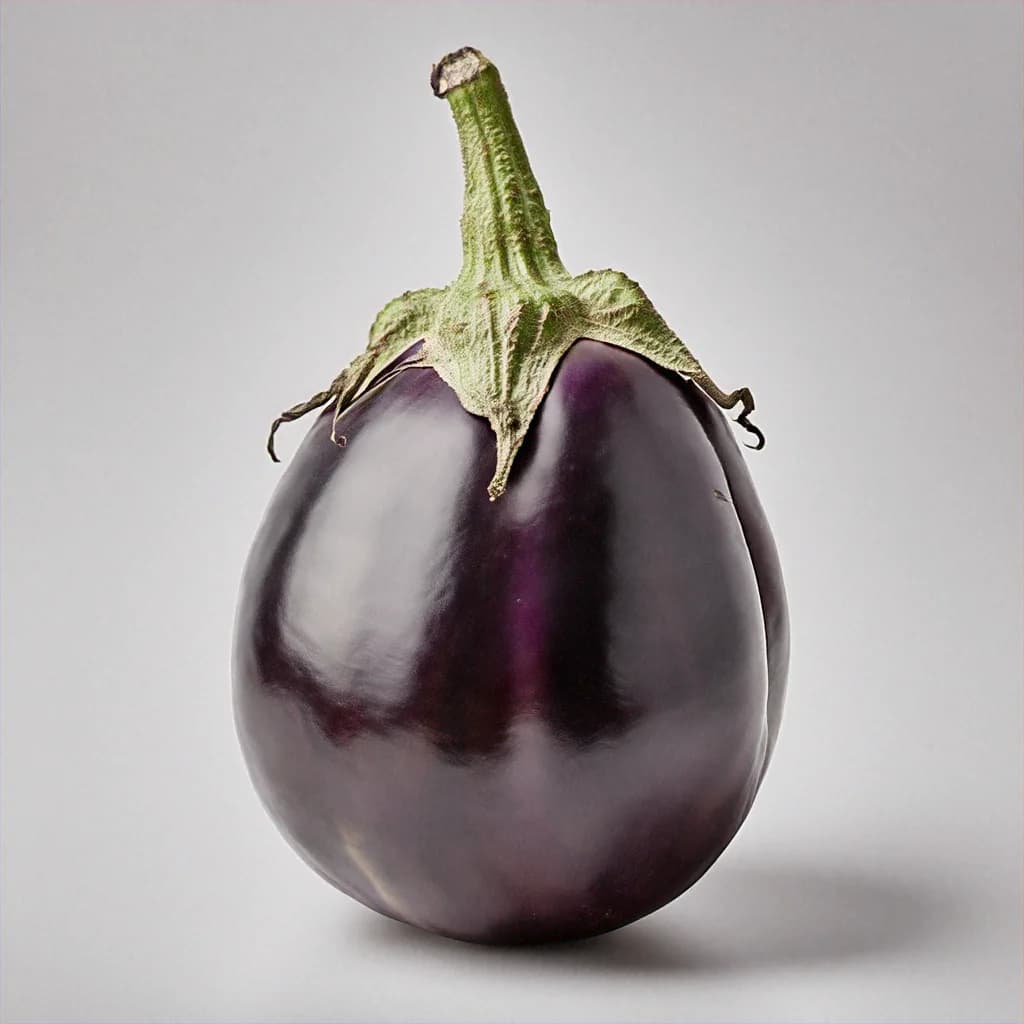
African Eggplant Fruit
Solanum aethiopicum
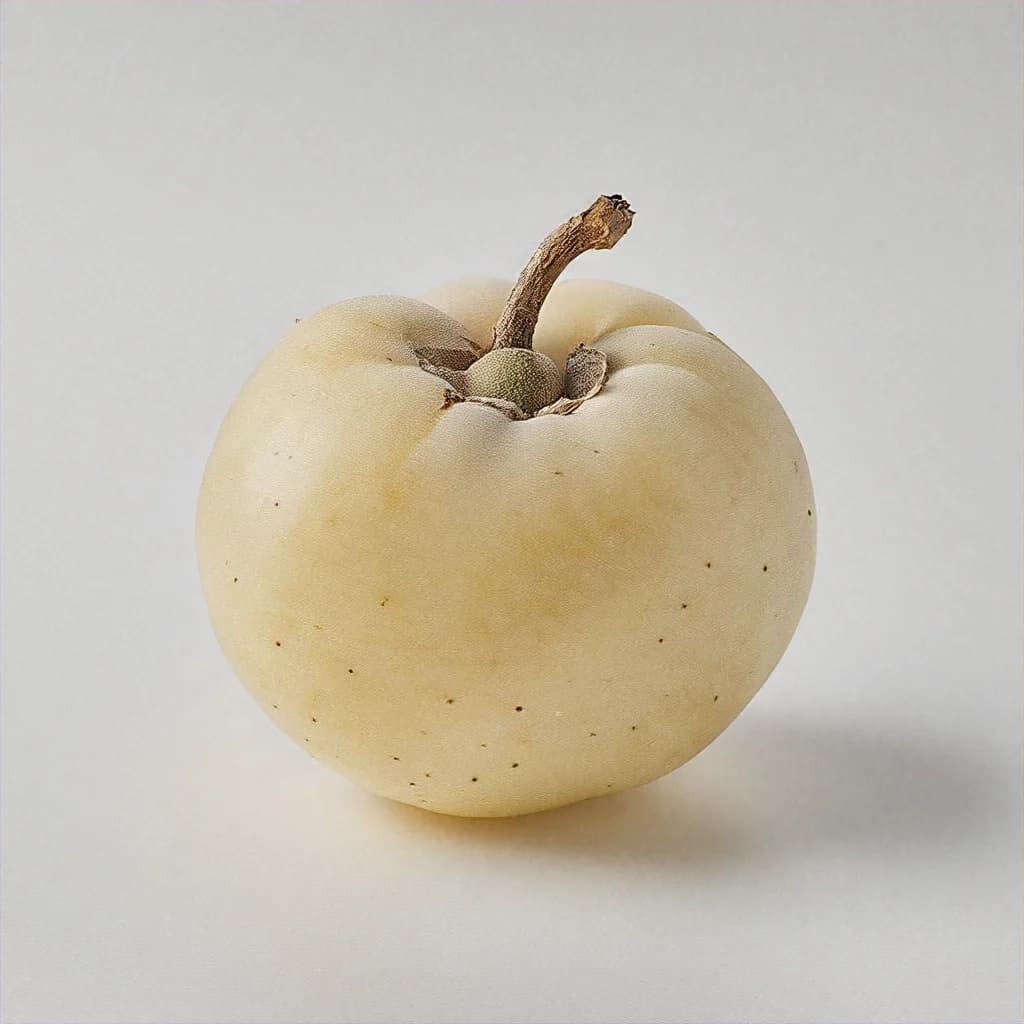
The African Eggplant Fruit, scientifically known as Solanum aethiopicum, is a versatile and nutritious fruit native to West Africa. Often referred to as the 'Garden Egg,' it is a member of the Solanaceae family, which also includes tomatoes and potatoes. This fruit is characterized by its smooth, glossy skin and firm, white flesh. Its flavor profile ranges from mildly bitter to slightly sweet, depending on the variety. Rich in vitamins, minerals, and antioxidants, the African Eggplant Fruit is not only a culinary delight but also a nutritional powerhouse. It is commonly used in traditional African cuisine, adding depth and texture to stews, soups, and stir-fries. Beyond its culinary applications, the fruit is celebrated for its health benefits, including its ability to support digestive health, boost immunity, and promote heart health.
African Eggplant Fruit Galería de fotos
Explora African Eggplant Fruit con todo detalle
African Eggplant Fruit - Vista principal
African Eggplant Fruit Información nutricional
💊Vitaminas
Por 100 g
⚡Minerales
Por 100 g
Por porción
Desglose nutricional por porción
Beneficios para la salud de African Eggplant Fruit
African Eggplant Fruit Origen y distribución
West Africa
The African Eggplant Fruit has been cultivated in West Africa for centuries. It is deeply rooted in the region's culinary traditions and is often used in soups, stews, and sauces. Its cultivation has spread to other parts of Africa and beyond, where it is valued for its nutritional content and versatility.
African Eggplant Fruit Temporada alta
Year-round in tropical regions, but peak availability varies by location.
African Eggplant Fruit Variedades
Cada variedad ofrece sabores, texturas y usos culinarios únicos
White African Eggplant
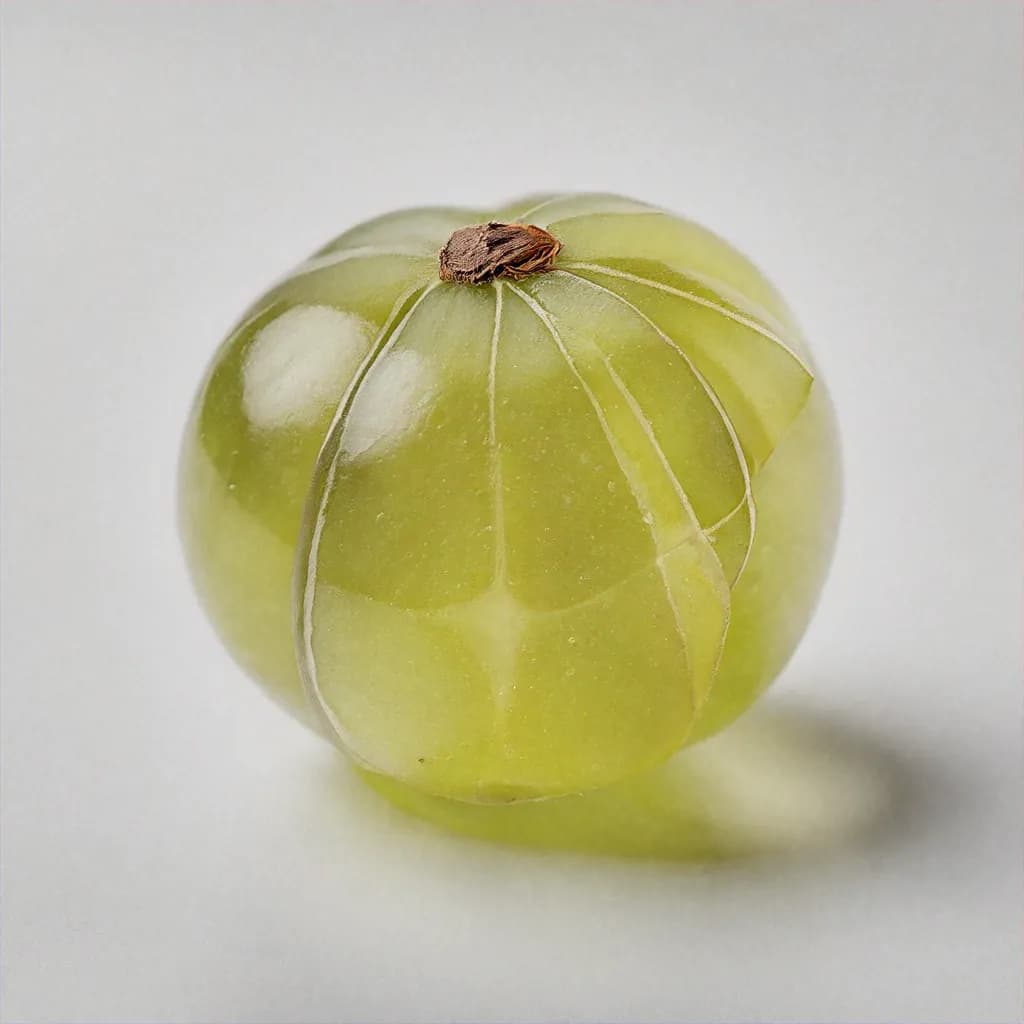
Green African Eggplant
African Eggplant Fruit Guía de selección y conservación
Mantén tu fruta fresca y deliciosa por más tiempo
Cómo elegir la fruta perfecta
Select firm and glossy fruits with no blemishes.
Avoid fruits with soft spots or wrinkled skin.
Métodos de conservación
Store in a cool, dry place for up to 5 days.
Refrigerate for extended freshness.
Guía de vida útil
Instrucciones de congelación
Conserva la frescura por meses
Wash, slice, and freeze in airtight containers.
Blanch before freezing for better texture.
Consejo
Etiqueta los alimentos congelados con la fecha para controlar la frescura. La mayoría de las frutas mantienen su calidad durante 2-3 meses si se congelan correctamente. Para mejores resultados, usa recipientes herméticos o bolsas para congelador para evitar quemaduras por congelación.
Viaje culinario
Descubre posibilidades deliciosas
Usos comunes
Maridajes perfectos
Recetas populares
Bebidas refrescantes
Información de seguridad
African Eggplant Fruit is generally considered safe for most people, but individuals with allergies to other nightshade vegetables (e.g., tomatoes, potatoes) should exercise caution.
As with all produce, it is important to wash African Eggplant Fruit thoroughly to remove any potential pesticide residues.
- • Individuals allergic to nightshade vegetables
- • People with kidney stones (due to oxalate content)
- •Mild gastrointestinal discomfort in sensitive individuals.
- •Possible oxalate-related issues in individuals with kidney stones.
- • Wash thoroughly before use.
- • Cook well to enhance flavor and reduce any potential bitterness.
Datos curiosos sobre African Eggplant Fruit
¡Trivias sorprendentes que te encantarán!
The African Eggplant Fruit is sometimes called the 'Garden Egg' in West Africa.
It is a staple ingredient in many traditional African dishes, such as 'Nkwobi' and 'Isi Ewu.'
Preguntas frecuentes
What does the African Eggplant Fruit taste like?
GeneralThe African Eggplant Fruit has a mild, slightly bitter taste with a firm texture. Its flavor can vary depending on the variety.
How do I know if an African Eggplant Fruit is ripe?
BuyingA ripe African Eggplant Fruit will have a smooth, glossy skin and feel firm to the touch. Avoid fruits with soft spots or wrinkled skin.
Can I freeze African Eggplant Fruit?
StorageYes, you can freeze African Eggplant Fruit. Wash, slice, and freeze in airtight containers. Blanching before freezing can help maintain texture.
What are some popular ways to cook African Eggplant Fruit?
CulinaryAfrican Eggplant Fruit is commonly used in stews, soups, stir-fries, and grilled dishes. It pairs well with tomatoes, onions, and spices.
Is African Eggplant Fruit high in calories?
NutritionNo, African Eggplant Fruit is low in calories, with only 38 calories per 100 grams. It is also high in water content, making it a hydrating and nutritious choice.
Does African Eggplant Fruit have any health benefits?
HealthYes, African Eggplant Fruit is rich in antioxidants, dietary fiber, potassium, and vitamin C, which support digestive health, heart health, and immunity.
Is African Eggplant Fruit the same as regular eggplant?
MiscellaneousNo, African Eggplant Fruit (Solanum aethiopicum) is a different species from the common eggplant (Solanum melongena). It is smaller, firmer, and has a milder flavor.