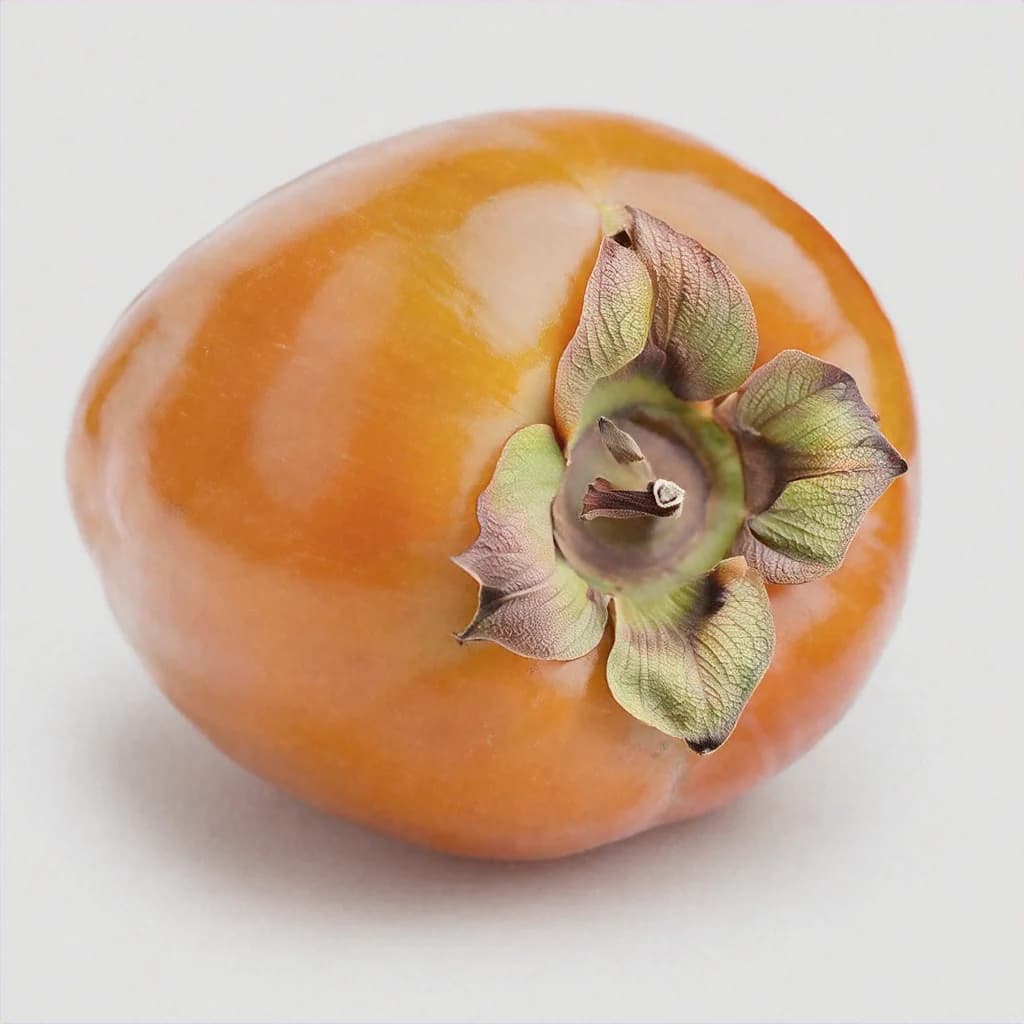
African Persimmon
Diospyros mespiliformis
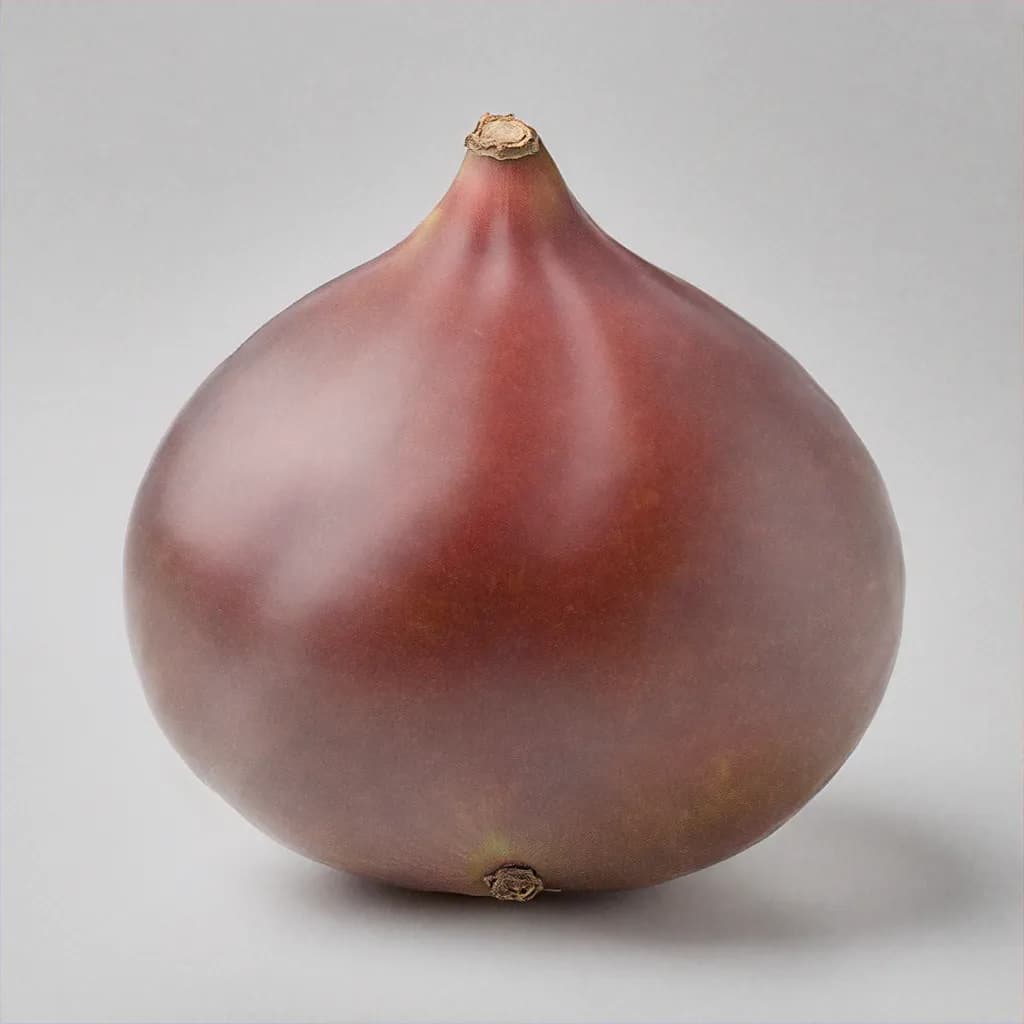
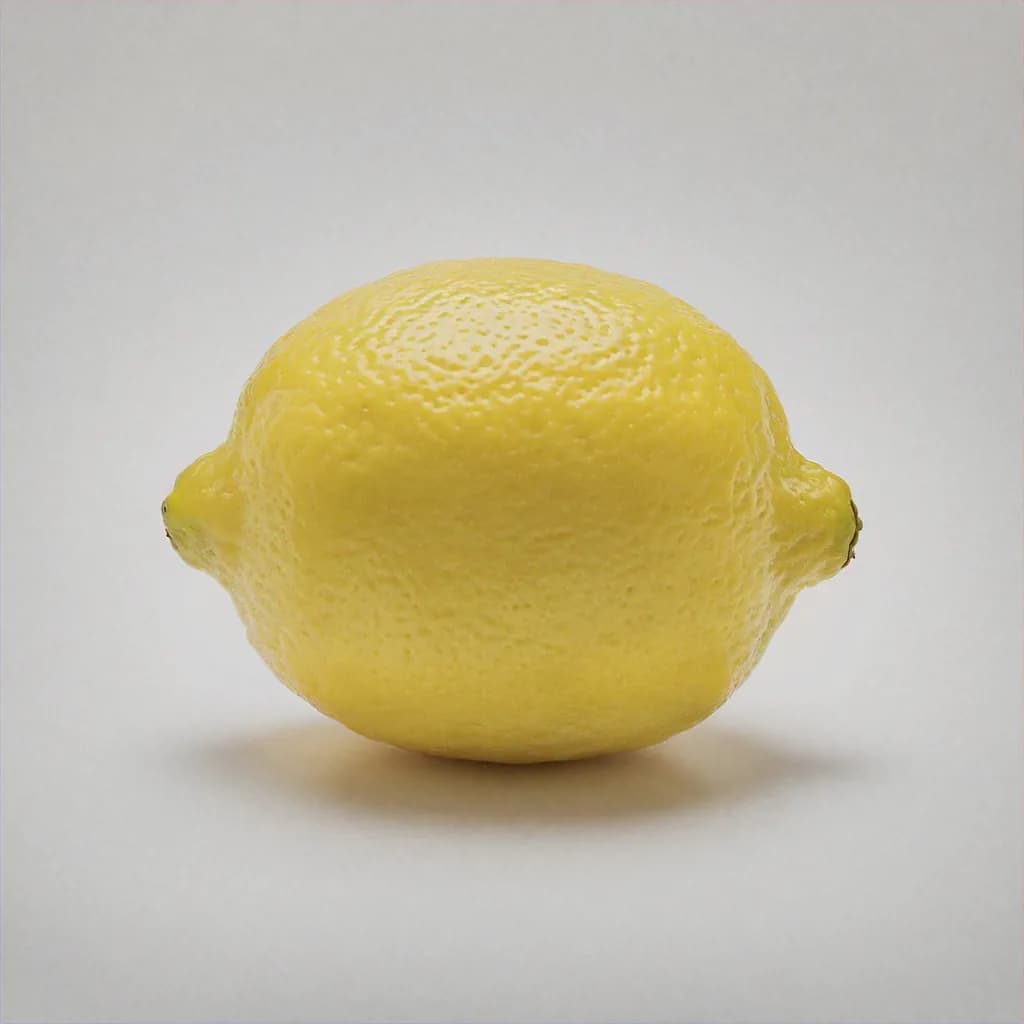
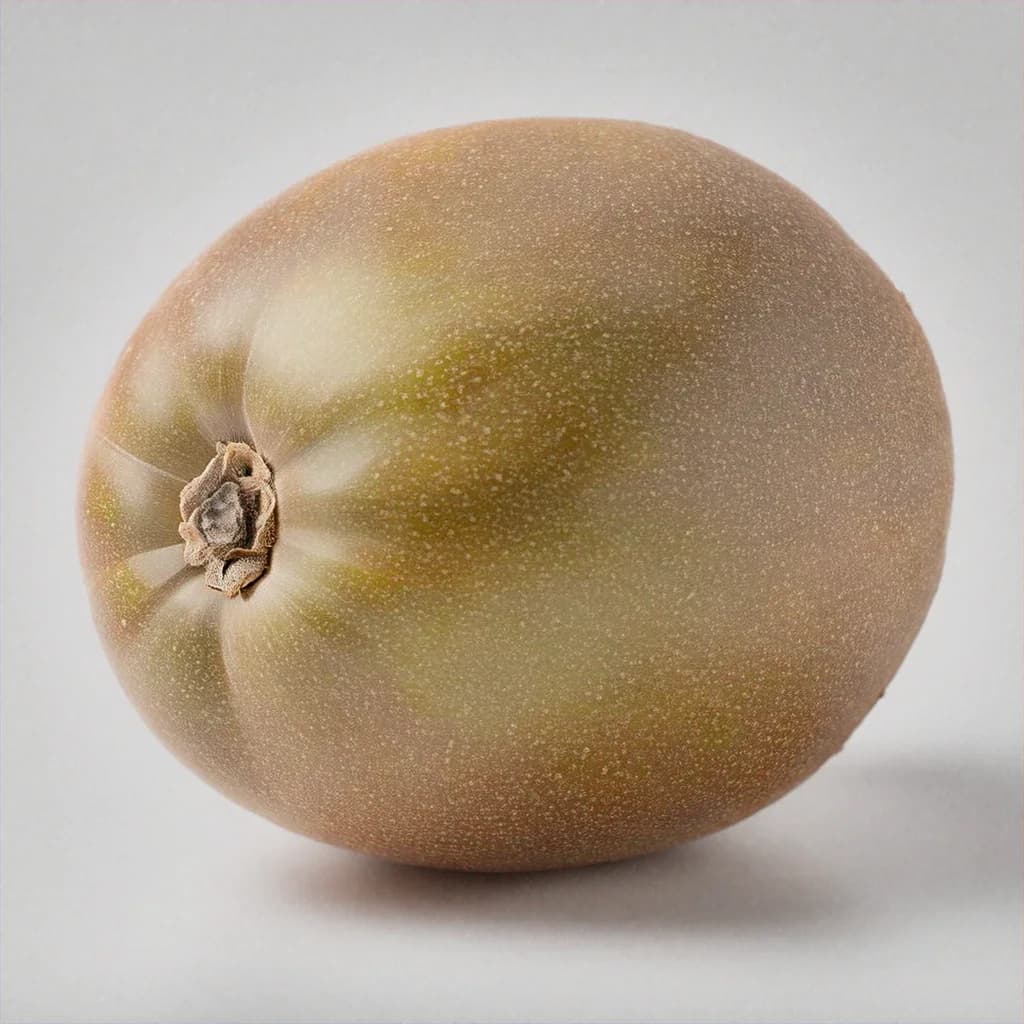
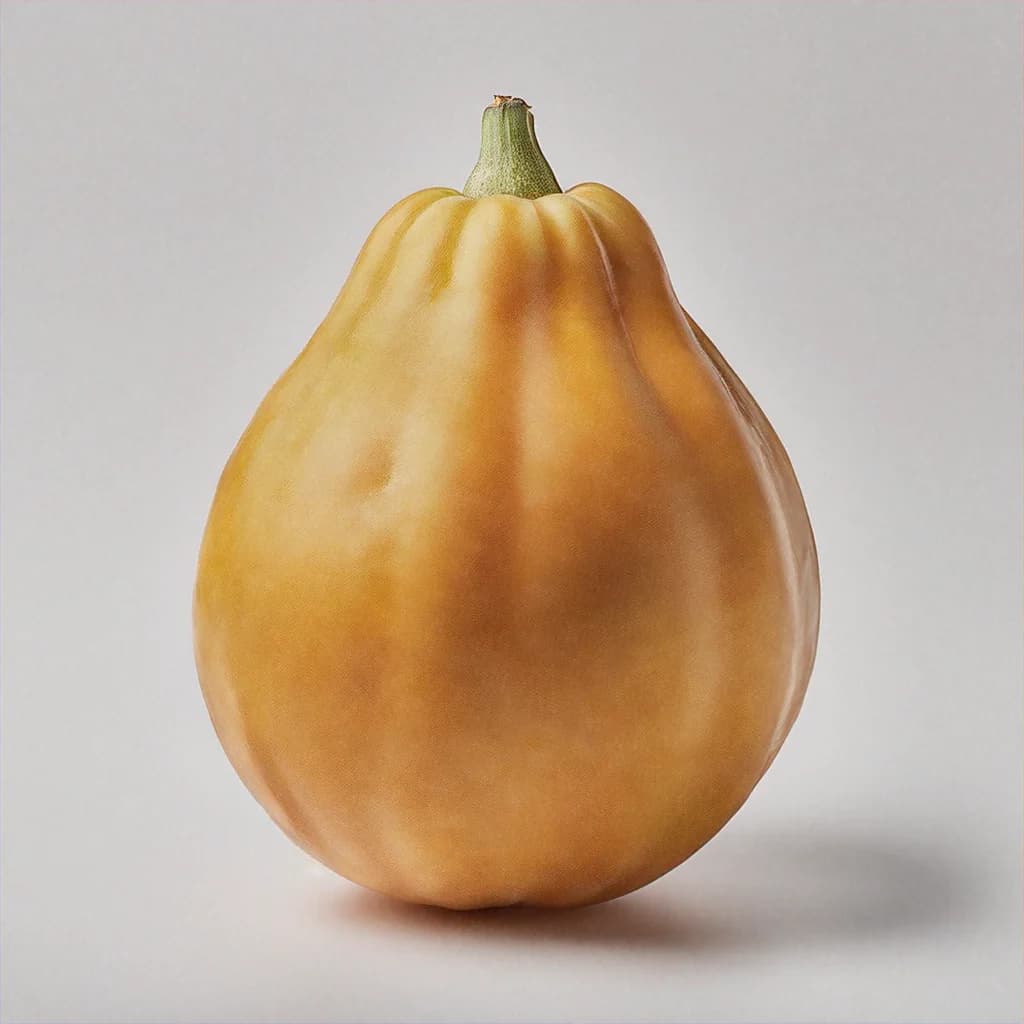
The African Persimmon, scientifically known as Diospyros mespiliformis, is a tropical fruit native to sub-Saharan Africa. It belongs to the Ebenaceae family and is often referred to as the 'Jackalberry' or 'African Ebony.' The fruit is round to oval in shape, with a thin, greenish-yellow skin that turns golden-brown when ripe. Its flesh is soft, juicy, and sweet, with a mildly tangy flavor reminiscent of dates or apricots. Rich in vitamins, minerals, and antioxidants, the African Persimmon is not only delicious but also highly nutritious. It is commonly consumed fresh, dried, or used in traditional medicines across Africa. Its versatility and health benefits make it a valuable addition to both culinary and medicinal practices.
African Persimmon Galería de fotos
Explora African Persimmon con todo detalle
African Persimmon - Vista principal
African Persimmon Información nutricional
💊Vitaminas
Por 100 g
⚡Minerales
Por 100 g
Por porción
Desglose nutricional por porción
Beneficios para la salud de African Persimmon
African Persimmon Origen y distribución
Sub-Saharan Africa
The African Persimmon has been cultivated for centuries in sub-Saharan Africa. It has been an important food source for local communities and is often used in traditional medicines for its perceived health benefits.
African Persimmon Temporada alta
Available year-round in tropical regions, but peaks during the rainy season.
African Persimmon Variedades
Cada variedad ofrece sabores, texturas y usos culinarios únicos
Common African Persimmon
African Persimmon Guía de selección y conservación
Mantén tu fruta fresca y deliciosa por más tiempo
Cómo elegir la fruta perfecta
Look for fruits with a golden-brown skin, indicating ripeness.
Avoid fruits with bruises, blemishes, or a shriveled appearance.
Métodos de conservación
Store at room temperature for up to 3 days.
Refrigerate for up to 7 days to extend freshness.
Guía de vida útil
Instrucciones de congelación
Conserva la frescura por meses
Freeze whole or sliced in an airtight container for up to 3 months.
Thaw in the refrigerator before consuming.
Consejo
Etiqueta los alimentos congelados con la fecha para controlar la frescura. La mayoría de las frutas mantienen su calidad durante 2-3 meses si se congelan correctamente. Para mejores resultados, usa recipientes herméticos o bolsas para congelador para evitar quemaduras por congelación.
Viaje culinario
Descubre posibilidades deliciosas
Usos comunes
Maridajes perfectos
Recetas populares
Bebidas refrescantes
Información de seguridad
Allergies to African Persimmons are rare, but individuals with known fruit allergies should exercise caution.
As a tropical fruit, African Persimmons are generally low in pesticide residues, but it is still advisable to wash thoroughly before consuming.
- • Individuals with known allergies to persimmons or related fruits.
- • People with digestive sensitivities to high-fiber foods.
- •Mild stomach discomfort if consumed in excess.
- •Possible allergic reactions in sensitive individuals.
- • Wash the fruit thoroughly before consuming.
- • Avoid consuming the seeds, as they can be bitter and potentially irritate the digestive system.
Datos curiosos sobre African Persimmon
¡Trivias sorprendentes que te encantarán!
The African Persimmon is also known as the 'Jackalberry' because jackals are known to eat the fallen fruit.
In some African cultures, the fruit is believed to have aphrodisiac properties.
Preguntas frecuentes
What does the African Persimmon taste like?
GeneralThe African Persimmon has a sweet, slightly tangy flavor, similar to dates or apricots.
How do I know if an African Persimmon is ripe?
BuyingA ripe African Persimmon will have a golden-brown skin and give slightly when pressed.
Can African Persimmons be frozen?
StorageYes, they can be frozen whole or sliced in an airtight container for up to 3 months.
What are some popular ways to use African Persimmons in cooking?
CulinaryThey can be eaten fresh, dried, blended into smoothies, or added to salads and yogurt parfaits.
What nutrients are found in African Persimmons?
NutritionAfrican Persimmons are rich in vitamin C, potassium, magnesium, fiber, and antioxidants like flavonoids and tannins.
Are African Persimmons safe for people with diabetes?
HealthWhile they contain natural sugars, their low glycemic index makes them a suitable option in moderation.
Do African Persimmons have any traditional medicinal uses?
MiscellaneousYes, they have been used in traditional African medicine to treat conditions like fever, diarrhea, and skin infections.