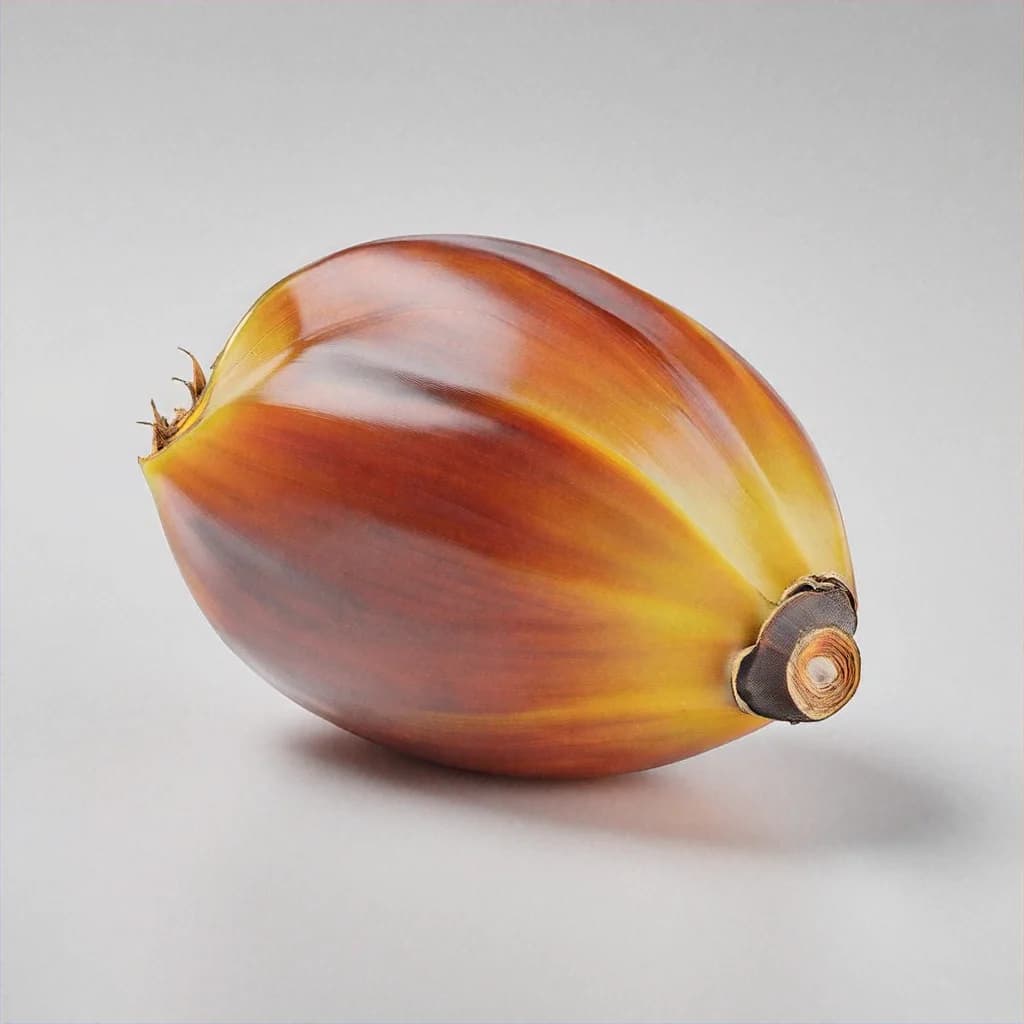
African Oil Palm
Elaeis guineensis
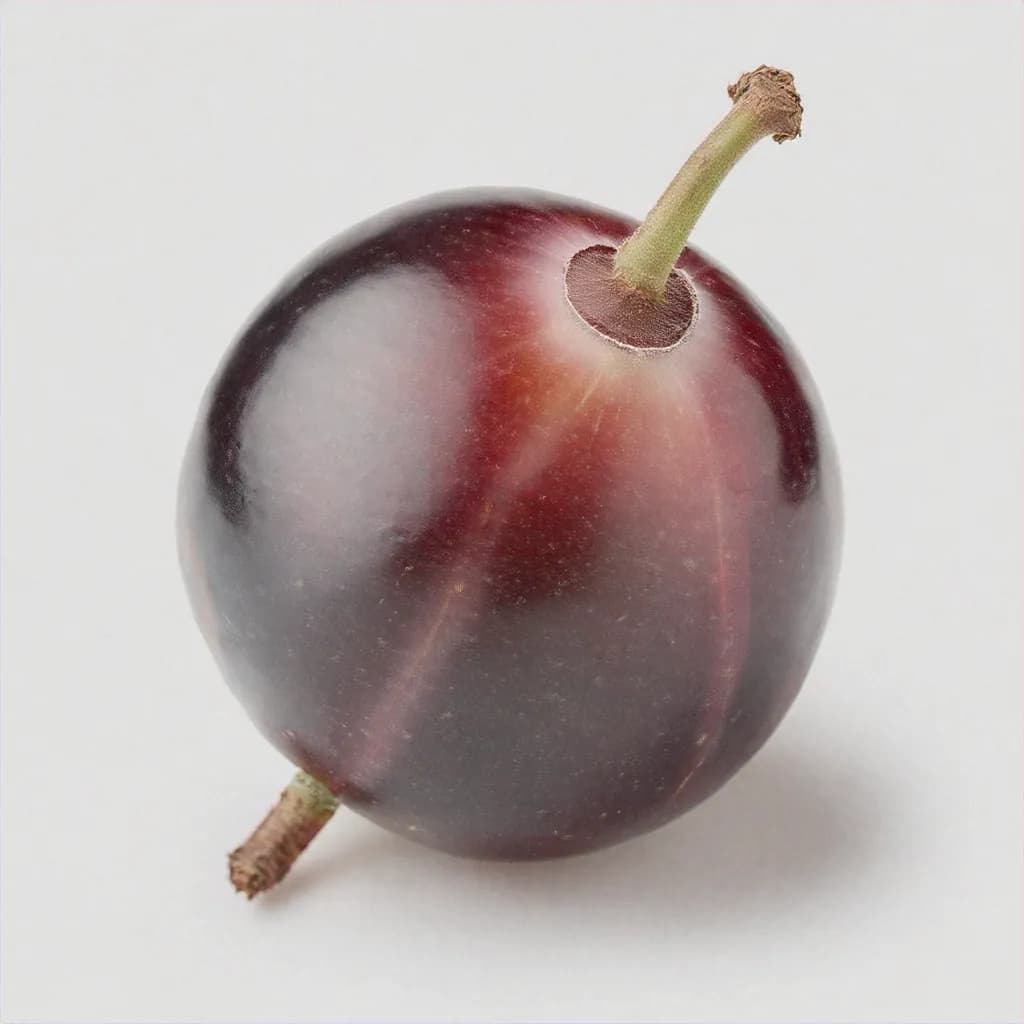
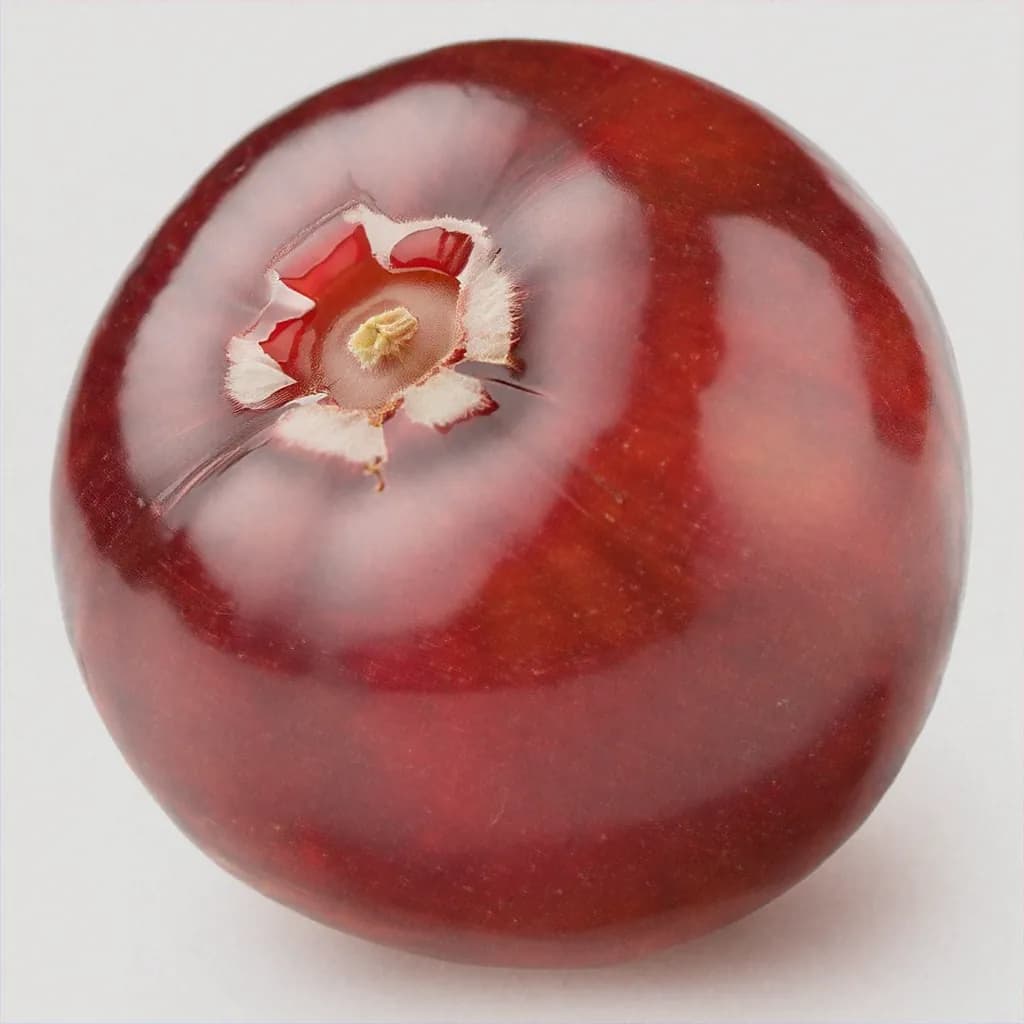
The African Oil Palm (Elaeis guineensis) is a versatile tropical fruit native to West Africa. Its rich, reddish-orange pulp oil and kernel oil are among the most widely used vegetable oils globally, featuring prominently in cooking, cosmetics, and biofuels. The fruit grows in dense clusters on tall, slender trees, thriving in humid tropical climates. Its oil is prized for its high smoke point, neutral flavor, and stability, making it ideal for frying and baking. Nutritionally, the African Oil Palm is a powerhouse of vitamins, antioxidants, and healthy fats, offering significant health benefits when incorporated into a balanced diet.
African Oil Palm Galería de fotos
Explora African Oil Palm con todo detalle
African Oil Palm - Vista principal
African Oil Palm Información nutricional
💊Vitaminas
Por 100 g
⚡Minerales
Por 100 g
Por porción
Desglose nutricional por porción
Beneficios para la salud de African Oil Palm
African Oil Palm Origen y distribución
West Africa
The African Oil Palm has been cultivated for thousands of years in West Africa. Its oil has been a staple in African cuisine and traditional medicine. In the 19th century, it was introduced to Southeast Asia, where it became a major agricultural crop.
African Oil Palm Temporada alta
Year-round in tropical regions
African Oil Palm Variedades
Cada variedad ofrece sabores, texturas y usos culinarios únicos
Dura
Tenera
Pisifera
African Oil Palm Guía de selección y conservación
Mantén tu fruta fresca y deliciosa por más tiempo
Cómo elegir la fruta perfecta
Look for fresh, unbruised fruit bunches if purchasing whole fruit.
For palm oil, choose brands labeled as 'sustainably sourced' or 'RSPO-certified' to support ethical farming practices.
Métodos de conservación
Store fresh fruit in a cool, dry place away from direct sunlight.
Palm oil should be stored in a sealed container in a cool, dark place.
Guía de vida útil
Instrucciones de congelación
Conserva la frescura por meses
Palm oil can be frozen to extend its shelf life, though it may become grainy upon thawing.
Freeze fresh fruit pulp for later use in smoothies or cooking.
Consejo
Etiqueta los alimentos congelados con la fecha para controlar la frescura. La mayoría de las frutas mantienen su calidad durante 2-3 meses si se congelan correctamente. Para mejores resultados, usa recipientes herméticos o bolsas para congelador para evitar quemaduras por congelación.
Viaje culinario
Descubre posibilidades deliciosas
Usos comunes
Maridajes perfectos
Recetas populares
Bebidas refrescantes
Información de seguridad
Palm oil is generally hypoallergenic, but individuals with tree nut allergies should exercise caution with palm kernel oil.
Choose organic or sustainably sourced palm oil to minimize exposure to pesticides.
- • Individuals with tree nut allergies (for palm kernel oil).
- • People with high cholesterol or heart disease should consume in moderation.
- •Excessive consumption may increase LDL cholesterol levels due to high saturated fat content.
- • Always heat palm oil to its smoke point to avoid the formation of harmful compounds.
- • Store palm oil in a sealed container to prevent rancidity.
Datos curiosos sobre African Oil Palm
¡Trivias sorprendentes que te encantarán!
The African Oil Palm is one of the most efficient oil-producing plants, yielding up to 10 times more oil per hectare than soybeans or rapeseed.
Palm oil has been used for centuries in African traditional medicine to treat various ailments.
Preguntas frecuentes
What is the difference between palm oil and palm kernel oil?
GeneralPalm oil is extracted from the fruit's pulp, while palm kernel oil is derived from the seed (kernel) of the fruit. Palm oil is richer in nutrients and has a more neutral flavor, while palm kernel oil is higher in saturated fats and used primarily in commercial products.
How do I choose sustainable palm oil?
BuyingLook for brands labeled as 'RSPO-certified' or 'sustainably sourced.' These certifications ensure the palm oil was produced using environmentally responsible practices.
Can I store palm oil at room temperature?
StorageYes, palm oil can be stored at room temperature in a sealed container away from direct sunlight. However, refrigeration can extend its shelf life.
What are the best culinary uses for palm oil?
CulinaryPalm oil is ideal for frying, baking, and sautéing due to its high smoke point and neutral flavor. It can also be used in sauces, soups, and stews for added richness.
Is palm oil a good source of Vitamin A?
NutritionYes, palm oil contains beta-carotene, a precursor to Vitamin A, which supports vision, immune function, and cell growth.
Are there any health risks associated with consuming palm oil?
HealthPalm oil is high in saturated fats, which can increase LDL cholesterol if consumed in excess. However, it also contains beneficial monounsaturated fats and antioxidants. Moderation is key.
Can palm oil be used in vegan cooking?
MiscellaneousYes, palm oil is plant-based and widely used in vegan cooking as a substitute for butter or other animal-based fats.