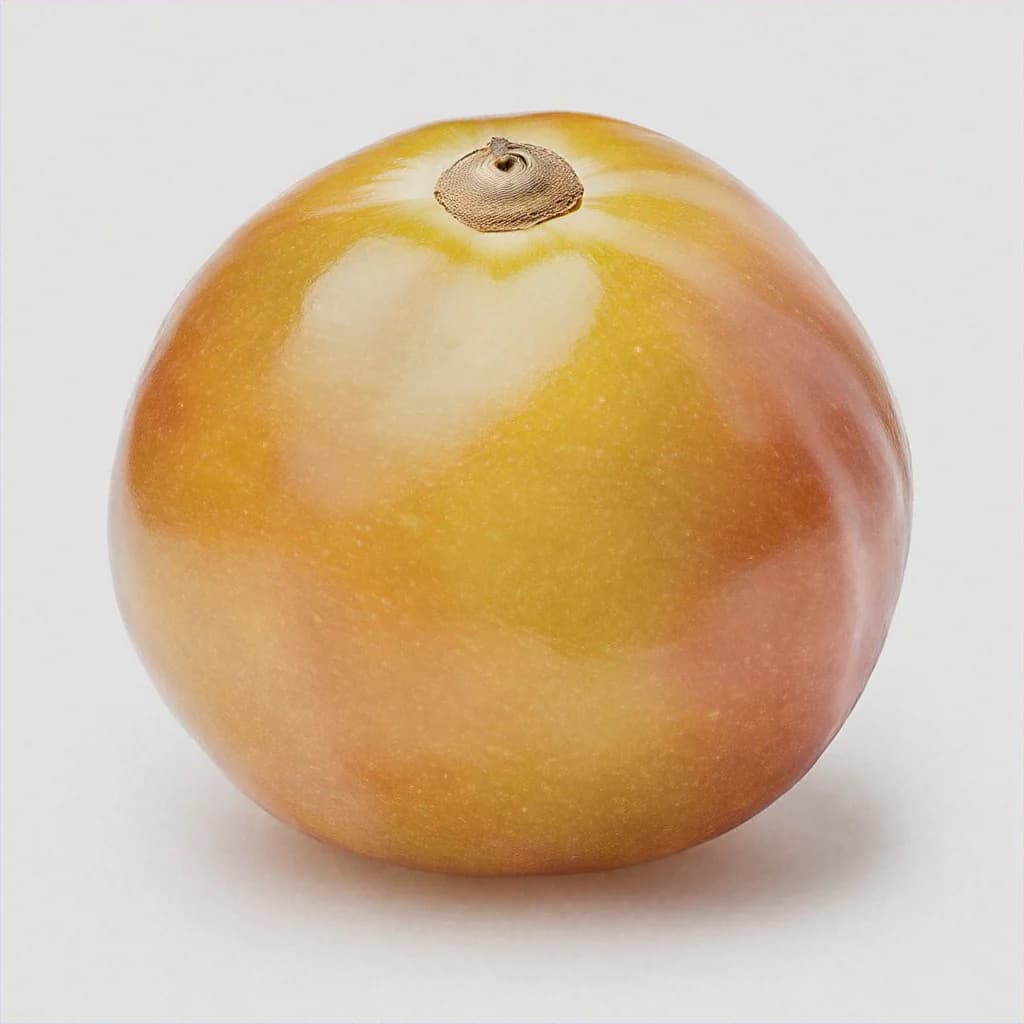
Cabeludinha
Myrciaria glazioviana
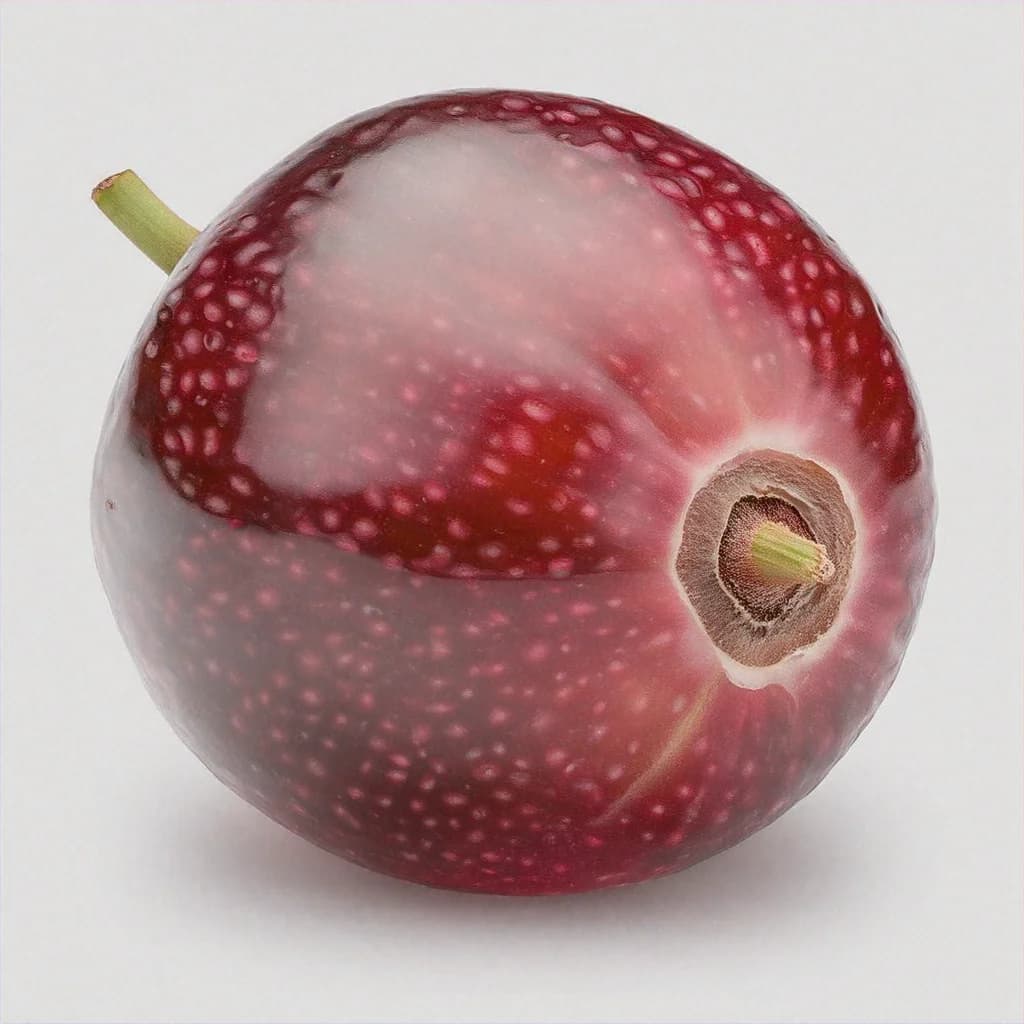
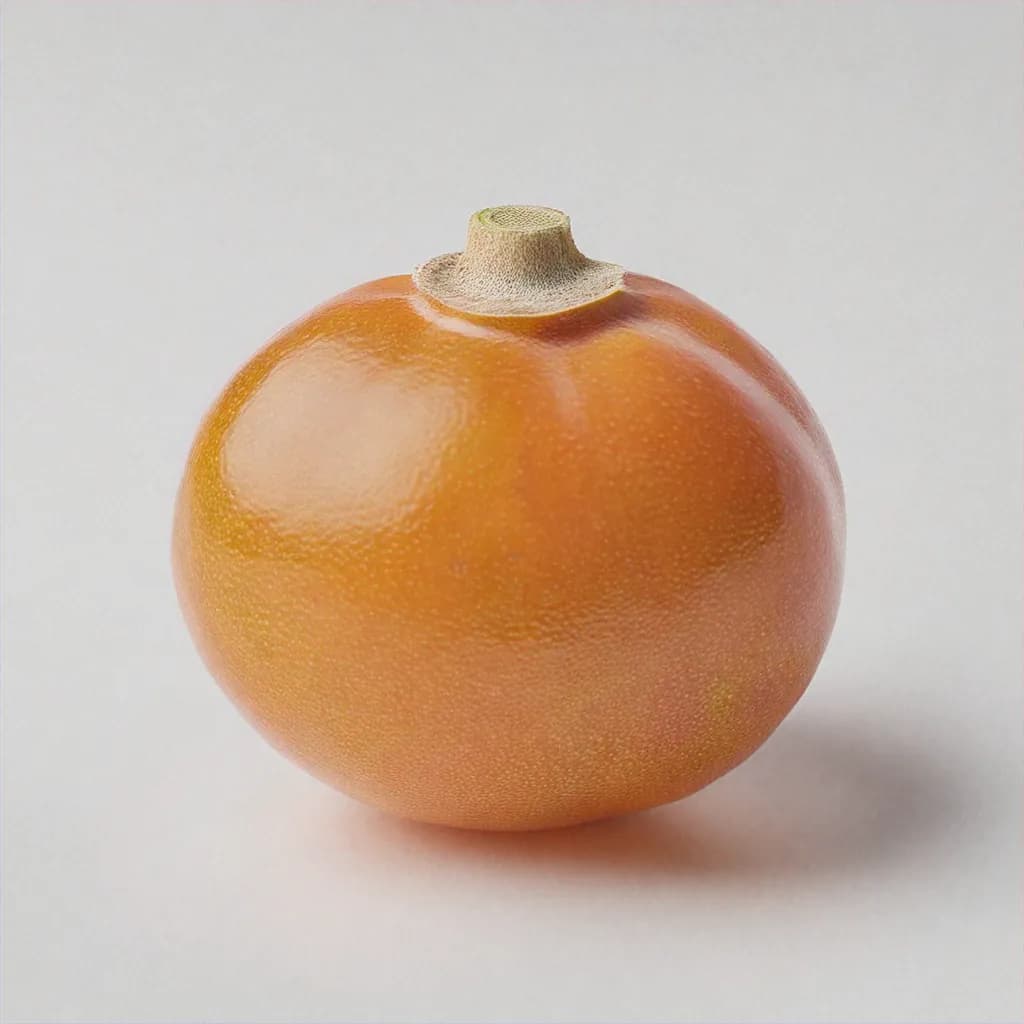
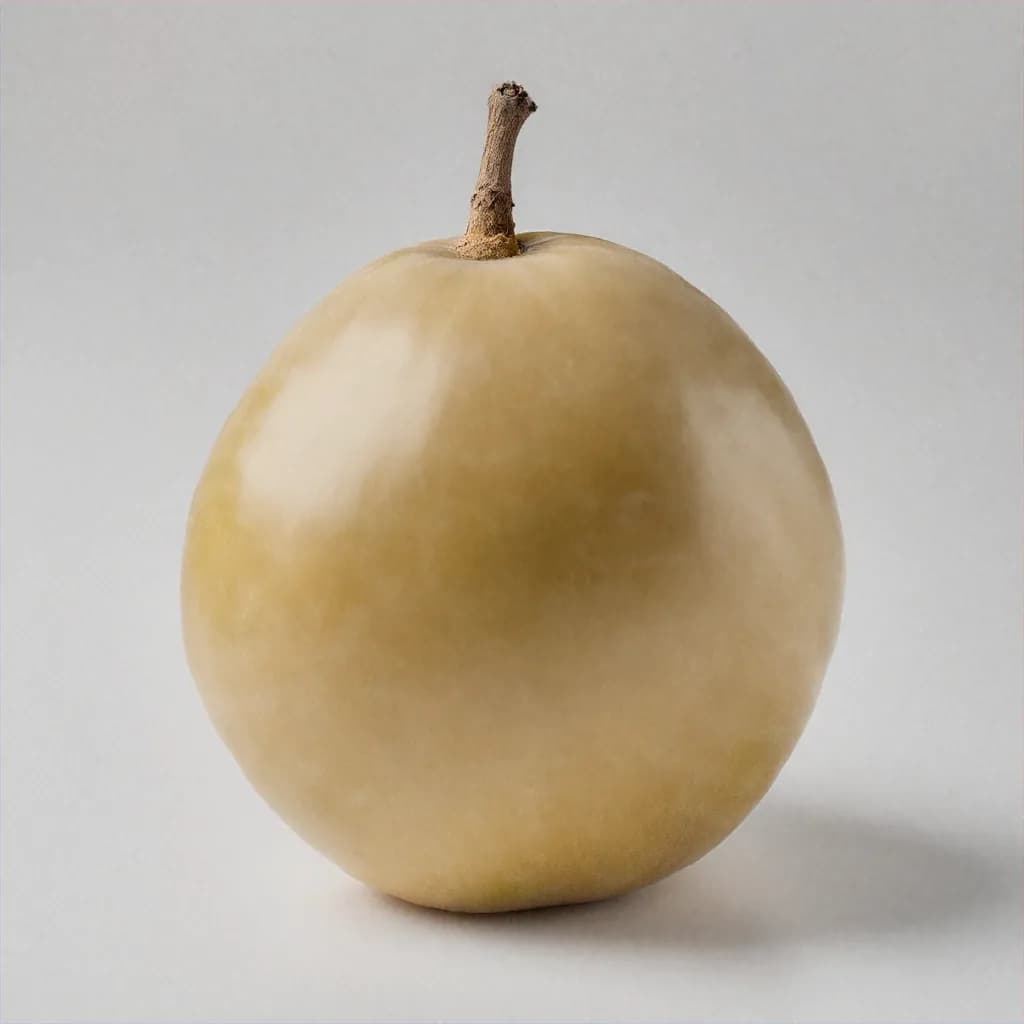
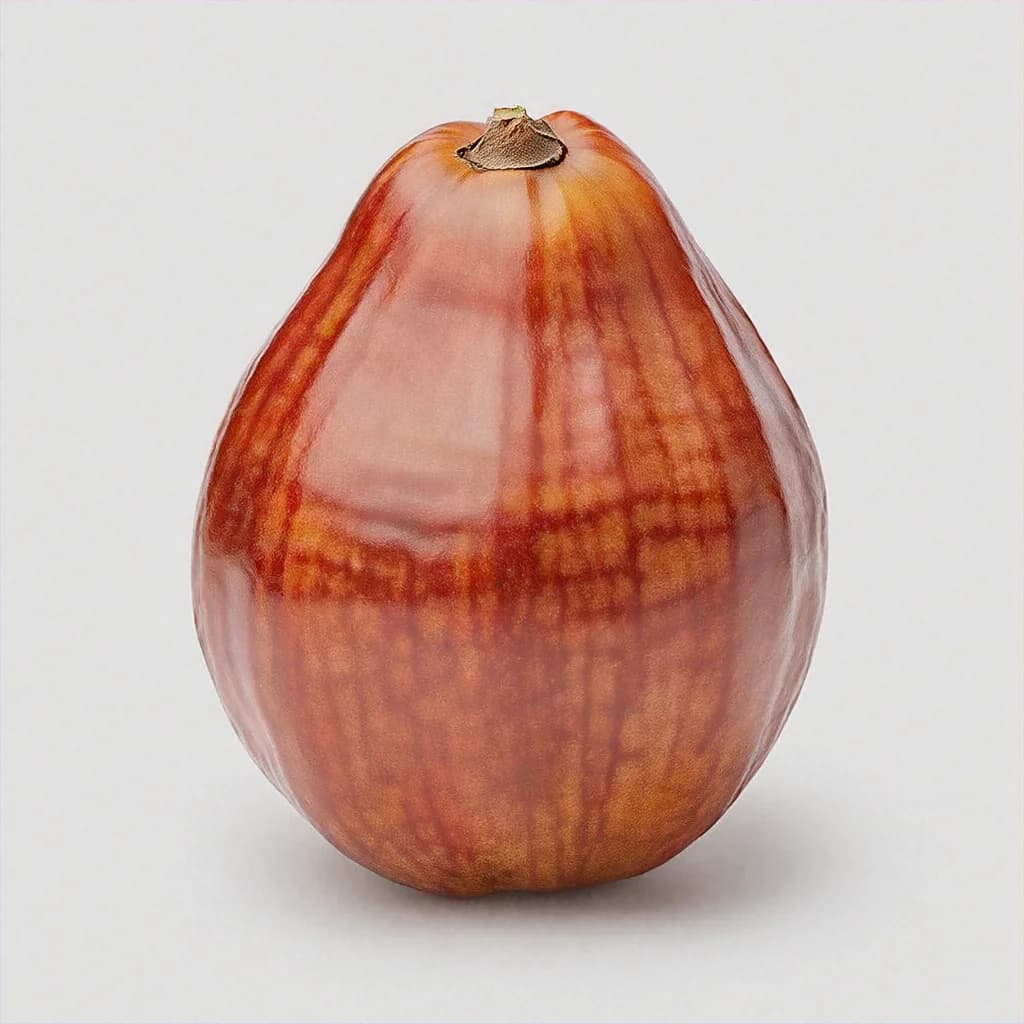
Cabeludinha, scientifically known as Myrciaria glazioviana, is a vibrant, small tropical fruit native to South America, particularly Brazil. The fruit is round, about 1.5 cm in diameter, and has a hairy outer surface, which gives it its name 'Cabeludinha,' meaning 'little hairy one' in Portuguese. The flesh is juicy, tart, and slightly acidic, similar to a cranberry or cherry, making it a popular ingredient in juices, jams, and desserts. Rich in antioxidants, vitamins, and minerals, Cabeludinha is not only a delightful addition to culinary creations but also offers significant health benefits. Its unique flavor profile and nutritional value make it a sought-after fruit in both local and international markets.
Cabeludinha Galería de fotos
Explora Cabeludinha con todo detalle
Cabeludinha - Vista principal
Cabeludinha Información nutricional
💊Vitaminas
Por 100 g
⚡Minerales
Por 100 g
Por porción
Desglose nutricional por porción
Beneficios para la salud de Cabeludinha
Cabeludinha Origen y distribución
South America, particularly Brazil
Cabeludinha has been traditionally used in South American cultures for its medicinal properties and culinary versatility. It has gained popularity in recent years due to its high antioxidant content and unique flavor.
Cabeludinha Temporada alta
Late spring to early summer
Cabeludinha Variedades
Cada variedad ofrece sabores, texturas y usos culinarios únicos
Myrciaria glazioviana (Standard)
Cabeludinha Guía de selección y conservación
Mantén tu fruta fresca y deliciosa por más tiempo
Cómo elegir la fruta perfecta
Select fruits with a vibrant purple-red color.
Avoid fruits with bruises or soft spots.
Opt for slightly firm fruits with a hairy texture.
Métodos de conservación
Store in a cool, dry place for up to 3 days.
Refrigerate for longer storage, up to 1 week.
Guía de vida útil
Instrucciones de congelación
Conserva la frescura por meses
Freeze whole or as puree in airtight containers.
Use frozen Cabeludinha within 6 months for best quality.
Consejo
Etiqueta los alimentos congelados con la fecha para controlar la frescura. La mayoría de las frutas mantienen su calidad durante 2-3 meses si se congelan correctamente. Para mejores resultados, usa recipientes herméticos o bolsas para congelador para evitar quemaduras por congelación.
Viaje culinario
Descubre posibilidades deliciosas
Usos comunes
Maridajes perfectos
Recetas populares
Bebidas refrescantes
Información de seguridad
Cabeludinha is not commonly associated with allergies, but individuals with fruit allergies should exercise caution.
Cabeludinha is generally low in pesticide residues due to its natural resistance to pests.
- • Individuals with known fruit allergies
- • Those on blood-thinning medications (consult a doctor)
- •Possible stomach upset if consumed in excess.
- •May interact with blood-thinning medications.
- • Wash thoroughly before consuming.
- • Avoid consuming unripe or damaged fruits.
Datos curiosos sobre Cabeludinha
¡Trivias sorprendentes que te encantarán!
Cabeludinha's name translates to 'little hairy one' due to its hairy outer surface.
In Brazil, Cabeludinha is often used to make a refreshing juice called 'suco de Cabeludinha.'
Preguntas frecuentes
What does Cabeludinha taste like?
GeneralCabeludinha has a tart, slightly sweet flavor, similar to a blend of cranberry and cherry.
How do I know if Cabeludinha is ripe?
BuyingRipe Cabeludinha will have a vibrant purple-red color and a slightly firm texture with a hairy outer surface.
Can I freeze Cabeludinha?
StorageYes, Cabeludinha can be frozen whole or as puree in airtight containers for up to 6 months.
What are some popular culinary uses of Cabeludinha?
CulinaryCabeludinha is commonly used in juices, jams, desserts, and sauces due to its unique flavor.
Is Cabeludinha high in sugar?
NutritionNo, Cabeludinha is relatively low in sugar compared to other fruits, making it a healthier option.
Can Cabeludinha interact with medications?
HealthWhile rare, high consumption of Cabeludinha may interact with blood-thinning medications due to its antioxidant content. Always consult a healthcare provider.
Is Cabeludinha sustainable?
MiscellaneousCabeludinha is generally considered sustainable, as it is a native fruit in South America and requires minimal water and pesticides.