
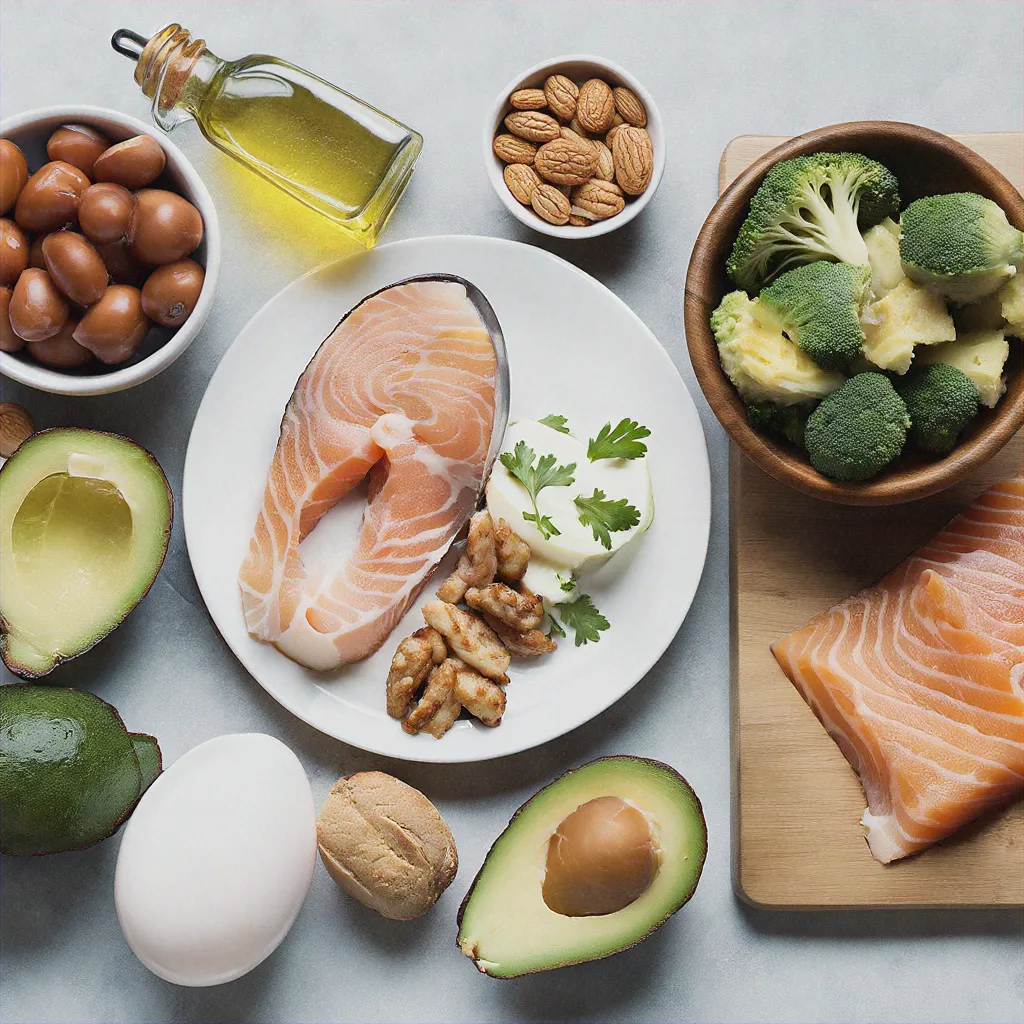
The ketogenic diet, or keto for short, has surged in popularity as a powerful tool for weight loss, metabolic health, and even neurological support. But what exactly is it, and how does it work? Unlike traditional low-fat diets, keto flips the script by drastically reducing carbohydrates and replacing them with healthy fats. This metabolic shift forces the body into ketosis, a state where it burns fat for fuel instead of glucose. Originally developed in the 1920s to treat epilepsy, keto has since been studied for its potential benefits in weight management, blood sugar control, and more. However, it’s not a one-size-fits-all solution—and it comes with challenges. This guide will break down the science behind keto, its benefits and risks, who it’s best suited for, and how to adopt it safely. Whether you’re curious about trying keto or simply want to understand the hype, this comprehensive overview will equip you with the knowledge to make an informed decision.
What Is the Keto Diet?

The ketogenic diet is a high-fat, low-carbohydrate eating plan designed to shift your body’s primary fuel source from glucose to ketones. In a standard diet, carbohydrates are broken down into glucose, which the body uses for energy. However, when carb intake is restricted to fewer than 50 grams per day (and sometimes as low as 20 grams), the body depletes its glucose stores and begins producing ketones from fat in the liver. This metabolic state, called ketosis, is the cornerstone of the keto diet. The typical macronutrient breakdown for keto is 70-80% fat, 10-20% protein, and 5-10% carbohydrates. This ratio ensures the body remains in ketosis, burning fat for fuel instead of relying on glucose. While keto is often associated with weight loss, its origins trace back to the 1920s, when it was developed as a therapeutic diet for epilepsy, particularly in children who didn’t respond to medication. Today, it’s studied for its potential benefits in managing conditions like type 2 diabetes, metabolic syndrome, and even certain neurological disorders.
How Does the Keto Diet Work?
To understand how keto works, it’s helpful to know what happens in the body when carbohydrates are restricted. Normally, the body breaks down carbs into glucose, which enters the bloodstream and triggers the release of insulin. Insulin helps cells absorb glucose for energy and stores excess glucose as glycogen in the liver and muscles. When carb intake is drastically reduced, glycogen stores become depleted within 24-48 hours. At this point, the body turns to an alternative fuel source: fat. The liver converts fatty acids into ketones, which are released into the bloodstream and used by cells—including those in the brain—for energy. This process, known as ketogenesis, marks the beginning of ketosis. Ketosis typically sets in after 2-4 days of strict carb restriction, though individual timelines can vary based on factors like activity level, metabolism, and prior diet. To confirm ketosis, you can measure ketone levels using blood meters (most accurate), urine strips (less reliable over time), or breath analyzers. Blood ketone levels between 0.5 and 3.0 mmol/L indicate nutritional ketosis, the target range for most people on keto. It’s important to note that ketosis is not the same as ketoacidosis, a dangerous condition that occurs primarily in people with type 1 diabetes. Nutritional ketosis is a natural and safe metabolic state when managed properly.
Keto vs. Other Diets
The keto diet is often compared to other low-carb diets, but it has distinct differences that set it apart. Here’s how keto stacks up against some popular eating plans: Low-Carb Diets (e.g., Atkins): While both keto and Atkins restrict carbohydrates, Atkins allows for a gradual increase in carbs over time, particularly in its later phases. Keto, on the other hand, maintains a strict low-carb intake to sustain ketosis. Additionally, Atkins places more emphasis on protein, whereas keto prioritizes fat as the primary macronutrient. Paleo Diet: The paleo diet focuses on whole, unprocessed foods similar to those eaten by our ancestors, including meat, fish, vegetables, and fruits. Unlike keto, paleo doesn’t restrict carbohydrates and allows for natural sugars from fruits and certain vegetables. While both diets avoid grains and legumes, paleo doesn’t aim to induce ketosis. Mediterranean Diet: The Mediterranean diet is rich in healthy fats (like olive oil and nuts), lean proteins, and carbohydrates from whole grains, fruits, and vegetables. It’s less restrictive than keto and doesn’t prioritize fat over other macronutrients. Instead, it emphasizes balanced, heart-healthy eating. Vegan or Vegetarian Diets: These diets exclude animal products to varying degrees. While it’s possible to follow a vegan or vegetarian keto diet, it requires careful planning to ensure adequate fat intake and avoid carb-heavy plant foods like grains and legumes. Why Choose Keto? Keto is ideal for those seeking rapid weight loss, improved blood sugar control, or metabolic benefits. However, it requires strict adherence to macronutrient ratios, making it less flexible than other diets. If you’re looking for a more sustainable, long-term approach, a low-carb or Mediterranean diet might be a better fit.
What Can You Eat on Keto?
One of the biggest adjustments when starting keto is rethinking your grocery list. The diet emphasizes high-fat, moderate-protein, and very low-carb foods. Here’s a breakdown of what to eat and what to avoid: Foods to Enjoy: - Meats and Proteins: Beef, pork, poultry, lamb, fatty fish (salmon, mackerel), eggs, and organ meats. - Fats and Oils: Avocados, olive oil, coconut oil, butter, ghee, lard, and mayonnaise. - Dairy: Cheese (cheddar, mozzarella, brie), heavy cream, sour cream, and full-fat yogurt (unsweetened). - Vegetables: Leafy greens (spinach, kale, lettuce), broccoli, cauliflower, zucchini, asparagus, mushrooms, and peppers. - Nuts and Seeds: Almonds, walnuts, macadamias, chia seeds, flaxseeds, and pumpkin seeds (in moderation due to carb content). - Beverages: Water, black coffee, tea, sparkling water, and unsweetened almond or coconut milk. - Condiments: Mustard, hot sauce, soy sauce, vinegar, and mayonnaise (check for added sugars). Foods to Avoid: - Grains: Wheat, rice, oats, quinoa, pasta, and bread. - Sugars: Table sugar, honey, maple syrup, agave, and high-fructose corn syrup. - Starchy Vegetables: Potatoes, corn, peas, and sweet potatoes. - Most Fruits: Bananas, apples, oranges, grapes, and mangoes (berries like raspberries and blackberries can be eaten in small amounts). - Legumes: Beans, lentils, chickpeas, and peanuts. - Processed Foods: Chips, crackers, cookies, and most packaged snacks. - Sweetened Beverages: Soda, fruit juice, sweetened coffee drinks, and sports drinks. Keto-Friendly Swaps: - Instead of pasta, try zucchini noodles or shirataki noodles. - Swap rice for cauliflower rice. - Use lettuce wraps instead of tortillas or bread. - Opt for dark chocolate (85% cocoa or higher) instead of milk chocolate. - Choose natural sweeteners like erythritol, stevia, or monk fruit instead of sugar. Meal planning is key to keto success. Focus on simple, whole foods and experiment with recipes to keep your meals varied and enjoyable. Tracking your macros—especially in the beginning—can help ensure you stay within your carb limit and maintain ketosis.
Potential Benefits of Keto
The keto diet has been studied extensively for its potential benefits, particularly in weight loss and metabolic health. Here are some of the most well-documented advantages: 1. Weight Loss: Keto is highly effective for weight loss, especially in the short term. The diet’s high fat and protein content promote satiety, reducing overall calorie intake. Additionally, ketosis enhances fat burning, leading to rapid initial weight loss, much of which is water weight due to reduced glycogen stores. A 2020 meta-analysis published in The BMJ found that keto was more effective for short-term weight loss compared to low-fat diets. 2. Appetite Suppression: Many people on keto report reduced hunger and cravings. This is partly due to the stabilizing effect of ketones on blood sugar levels and the satiating nature of fat and protein. A study in Obesity Reviews noted that keto dieters often consume fewer calories without feeling deprived. 3. Improved Blood Sugar Control: Keto can significantly lower blood sugar and insulin levels, making it a promising dietary approach for people with type 2 diabetes or prediabetes. A 2017 study in Diabetes Therapy found that keto improved HbA1c levels (a marker of long-term blood sugar control) and reduced the need for diabetes medication in some participants. However, those on diabetes medication should consult a doctor before starting keto, as adjustments may be necessary to avoid hypoglycemia. 4. Neurological Benefits: Keto was originally developed to treat epilepsy, and it remains a therapeutic option for drug-resistant epilepsy, particularly in children. Emerging research suggests it may also benefit other neurological conditions, such as Alzheimer’s disease, Parkinson’s disease, and even migraines. The diet’s neuroprotective effects are thought to stem from ketones’ ability to provide a more efficient energy source for the brain compared to glucose. 5. Reduced Inflammation: Chronic inflammation is linked to numerous health conditions, including heart disease, arthritis, and autoimmune disorders. Keto has been shown to reduce markers of inflammation, such as C-reactive protein (CRP). This anti-inflammatory effect may explain its potential benefits for conditions like acne, polycystic ovary syndrome (PCOS), and metabolic syndrome. 6. Enhanced Mental Clarity and Energy: Many keto dieters report improved focus, mental clarity, and stable energy levels. This is likely due to ketones being a more consistent and efficient fuel source for the brain compared to glucose, which can cause energy crashes. While these benefits are promising, it’s important to note that keto isn’t a magic bullet. Individual results vary, and the diet may not be suitable for everyone. Always consult a healthcare provider before making significant dietary changes, especially if you have underlying health conditions.
Risks and Side Effects
While the keto diet offers many benefits, it’s not without potential risks and side effects. Understanding these challenges can help you prepare and mitigate them effectively. 1. Keto Flu: One of the most common side effects of starting keto is the "keto flu," a collection of symptoms that mimic the flu, including headache, fatigue, nausea, dizziness, irritability, and muscle cramps. These symptoms typically appear within the first few days of carb restriction and last about a week. They’re caused by the body’s adjustment to ketosis, particularly electrolyte imbalances and dehydration. To manage keto flu, increase your intake of water and electrolytes (sodium, potassium, and magnesium). Bone broth, electrolyte supplements, and salting your food can help. 2. Nutrient Deficiencies: Keto restricts many food groups, including fruits, whole grains, and legumes, which are rich in vitamins, minerals, and fiber. This can lead to deficiencies in nutrients like magnesium, potassium, vitamin C, and folate. To prevent deficiencies, focus on nutrient-dense foods like leafy greens, nuts, seeds, and low-carb vegetables. Consider a multivitamin or specific supplements if needed, but consult a healthcare provider first. 3. Digestive Issues: Constipation is a common complaint on keto, primarily due to the lack of fiber from grains, fruits, and legumes. To combat this, prioritize high-fiber, low-carb foods like avocados, chia seeds, flaxseeds, and leafy greens. Staying hydrated and incorporating gentle exercise can also help. If constipation persists, a fiber supplement like psyllium husk may be beneficial. 4. Increased LDL Cholesterol: Some people experience a rise in LDL ("bad") cholesterol on keto, particularly if they consume large amounts of saturated fats. While this isn’t inherently dangerous for everyone, it can be a concern for individuals with a genetic predisposition to high cholesterol or heart disease. If you’re at risk, opt for healthier fats like olive oil, avocados, and fatty fish, and monitor your lipid levels regularly. 5. Kidney Stones: Keto increases the risk of kidney stones in some individuals due to higher levels of uric acid and calcium in the urine. Staying hydrated and consuming adequate electrolytes can help prevent this. If you have a history of kidney stones, consult a doctor before starting keto. 6. Not Suitable for Everyone: Keto isn’t recommended for certain groups, including: - Pregnant or breastfeeding women. - People with a history of eating disorders. - Those with liver or kidney disease. - Individuals with type 1 diabetes (due to the risk of ketoacidosis). - People taking medication for diabetes or high blood pressure (as keto can affect medication needs). 7. Social and Practical Challenges: Keto can be difficult to maintain in social settings, such as restaurants, parties, or family gatherings, where high-carb foods are prevalent. Meal planning and preparation are essential to staying on track. Additionally, the diet’s restrictive nature can lead to boredom or cravings, making long-term adherence challenging for some people. Mitigating Risks: To minimize side effects, start keto gradually by reducing carbs over a few weeks instead of going cold turkey. Stay hydrated, replenish electrolytes, and prioritize whole, nutrient-dense foods. If you experience severe or persistent symptoms, consult a healthcare provider to rule out underlying issues.
Who Is the Keto Diet For?
The keto diet isn’t a universal solution, but it can be highly effective for certain individuals. Here’s who might benefit from keto—and who should approach it with caution or avoid it altogether. Good Candidates for Keto: - People Seeking Weight Loss: Keto is particularly effective for those looking to lose weight quickly, especially if they’ve struggled with other diets. The diet’s appetite-suppressing effects and fat-burning mechanism can lead to significant short-term weight loss. - Individuals with Type 2 Diabetes or Prediabetes: Keto can improve blood sugar control and insulin sensitivity, making it a valuable tool for managing type 2 diabetes. A study in Nutrition & Metabolism found that keto led to greater reductions in HbA1c levels compared to a standard low-fat diet. However, those on diabetes medication should work closely with a doctor to adjust dosages as needed. - People with Metabolic Syndrome: Metabolic syndrome is a cluster of conditions—including high blood pressure, high blood sugar, excess belly fat, and abnormal cholesterol levels—that increase the risk of heart disease and diabetes. Keto’s ability to improve insulin sensitivity and reduce inflammation can help manage these conditions. - Those with Neurological Conditions: Keto has been used therapeutically for epilepsy since the 1920s, particularly in children who don’t respond to medication. Emerging research suggests it may also benefit other neurological conditions, such as Alzheimer’s disease, Parkinson’s disease, and migraines, though more studies are needed. - Athletes or Active Individuals: Some endurance athletes and bodybuilders use keto to improve fat adaptation, which can enhance performance in long-duration activities. However, keto may not be ideal for high-intensity sports that rely on glucose for quick energy bursts. Who Should Approach Keto with Caution: - People with a History of Eating Disorders: Keto’s restrictive nature can trigger or worsen disordered eating patterns, such as orthorexia or binge eating. If you have a history of an eating disorder, consult a mental health professional before starting keto. - Those with Liver or Kidney Disease: Keto increases the workload on the liver (for ketone production) and kidneys (for processing protein). If you have liver or kidney issues, consult a doctor to assess whether keto is safe for you. - Individuals with Gallbladder Issues: The high fat intake on keto can exacerbate gallbladder problems, such as gallstones. If you’ve had your gallbladder removed or have a history of gallbladder issues, proceed with caution and consult a healthcare provider. - People Taking Certain Medications: Keto can affect the efficacy of medications for diabetes, high blood pressure, and other conditions. If you’re on medication, work with a doctor to monitor and adjust dosages as needed. Who Should Avoid Keto: - Pregnant or Breastfeeding Women: There’s limited research on keto’s safety during pregnancy or breastfeeding. The diet’s restrictive nature may not provide adequate nutrients for fetal development or milk production. - Children (Unless Under Medical Supervision): While keto is used therapeutically for children with epilepsy, it’s not recommended for general weight loss or health in kids due to potential impacts on growth and development. - People with Type 1 Diabetes: Keto can increase the risk of ketoacidosis, a dangerous condition where blood ketone levels become too high. This is rare in people without diabetes but can be life-threatening for those with type 1 diabetes. - Individuals with Pancreatic or Thyroid Disorders: Keto can affect hormone levels and metabolism, potentially worsening these conditions. Consult a doctor before starting keto if you have a thyroid or pancreatic disorder. The Bottom Line: Keto can be a powerful tool for weight loss, metabolic health, and neurological support, but it’s not suitable for everyone. If you’re considering keto, assess your health status, goals, and potential risks. Consulting a healthcare provider—especially if you have pre-existing conditions—can help you determine whether keto is the right choice for you.
How to Start the Keto Diet
Starting the keto diet can feel overwhelming, but breaking it down into manageable steps can set you up for success. Here’s a step-by-step guide to help you transition into ketosis smoothly and sustainably. Step 1: Educate Yourself Before diving in, take time to understand the basics of keto, including how ketosis works, what foods to eat, and what to avoid. Familiarize yourself with the macronutrient ratios (70-80% fat, 10-20% protein, 5-10% carbs) and the concept of net carbs (total carbs minus fiber). Resources like reputable websites, books, and keto communities can provide valuable insights. Step 2: Calculate Your Macros Determine your daily macronutrient goals using a keto calculator. These calculators take into account your age, gender, weight, height, activity level, and goals (e.g., weight loss, maintenance) to provide personalized recommendations. For example, a 150-pound sedentary woman might aim for 20 grams of net carbs, 70 grams of protein, and 140 grams of fat per day. Tracking your macros—at least initially—can help ensure you stay within your limits and achieve ketosis. Step 3: Plan Your Meals Meal planning is crucial for keto success. Start by creating a list of keto-friendly foods and recipes that appeal to you. Focus on simple, whole foods to keep things manageable. Here’s a sample one-day meal plan to get you started: - Breakfast: Scrambled eggs cooked in butter with spinach and avocado. - Lunch: Grilled chicken salad with olive oil dressing, mixed greens, cucumber, and feta cheese. - Dinner: Salmon with roasted Brussels sprouts and a side of cauliflower mash. - Snacks: Handful of macadamia nuts, cheese cubes, or celery sticks with almond butter. Batch cooking and meal prepping can save time and reduce the temptation to reach for high-carb foods. Step 4: Clear Your Pantry Remove high-carb temptations from your kitchen to minimize cravings and slip-ups. Donate or discard foods like bread, pasta, rice, sugar, and processed snacks. Stock up on keto staples like meats, eggs, cheese, low-carb vegetables, nuts, seeds, and healthy oils. Step 5: Stay Hydrated and Replenish Electrolytes As your body transitions into ketosis, it flushes out excess water and electrolytes, which can lead to dehydration and imbalances. To prevent this, drink plenty of water and replenish electrolytes (sodium, potassium, and magnesium). Here’s how: - Sodium: Add salt to your meals or drink bone broth. - Potassium: Eat avocados, spinach, mushrooms, or take a potassium supplement (consult a doctor first). - Magnesium: Consume nuts, seeds, leafy greens, or take a magnesium glycinate supplement. Step 6: Track Your Progress Monitoring your progress can help you stay motivated and identify what’s working (or not working). Here are some ways to track: - Ketone Levels: Use blood meters, urine strips, or breath analyzers to measure ketosis. Blood meters are the most accurate but can be expensive. Urine strips are affordable but become less reliable over time. - Macro Tracking: Apps like Carb Manager, MyFitnessPal, or Cronometer can help you log your food and track macros. - Symptoms: Pay attention to how you feel. Increased energy, reduced hunger, and mental clarity are signs of ketosis. - Weight and Measurements: Track your weight, waist circumference, and body measurements to monitor physical changes. Step 7: Manage Keto Flu If you experience keto flu symptoms (headache, fatigue, nausea), don’t panic—it’s temporary. To alleviate symptoms, increase your intake of water and electrolytes, rest, and consider easing into keto by gradually reducing carbs over a week or two. Step 8: Adjust as Needed Keto isn’t one-size-fits-all. If you’re not seeing results or feeling your best, adjust your macros, food choices, or meal timing. For example, if you’re not losing weight, you might need to reduce calories or increase fat intake. If you’re feeling sluggish, you may need more electrolytes or a slight increase in carbs. Step 9: Incorporate Exercise While not required, exercise can enhance the benefits of keto, such as weight loss, muscle retention, and metabolic health. Start with low-intensity activities like walking, yoga, or light cycling, and gradually incorporate strength training or high-intensity workouts as your body adapts to ketosis. Keep in mind that performance in high-intensity sports may temporarily dip until you become fat-adapted. Step 10: Be Patient and Persistent Entering ketosis and adapting to the diet takes time—typically 2-4 weeks. During this period, you might experience cravings, fatigue, or plateaus. Stay consistent, trust the process, and remind yourself why you started. Celebrate small victories, like sticking to your macros or noticing improved energy levels. Common Mistakes to Avoid: - Eating Too Much Protein: Excess protein can be converted into glucose through gluconeogenesis, potentially kicking you out of ketosis. Stick to moderate protein intake. - Ignoring Hidden Carbs: Many processed foods, condiments, and sauces contain hidden sugars or carbs. Always read labels and opt for whole, unprocessed foods. - Not Eating Enough Fat: Fat is your primary energy source on keto. If you’re not eating enough, you may feel fatigued or hungry. Don’t fear fat—embrace it! - Overeating Calories: While keto can suppress appetite, it’s still possible to overeat. Track your calories if weight loss stalls. - Neglecting Fiber: Low fiber intake can lead to constipation. Prioritize high-fiber, low-carb foods like avocados, chia seeds, and leafy greens. Final Tips for Success: - Start Slow: If keto feels too restrictive, try a low-carb diet first and gradually reduce carbs. - Find Support: Join keto communities (online or local) for motivation, recipes, and troubleshooting. - Experiment with Recipes: Keep your meals exciting by trying new keto-friendly recipes. - Listen to Your Body: If something doesn’t feel right, adjust your approach or consult a healthcare provider. Starting keto requires commitment, but with the right preparation and mindset, it can be a transformative journey toward improved health and well-being.