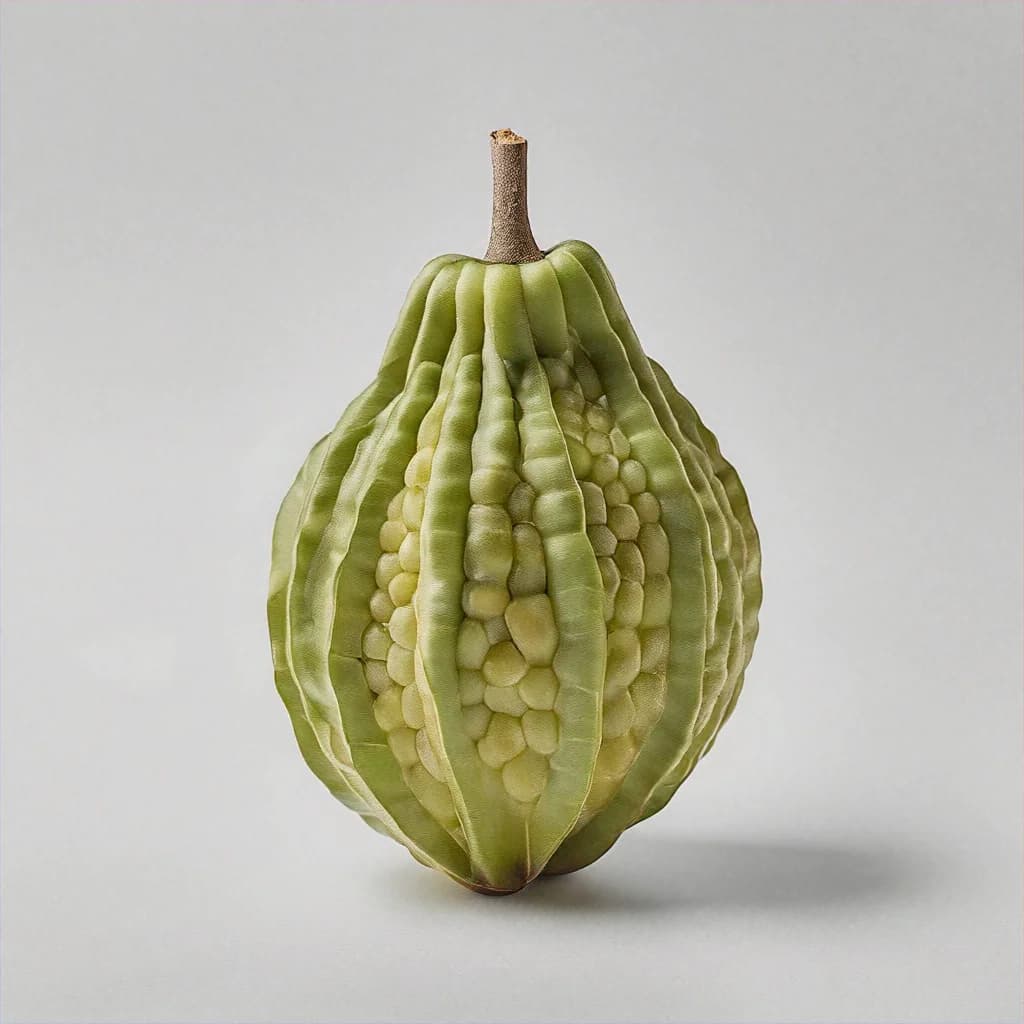
Entawak
Artocarpus anisophyllus
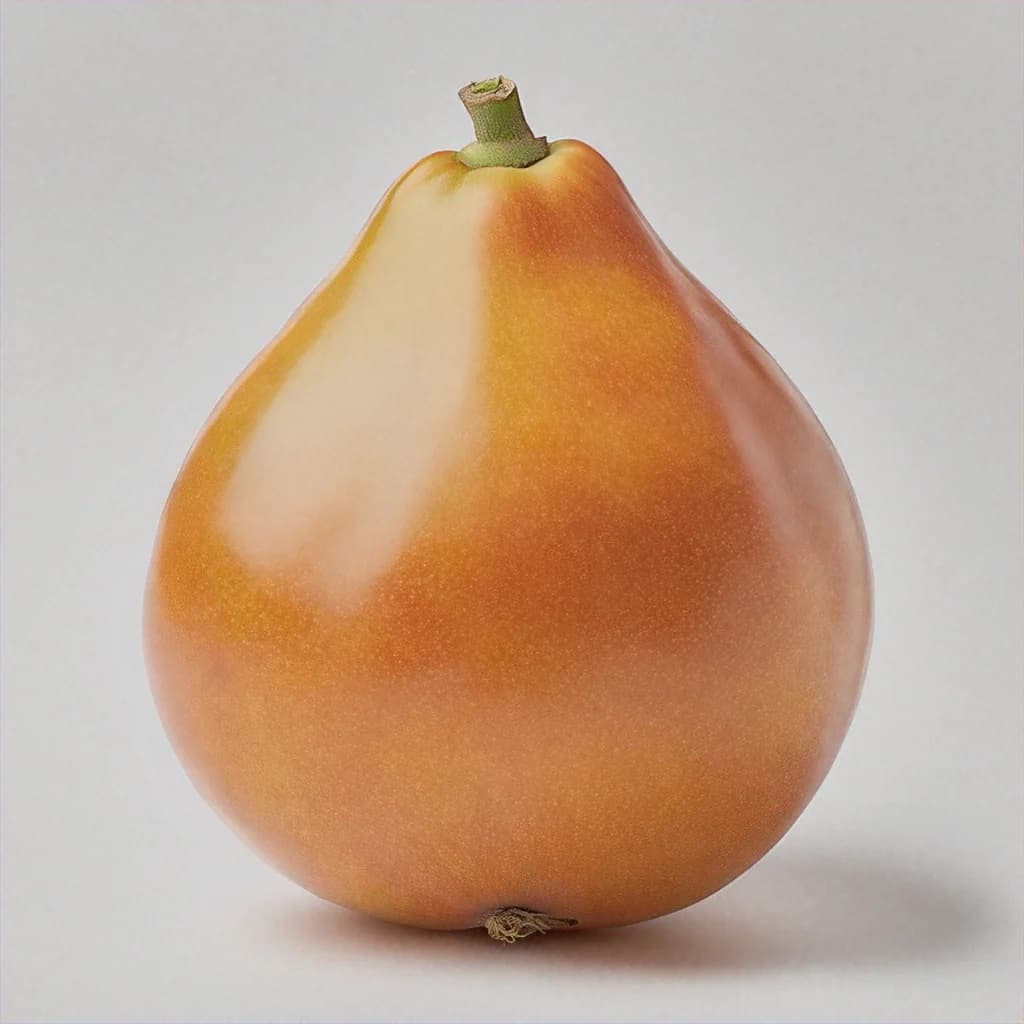
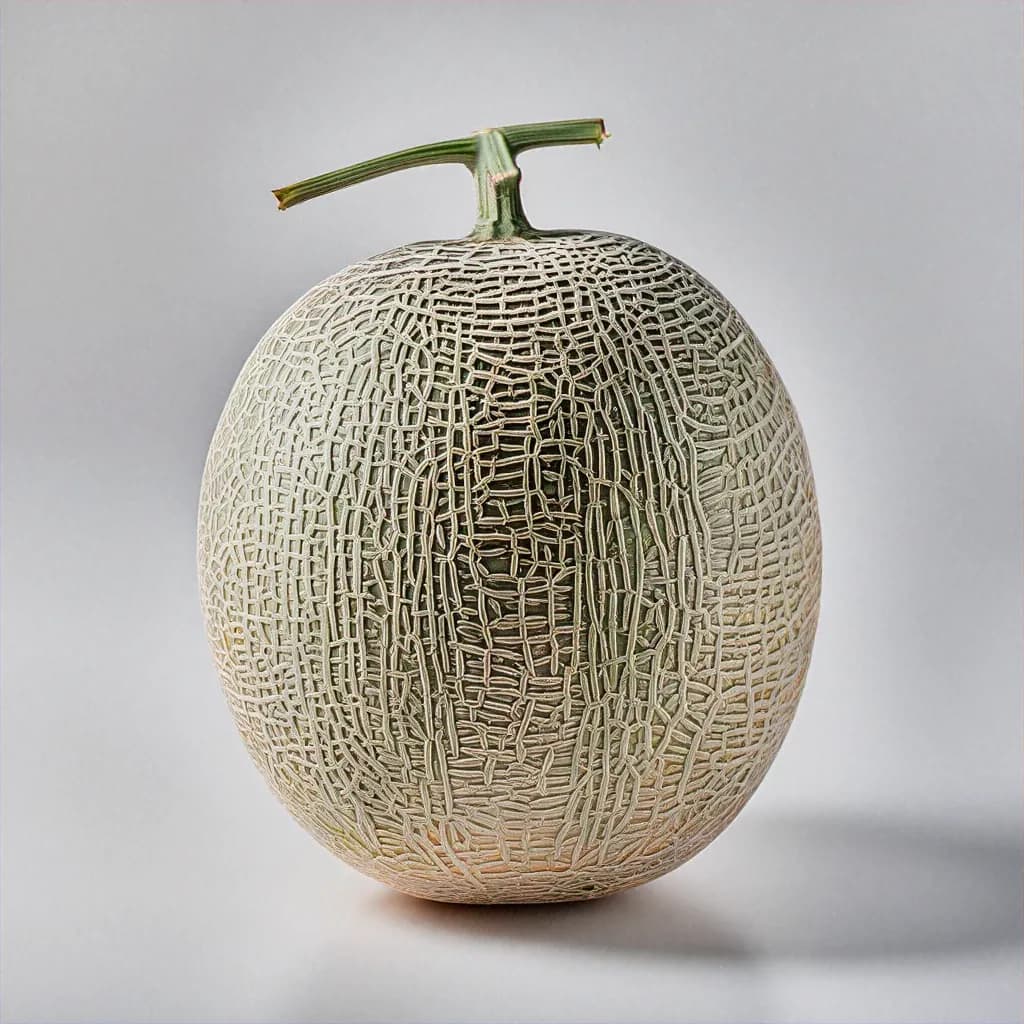
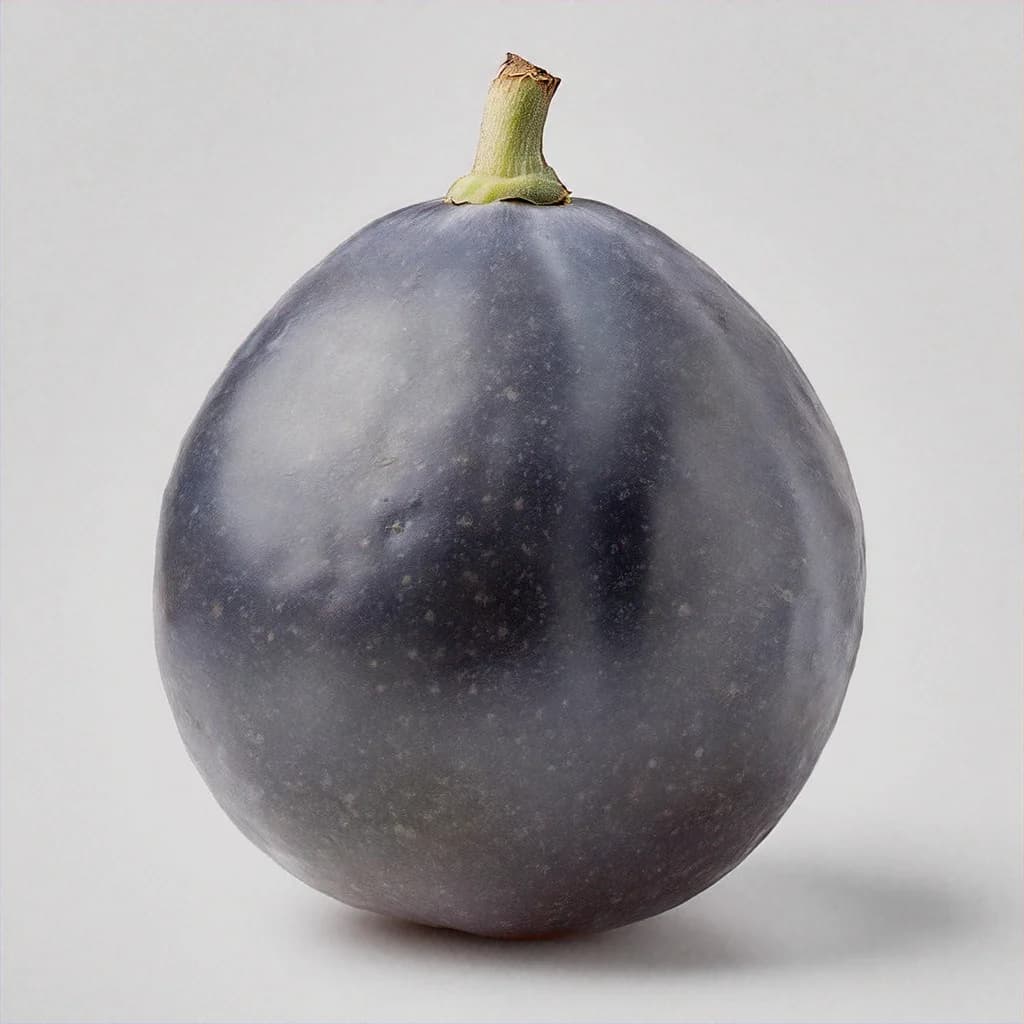
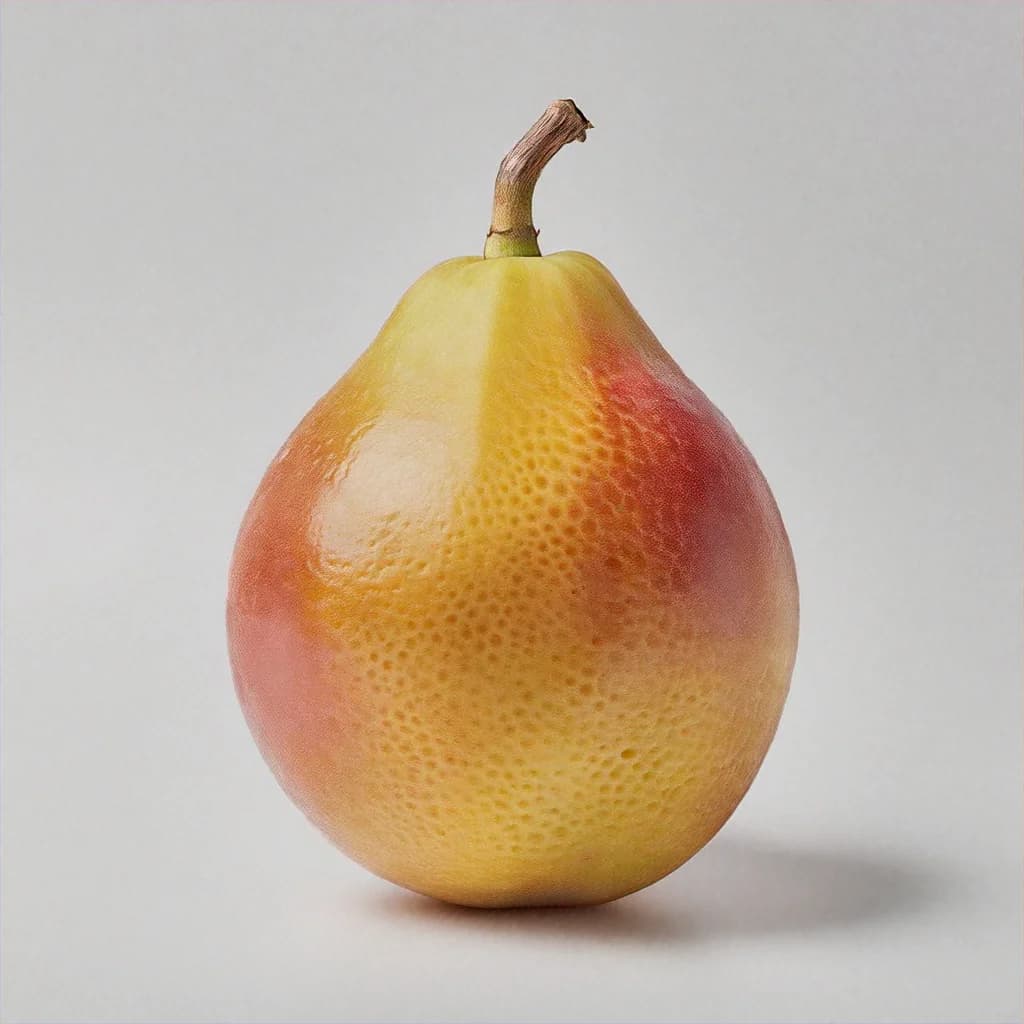
Entawak, a lesser-known tropical fruit native to Southeast Asia, is a delightful gem for both culinary enthusiasts and health-conscious individuals. Belonging to the Artocarpus genus, it is closely related to the jackfruit and breadfruit. Entawak boasts a unique, sweet, and slightly tangy flavor profile, encased in a vibrant, spiky green exterior. Its flesh is soft, juicy, and golden-yellow, often described as a blend of banana and pineapple. Rich in essential nutrients like vitamin C, fiber, and potassium, Entawak offers a host of health benefits, from boosting immunity to aiding digestion. Whether enjoyed raw, cooked, or incorporated into traditional dishes, Entawak is a versatile and nutritious addition to any diet.
Entawak Galeria de fotos
Explore Entawak em detalhes
Entawak - Vista principal
Entawak Informações nutricionais
💊Vitaminas
Por 100 g
⚡Minerais
Por 100 g
Por porção
Detalhamento nutricional por porção
Benefícios para a saúde de Entawak
Entawak Origem e distribuição
Southeast Asia
Entawak has been cultivated in Southeast Asia for centuries, valued for its nutritional content and versatility in traditional cuisines.
Entawak Melhor época
Year-round in tropical regions
Entawak Variedades
Cada variedade oferece sabores, texturas e usos culinários únicos
Common Entawak
Entawak Guia de armazenamento e seleção
Mantenha a fruta fresca por mais tempo
Como escolher a fruta perfeita
Look for Entawak with bright green skin and no visible blemishes.
Gently press the fruit; it should give slightly but not feel overly soft.
Métodos de armazenamento
Store unripe Entawak at room temperature until ripe.
Refrigerate ripe Entawak to extend shelf life.
Guia de validade
Instruções para congelar
Preserve a frescura por meses
Cut the flesh into chunks and freeze in an airtight container.
Use frozen Entawak within 3 months for best quality.
Dica
Identifique itens congelados com a data para acompanhar a frescura. A maioria das frutas mantém a qualidade por 2-3 meses quando congelada corretamente. Para melhores resultados, use recipientes herméticos ou sacos próprios para congelador para evitar queimadura de freezer.
Jornada culinária
Descubra possibilidades deliciosas
Usos comuns
Combinações perfeitas
Receitas populares
Bebidas refrescantes
Informações de segurança
Allergic reactions to Entawak are rare but possible. Consult a healthcare provider if you experience symptoms.
Entawak is generally low in pesticide residues, but it is always best to wash the fruit thoroughly before consuming.
- • Individuals with known allergies to Artocarpus fruits
- • Those with latex allergies, as cross-reactivity may occur
- •Mild stomach upset in sensitive individuals
- •Possible allergic reactions
- • Wash the fruit thoroughly before cutting.
- • Use a sharp knife to safely cut through the spiky skin.
Curiosidades sobre Entawak
Fatos surpreendentes que você vai amar!
Entawak is closely related to jackfruit and breadfruit.
In traditional Southeast Asian cuisine, Entawak is often cooked in syrup and served as a sweet dessert.
Perguntas frequentes
What does Entawak taste like?
GeneralEntawak has a sweet and slightly tangy flavor, often compared to a blend of banana and pineapple.
How do I know if Entawak is ripe?
BuyingRipe Entawak has bright green skin and gives slightly when pressed. Avoid fruit that feels overly soft or has blemishes.
Can Entawak be frozen?
StorageYes, Entawak can be cut into chunks and frozen in an airtight container for up to 3 months.
How is Entawak commonly used in cooking?
CulinaryEntawak can be eaten raw, added to smoothies, cooked in syrup for desserts, or incorporated into curries and stews.
What are the nutritional benefits of Entawak?
NutritionEntawak is rich in vitamin C, fiber, potassium, and antioxidants, making it beneficial for immunity, digestion, and overall health.
Is Entawak safe for people with allergies?
HealthWhile rare, some individuals may be allergic to Entawak. Always consult a healthcare provider if you have concerns.
Where is Entawak most commonly found?
MiscellaneousEntawak is native to Southeast Asia and is commonly found in Indonesia, Malaysia, and Thailand.