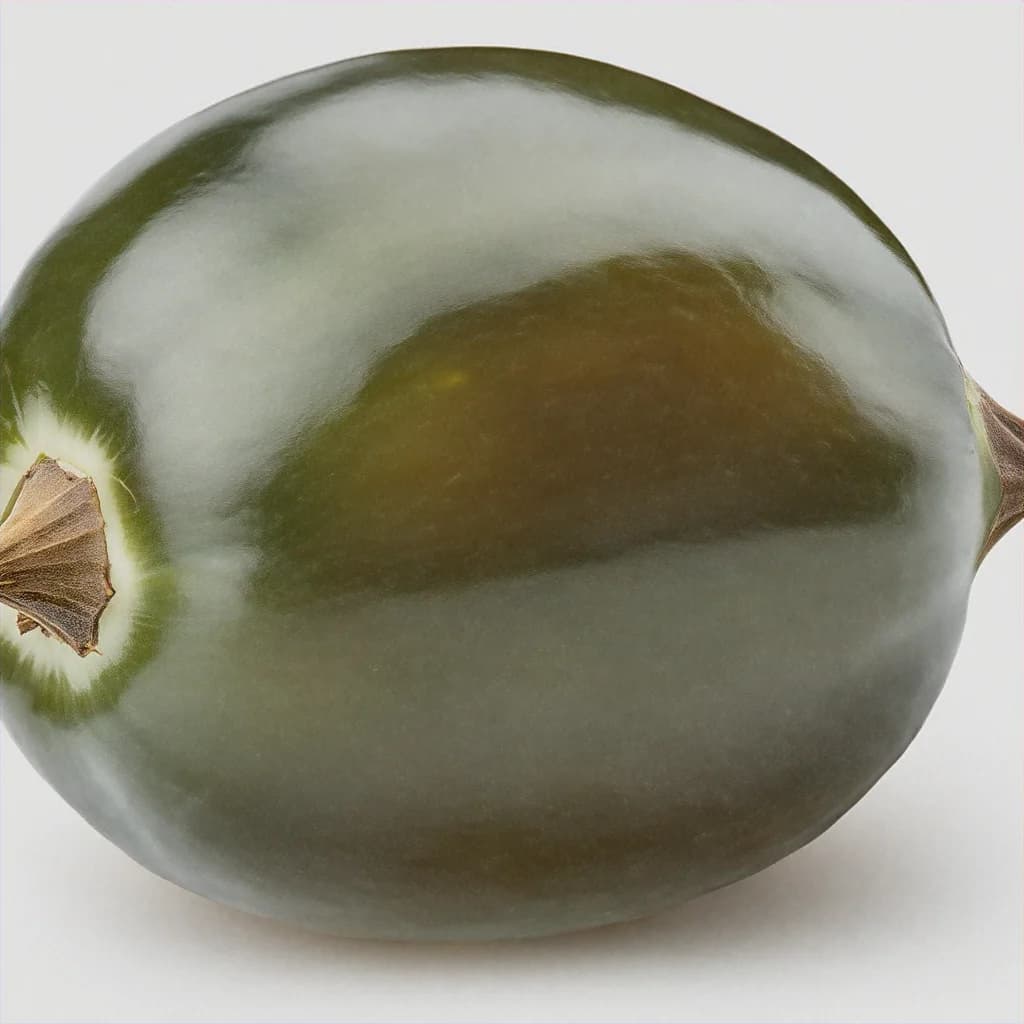
Caper Berry
Capparis spinosa
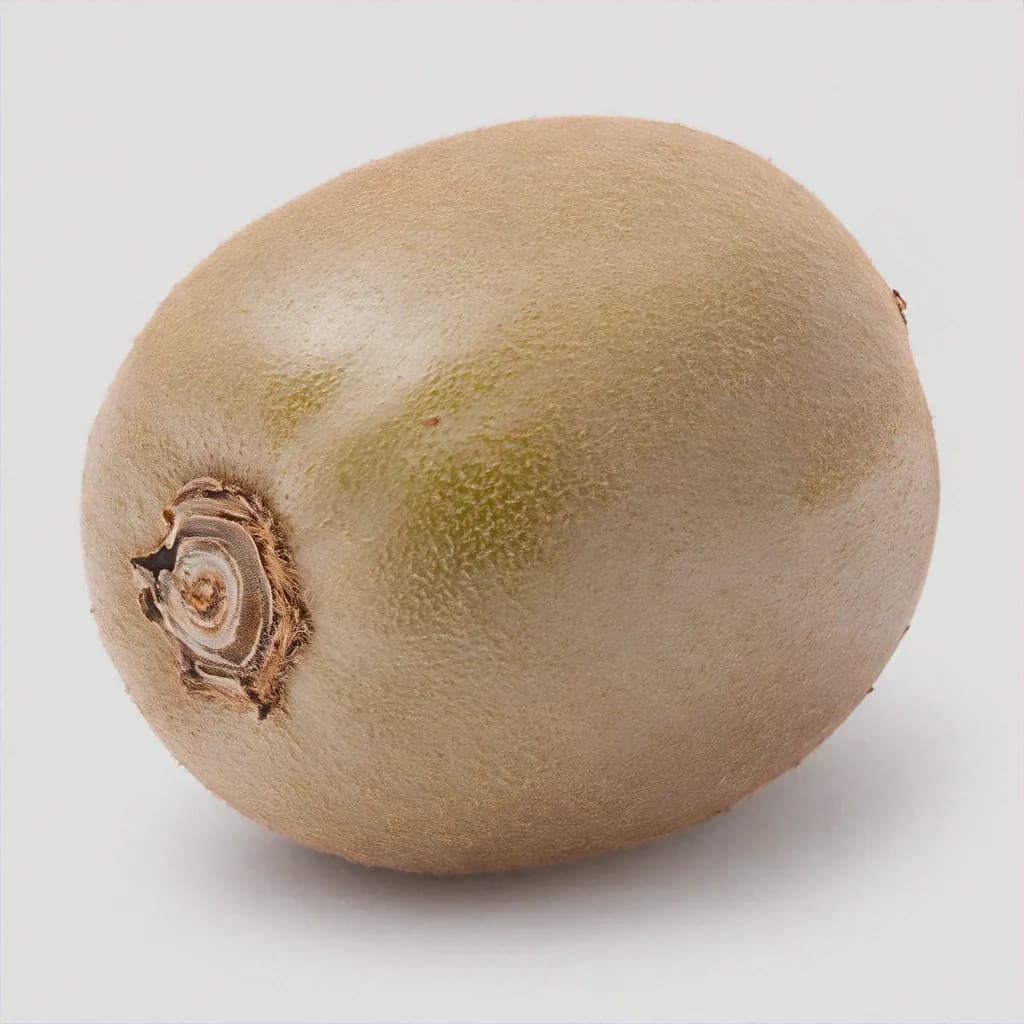
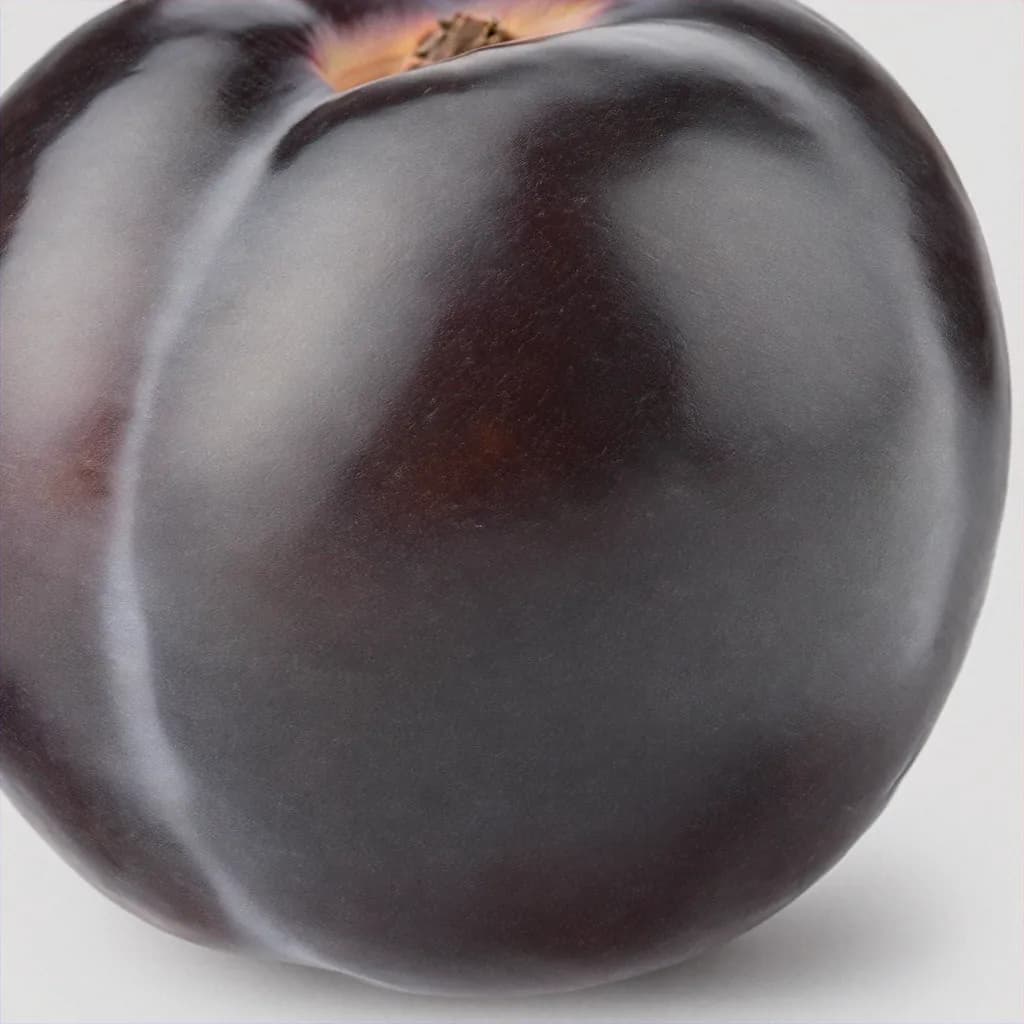
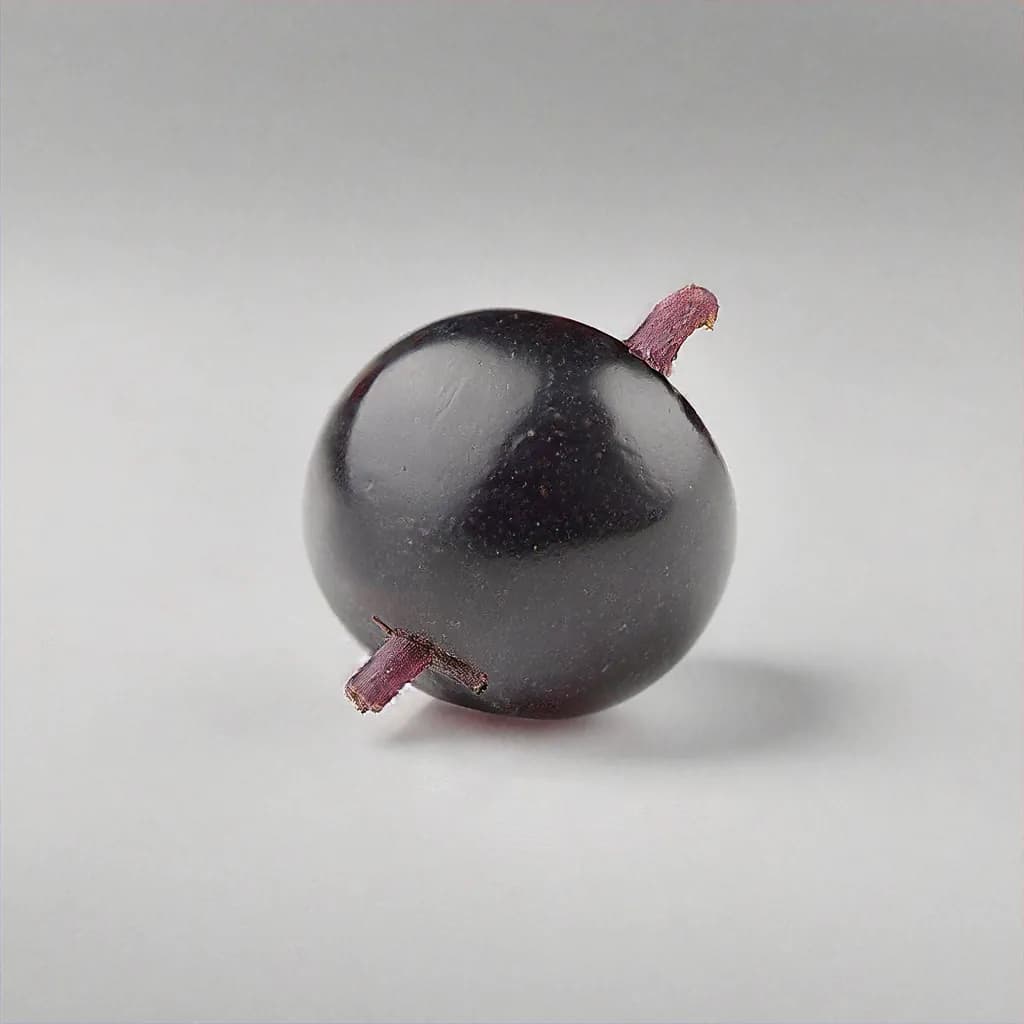
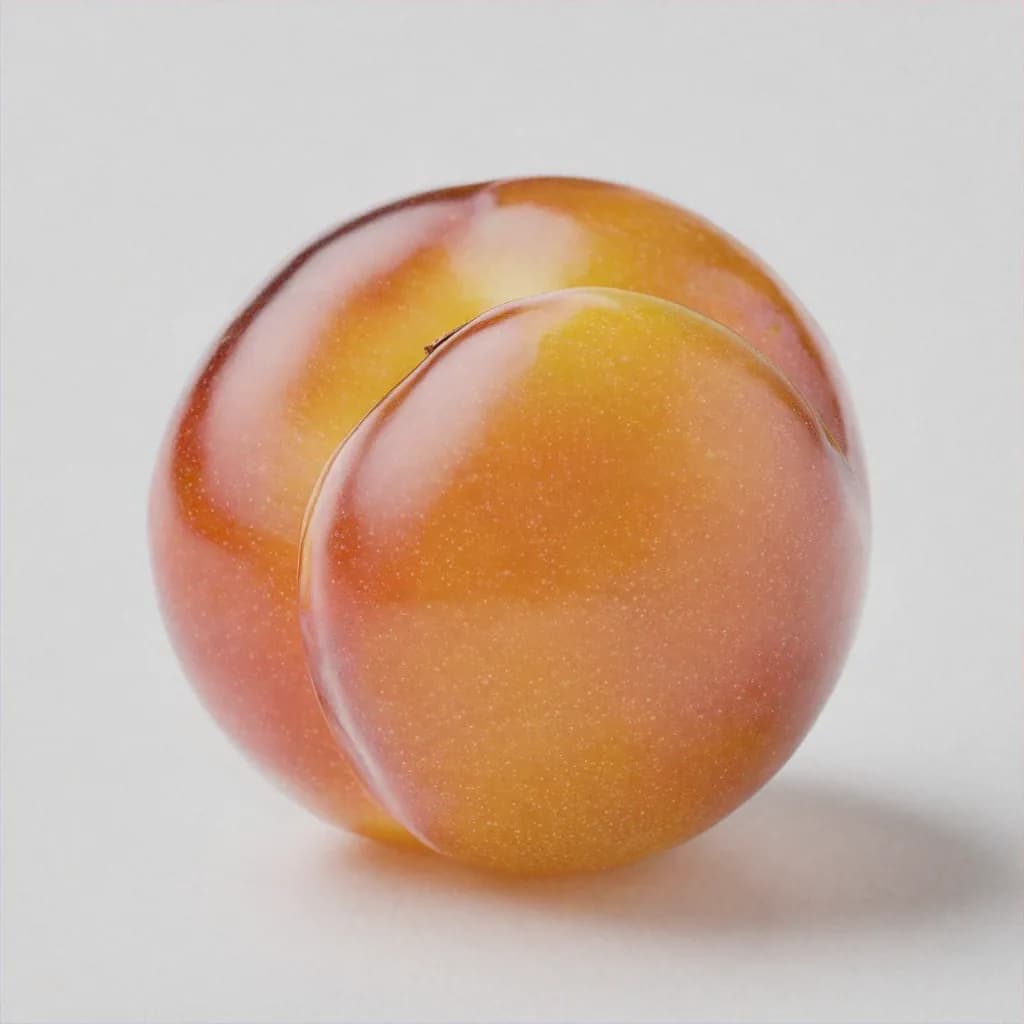
The caper berry is a unique fruit derived from the caper bush (Capparis spinosa), a perennial plant native to the Mediterranean region. Unlike the more commonly known capers, which are the plant's immature flower buds, caper berries are the fully ripened fruit. These berries are oval-shaped, typically 2-3 cm in length, and have a glossy, deep green to reddish-brown color. They possess a tangy, slightly sweet flavor with a hint of mustardy undertones, making them a popular ingredient in Mediterranean and Middle Eastern cuisines. Rich in antioxidants, vitamins, and minerals like vitamin C and potassium, caper berries are not only a culinary delight but also offer significant health benefits, including anti-inflammatory properties and support for cardiovascular health.
Caper Berry Galeria de fotos
Explore Caper Berry em detalhes
Caper Berry - Vista principal
Caper Berry Informações nutricionais
💊Vitaminas
Por 100 g
⚡Minerais
Por 100 g
Por porção
Detalhamento nutricional por porção
Benefícios para a saúde de Caper Berry
Caper Berry Origem e distribuição
Mediterranean region
Caper berries have been cultivated in the Mediterranean region for thousands of years, with their use dating back to ancient civilizations like Greece and Rome. They were valued for both their culinary and medicinal properties.
Caper Berry Melhor época
Spring to early summer
Caper Berry Variedades
Cada variedade oferece sabores, texturas e usos culinários únicos
Spinosa
Caper Berry Guia de armazenamento e seleção
Mantenha a fruta fresca por mais tempo
Como escolher a fruta perfeita
Look for firm, unblemished caper berries with a glossy appearance.
Avoid berries that are shriveled, moldy, or have a dull color.
Métodos de armazenamento
Store fresh caper berries in a sealed container in the refrigerator.
Pickled caper berries can be stored in their brine solution in a cool, dark place.
Guia de validade
Instruções para congelar
Preserve a frescura por meses
Caper berries are not typically frozen, as their texture and flavor may degrade.
Pickled caper berries can be stored in the refrigerator for extended periods.
Dica
Identifique itens congelados com a data para acompanhar a frescura. A maioria das frutas mantém a qualidade por 2-3 meses quando congelada corretamente. Para melhores resultados, use recipientes herméticos ou sacos próprios para congelador para evitar queimadura de freezer.
Jornada culinária
Descubra possibilidades deliciosas
Usos comuns
Combinações perfeitas
Receitas populares
Bebidas refrescantes
Informações de segurança
Caper berries may cause allergic reactions in individuals sensitive to capers or related plants. Symptoms can include itching, swelling, and digestive issues.
Caper berries are generally low in pesticide residues, but it is always best to choose organic or locally grown varieties when possible.
- • Individuals with known allergies to capers or related plants.
- • People with sensitivities to pickled foods or high-sodium diets.
- •Allergic reactions in sensitive individuals.
- •Potential digestive discomfort if consumed in large quantities.
- • Wash fresh caper berries thoroughly before consuming.
- • Ensure pickled caper berries are stored in a clean, sealed container to prevent contamination.
Curiosidades sobre Caper Berry
Fatos surpreendentes que você vai amar!
Caper berries have been used in traditional medicine for centuries to treat various ailments, including rheumatism and inflammation.
In ancient Rome, caper berries were considered an aphrodisiac and were often served at banquets.
Perguntas frequentes
What is the difference between capers and caper berries?
GeneralCapers are the immature flower buds of the caper bush, while caper berries are the fully ripened fruit. Caper berries are larger, have a milder flavor, and are often pickled.
How do I know if caper berries are fresh?
BuyingFresh caper berries should be firm, glossy, and free of blemishes. Avoid berries that are shriveled or moldy.
Can caper berries be frozen?
StorageCaper berries are not typically frozen, as their texture and flavor may degrade. Pickled caper berries can be stored in the refrigerator for extended periods.
How are caper berries used in cooking?
CulinaryCaper berries are commonly pickled and used as a garnish for salads, charcuterie boards, and cocktails. They can also be chopped and added to sauces, dressings, and dips.
What are the health benefits of caper berries?
NutritionCaper berries are rich in antioxidants, vitamin C, fiber, and potassium. They support immune function, digestion, and cardiovascular health.
Are caper berries safe for people with allergies?
HealthCaper berries are generally safe, but individuals with known allergies to capers or related plants should avoid them. Consult a healthcare provider if you have concerns.
Can caper berries be grown at home?
MiscellaneousYes, caper bushes can be grown in warm, sunny climates with well-drained soil. They are drought-tolerant and thrive in Mediterranean-like conditions.