Buah Keluak
Pangium edule
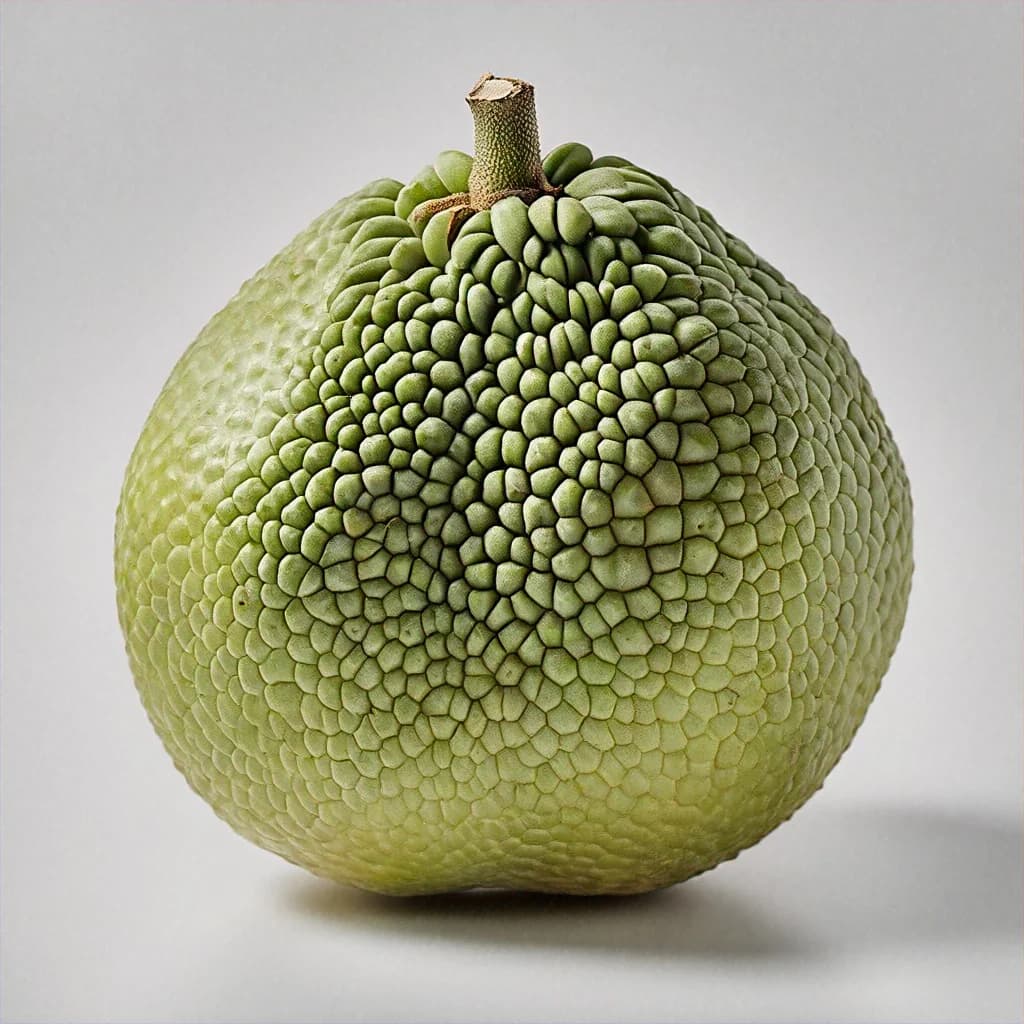
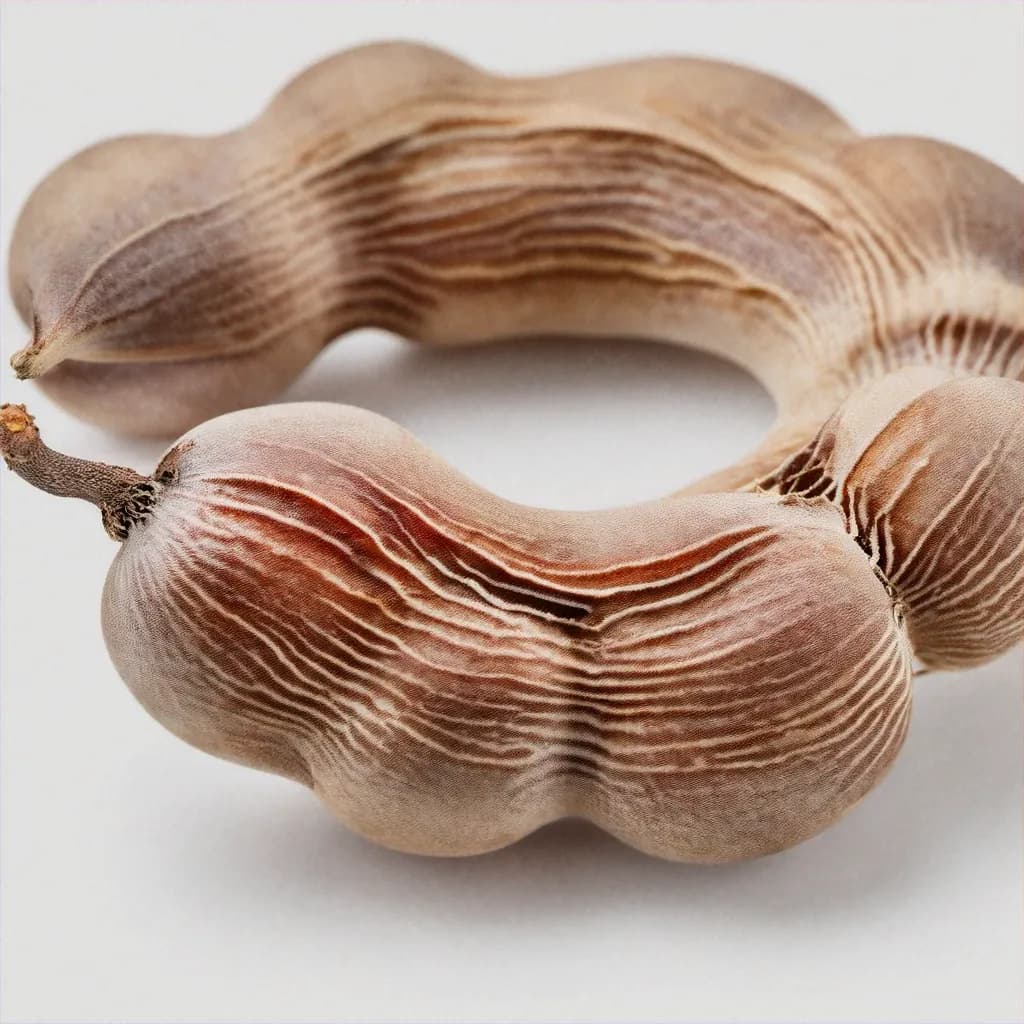
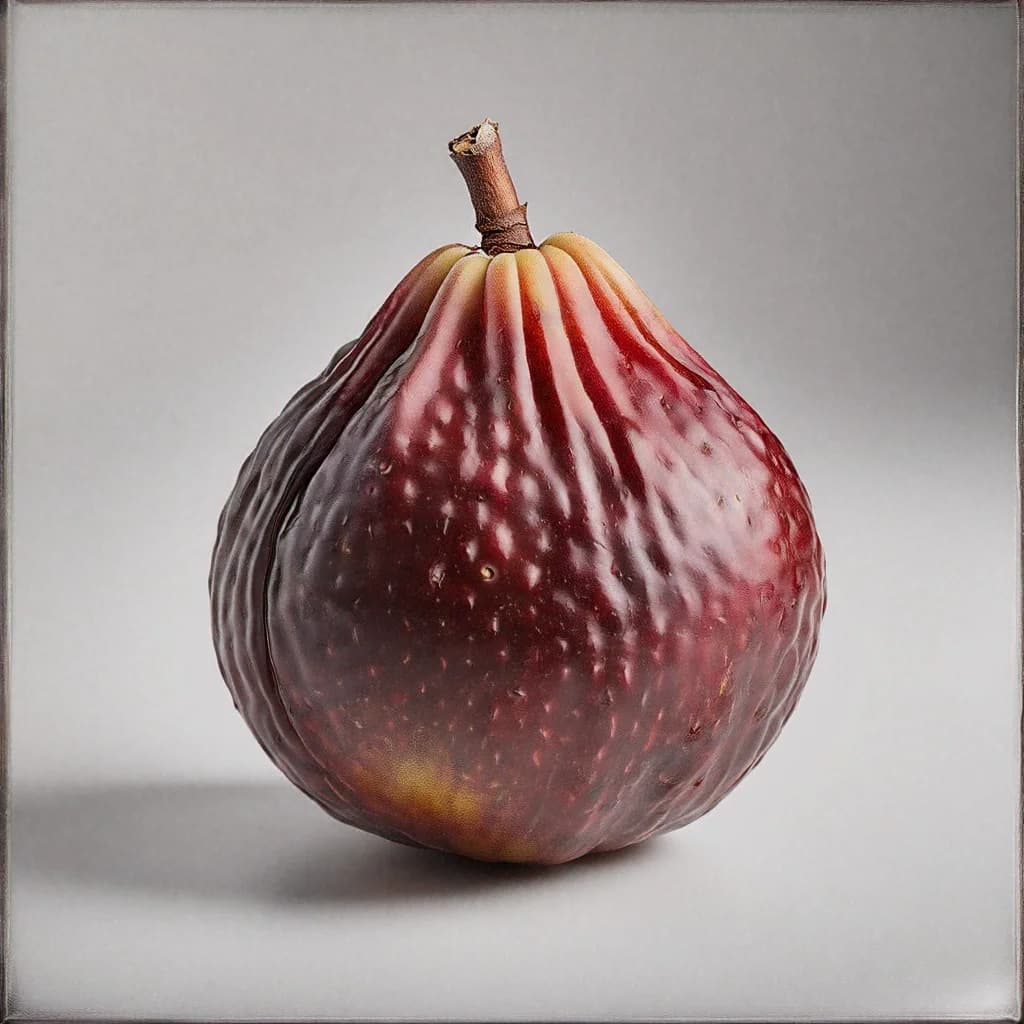
Buah Keluak, scientifically known as Pangium edule, is a unique tropical fruit native to Southeast Asia. It is often referred to as the 'black diamond of the forest' due to its distinctive appearance and culinary significance. The fruit grows on tall, evergreen trees and has a hard, brownish-black shell that encases a creamy white flesh and a large seed. The flesh has a unique, slightly bitter flavor that mellows during cooking, making it a prized ingredient in traditional Asian cuisines, particularly in Indonesian and Malaysian dishes. Despite its toxicity in its raw form due to the presence of hydrogen cyanide, proper preparation renders it safe for consumption, transforming it into a delicacy rich in nutrients and antioxidants.
Buah Keluak Galeria de fotos
Explore Buah Keluak em detalhes
Buah Keluak - Vista principal
Buah Keluak Informações nutricionais
💊Vitaminas
Por 100 g
⚡Minerais
Por 100 g
Por porção
Detalhamento nutricional por porção
Benefícios para a saúde de Buah Keluak
Buah Keluak Origem e distribuição
Southeast Asia
Buah Keluak has been cultivated for centuries in Southeast Asia, particularly in Indonesia and Malaysia. It holds cultural and culinary significance in these regions, where it is often used in traditional dishes such as 'rawon,' a beef soup.
Buah Keluak Melhor época
June to September
Buah Keluak Variedades
Cada variedade oferece sabores, texturas e usos culinários únicos
Pangium edule var. edule
Buah Keluak Guia de armazenamento e seleção
Mantenha a fruta fresca por mais tempo
Como escolher a fruta perfeita
Select fruits with intact, hard shells.
Avoid those with cracks or mold.
Métodos de armazenamento
Store in a cool, dry place.
Refrigerate after preparation.
Guia de validade
Instruções para congelar
Preserve a frescura por meses
Freeze prepared flesh in airtight containers.
Thaw before using in recipes.
Dica
Identifique itens congelados com a data para acompanhar a frescura. A maioria das frutas mantém a qualidade por 2-3 meses quando congelada corretamente. Para melhores resultados, use recipientes herméticos ou sacos próprios para congelador para evitar queimadura de freezer.
Jornada culinária
Descubra possibilidades deliciosas
Usos comuns
Combinações perfeitas
Receitas populares
Bebidas refrescantes
Informações de segurança
No known allergies, but individuals with nut allergies should exercise caution.
Minimal, as it is often grown organically in its native regions.
- • Pregnant women
- • Children
- • Individuals with nut allergies
- •Nausea if consumed raw
- •Stomach discomfort if improperly prepared
- • Always cook Buah Keluak thoroughly.
- • Discard the hard seed before consumption.
Curiosidades sobre Buah Keluak
Fatos surpreendentes que você vai amar!
Buah Keluak is often called the 'black diamond of the forest' due to its appearance.
It is a key ingredient in Indonesian rawon, a traditional beef soup.
Perguntas frequentes
What is Buah Keluak?
GeneralBuah Keluak is a tropical fruit native to Southeast Asia, known for its unique flavor and culinary uses.
How do I select a good Buah Keluak?
BuyingChoose fruits with hard, intact shells and avoid those with cracks or mold.
How should I store Buah Keluak?
StorageStore in a cool, dry place for up to 7 days, or refrigerate after preparation for up to 14 days.
Can I eat Buah Keluak raw?
CulinaryNo, it must be cooked to remove its natural toxins.
Is Buah Keluak high in calories?
NutritionIt contains 187 calories per 100g, making it a moderate-calorie food.
Does Buah Keluak have any health risks?
HealthConsuming raw or improperly prepared fruit can cause toxicity due to hydrogen cyanide.
Can I freeze Buah Keluak?
MiscellaneousYes, freeze the prepared flesh in airtight containers and thaw before use.