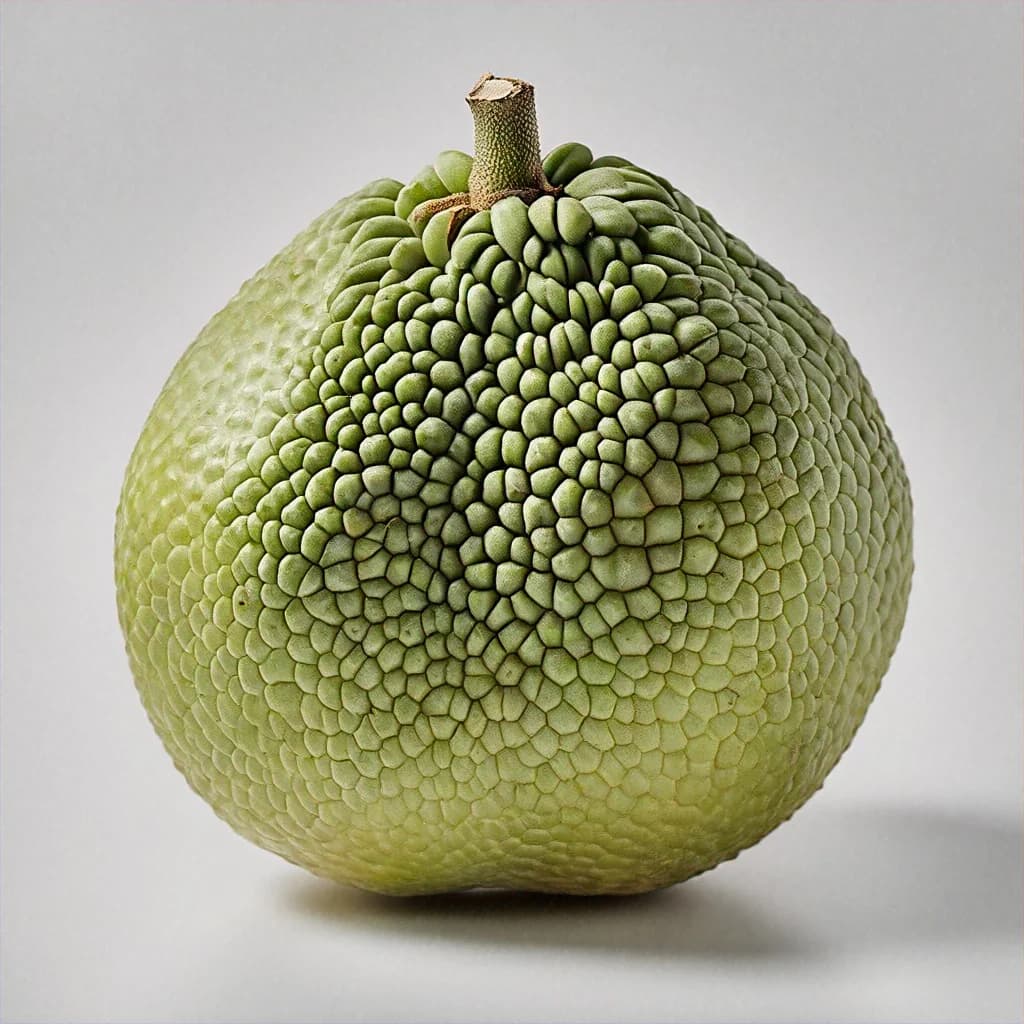
Binjai
Mangifera caesia
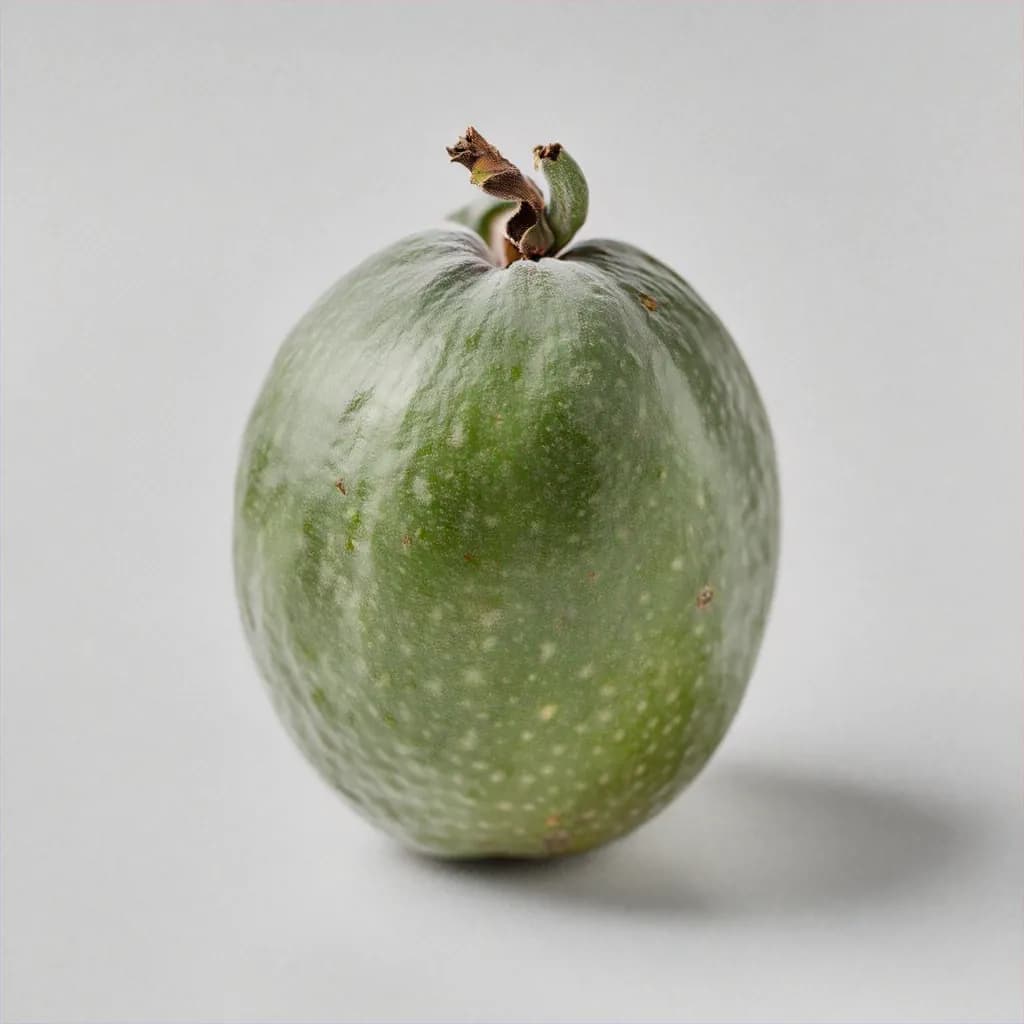
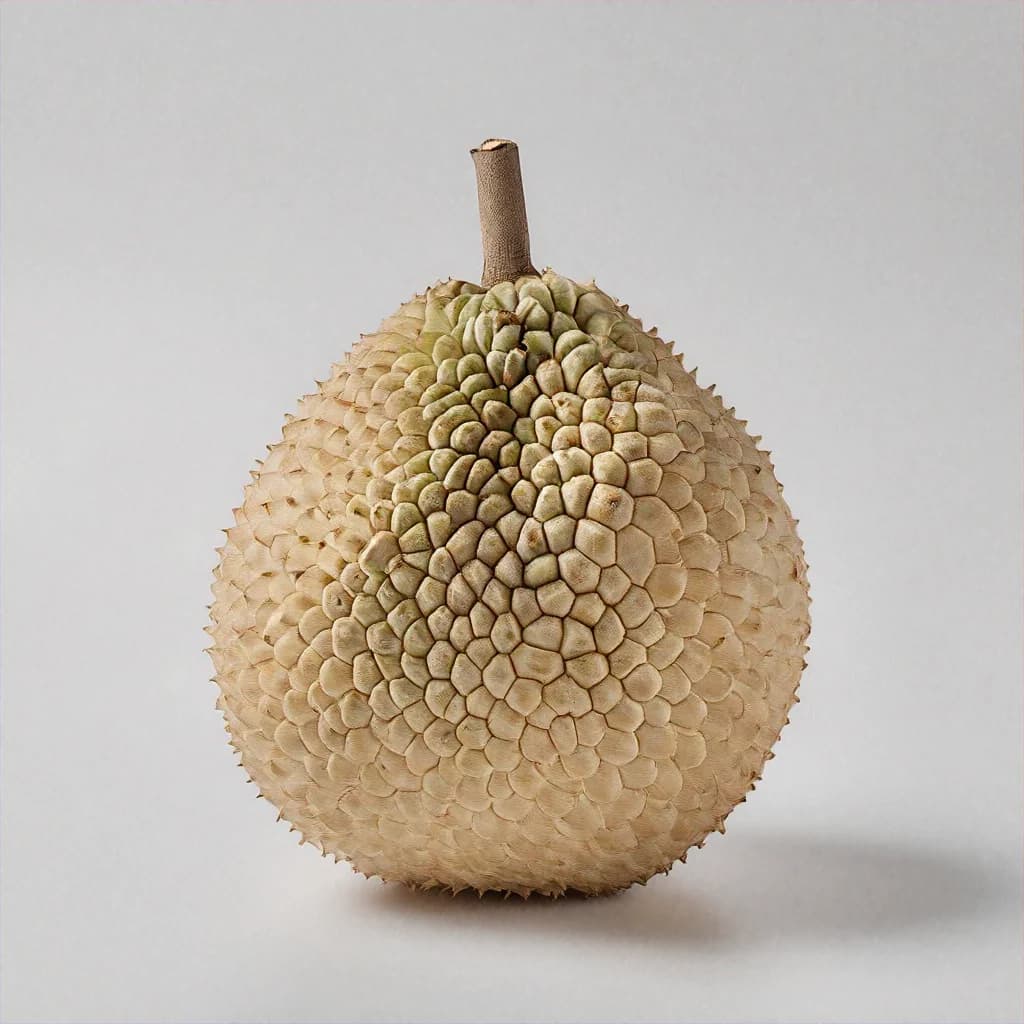
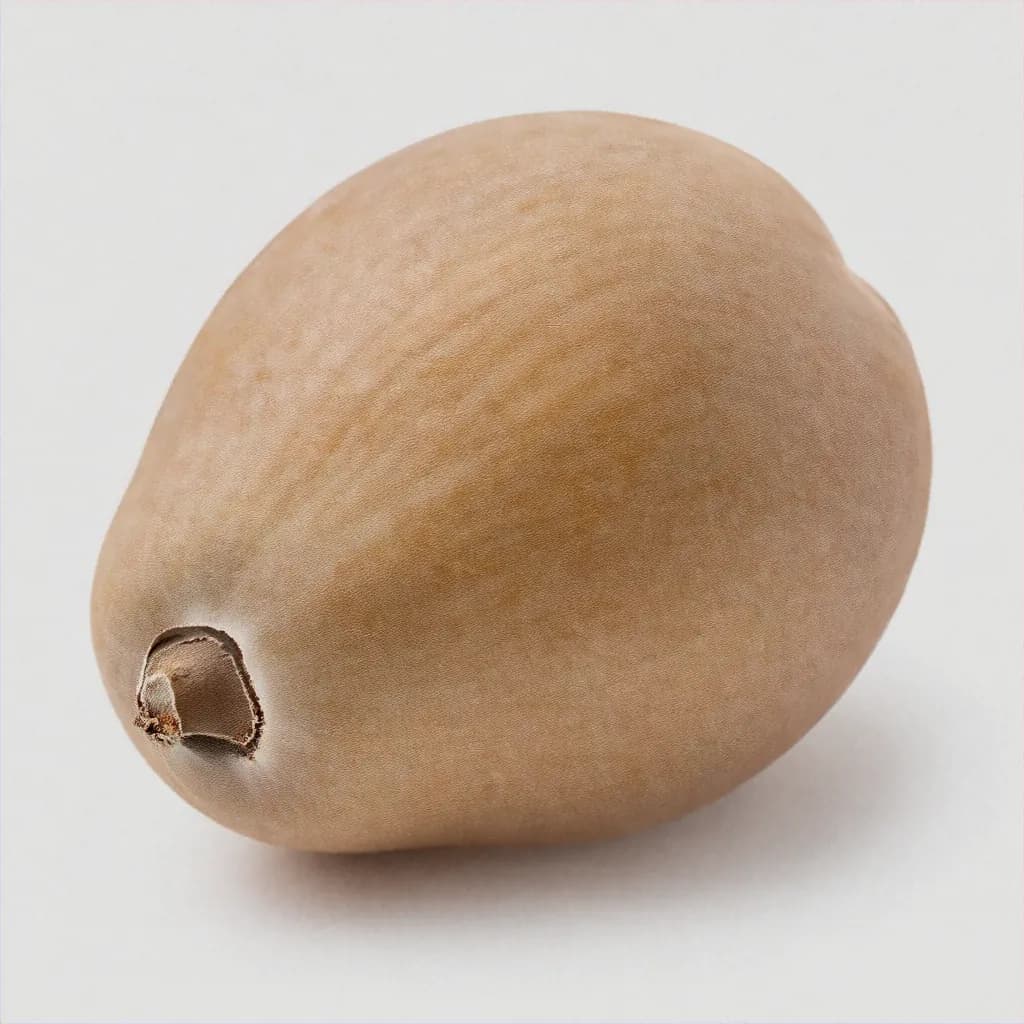
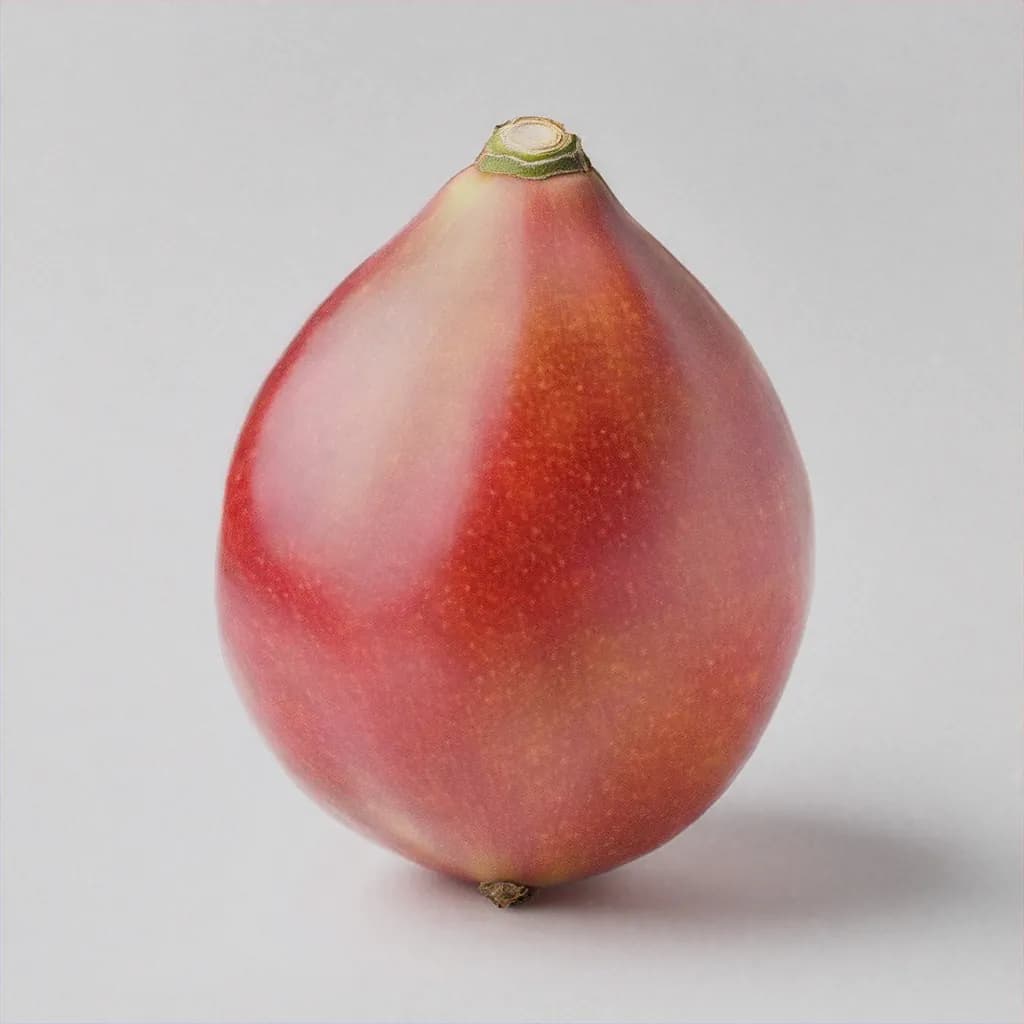
Binjai, scientifically known as Mangifera caesia, is a delightful tropical fruit native to Southeast Asia. With its distinctively sweet and tangy flavor, it is often likened to a blend of mango and peach. The fruit boasts a vibrant yellow-orange flesh encased in a leathery, brownish-green skin. Rich in antioxidants, vitamins, and minerals, Binjai is not only a culinary treasure but also a nutritional powerhouse. Its unique taste profile makes it a versatile ingredient in both sweet and savory dishes, while its health benefits, ranging from boosting immunity to aiding digestion, make it a valuable addition to any diet.
Binjai Galeria de fotos
Explore Binjai em detalhes
Binjai - Vista principal
Binjai Informações nutricionais
💊Vitaminas
Por 100 g
⚡Minerais
Por 100 g
Por porção
Detalhamento nutricional por porção
Benefícios para a saúde de Binjai
Binjai Origem e distribuição
Southeast Asia
Binjai has been cultivated in Southeast Asia for centuries, valued for its unique flavor and nutritional benefits. It is deeply ingrained in local cuisines and traditional medicine.
Binjai Melhor época
Year-round in tropical regions, peak seasons vary by country.
Binjai Variedades
Cada variedade oferece sabores, texturas e usos culinários únicos
Binjai Jawa
Binjai Kalimantan
Binjai Guia de armazenamento e seleção
Mantenha a fruta fresca por mais tempo
Como escolher a fruta perfeita
Look for firm fruits with no bruises.
Select fruits with a slight give when gently pressed.
Avoid overly soft or shriveled fruits.
Métodos de armazenamento
Store at room temperature for up to 3 days.
Refrigerate for up to 7 days to extend freshness.
Guia de validade
Instruções para congelar
Preserve a frescura por meses
Freeze pulp or slices in airtight containers.
Use frozen Binjai within 3 months for best quality.
Dica
Identifique itens congelados com a data para acompanhar a frescura. A maioria das frutas mantém a qualidade por 2-3 meses quando congelada corretamente. Para melhores resultados, use recipientes herméticos ou sacos próprios para congelador para evitar queimadura de freezer.
Jornada culinária
Descubra possibilidades deliciosas
Usos comuns
Combinações perfeitas
Receitas populares
Bebidas refrescantes
Informações de segurança
Binjai is generally safe for consumption, but allergic reactions are possible in individuals sensitive to mango-related fruits.
Binjai is typically grown with minimal pesticides, but it is always best to wash the fruit thoroughly before consumption.
- • Individuals with mango allergies
- • People with latex allergies (due to cross-reactivity)
- •Possible skin irritation from handling the fruit.
- •Gastrointestinal discomfort if consumed in excess.
- • Wash the fruit thoroughly before cutting.
- • Use a sharp knife to avoid slipping while cutting.
Curiosidades sobre Binjai
Fatos surpreendentes que você vai amar!
Binjai is often referred to as the 'white mango' due to its pale flesh.
In traditional medicine, Binjai is used to treat digestive issues and skin conditions.
Perguntas frequentes
What does Binjai taste like?
GeneralBinjai has a unique sweet-tangy flavor, often compared to a blend of mango and peach.
How do I know if a Binjai is ripe?
BuyingA ripe Binjai will have a slight give when gently pressed and a fragrant aroma.
Can Binjai be frozen?
StorageYes, Binjai can be frozen for up to 3 months. Freeze the pulp or slices in airtight containers.
What are some popular Binjai recipes?
CulinaryPopular recipes include Binjai juice, Binjai and coconut milk pudding, and spicy Binjai salsa.
Is Binjai high in calories?
NutritionNo, Binjai is relatively low in calories, with approximately 75 calories per 100 grams.
Can Binjai help with digestion?
HealthYes, Binjai is high in fiber, which aids digestion and supports gut health.
Is Binjai safe for diabetics?
MiscellaneousWhile Binjai has a moderate glycemic index, diabetics should consume it in moderation and consult a healthcare provider.