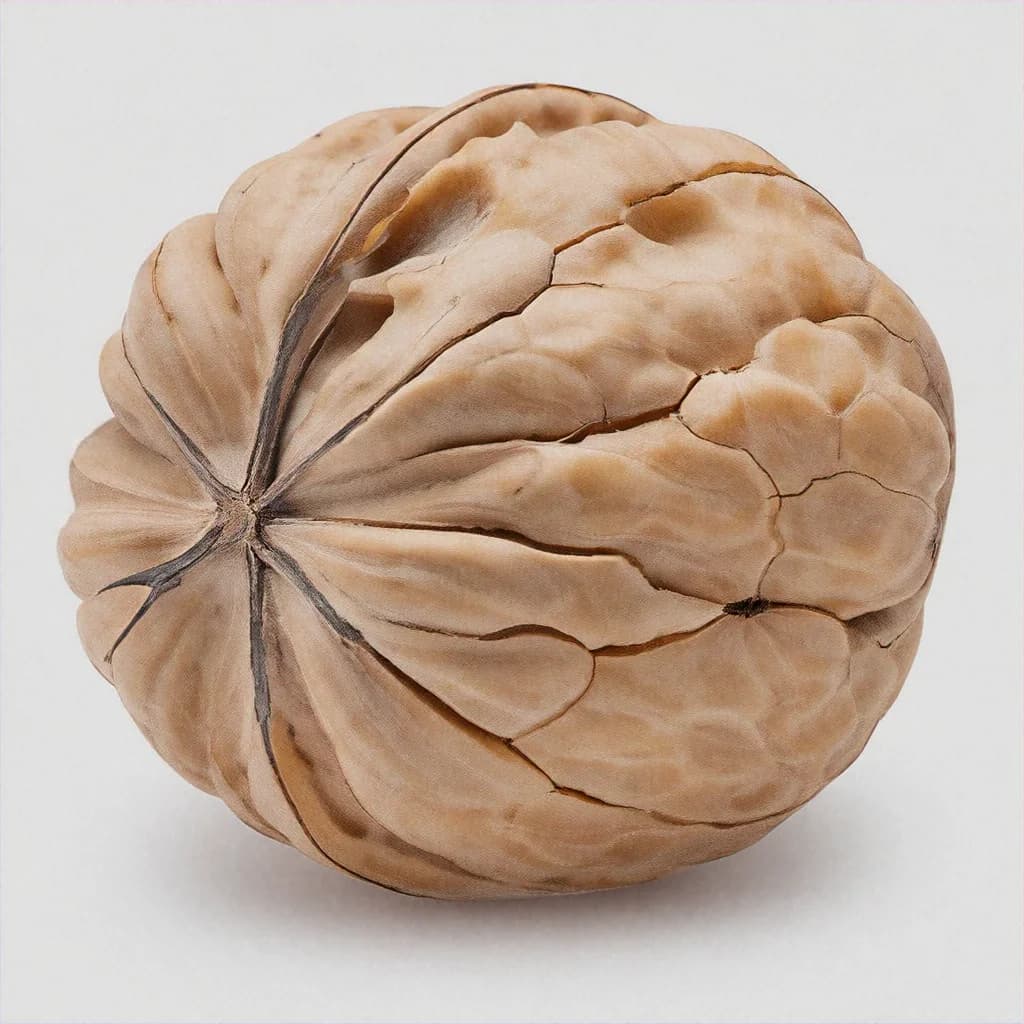
African Walnut
Coula edulis
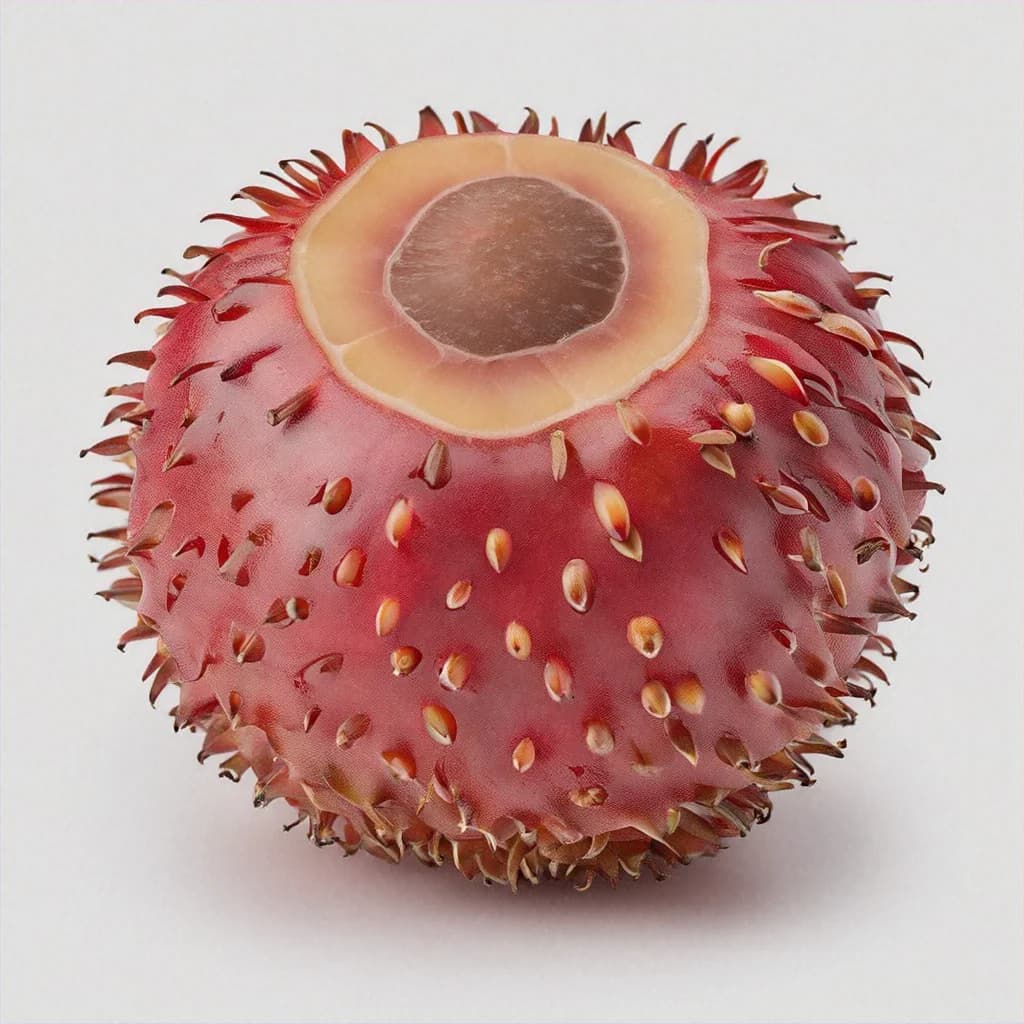
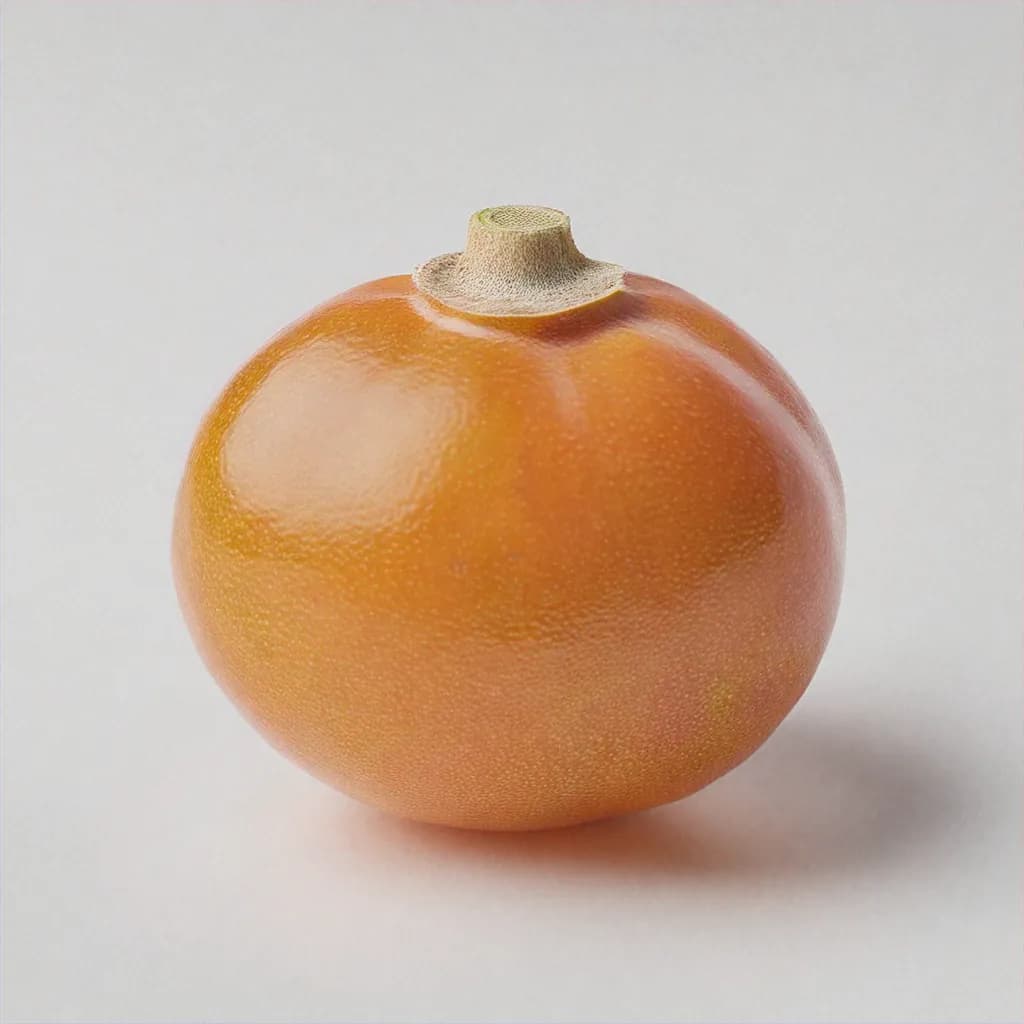
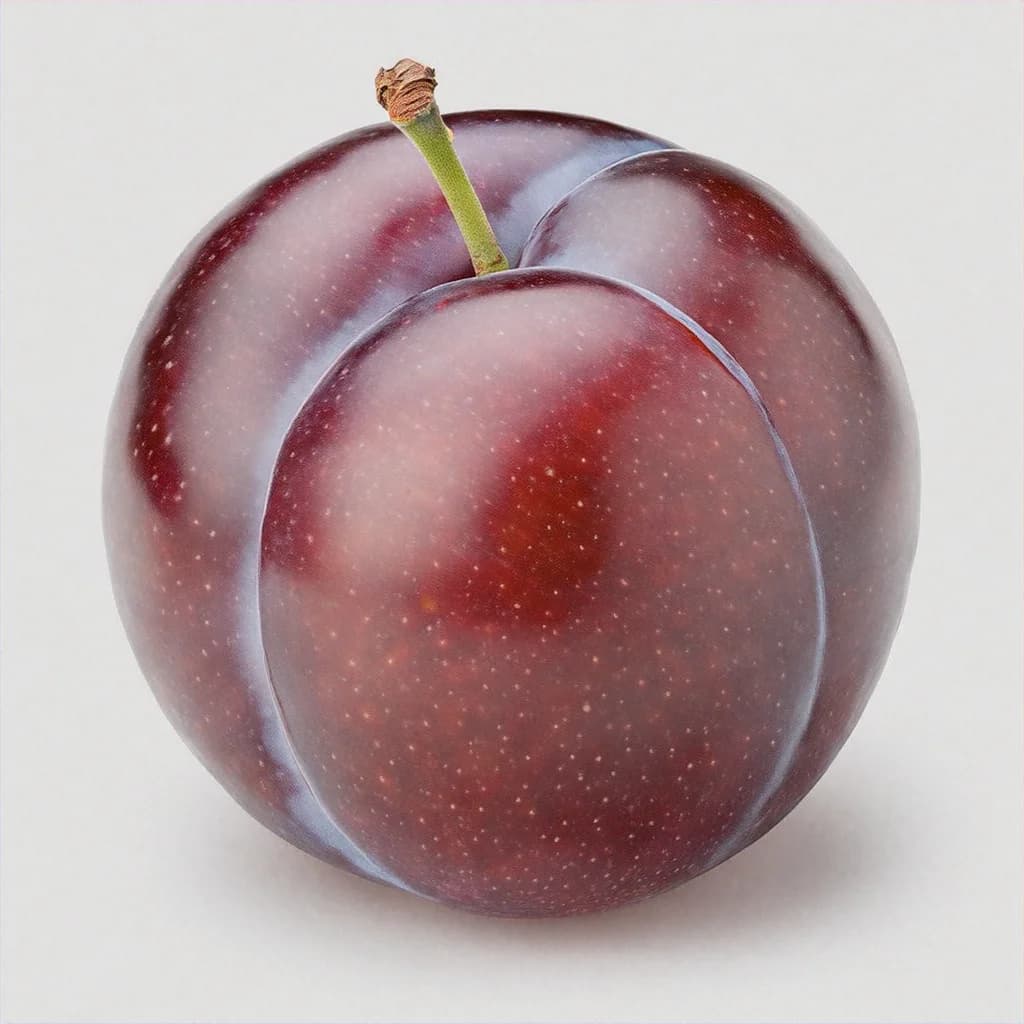
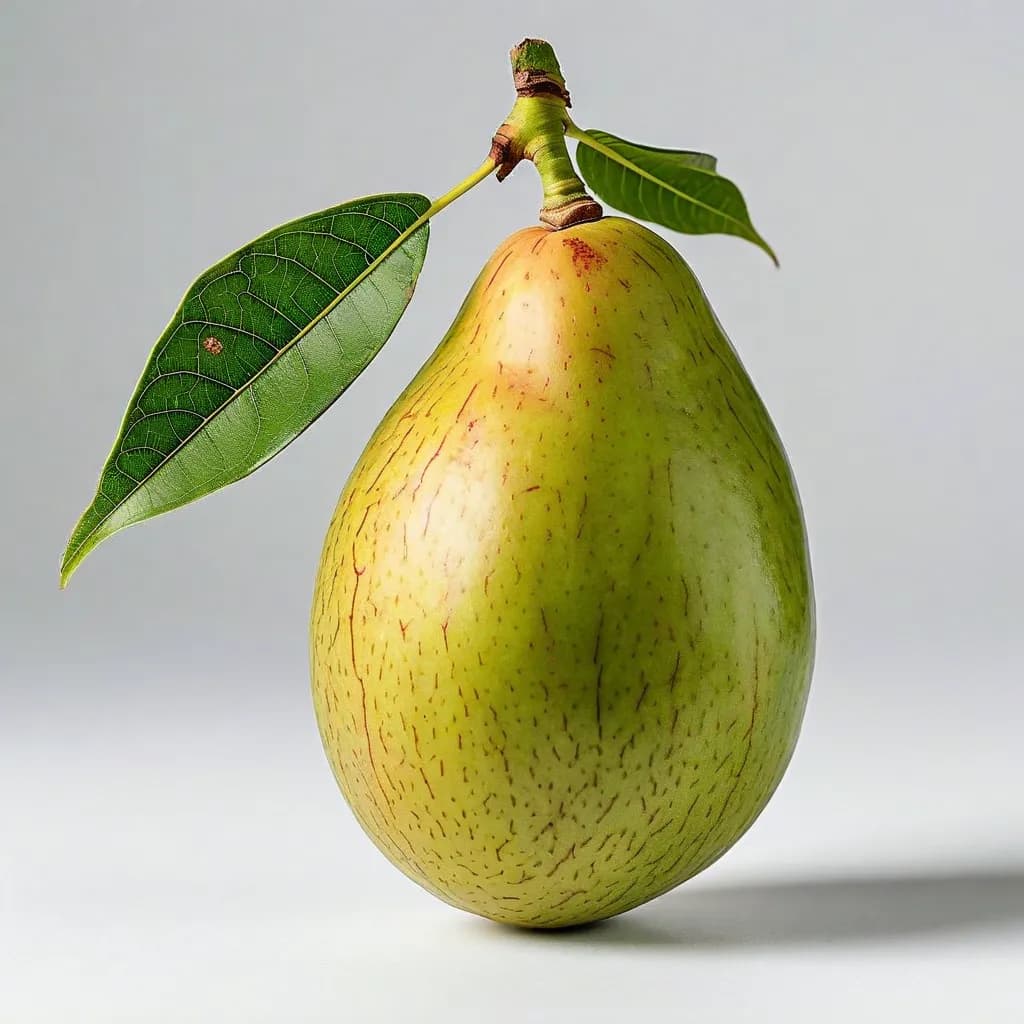
The African Walnut (Coula edulis) is a tropical evergreen tree native to the humid forests of West Africa. Its fruit, often referred to as 'Gabon nut,' is highly prized for its rich, creamy, and nutty flavor. The fruit consists of a hard, woody shell encasing a single large seed (the nut), which is enveloped in a fibrous, orange-brown husk. The nuts are a staple in local diets and are used in various culinary applications, from snacks to ingredients in stews and desserts. Rich in healthy fats, proteins, and essential minerals, the African Walnut is not only a delicious treat but also a nutritional powerhouse.
African Walnut Galeria de fotos
Explore African Walnut em detalhes
African Walnut - Vista principal
African Walnut Informações nutricionais
💊Vitaminas
Por 100 g
⚡Minerais
Por 100 g
Por porção
Detalhamento nutricional por porção
Benefícios para a saúde de African Walnut
African Walnut Origem e distribuição
West Africa
The African Walnut has been a traditional food source in West Africa for centuries. It is deeply rooted in local cultures and is often used in traditional medicine and rituals.
African Walnut Melhor época
Year-round, with peak harvesting in the dry season (November to March).
African Walnut Variedades
Cada variedade oferece sabores, texturas e usos culinários únicos
Coula edulis var. edulis
African Walnut Guia de armazenamento e seleção
Mantenha a fruta fresca por mais tempo
Como escolher a fruta perfeita
Look for nuts with intact, undamaged shells.
Avoid nuts with moldy or soft spots on the husk.
Métodos de armazenamento
Store in a cool, dry place away from direct sunlight.
Refrigerate or freeze for extended shelf life.
Guia de validade
Instruções para congelar
Preserve a frescura por meses
Freeze in an airtight container to preserve freshness.
Thaw at room temperature before use.
Dica
Identifique itens congelados com a data para acompanhar a frescura. A maioria das frutas mantém a qualidade por 2-3 meses quando congelada corretamente. Para melhores resultados, use recipientes herméticos ou sacos próprios para congelador para evitar queimadura de freezer.
Jornada culinária
Descubra possibilidades deliciosas
Usos comuns
Combinações perfeitas
Receitas populares
Bebidas refrescantes
Informações de segurança
Individuals with tree nut allergies should avoid consuming African Walnuts.
Minimal, as they are often grown organically in their native regions.
- • People with nut allergies
- • Individuals with known sensitivities to tree nuts
- •Potential allergic reactions in sensitive individuals
- •Digestive discomfort if consumed in excess
- • Wash the nuts thoroughly before cracking.
- • Avoid consuming nuts with moldy or damaged husks.
Curiosidades sobre African Walnut
Fatos surpreendentes que você vai amar!
The African Walnut is often referred to as the 'Gabon nut' due to its prevalence in Gabon.
The nuts are a significant source of income for rural communities in West Africa.
Perguntas frequentes
What is the best way to crack open an African Walnut?
GeneralUse a nutcracker or a hammer to gently crack the shell. Be cautious to avoid damaging the nut inside.
How do I know if an African Walnut is fresh?
BuyingFresh nuts have a firm, intact husk with no signs of mold or softness.
Can African Walnuts be frozen?
StorageYes, they can be frozen in an airtight container to extend their shelf life.
What are some traditional African dishes that use these nuts?
CulinaryThey are commonly used in stews, soups, and as a snack in West African cuisine.
Are African Walnuts good for weight loss?
NutritionWhile high in calories, their healthy fats and fiber can support satiety and weight management when consumed in moderation.
Can people with nut allergies eat African Walnuts?
HealthIndividuals with tree nut allergies should avoid African Walnuts, as they may trigger an allergic reaction.
Are there any traditional medicinal uses for African Walnuts?
MiscellaneousIn some West African cultures, the nuts are used in traditional medicine to treat skin conditions and digestive issues.