Nam-nam
Cynometra cauliflora
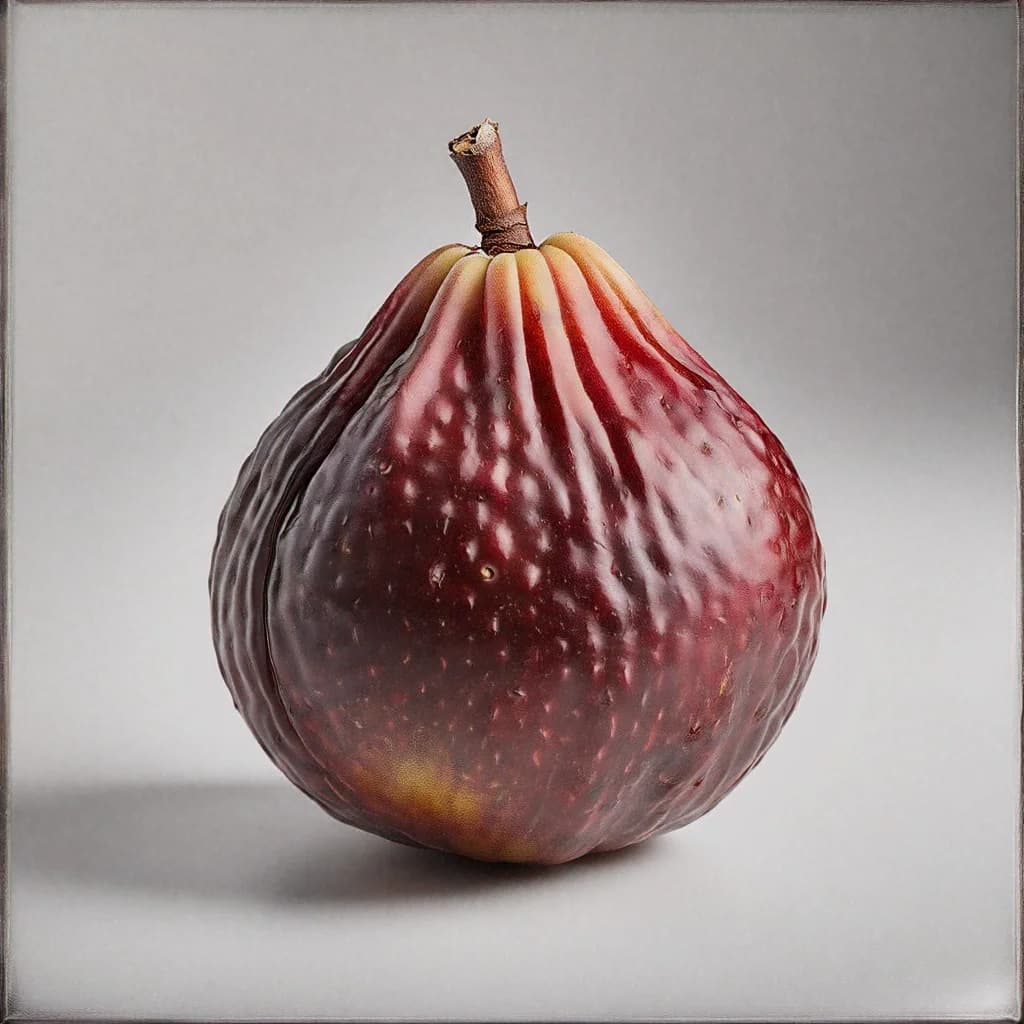
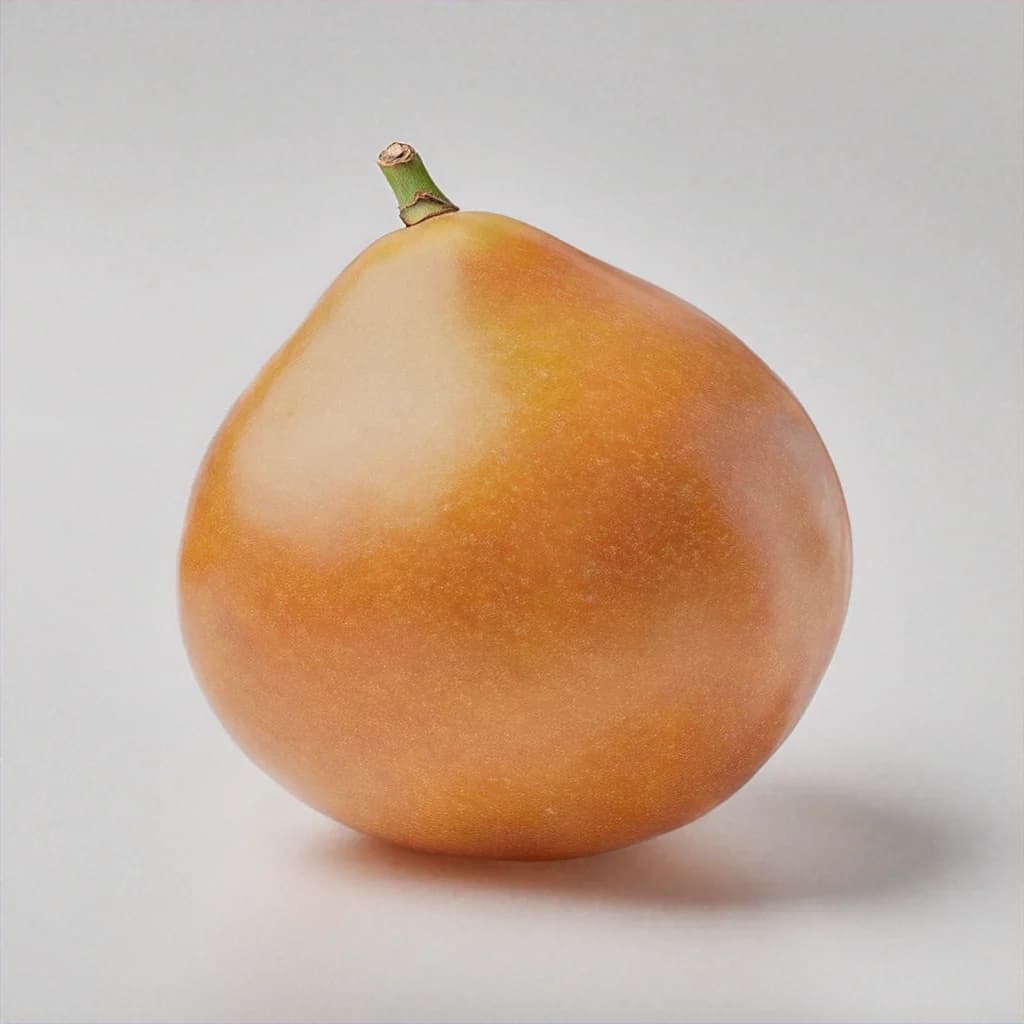
The Nam-nam fruit, scientifically known as Cynometra cauliflora, is a tropical delight native to Southeast Asia. This small, round fruit boasts a vibrant yellow to orange hue when ripe and has a unique, sweet-tart flavor profile reminiscent of a blend between a mango and a plum. Its flesh is juicy and slightly fibrous, surrounding a large, inedible seed. Grown on evergreen trees, Nam-nam is prized for its refreshing taste and versatility in culinary applications. Rich in antioxidants, vitamins, and minerals, this fruit offers both gastronomic and nutritional value. Whether enjoyed fresh, dried, or incorporated into desserts and beverages, Nam-nam is a hidden gem of the tropics, waiting to be discovered by fruit enthusiasts worldwide.
Nam-nam फोटो गैलरी
Nam-nam को शानदार विवरण में देखें
Nam-nam - मुख्य दृश्य
Nam-nam पोषण तथ्य
💊विटामिन
प्रति 100 ग्राम
⚡खनिज
प्रति 100 ग्राम
प्रति सर्विंग
एक सर्विंग का पोषण विवरण
Nam-nam के स्वास्थ्य लाभ
Nam-nam उत्पत्ति और वितरण
Southeast Asia
Nam-nam has been cultivated in Southeast Asia for centuries, valued for its taste and medicinal properties. It has been used in traditional remedies for digestive issues and skin ailments.
Nam-nam पीक सीज़न
Typically available from May to August
Nam-nam किस्में
हर किस्म का स्वाद, बनावट और उपयोग अलग होता है
Common Nam-nam
Dwarf Nam-nam
Nam-nam स्टोरेज और चयन गाइड
फलों को अधिक समय तक ताज़ा रखें
सही फल कैसे चुनें
Select fruits with vibrant yellow or orange skin.
Avoid fruits with bruises or soft spots.
सही स्टोरेज तरीके
Store at room temperature for up to 3 days.
Refrigerate for extended freshness (up to 1 week).
शेल्फ लाइफ गाइड
फ्रीज़ करने के निर्देश
कई महीनों तक ताज़गी बनाए रखें
Peel and slice before freezing.
Store in an airtight container to preserve flavor.
प्रो टिप
ताज़गी ट्रैक करने के लिए जमे हुए आइटम पर तारीख लिखें। सही तरीके से फ्रीज़ करने पर अधिकांश फल 2-3 महीनों तक गुणवत्ता बनाए रखते हैं। फ्रीज़र बर्न से बचने के लिए एयरटाइट कंटेनर या फ्रीज़र बैग का उपयोग करें।
पाक यात्रा
स्वादिष्ट विकल्प खोजें
सामान्य उपयोग
परफेक्ट पेयरिंग
लोकप्रिय रेसिपी
ताज़ा पेय
सुरक्षा जानकारी
Nam-nam is not a common allergen, but individuals with fruit allergies should exercise caution.
Like many tropical fruits, Nam-nam may be treated with pesticides. Wash thoroughly before consuming.
- • Individuals with fruit allergies.
- • People with digestive sensitivities to high-fiber foods.
- •May cause mild digestive discomfort if consumed in large quantities.
- • Wash the fruit thoroughly before eating.
- • Remove the seed, as it is inedible.
रोचक तथ्य Nam-nam के बारे में
ऐसी बातें जो आपको पसंद आएंगी!
Nam-nam is often referred to as the 'tropical plum' due to its flavor profile.
The fruit is a popular ingredient in traditional Southeast Asian desserts and beverages.
अक्सर पूछे जाने वाले प्रश्न
What does Nam-nam taste like?
GeneralNam-nam has a sweet-tart flavor, similar to a blend of mango and plum.
How do I know if a Nam-nam fruit is ripe?
BuyingA ripe Nam-nam fruit will have a vibrant yellow or orange skin and give slightly when pressed.
Can Nam-nam be frozen?
StorageYes, peel and slice the fruit before freezing in an airtight container.
What are some popular Nam-nam recipes?
CulinaryNam-nam can be used in fruit salads, smoothies, jams, and even dried as a snack.
Is Nam-nam high in sugar?
NutritionNam-nam contains about 15.3g of sugar per 100g, which is moderate compared to other fruits.
Does Nam-nam have any medicinal properties?
HealthTraditionally, Nam-nam has been used to treat digestive issues and skin ailments due to its antioxidant content.
Where is Nam-nam commonly grown?
MiscellaneousNam-nam is native to Southeast Asia and is primarily grown in Thailand, Malaysia, Indonesia, and the Philippines.