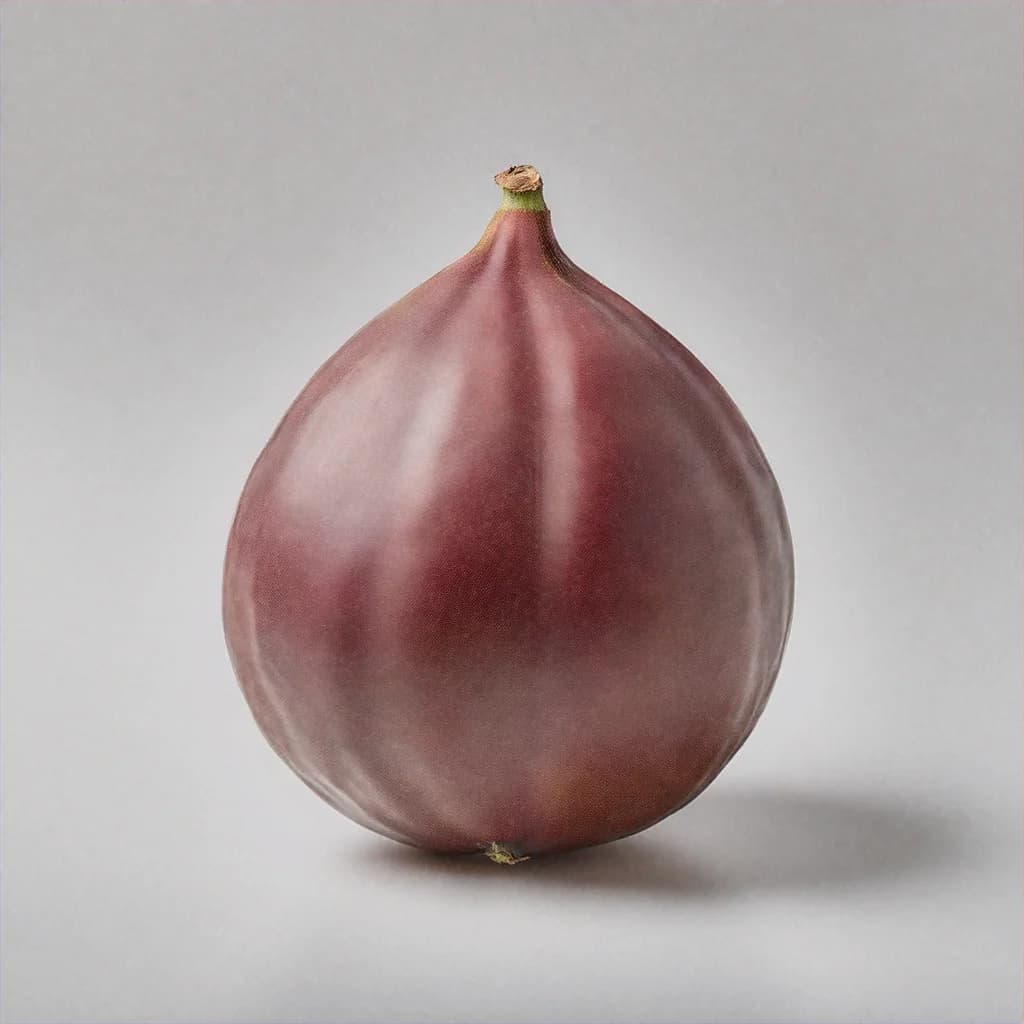
Mahkota Dewa
Phaleria macrocarpa
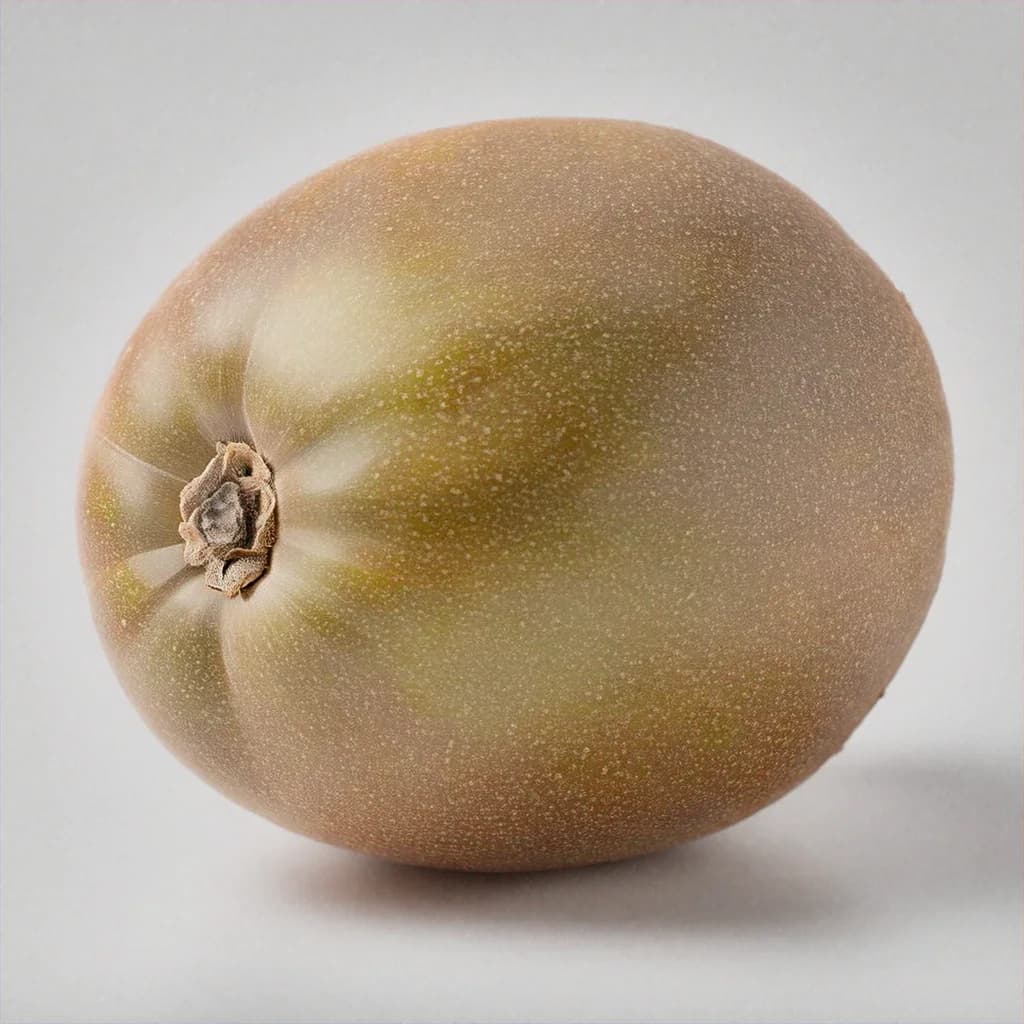
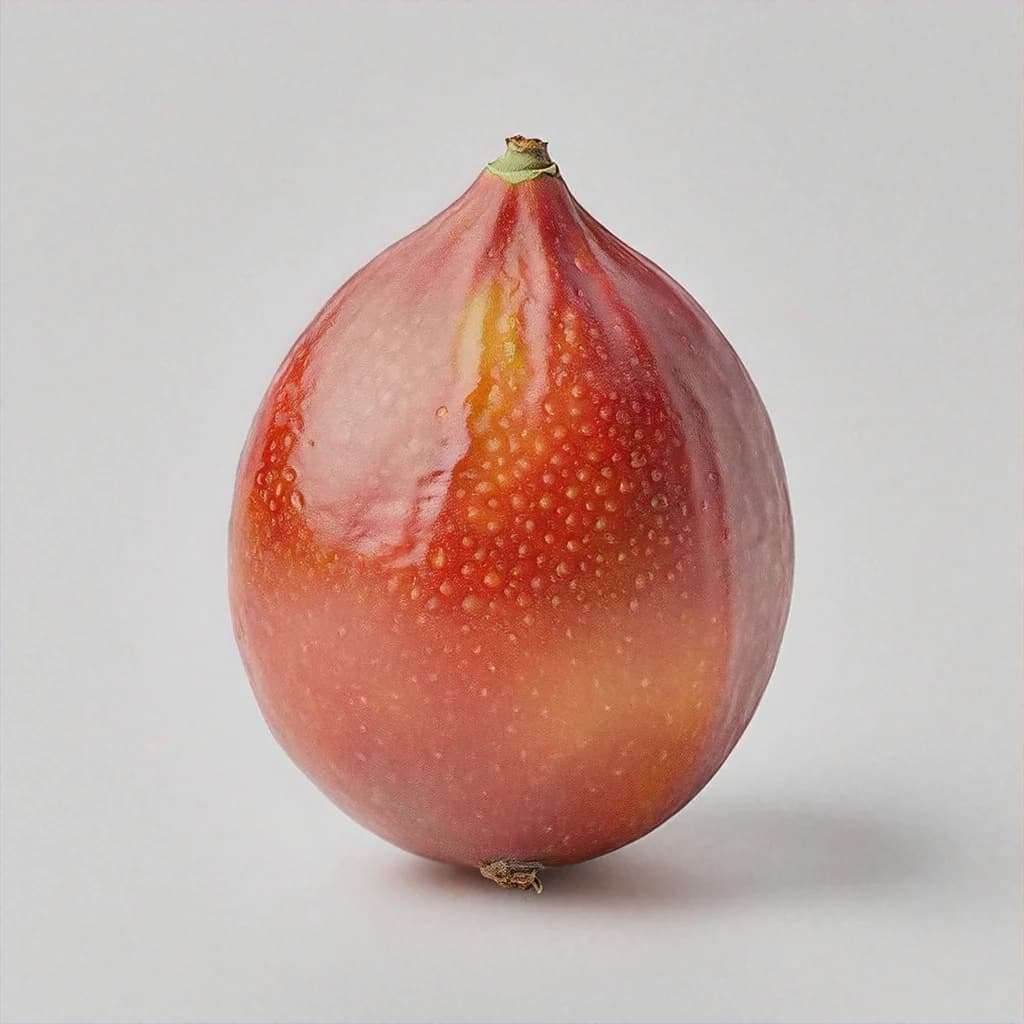
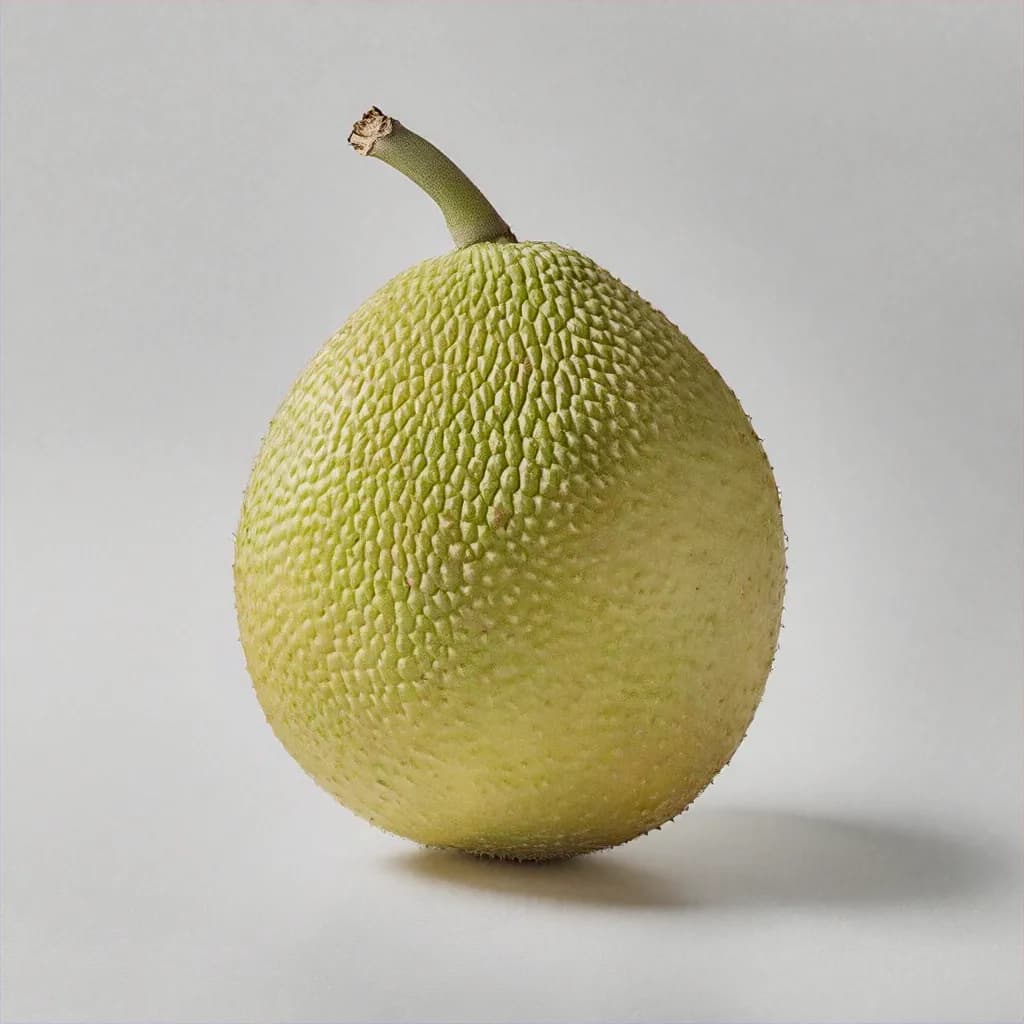
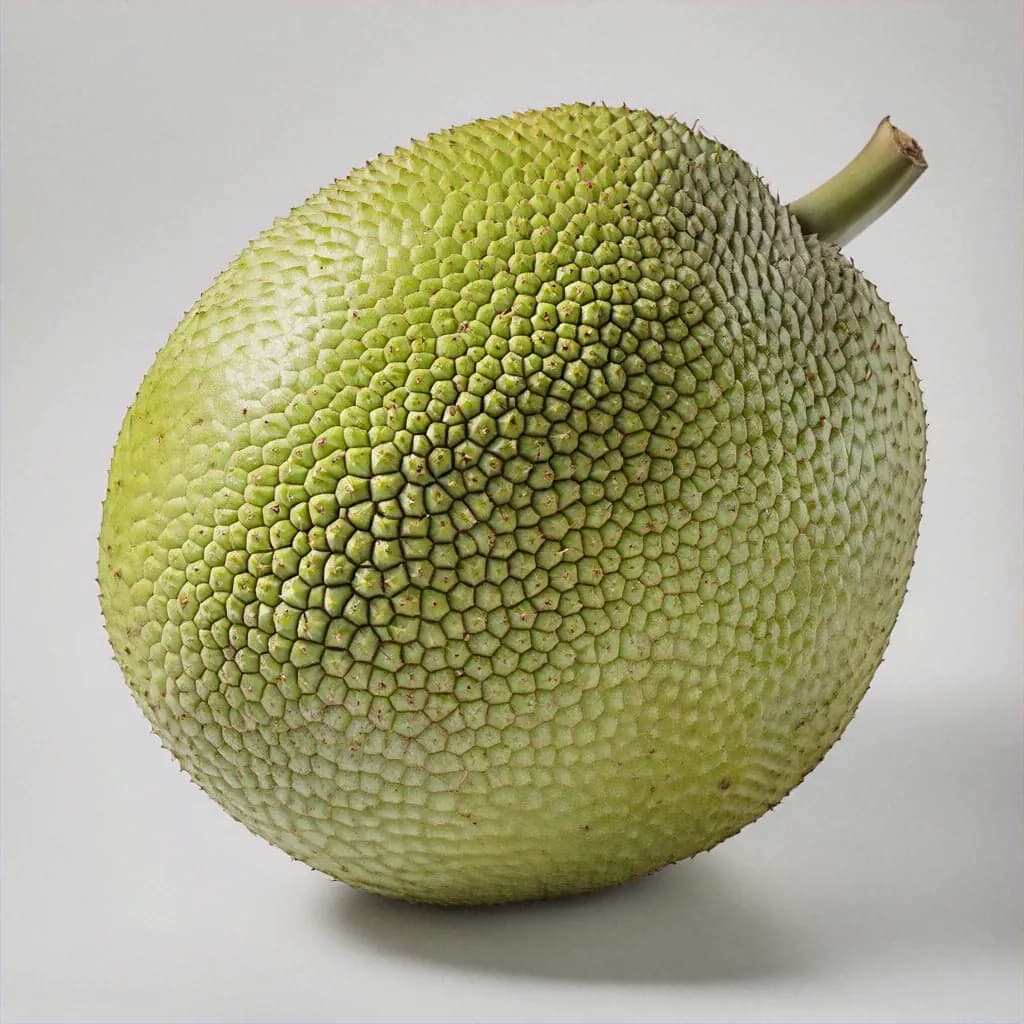
Mahkota Dewa, scientifically known as Phaleria macrocarpa, is a tropical fruit native to Southeast Asia, particularly Indonesia and Malaysia. This fruit is renowned for its medicinal properties and unique flavor profile. The fruit itself is round to oval, with a smooth, thin skin that transitions from green to yellowish-orange as it ripens. Inside, the flesh is soft, juicy, and slightly fibrous, with a sweet and slightly tart taste. Mahkota Dewa is rich in antioxidants, vitamins, and minerals, making it a valuable addition to both traditional medicine and modern health-conscious diets. Its versatility in culinary applications, from fresh consumption to jams and beverages, further enhances its appeal.
Mahkota Dewa फोटो गैलरी
Mahkota Dewa को शानदार विवरण में देखें
Mahkota Dewa - मुख्य दृश्य
Mahkota Dewa पोषण तथ्य
💊विटामिन
प्रति 100 ग्राम
⚡खनिज
प्रति 100 ग्राम
प्रति सर्विंग
एक सर्विंग का पोषण विवरण
Mahkota Dewa के स्वास्थ्य लाभ
Mahkota Dewa उत्पत्ति और वितरण
Southeast Asia
Mahkota Dewa has been traditionally used in Southeast Asian cultures for its medicinal properties. It has gained attention in recent years for its potential health benefits and unique taste.
Mahkota Dewa पीक सीज़न
Year-round in tropical climates
Mahkota Dewa किस्में
हर किस्म का स्वाद, बनावट और उपयोग अलग होता है
Common Mahkota Dewa
Mahkota Dewa स्टोरेज और चयन गाइड
फलों को अधिक समय तक ताज़ा रखें
सही फल कैसे चुनें
Select fruits that are firm but yield slightly to gentle pressure.
Avoid fruits with blemishes, bruises, or mold.
सही स्टोरेज तरीके
Store at room temperature until ripe.
Refrigerate ripe fruits to extend shelf life.
शेल्फ लाइफ गाइड
फ्रीज़ करने के निर्देश
कई महीनों तक ताज़गी बनाए रखें
Freeze ripe fruits whole or sliced in airtight containers.
Use frozen Mahkota Dewa within 6 months for best quality.
प्रो टिप
ताज़गी ट्रैक करने के लिए जमे हुए आइटम पर तारीख लिखें। सही तरीके से फ्रीज़ करने पर अधिकांश फल 2-3 महीनों तक गुणवत्ता बनाए रखते हैं। फ्रीज़र बर्न से बचने के लिए एयरटाइट कंटेनर या फ्रीज़र बैग का उपयोग करें।
पाक यात्रा
स्वादिष्ट विकल्प खोजें
सामान्य उपयोग
परफेक्ट पेयरिंग
लोकप्रिय रेसिपी
ताज़ा पेय
सुरक्षा जानकारी
Although rare, some individuals may experience allergic reactions to Mahkota Dewa.
Like many fruits, Mahkota Dewa may be treated with pesticides. Wash thoroughly before consuming.
- • Individuals with known allergies to tropical fruits
- • Those with sensitive digestive systems
- •Potential allergic reactions
- •Mild stomach discomfort in sensitive individuals
- • Wash the fruit thoroughly before consumption.
- • Ensure ripeness to avoid digestive issues.
रोचक तथ्य Mahkota Dewa के बारे में
ऐसी बातें जो आपको पसंद आएंगी!
Mahkota Dewa is often referred to as the 'Goddess Crown' fruit due to its regal appearance.
It has been used in traditional medicine for centuries to treat various ailments.
अक्सर पूछे जाने वाले प्रश्न
What does Mahkota Dewa taste like?
GeneralMahkota Dewa has a sweet and slightly tart flavor, similar to a blend of mango and pineapple.
How do I know if Mahkota Dewa is ripe?
BuyingA ripe Mahkota Dewa will have a yellowish-orange skin and will yield slightly to gentle pressure.
Can I freeze Mahkota Dewa?
StorageYes, you can freeze ripe Mahkota Dewa whole or sliced in airtight containers for up to 6 months.
What are some popular ways to use Mahkota Dewa in cooking?
CulinaryMahkota Dewa can be used in fruit salads, smoothies, jams, and desserts.
Is Mahkota Dewa high in sugar?
NutritionMahkota Dewa contains about 12.1g of sugar per 100g, which is moderate compared to other fruits.
Does Mahkota Dewa have any side effects?
HealthWhile generally safe, some individuals may experience allergic reactions. Always consult a healthcare provider if you have concerns.
Where can I buy Mahkota Dewa?
MiscellaneousMahkota Dewa is commonly found in tropical fruit markets or specialty stores, especially in Southeast Asia.