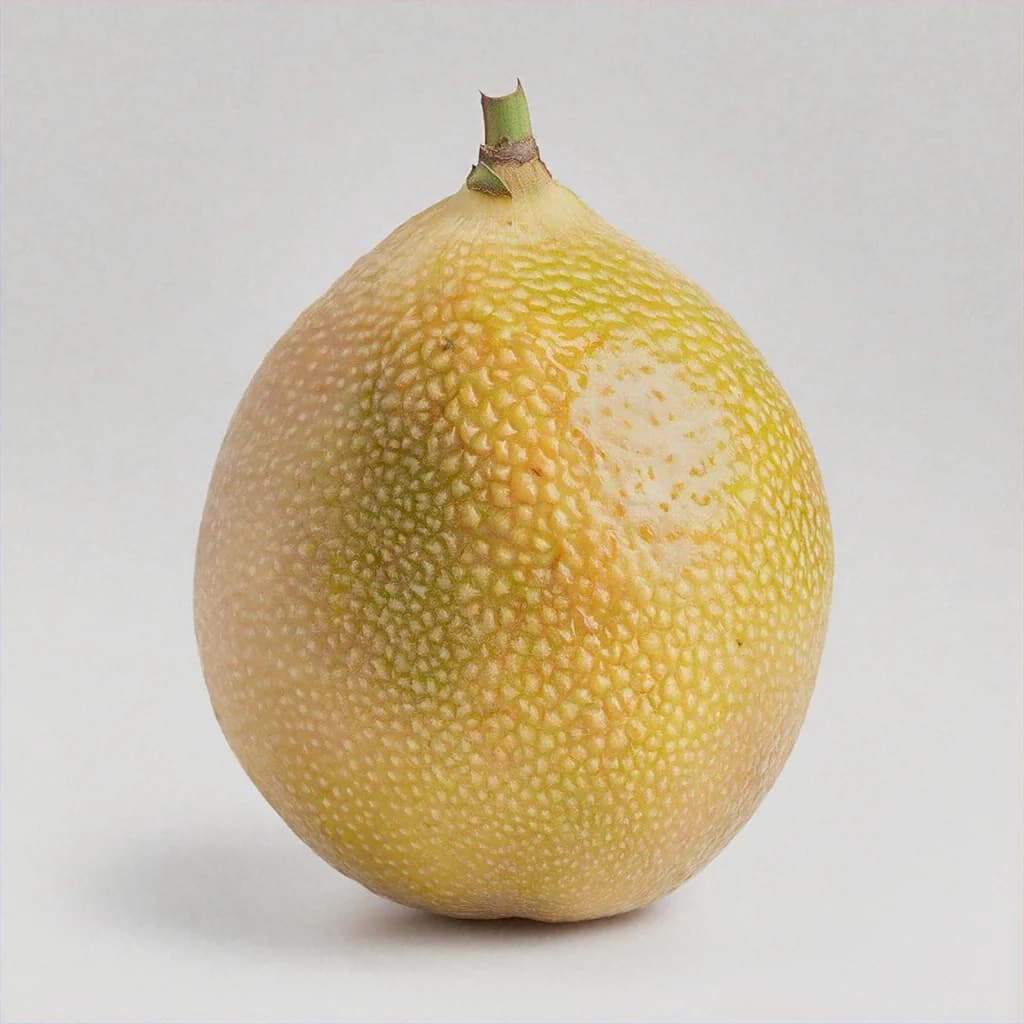
Mafai
Baccaurea ramiflora
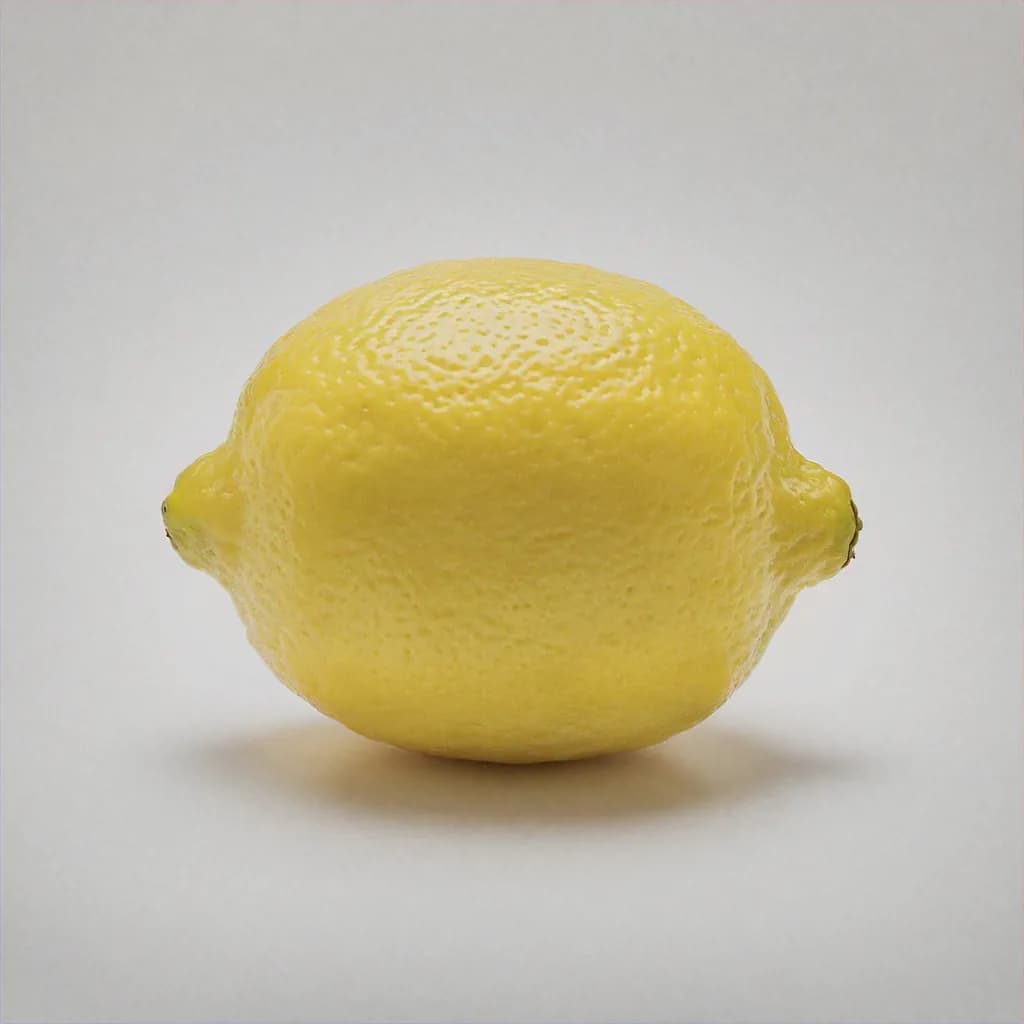
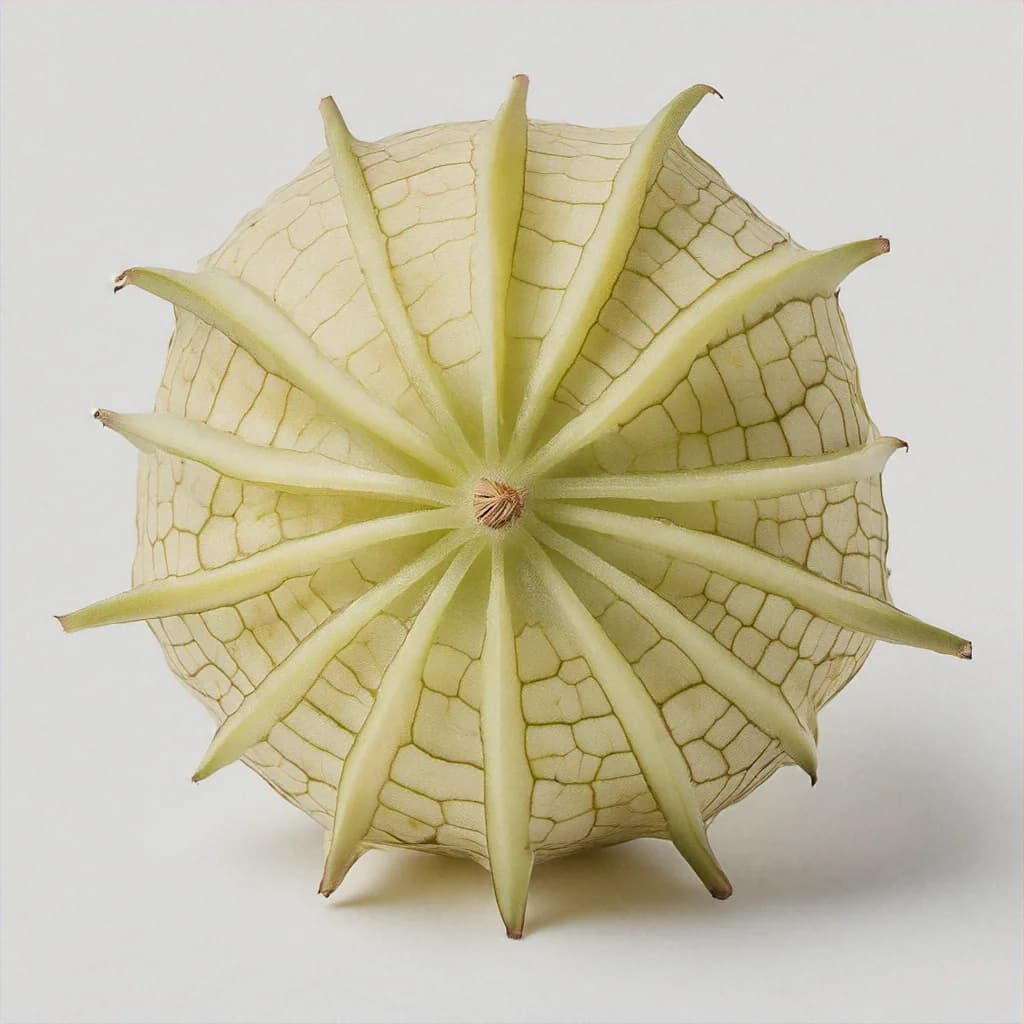
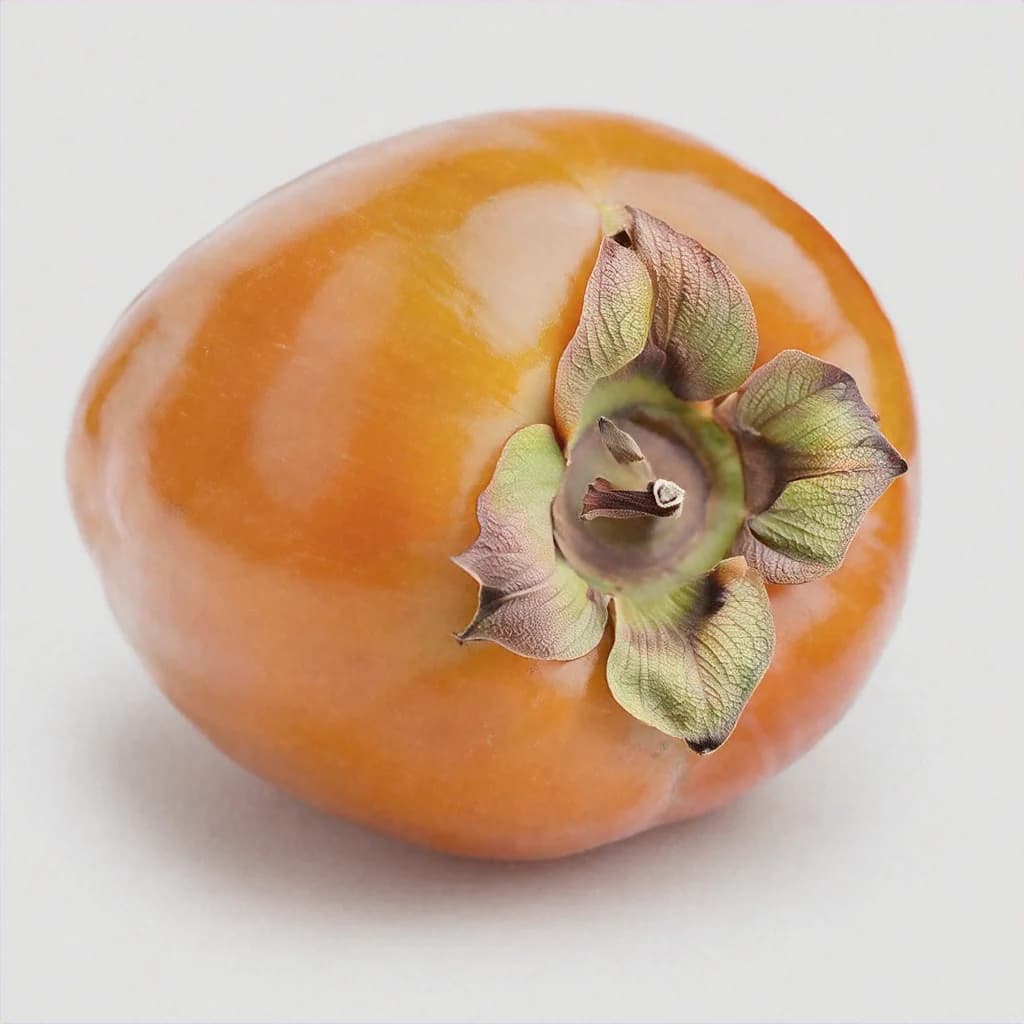
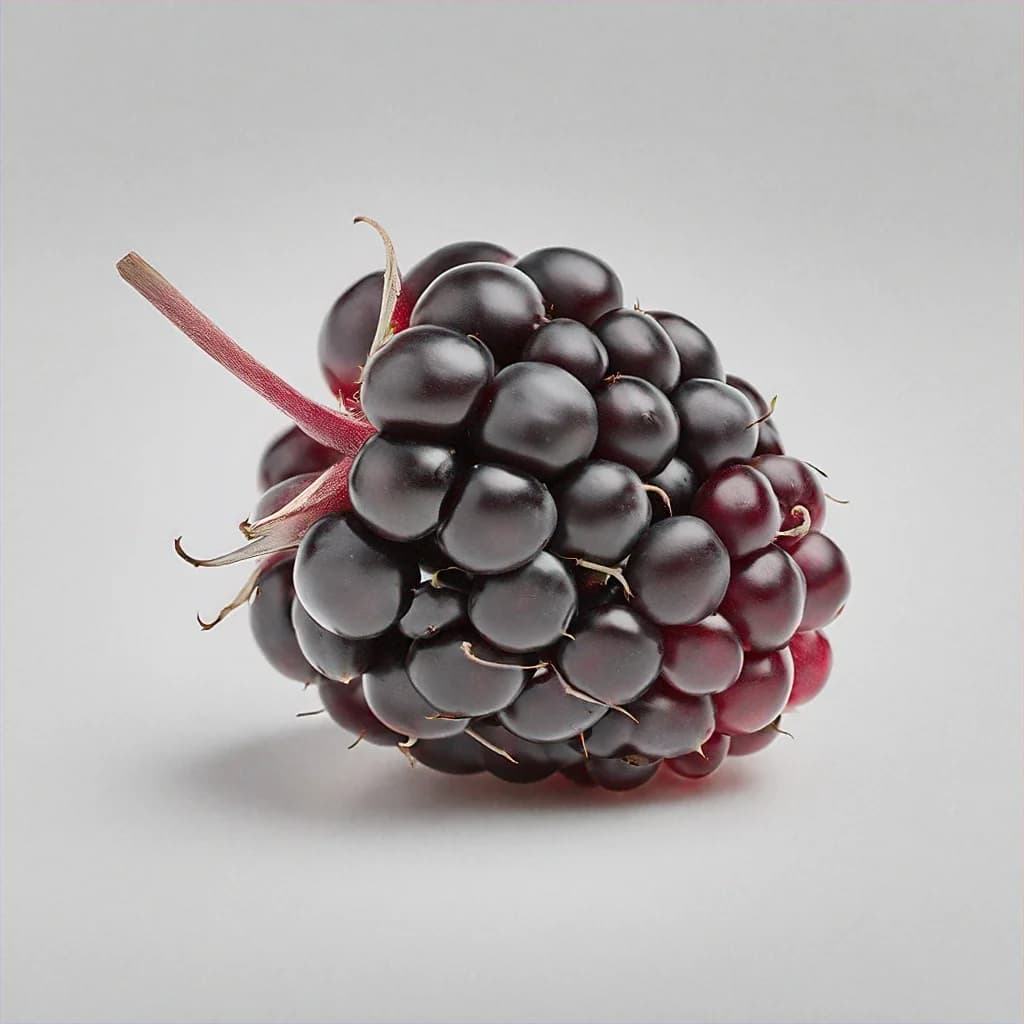
Mafai, scientifically known as Baccaurea ramiflora, is a tropical fruit native to Southeast Asia. It is a small, round fruit with a vibrant orange to reddish hue when ripe. The flesh is juicy, sweet, and slightly tangy, with a texture similar to a grape but with a hint of crunchiness from its tiny seeds. Mafai is often enjoyed fresh or used in traditional desserts, jams, and beverages. Rich in vitamins, minerals, and antioxidants, it offers numerous health benefits, including boosting immunity, aiding digestion, and promoting skin health. Its unique taste and nutritional profile make it a beloved fruit in its native regions and a growing favorite among global fruit enthusiasts.
Mafai फोटो गैलरी
Mafai को शानदार विवरण में देखें
Mafai - मुख्य दृश्य
Mafai पोषण तथ्य
💊विटामिन
प्रति 100 ग्राम
⚡खनिज
प्रति 100 ग्राम
प्रति सर्विंग
एक सर्विंग का पोषण विवरण
Mafai के स्वास्थ्य लाभ
Mafai उत्पत्ति और वितरण
Southeast Asia
Mafai has been cultivated in Southeast Asia for centuries, traditionally used for its medicinal properties and as a refreshing snack in tropical climates.
Mafai पीक सीज़न
Year-round in tropical regions, with peak availability during summer months.
Mafai किस्में
हर किस्म का स्वाद, बनावट और उपयोग अलग होता है
Mafai (Standard)
Mafai स्टोरेज और चयन गाइड
फलों को अधिक समय तक ताज़ा रखें
सही फल कैसे चुनें
Select fruits that are firm but slightly yield to gentle pressure.
Look for a vibrant orange or reddish hue, indicating ripeness.
सही स्टोरेज तरीके
Store at room temperature for up to 3 days.
Refrigerate for extended storage, up to 1 week.
शेल्फ लाइफ गाइड
फ्रीज़ करने के निर्देश
कई महीनों तक ताज़गी बनाए रखें
Freeze whole or sliced in airtight containers for up to 6 months.
Thaw before consuming for best texture.
प्रो टिप
ताज़गी ट्रैक करने के लिए जमे हुए आइटम पर तारीख लिखें। सही तरीके से फ्रीज़ करने पर अधिकांश फल 2-3 महीनों तक गुणवत्ता बनाए रखते हैं। फ्रीज़र बर्न से बचने के लिए एयरटाइट कंटेनर या फ्रीज़र बैग का उपयोग करें।
पाक यात्रा
स्वादिष्ट विकल्प खोजें
सामान्य उपयोग
परफेक्ट पेयरिंग
लोकप्रिय रेसिपी
ताज़ा पेय
सुरक्षा जानकारी
Mafai is generally safe, but individuals with fruit allergies should exercise caution.
Mafai is typically grown with minimal pesticide use due to its natural resistance to pests.
- • Individuals with known allergies to tropical fruits
- • Those with digestive sensitivities
- •Mild stomach discomfort in sensitive individuals
- •Potential allergic reactions in rare cases
- • Wash thoroughly before consuming to remove any residue.
- • Avoid consuming the seeds in large quantities.
रोचक तथ्य Mafai के बारे में
ऐसी बातें जो आपको पसंद आएंगी!
Mafai is often called the 'tropical grape' due to its similar texture and flavor.
In traditional medicine, Mafai is used to treat digestive issues and boost immunity.
अक्सर पूछे जाने वाले प्रश्न
What does Mafai fruit taste like?
GeneralMafai has a sweet and tangy flavor, similar to a grape but with a slight crunch from its seeds.
How do I select ripe Mafai fruit?
BuyingLook for fruits that are firm but yield slightly to pressure, with a vibrant orange or reddish color.
How long can I store Mafai fruit?
StorageMafai can be stored at room temperature for up to 3 days or refrigerated for up to 1 week.
Can I freeze Mafai fruit?
StorageYes, Mafai can be frozen whole or sliced in airtight containers for up to 6 months.
What are the health benefits of Mafai?
NutritionMafai is rich in Vitamin C, fiber, and antioxidants, which support immune function, digestive health, and overall well-being.
Is Mafai safe for people with allergies?
HealthMafai is generally safe, but individuals with fruit allergies should consult a healthcare provider before consuming.
How is Mafai traditionally used in Southeast Asia?
MiscellaneousMafai is traditionally eaten fresh, used in desserts, and incorporated into medicinal remedies.