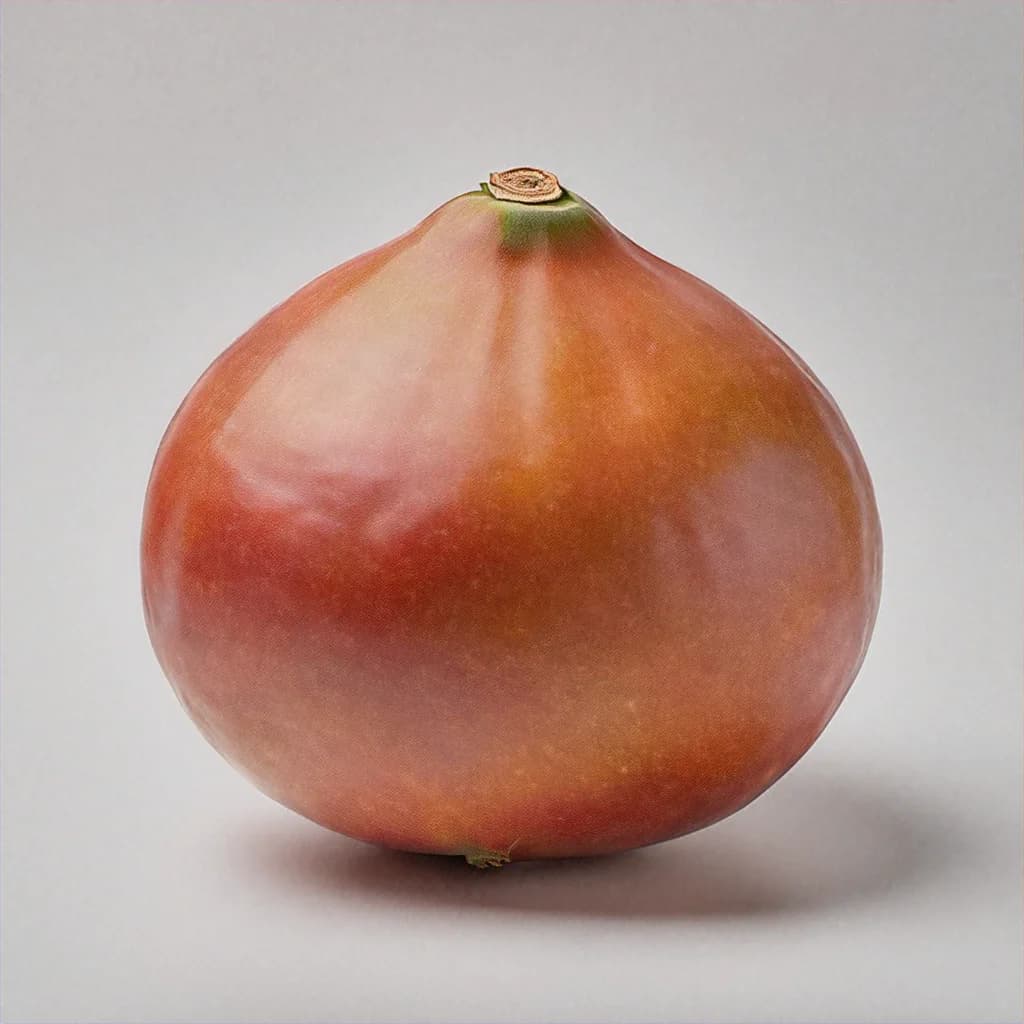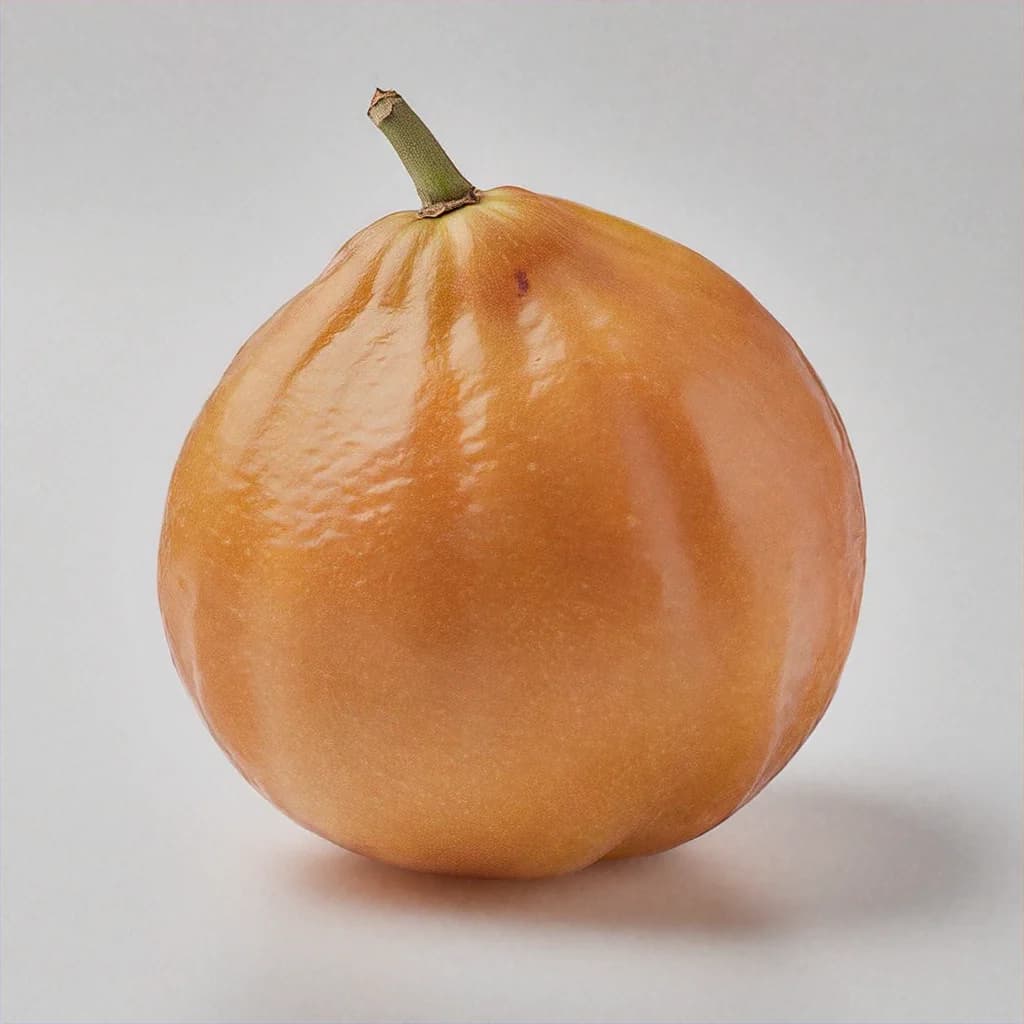
Kepel
Stelechocarpus burahol
Kepel, scientifically known as Stelechocarpus burahol, is a tropical fruit native to Southeast Asia, particularly Indonesia. This exotic fruit is prized for its distinctive aroma and flavor, often described as a blend of citrus, pineapple, and mango. The flesh is juicy, sweet, and slightly tangy, encased in a rough, brownish-green exterior. Kepel is not only a delight for the senses but also a nutritional powerhouse, packed with essential vitamins, minerals, and antioxidants. Its unique taste and aroma make it a sought-after ingredient in both traditional and modern cuisines, where it is used in desserts, beverages, and even savory dishes. Beyond its culinary appeal, kepel offers numerous health benefits, making it a valuable addition to a balanced diet.
Kepel फोटो गैलरी
Kepel को शानदार विवरण में देखें
Kepel - मुख्य दृश्य
Kepel पोषण तथ्य
💊विटामिन
प्रति 100 ग्राम
⚡खनिज
प्रति 100 ग्राम
प्रति सर्विंग
एक सर्विंग का पोषण विवरण
Kepel के स्वास्थ्य लाभ
Kepel उत्पत्ति और वितरण
Southeast Asia
Kepel has been cultivated in Southeast Asia for centuries, valued for its unique flavor and medicinal properties. It remains an important cultural and culinary fruit in the region.
Kepel पीक सीज़न
Year-round with peak seasons varying by region
Kepel किस्में
हर किस्म का स्वाद, बनावट और उपयोग अलग होता है
Burahol
Kepel स्टोरेज और चयन गाइड
फलों को अधिक समय तक ताज़ा रखें
सही फल कैसे चुनें
Look for firm, unblemished fruits with a strong aroma.
Avoid fruits with soft spots or mold.
सही स्टोरेज तरीके
Store at room temperature for up to 3 days.
Refrigerate for extended storage, up to 1 week.
शेल्फ लाइफ गाइड
फ्रीज़ करने के निर्देश
कई महीनों तक ताज़गी बनाए रखें
Freeze peeled and sliced kepel in an airtight container for up to 3 months.
Use frozen kepel in smoothies or desserts.
प्रो टिप
ताज़गी ट्रैक करने के लिए जमे हुए आइटम पर तारीख लिखें। सही तरीके से फ्रीज़ करने पर अधिकांश फल 2-3 महीनों तक गुणवत्ता बनाए रखते हैं। फ्रीज़र बर्न से बचने के लिए एयरटाइट कंटेनर या फ्रीज़र बैग का उपयोग करें।
पाक यात्रा
स्वादिष्ट विकल्प खोजें
सामान्य उपयोग
परफेक्ट पेयरिंग
लोकप्रिय रेसिपी
ताज़ा पेय
सुरक्षा जानकारी
Individuals with allergies to tropical fruits should consume kepel with caution.
Kepel is generally low in pesticide residues due to its thick, protective rind.
- • People with tropical fruit allergies
- • Those with latex allergies
- •Possible allergic reactions in sensitive individuals
- • Wash the fruit thoroughly before cutting.
- • Use a sharp knife to cut through the tough exterior.
रोचक तथ्य Kepel के बारे में
ऐसी बातें जो आपको पसंद आएंगी!
Kepel is often referred to as the 'forgotten fruit' due to its limited availability outside Southeast Asia.
The strong aroma of kepel makes it a popular ingredient in perfumes and fragrances.
अक्सर पूछे जाने वाले प्रश्न
What does kepel taste like?
GeneralKepel has a unique flavor profile that combines sweet, tangy, and slightly citrus notes.
How do I know if a kepel is ripe?
BuyingA ripe kepel will have a strong aroma and yield slightly to gentle pressure.
Can I freeze kepel?
StorageYes, kepel can be frozen for up to 3 months. Peel and slice the fruit before freezing.
What are some popular culinary uses for kepel?
CulinaryKepel is commonly used in juices, smoothies, desserts, and savory dishes like salads and salsas.
Is kepel high in sugar?
NutritionKepel contains natural sugars, but it is also rich in fiber, which helps balance its glycemic impact.
Are there any health risks associated with eating kepel?
HealthKepel is generally safe for consumption, but individuals with allergies to tropical fruits should exercise caution.
Can kepel be used in traditional medicine?
MiscellaneousKepel has been used in traditional Southeast Asian medicine for its antioxidant and anti-inflammatory properties.