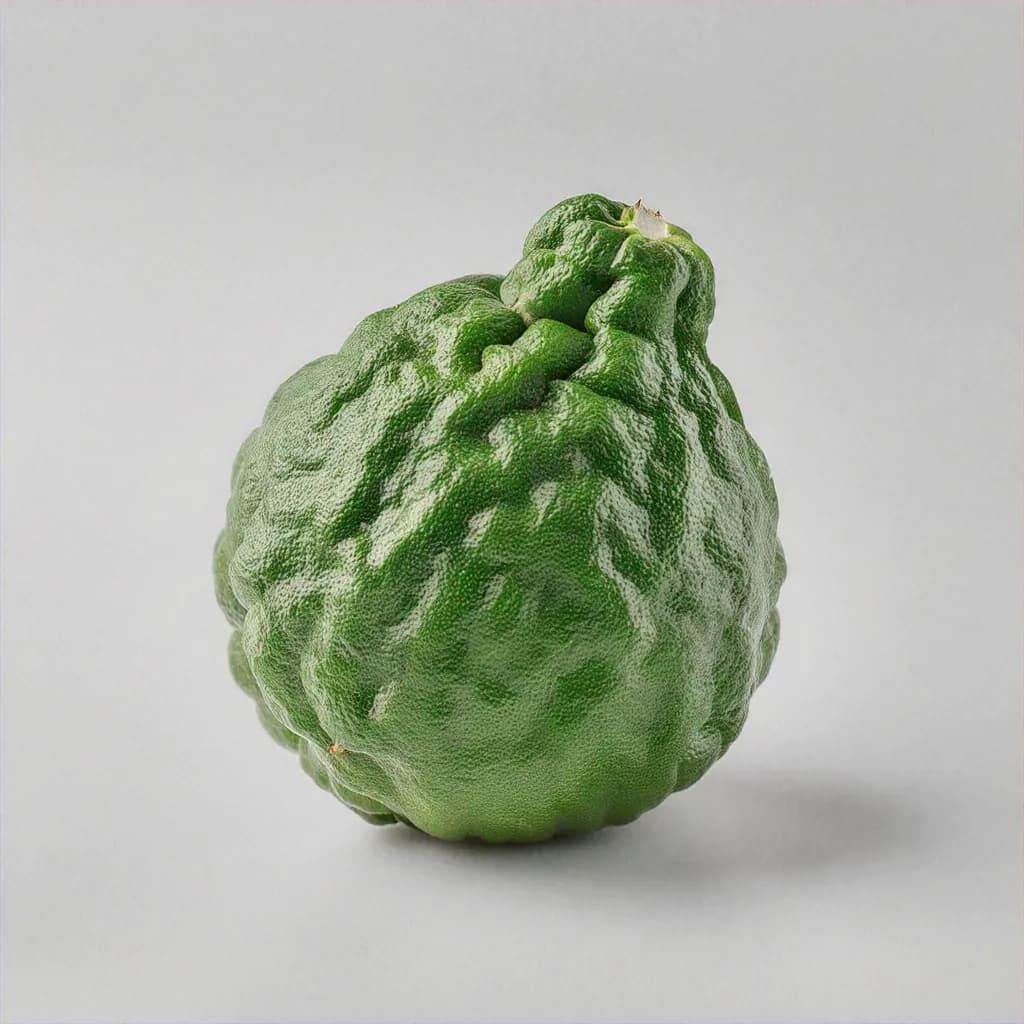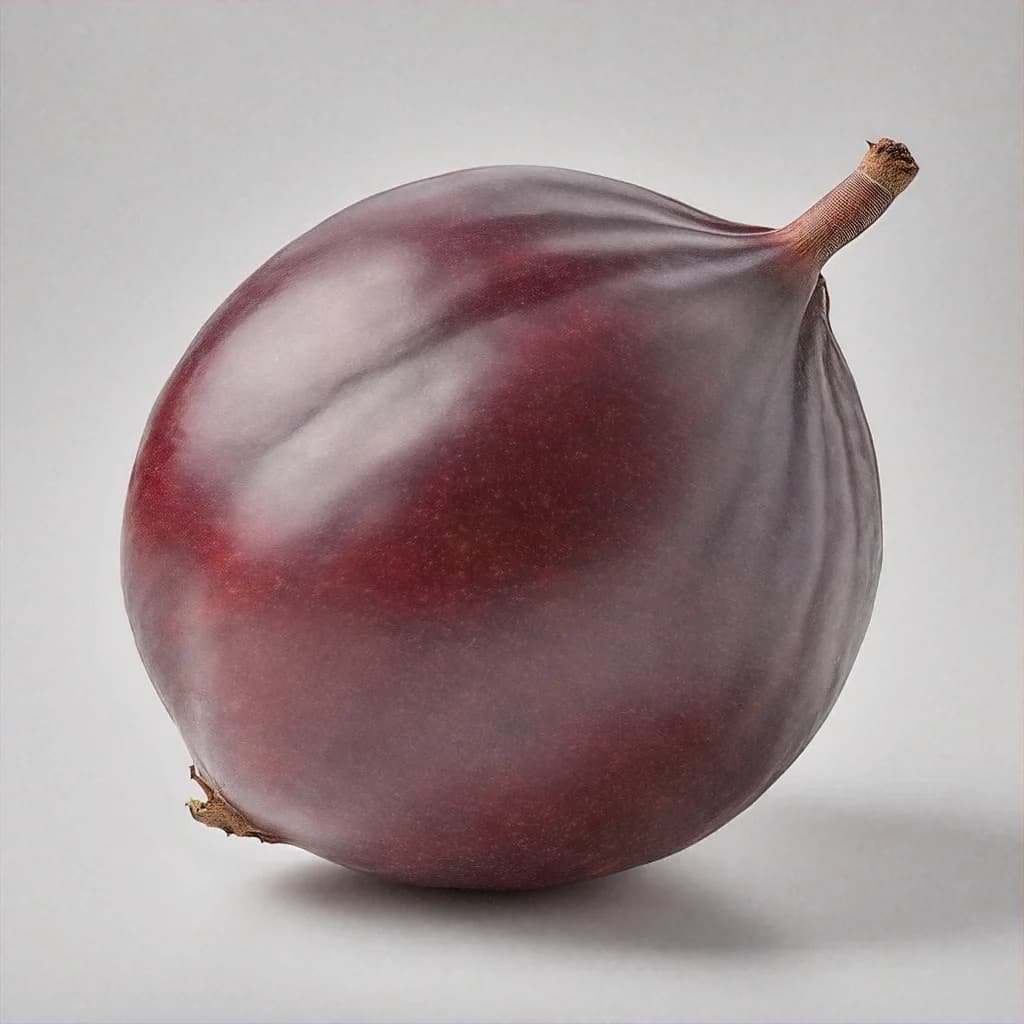
Kelubi
Eleiodoxa conferta
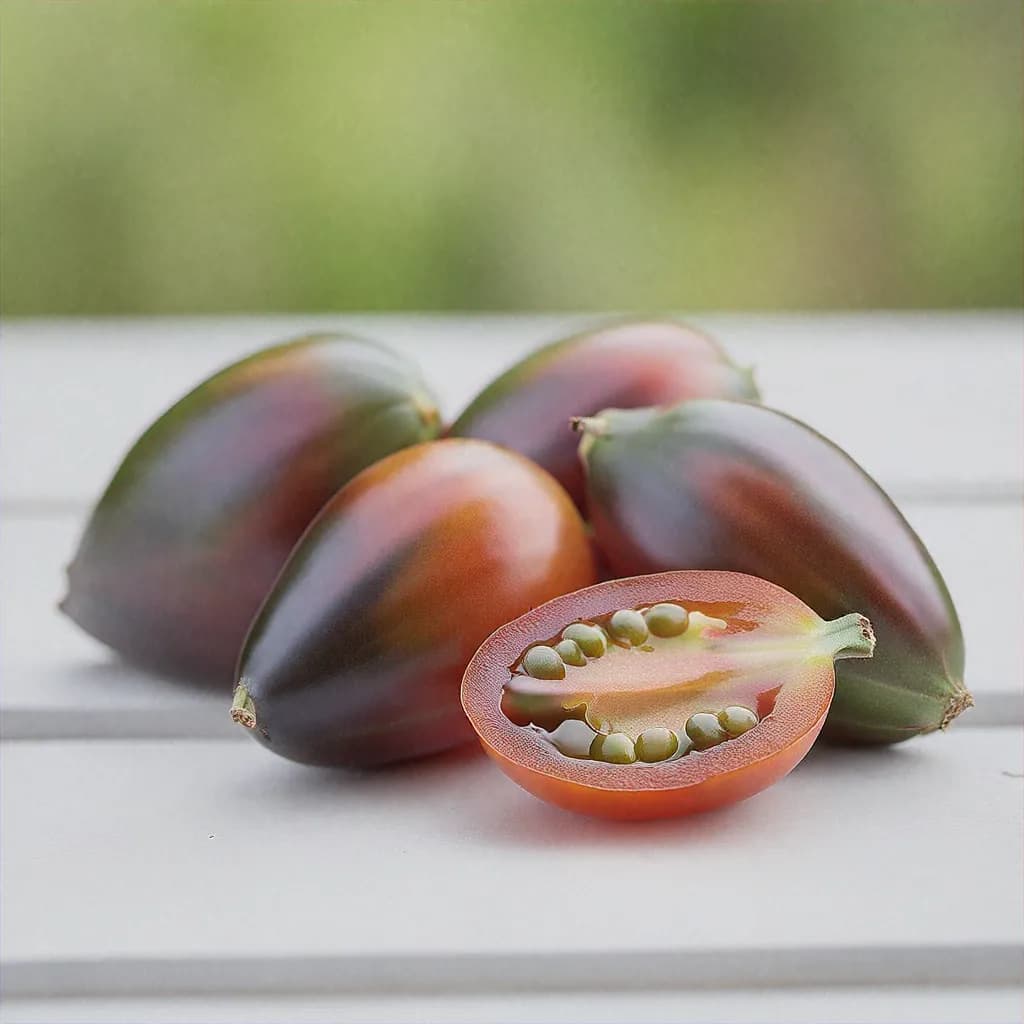
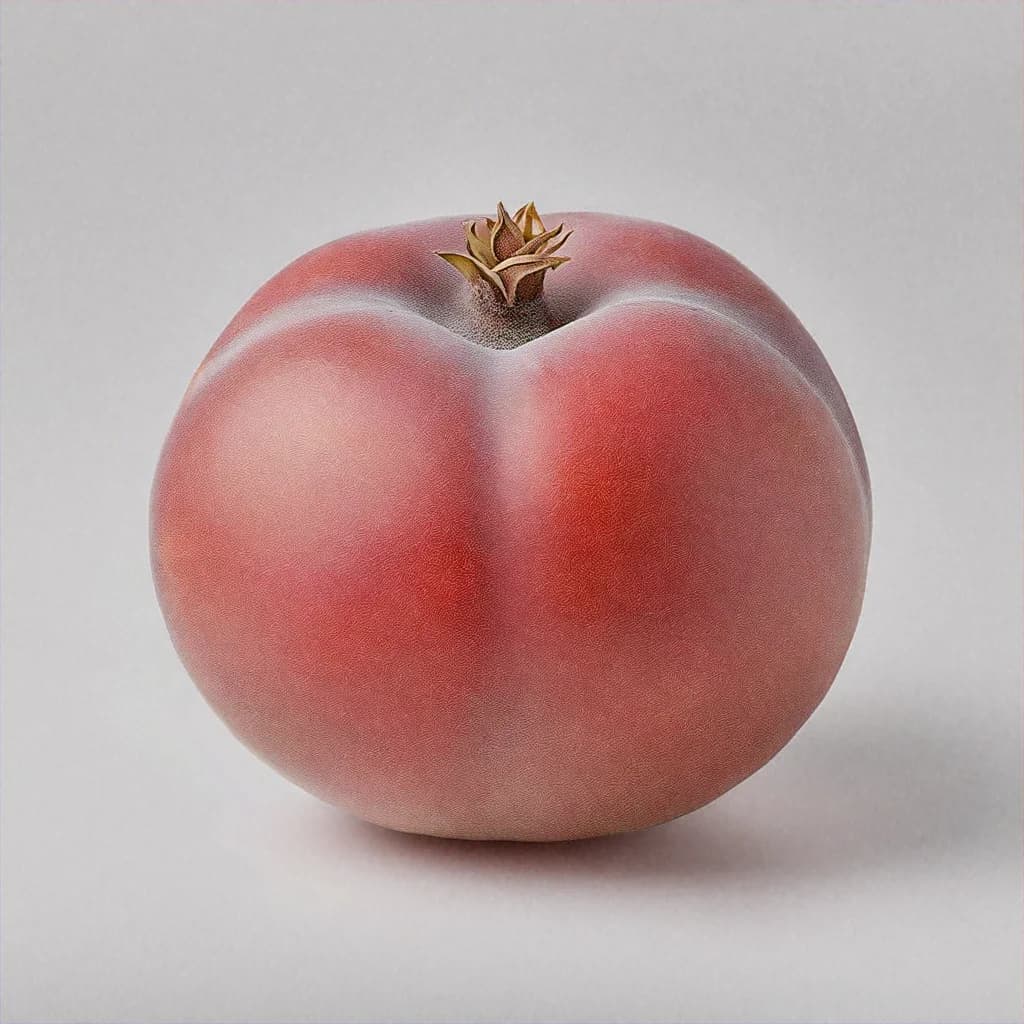
Kelubi, scientifically known as Eleiodoxa conferta, is a tropical fruit native to Southeast Asia, particularly in regions such as Malaysia and Indonesia. This exotic fruit is characterized by its vibrant yellow to orange skin and juicy, sweet flesh that is often compared to a blend of mango and pineapple. Kelubi is rich in vitamins, minerals, and antioxidants, making it a nutritional powerhouse. Its versatile culinary applications range from being eaten fresh to being incorporated into desserts, smoothies, and traditional dishes. The fruit's unique flavor profile and high nutritional value make it a sought-after delicacy in both local and international markets.
Kelubi फोटो गैलरी
Kelubi को शानदार विवरण में देखें
Kelubi - मुख्य दृश्य
Kelubi पोषण तथ्य
💊विटामिन
प्रति 100 ग्राम
⚡खनिज
प्रति 100 ग्राम
प्रति सर्विंग
एक सर्विंग का पोषण विवरण
Kelubi के स्वास्थ्य लाभ
Kelubi उत्पत्ति और वितरण
Southeast Asia
Kelubi has been cultivated for centuries in Southeast Asia, valued for its unique taste and nutritional benefits. It has recently gained attention in global markets due to its exotic appeal and health properties.
Kelubi पीक सीज़न
Typically available from May to August
Kelubi किस्में
हर किस्म का स्वाद, बनावट और उपयोग अलग होता है
Golden Kelubi
Red Kelubi
Kelubi स्टोरेज और चयन गाइड
फलों को अधिक समय तक ताज़ा रखें
सही फल कैसे चुनें
Select fruits with bright, unblemished skin.
Choose fruits that are slightly soft to the touch but not mushy.
सही स्टोरेज तरीके
Store at room temperature for up to 3 days.
Refrigerate for extended shelf life up to 1 week.
शेल्फ लाइफ गाइड
फ्रीज़ करने के निर्देश
कई महीनों तक ताज़गी बनाए रखें
Freeze peeled and sliced fruit in airtight containers.
Use frozen Kelubi within 3 months for best quality.
प्रो टिप
ताज़गी ट्रैक करने के लिए जमे हुए आइटम पर तारीख लिखें। सही तरीके से फ्रीज़ करने पर अधिकांश फल 2-3 महीनों तक गुणवत्ता बनाए रखते हैं। फ्रीज़र बर्न से बचने के लिए एयरटाइट कंटेनर या फ्रीज़र बैग का उपयोग करें।
पाक यात्रा
स्वादिष्ट विकल्प खोजें
सामान्य उपयोग
परफेक्ट पेयरिंग
लोकप्रिय रेसिपी
ताज़ा पेय
सुरक्षा जानकारी
Kelubi is generally safe, but individuals with latex-fruit syndrome may experience allergic reactions.
Kelubi is typically grown with minimal pesticide use, but it is recommended to wash the fruit thoroughly before consumption.
- • Individuals with latex-fruit syndrome
- • People with known allergies to tropical fruits
- •Possible allergic reactions in sensitive individuals
- •Mild digestive discomfort if consumed in excess
- • Wash the fruit thoroughly before eating.
- • Use a sharp knife to peel and slice the fruit.
रोचक तथ्य Kelubi के बारे में
ऐसी बातें जो आपको पसंद आएंगी!
Kelubi is often referred to as the 'golden fruit' due to its vibrant color.
In traditional Southeast Asian medicine, Kelubi is believed to have cooling properties and is used to treat fevers.
अक्सर पूछे जाने वाले प्रश्न
What does Kelubi taste like?
GeneralKelubi has a sweet, tropical flavor with hints of mango and pineapple.
How do I know if a Kelubi is ripe?
BuyingA ripe Kelubi will have bright, unblemished skin and be slightly soft to the touch.
Can I freeze Kelubi?
StorageYes, you can freeze peeled and sliced Kelubi in airtight containers for up to 3 months.
What are some popular ways to use Kelubi in cooking?
CulinaryKelubi can be eaten fresh, used in fruit salads, desserts, smoothies, and juices.
Is Kelubi high in sugar?
NutritionKelubi has a moderate sugar content of 12g per 100g, making it a balanced choice for a sweet treat.
Does Kelubi have any known allergens?
HealthKelubi is generally considered safe for most people, but individuals with latex-fruit syndrome may experience allergic reactions.
Is Kelubi environmentally sustainable?
MiscellaneousKelubi cultivation is relatively sustainable, with minimal water usage and a low carbon footprint.
.webp&w=3840&q=75)