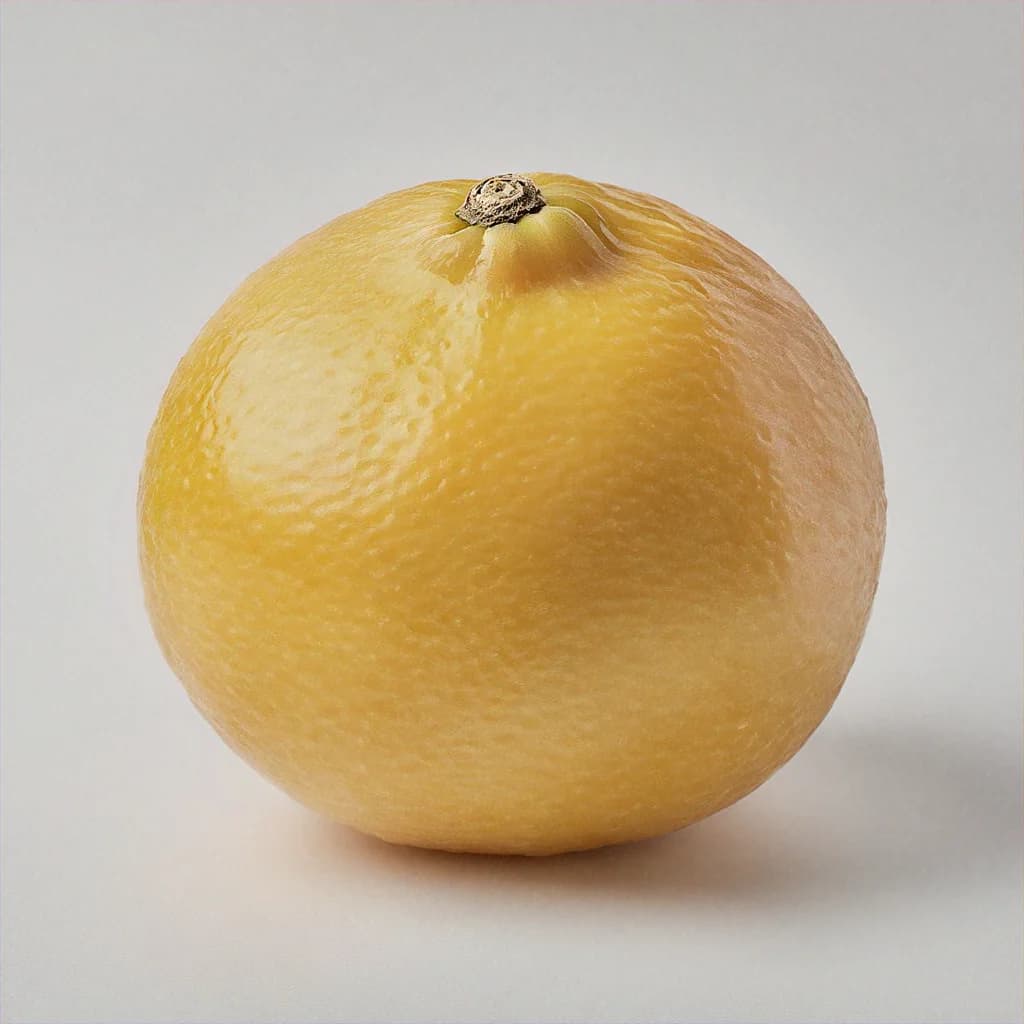
Imbu
Spondias tuberosa
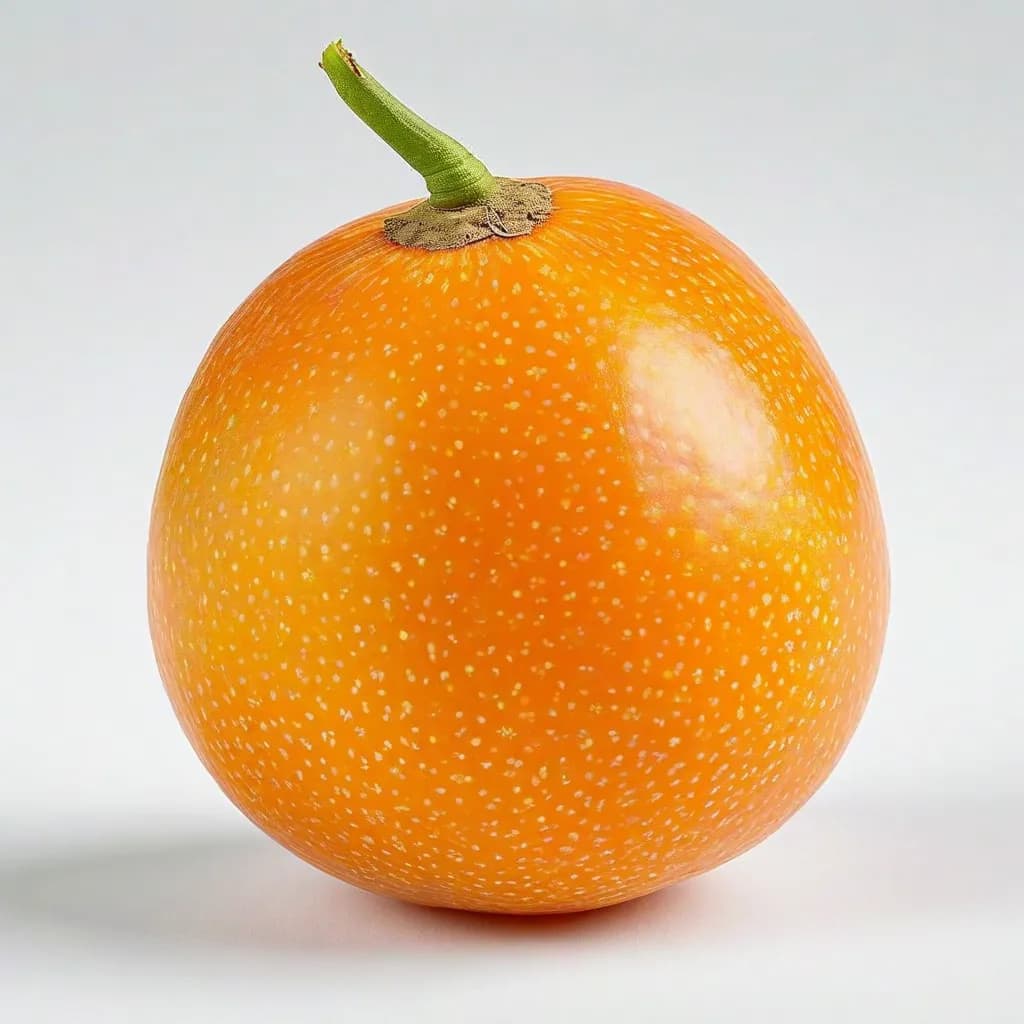
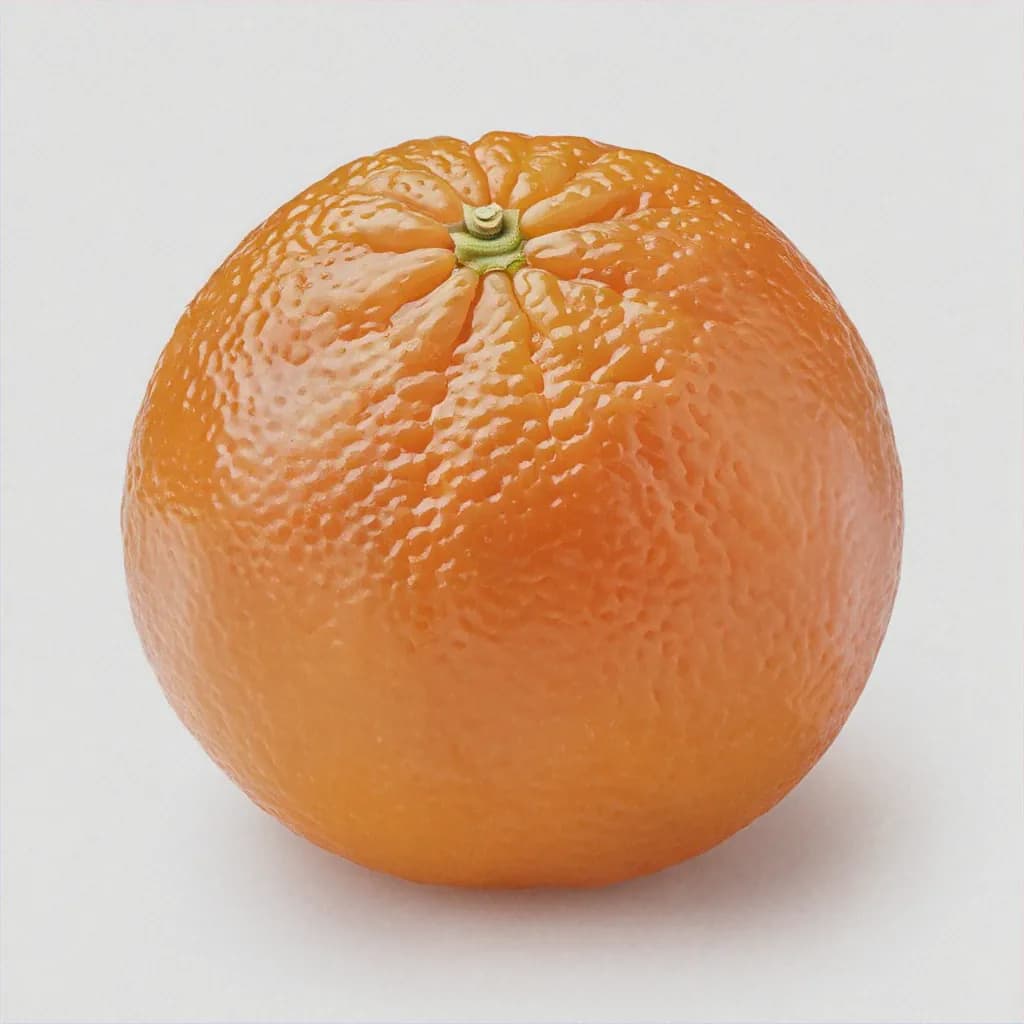
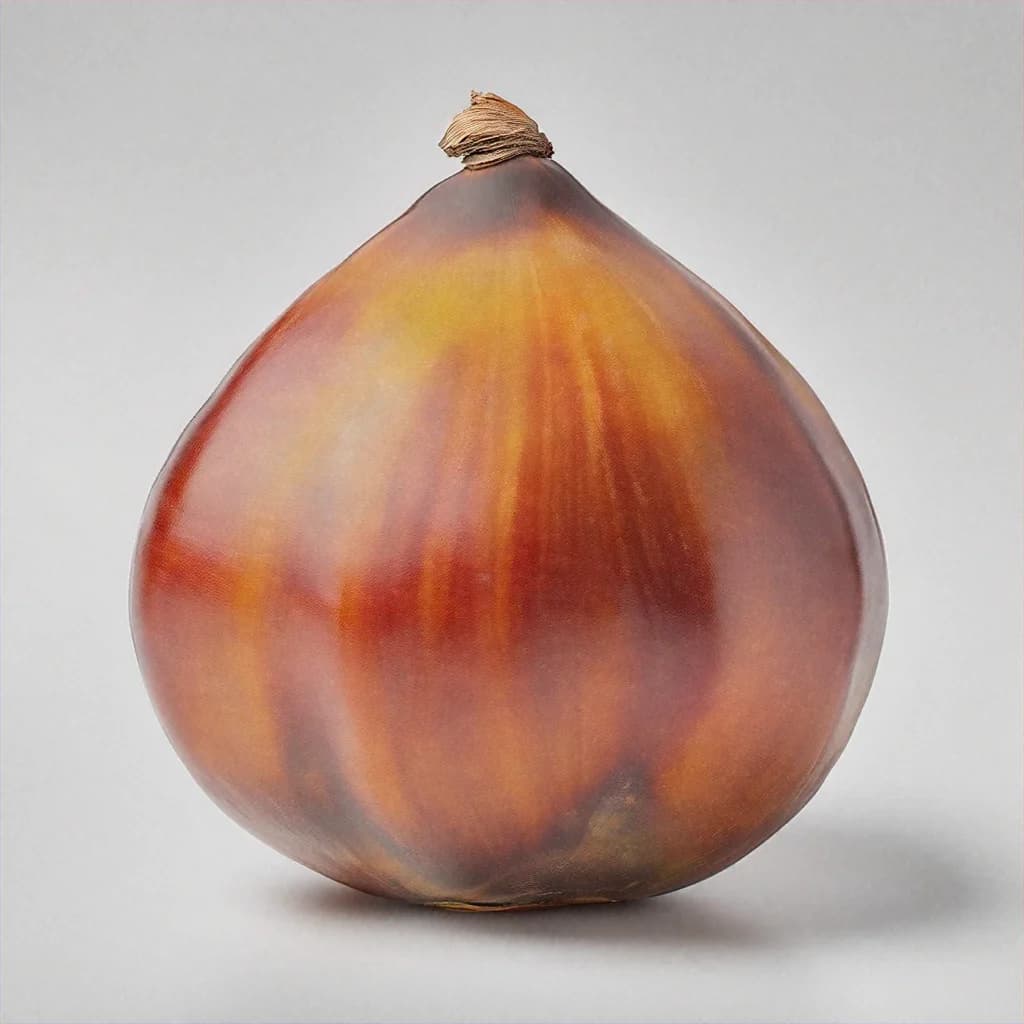
Imbu, scientifically known as Spondias tuberosa, is a tropical fruit native to the semi-arid regions of South America, particularly Brazil. This small, round fruit boasts a thin, yellow-orange skin and a juicy, tangy pulp that is both sweet and slightly acidic. Imbu is highly valued for its refreshing taste and versatile culinary applications. Rich in vitamins, minerals, and antioxidants, it is not only a delightful treat but also a nutritional powerhouse. Its unique flavor profile makes it a favorite ingredient in jams, desserts, and beverages, while its health benefits have earned it a place in traditional medicine.
Imbu फोटो गैलरी
Imbu को शानदार विवरण में देखें
Imbu - मुख्य दृश्य
Imbu पोषण तथ्य
💊विटामिन
प्रति 100 ग्राम
⚡खनिज
प्रति 100 ग्राम
प्रति सर्विंग
एक सर्विंग का पोषण विवरण
Imbu के स्वास्थ्य लाभ
Imbu उत्पत्ति और वितरण
Semi-arid regions of South America
Imbu has been cultivated for centuries in Brazil, where it is prized for its resilience in dry climates and its nutritional value. It has played a significant role in traditional diets and cultural practices in the region.
Imbu पीक सीज़न
Primarily available from December to March
Imbu किस्में
हर किस्म का स्वाद, बनावट और उपयोग अलग होता है
Imbu Amarelo
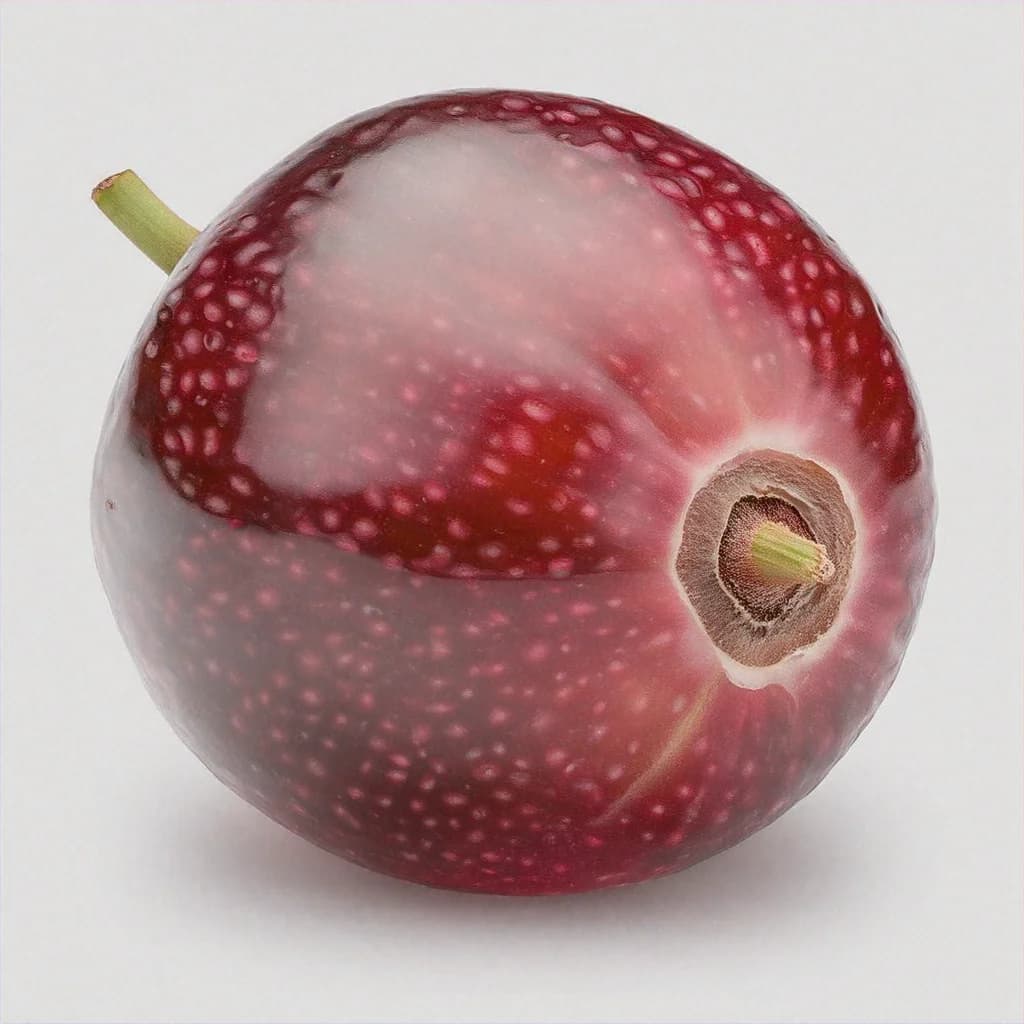
Imbu Vermelho
Imbu स्टोरेज और चयन गाइड
फलों को अधिक समय तक ताज़ा रखें
सही फल कैसे चुनें
Select fruits with firm, unblemished skin.
Look for a vibrant yellow-orange color, indicating ripeness.
सही स्टोरेज तरीके
Store at room temperature for up to 3 days.
Refrigerate to extend shelf life to 1 week.
शेल्फ लाइफ गाइड
फ्रीज़ करने के निर्देश
कई महीनों तक ताज़गी बनाए रखें
Freeze the pulp in airtight containers for up to 6 months.
Use frozen imbu in smoothies or desserts.
प्रो टिप
ताज़गी ट्रैक करने के लिए जमे हुए आइटम पर तारीख लिखें। सही तरीके से फ्रीज़ करने पर अधिकांश फल 2-3 महीनों तक गुणवत्ता बनाए रखते हैं। फ्रीज़र बर्न से बचने के लिए एयरटाइट कंटेनर या फ्रीज़र बैग का उपयोग करें।
पाक यात्रा
स्वादिष्ट विकल्प खोजें
सामान्य उपयोग
परफेक्ट पेयरिंग
लोकप्रिय रेसिपी
ताज़ा पेय
सुरक्षा जानकारी
Individuals with allergies to related fruits like mango or cashew may experience reactions to Imbu.
Imbu is generally low in pesticide residues due to its resilience in natural environments.
- • Individuals with known allergies to Anacardiaceae family fruits.
- • Those with severe digestive issues may need to limit consumption.
- •Mild stomach discomfort in sensitive individuals.
- •Possible allergic reactions in predisposed individuals.
- • Wash thoroughly before consuming.
- • Avoid eating the seeds, as they can be bitter and indigestible.
रोचक तथ्य Imbu के बारे में
ऐसी बातें जो आपको पसंद आएंगी!
Imbu is often referred to as the 'Brazilian plum' due to its similar taste profile.
The fruit is celebrated in Brazilian festivals and cultural events.
अक्सर पूछे जाने वाले प्रश्न
What does Imbu taste like?
GeneralImbu has a sweet and tangy flavor, similar to a cross between an apricot and a plum.
How do I know if an Imbu is ripe?
BuyingA ripe Imbu will have a vibrant yellow-orange color and give slightly when gently squeezed.
Can Imbu be frozen?
StorageYes, Imbu pulp can be frozen in airtight containers for up to 6 months.
What are some popular culinary uses for Imbu?
CulinaryImbu is commonly used in jams, desserts, and beverages due to its unique flavor.
Is Imbu high in sugar?
NutritionImbu contains natural sugars but is relatively low in calories, making it a healthier option.
Are there any health risks associated with eating Imbu?
HealthImbu is generally safe, but individuals with allergies to related fruits should exercise caution.
Where is Imbu most commonly found?
MiscellaneousImbu is native to South America, particularly Brazil, but can also be found in Colombia and Peru.