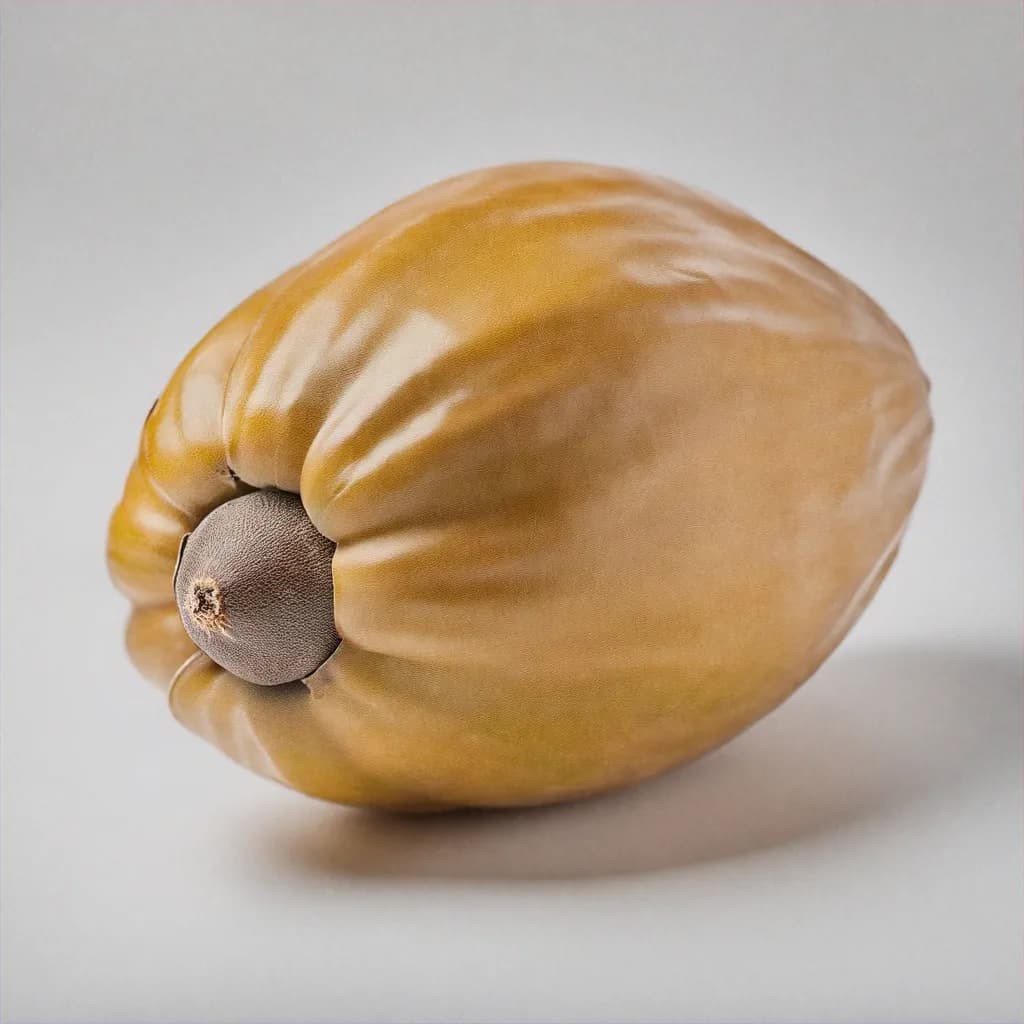
बबाको
Vasconcellea heilbornii
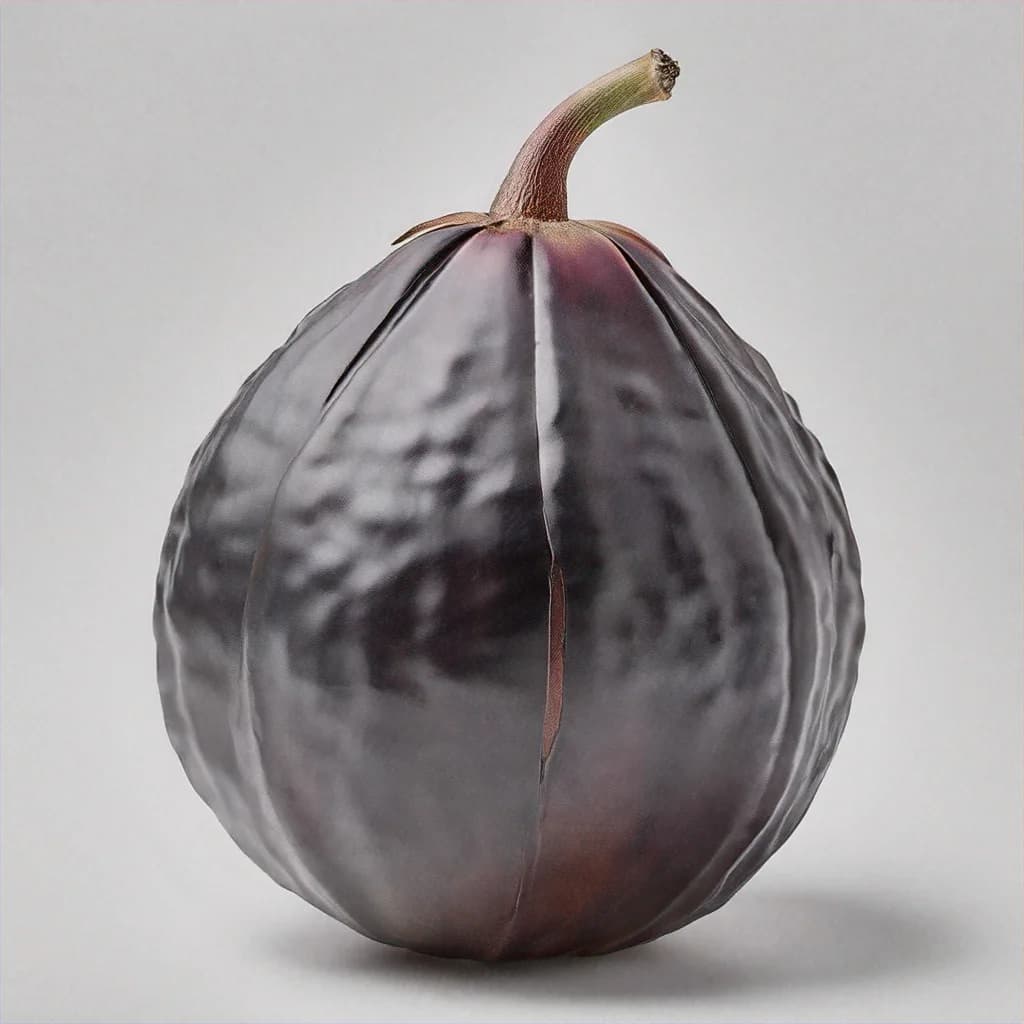
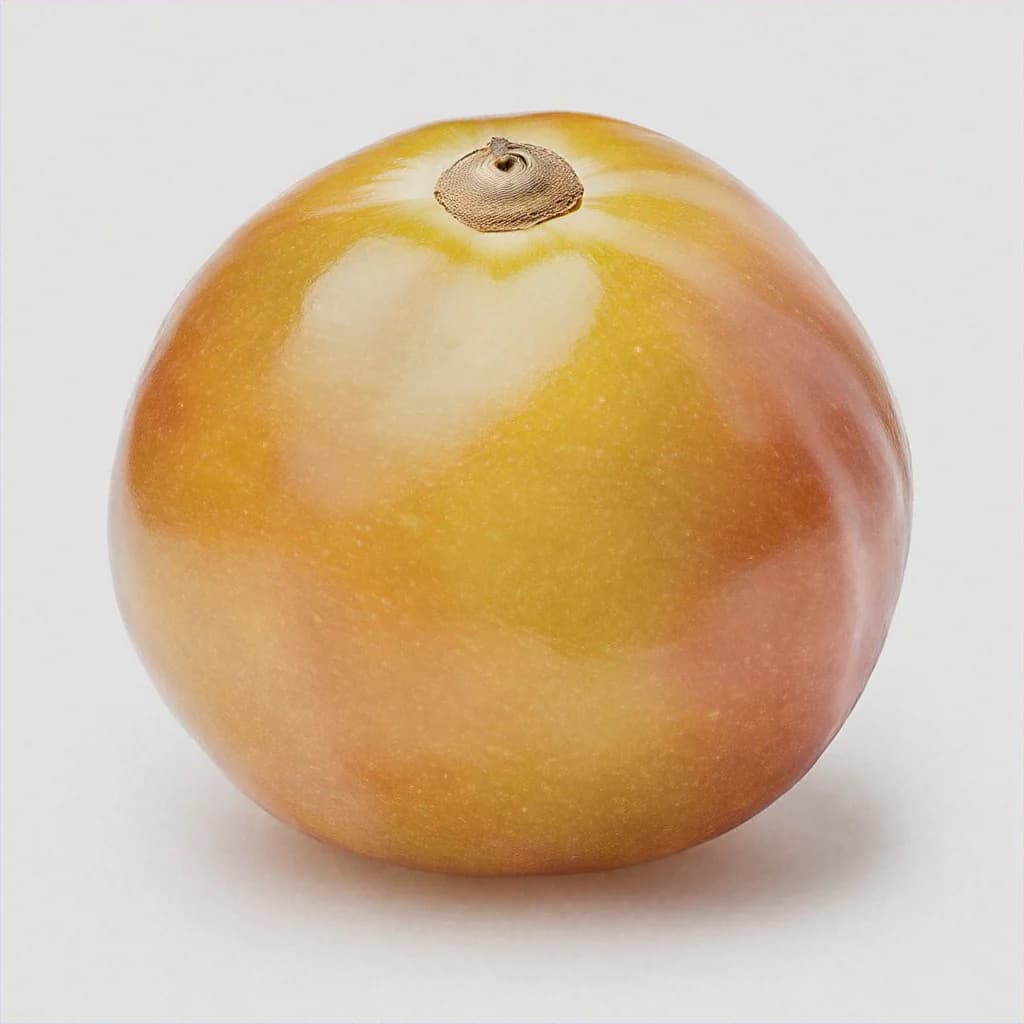
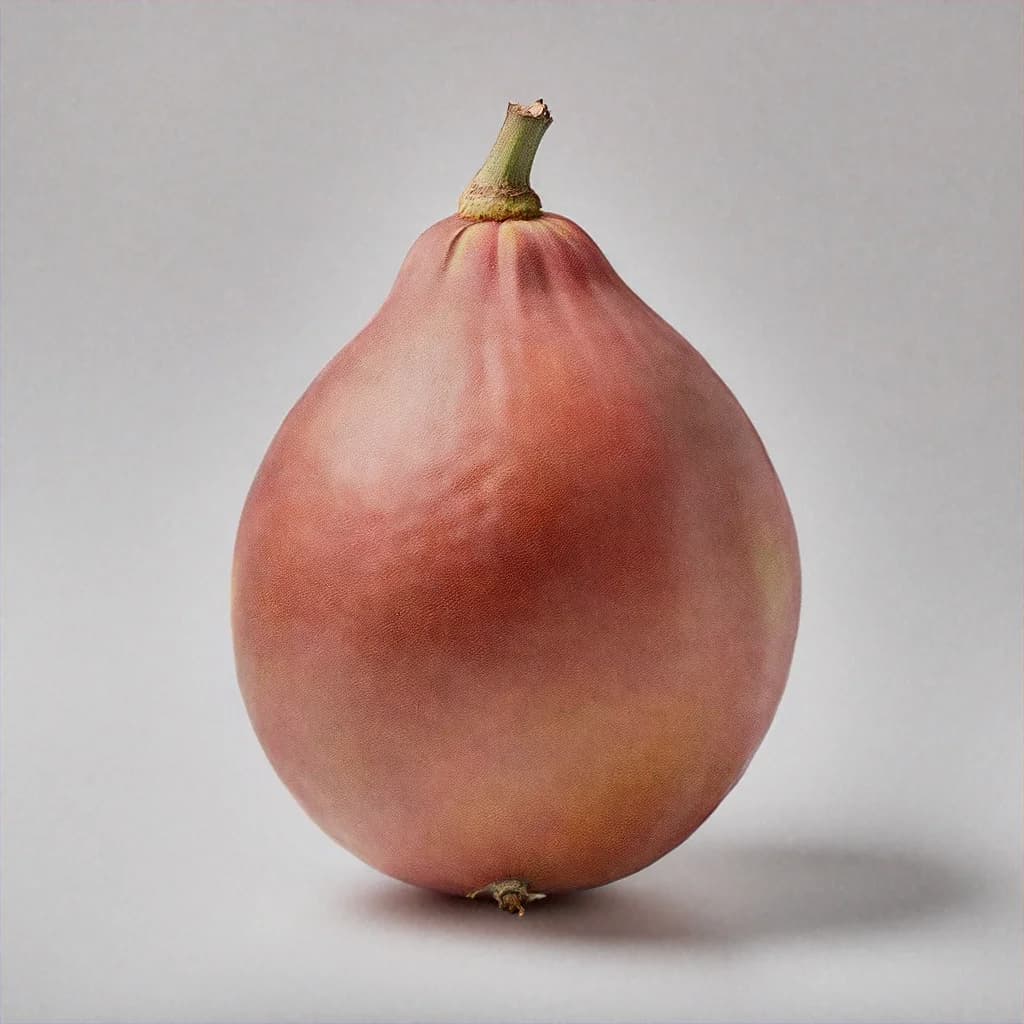
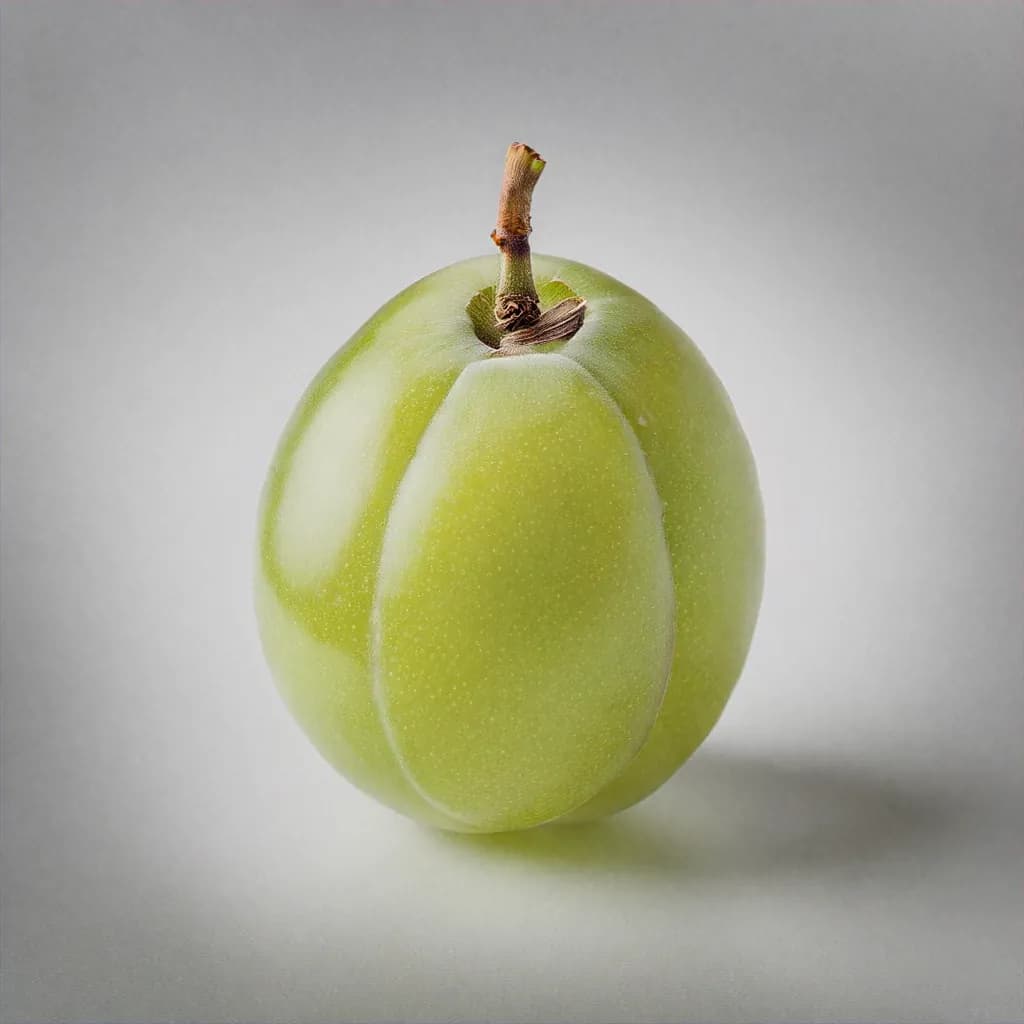
बबाको (वैज्ञानिक नाम: Vasconcellea heilbornii) दक्षिण अमेरिका के एंडीन क्षेत्र का एक उष्णकटिबंधीय फल है, जो अनानास, पपीता और स्ट्रॉबेरी जैसे मिश्रित मीठे-खट्टे स्वाद के लिए प्रसिद्ध है। यह बीजरहित, पंचकोणीय आकृति का फल सुनहरे-पीली, पतली और खाने योग्य छाल से ढंका होता है, जिसके अंदर नम, हल्के पीले से लेकर गुलाबी-पीले रंग का जूसी और हल्का जेली जैसा मांस होता है। पपीता के करीबी संबंधी के विपरीत, बबाको पूरी तरह बीजरहित होता है, जिससे इसे पकाने और खाने में आसानी होती है। इसकी सुगंध हल्की फूलों जैसी होती है, जिसमें नींबू जैसी छायाएं होती हैं। इसका स्वाद खट्टापन और मीठापन का संतुलित मिश्रण होता है, जिससे यह कच्चे या पके हुए दोनों प्रकार के व्यंजनों में उपयोगी होता है। विटामिन सी, रेशा और बीटा-कैरोटीन व पॉलीफेनॉल्स जैसे एंटीऑक्सीडेंट्स से भरपूर, बबाको न केवल एक स्वादिष्ट खाद्य पदार्थ है बल्कि पोषण में भी शक्तिशाली है, जो प्रतिरक्षा प्रणाली, पाचन स्वास्थ्य और त्वचा की चमक को बढ़ावा देता है। यह मुख्य रूप से इक्वाडोर, न्यूजीलैंड और ऑस्ट्रेलिया में उगाया जाता है और इसे ताजा खाया जाता है, स्मूथी में मिलाया जाता है या मिठाई, सलाद और नमकीन व्यंजनों में उष्णकटिबंधीय स्वाद देने के लिए शामिल किया जाता है।
बबाको फोटो गैलरी
बबाको को शानदार विवरण में देखें
बबाको - मुख्य दृश्य
बबाको पोषण तथ्य
💊विटामिन
प्रति 100 ग्राम
⚡खनिज
प्रति 100 ग्राम
प्रति सर्विंग
एक सर्विंग का पोषण विवरण
बबाको के स्वास्थ्य लाभ
बबाको उत्पत्ति और वितरण
इक्वाडोर और दक्षिणी कोलंबिया के एंडीन पर्वतीय क्षेत्र
बबाको का उत्पत्ति स्थल इक्वाडोर और कोलंबिया के एंडीन क्षेत्र माना जाता है, जहाँ यह सदियों पहले से आदिवासी समुदायों द्वारा उगाया जाता रहा है। 20वीं सदी में न्यूजीलैंड और ऑस्ट्रेलिया ने इसके व्यावसायिक उत्पादन में शुरुआत की, जहाँ यह उपोष्णकटिबंधीय जलवायु में अच्छी तरह उगता है। 1980 के दशक में यह यूरोप और मध्य पूर्व में पहुँचा, जहाँ यह एक विशिष्ट विदेशी फल के रूप में लोकप्रिय हुआ। आज भी इक्वाडोर इसका सबसे बड़ा उत्पादक है और इसे उत्तरी अमेरिका, यूरोप और एशिया के बाजारों में निर्यात किया जाता है। इसकी बीजरहित प्रकृति और व्यापक राज्य उपयोगिता के कारण यह स्वास्थ्य जागरूक उपभोक्ताओं और शेफ्स के बीच लोकप्रियता प्राप्त कर रहा है।
बबाको पीक सीज़न
उष्णकटिबंधीय क्षेत्रों में साल भर उपलब्ध; उपोष्णकटिबंधीय क्षेत्रों में अगस्त से नवंबर तक अधिकतम उत्पादन।
बबाको किस्में
हर किस्म का स्वाद, बनावट और उपयोग अलग होता है
Ecuadorian Babaco
New Zealand Babaco
बबाको स्टोरेज और चयन गाइड
फलों को अधिक समय तक ताज़ा रखें
सही फल कैसे चुनें
उस बबाको का चयन करें जो कठोर हो लेकिन हल्के दबाव से थोड़ा नरम हो जाए, जिससे पता चले कि यह पका हुआ है।
सुनहरी-पीली चमकदार छाल वाले फल चुनें, जिन पर दाग, चोट या हरे धब्बे न हों (जो अपरिपक्वता के संकेत होते हैं)।
झुर्रियों या सूखी छाल वाले फल से बचें, क्योंकि इससे पता चलता है कि वह सूख चुका है या अति पका हुआ है।
तने के किनारे पर सूंघें; मीठी उष्णकटिबंधीय सुगंध का अर्थ है कि फल पका हुआ है, जबकि बिना सुगंध वाला फल और पकने के लिए बाकी है।
मध्यम आकार (लगभग 200-300 ग्राम) के बबाको चुनें, क्योंकि बहुत बड़े फलों का स्वाद कम तीव्र हो सकता है।
सही स्टोरेज तरीके
अपरिपक्व बबाको को कमरे के तापमान (लगभग 20°C/68°F) पर रखें जब तक कि वह नरम न हो जाए और सुनहरा रंग न ले ले, जिसमें 2-3 दिन लग सकते हैं।
पके हुए बबाको को छिद्रित प्लास्टिक बैग में रेफ्रिजरेटर में रखें, जिससे पकने में देरी होगी और आयु 5 दिन तक बढ़ जाएगी।
बबाको को एथिलीन उत्पादन वाले फलों (जैसे सेब, केला) के पास न रखें, क्योंकि यह पकने की गति बढ़ा देता है और फल खराब हो सकता है।
कटा हुआ बबाको को प्लास्टिक फिल्म से बंद करके या हवारहित कंटेनर में रेफ्रिजरेटर में 3 दिन तक रख सकते हैं।
शेल्फ लाइफ गाइड
फ्रीज़ करने के निर्देश
कई महीनों तक ताज़गी बनाए रखें
बबाको को छीलकर टुकड़ों में काटें और यदि तंतुमय कोर हो तो उसे हटा दें।
पेपर लाइन की ट्रे पर टुकड़े रखकर 2 घंटे तक फ्रीज़ करें ताकि एक-दूसरे से चिपकें नहीं।
फिर फ्रीज़-सेफ बैग या कंटेनर में स्थानांतरित करें और वायु निकालकर बर्फ जल्दी न चढ़े इसका ध्यान रखें।
फ्रीज़ किया गया बबाको 6 महीने तक सुरक्षित रहता है और इसे स्मूथी, सॉस या मिठाई में उपयोग करें।
प्रो टिप
ताज़गी ट्रैक करने के लिए जमे हुए आइटम पर तारीख लिखें। सही तरीके से फ्रीज़ करने पर अधिकांश फल 2-3 महीनों तक गुणवत्ता बनाए रखते हैं। फ्रीज़र बर्न से बचने के लिए एयरटाइट कंटेनर या फ्रीज़र बैग का उपयोग करें।
पाक यात्रा
स्वादिष्ट विकल्प खोजें
सामान्य उपयोग
परफेक्ट पेयरिंग
लोकप्रिय रेसिपी
ताज़ा पेय
सुरक्षा जानकारी
Babaco is generally considered safe for most people, but individuals with latex allergies may experience cross-reactivity due to the presence of chitinases and other latex-like proteins in the fruit. Symptoms of an allergic reaction may include itching, swelling, or hives. If you have a known latex allergy, exercise caution when trying babaco for the first time.
Babaco is not typically listed on the Environmental Working Group's "Dirty Dozen" list, but conventionally grown babaco may still contain pesticide residues. To minimize exposure, opt for organic babaco when possible, or wash the fruit thoroughly under running water before consumption. Peeling the skin can also reduce pesticide residue, though the skin is edible and contains some nutrients.
- • Individuals with a known latex allergy or sensitivity to fruits in the Caricaceae family (e.g., papaya, kiwi).
- • People with fructose malabsorption, as babaco contains moderate amounts of fructose and may cause digestive discomfort.
- • Those on blood-thinning medications (e.g., warfarin) should monitor their vitamin K intake, as babaco contains small amounts of this vitamin.
- •Excessive consumption may cause mild digestive upset, such as bloating or diarrhea, due to its high fiber and fructose content.
- •The proteolytic enzymes in babaco may irritate the mouth or throat in sensitive individuals, leading to a tingling or itching sensation.
- •Unripe babaco contains higher levels of latex, which can cause stomach cramps or allergic reactions in some people.
- • Always wash babaco thoroughly before cutting to remove any dirt, bacteria, or pesticide residues.
- • Use a clean knife and cutting board to prevent cross-contamination, especially if preparing other foods like raw meats.
- • Avoid consuming babaco that shows signs of mold, excessive softness, or an off-odor, as these may indicate spoilage.
रोचक तथ्य बबाको के बारे में
ऐसी बातें जो आपको पसंद आएंगी!
Babaco is one of the few naturally seedless fruits, making it a rare find in the plant kingdom and a favorite among those who dislike seeds in their fruit.
The fruit is sometimes called the "mountain papaya" due to its Andean origins and resemblance to papaya, though it thrives at higher elevations where papaya cannot grow.
Babaco plants are parthenocarpic, meaning they produce fruit without fertilization, which is why the fruit is seedless.
In Ecuador, babaco is often used in traditional medicine to soothe digestive issues, thanks to its proteolytic enzymes that aid in protein digestion.
The babaco plant is a natural hybrid of two wild Vasconcellea species, making it a relatively new addition to commercial agriculture compared to ancient fruits like mango or fig.
Babaco leaves and stems contain latex, which has been used in some cultures as a natural adhesive or even as a mild insect repellent.
The fruit's pentagonal shape is unique among fruits and is a result of its five carpels (seed chambers), even though it produces no seeds.
Babaco is gaining popularity in the culinary world as a "superfruit" due to its high vitamin C content, which is higher than that of oranges per 100g.
अक्सर पूछे जाने वाले प्रश्न
What does babaco taste like?
GeneralBabaco offers a unique flavor profile that blends the sweetness of papaya, the tanginess of pineapple, and the subtle floral notes of strawberry. Its taste is often described as a harmonious balance between sweet and tart, with a refreshing, juicy texture. Unlike papaya, babaco is entirely seedless, which makes it more convenient to eat and cook with. The flesh is slightly gelatinous yet crisp, and its aroma is mildly tropical with citrusy undertones. The flavor can vary slightly depending on ripeness—less ripe babacos tend to be more tart, while fully ripe ones are sweeter and more aromatic.
How do you eat babaco?
PreparationBabaco is incredibly versatile and can be enjoyed in numerous ways. The simplest method is to eat it fresh: slice the fruit in half lengthwise and scoop out the flesh with a spoon, similar to how you would eat a papaya. You can also peel the skin and slice the flesh into cubes or wedges for fruit salads, smoothies, or desserts. For a savory twist, babaco works well in salsas, ceviche, or grilled alongside meats. Its natural enzymes make it an excellent meat tenderizer, so it can be used in marinades. Additionally, babaco can be pureed into sauces, baked into goods, or even fermented into beverages like kombucha. The skin is edible but often removed due to its slightly bitter taste.
Is babaco the same as papaya?
ScienceWhile babaco and papaya are closely related—both belonging to the Caricaceae family—they are distinct fruits with notable differences. Babaco (Vasconcellea heilbornii) is a hybrid of two Vasconcellea species and is entirely seedless, whereas papaya (Carica papaya) contains numerous black seeds. Babaco has a pentagonal shape with a smoother, thinner skin, while papaya is typically oval or pear-shaped with thicker skin. Flavor-wise, babaco is less sweet and more tangy, with a texture that is slightly firmer and less mushy than papaya. Nutritionally, babaco is lower in calories and sugar but higher in vitamin C and certain antioxidants. Both fruits share proteolytic enzymes, making them useful as natural meat tenderizers.
What are the health benefits of babaco?
HealthBabaco is a nutritional powerhouse, offering a wide range of health benefits due to its rich content of vitamins, minerals, and antioxidants. It is an excellent source of vitamin C, providing 38% of the daily value (DV) per 100g, which supports immune function, collagen production, and skin health. The fruit also contains fiber (4% DV), which aids digestion and promotes gut health. Its antioxidants, including beta-carotene, polyphenols, and flavonoids, help combat oxidative stress and reduce inflammation. Babaco is low in calories (21 kcal per 100g) and has a low glycemic index (32), making it suitable for weight management and blood sugar control. Additionally, it provides potassium (3% DV), which supports heart health, and small amounts of folate, magnesium, and calcium for overall well-being.
Can you freeze babaco?
PreparationYes, babaco can be frozen to extend its shelf life and preserve its nutrients for later use. To freeze babaco, start by peeling and slicing the fruit into chunks, removing any fibrous core if present. Arrange the slices on a parchment-lined tray and freeze them for about 2 hours to prevent clumping. Once frozen, transfer the slices to a freezer-safe bag or airtight container, removing as much air as possible to prevent freezer burn. Frozen babaco can be stored for up to 6 months and is best used in smoothies, sauces, or desserts where its texture may soften. Avoid thawing babaco at room temperature, as this can make it mushy; instead, add frozen slices directly to blenders or recipes that require cooking.
Where can I buy babaco?
GeneralBabaco is considered an exotic fruit, so it may not be available in all grocery stores, but it can be found in specialty markets, health food stores, or online retailers. In regions where it is cultivated, such as Ecuador, New Zealand, or Australia, babaco is more commonly available in local supermarkets or farmers' markets. In North America and Europe, you may find it in stores that specialize in tropical or Latin American fruits, or in larger supermarkets with an international produce section. Online platforms like Amazon, specialty fruit websites, or ethnic grocery delivery services may also carry babaco, especially in frozen or dried forms. If you're unable to find fresh babaco, consider looking for babaco puree or juice as alternatives for culinary use.