.webp&w=3840&q=75)
Sorbus domestica (Service Tree)
Sorbus domestica
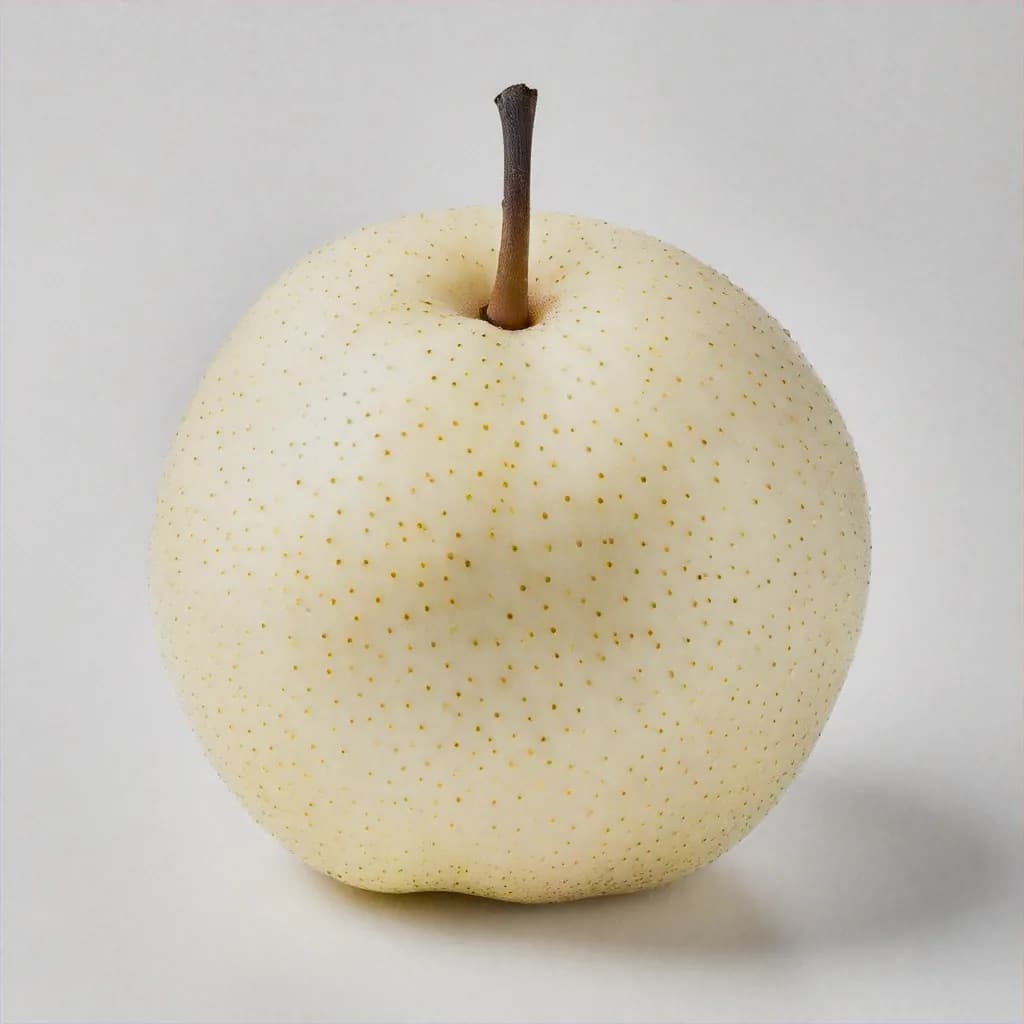
The Sorbus domestica, commonly known as the Service Tree, is a deciduous tree native to Europe and parts of Asia. Its fruit, often referred to as 'chequers' or 'serviceberries,' is small, round, and typically brownish-red when ripe. The flesh is slightly mealy but sweet and tart, resembling a blend of apple and pear flavors. Rich in vitamins, minerals, and antioxidants, the Service Tree fruit has been valued for centuries for its culinary and medicinal properties. Historically, it was used in traditional remedies and is now gaining recognition for its potential health benefits, including improved digestion, immune support, and anti-inflammatory effects.
Sorbus domestica (Service Tree) Galería de fotos
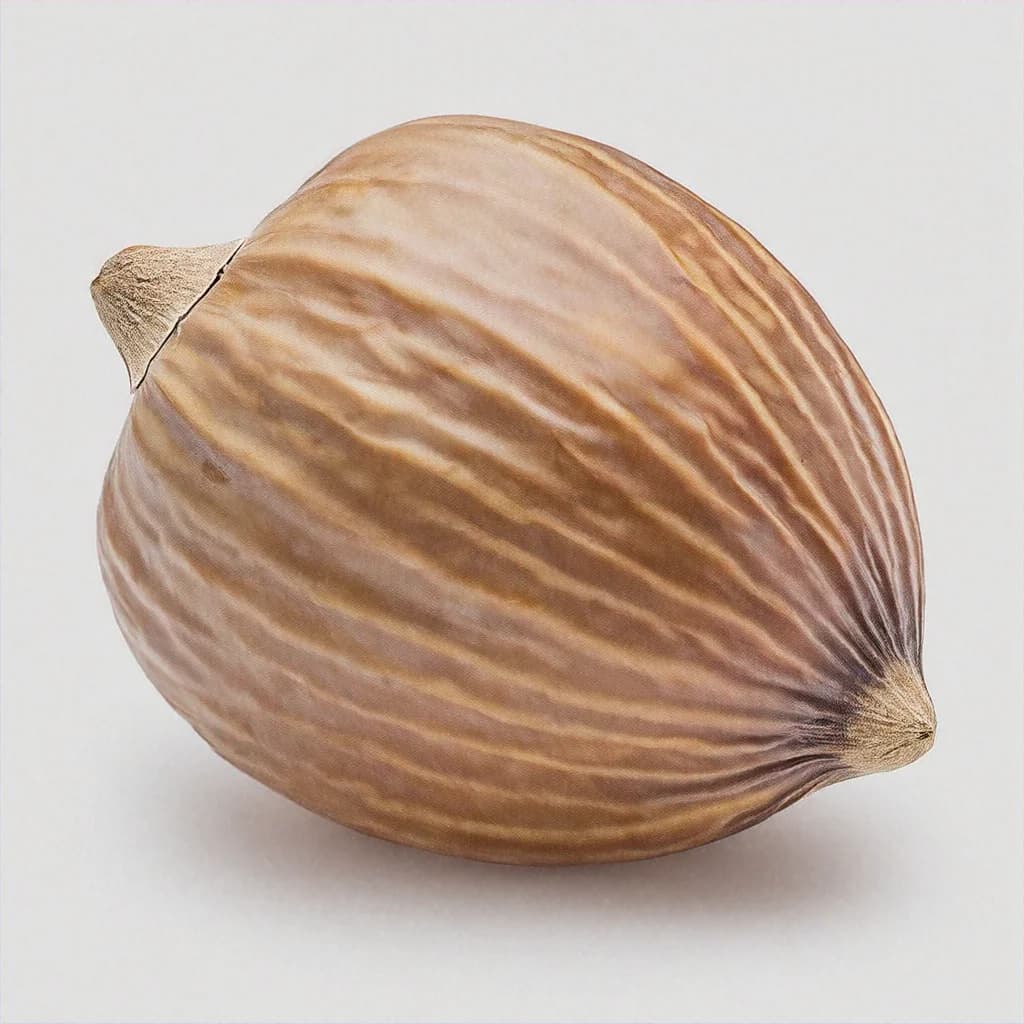
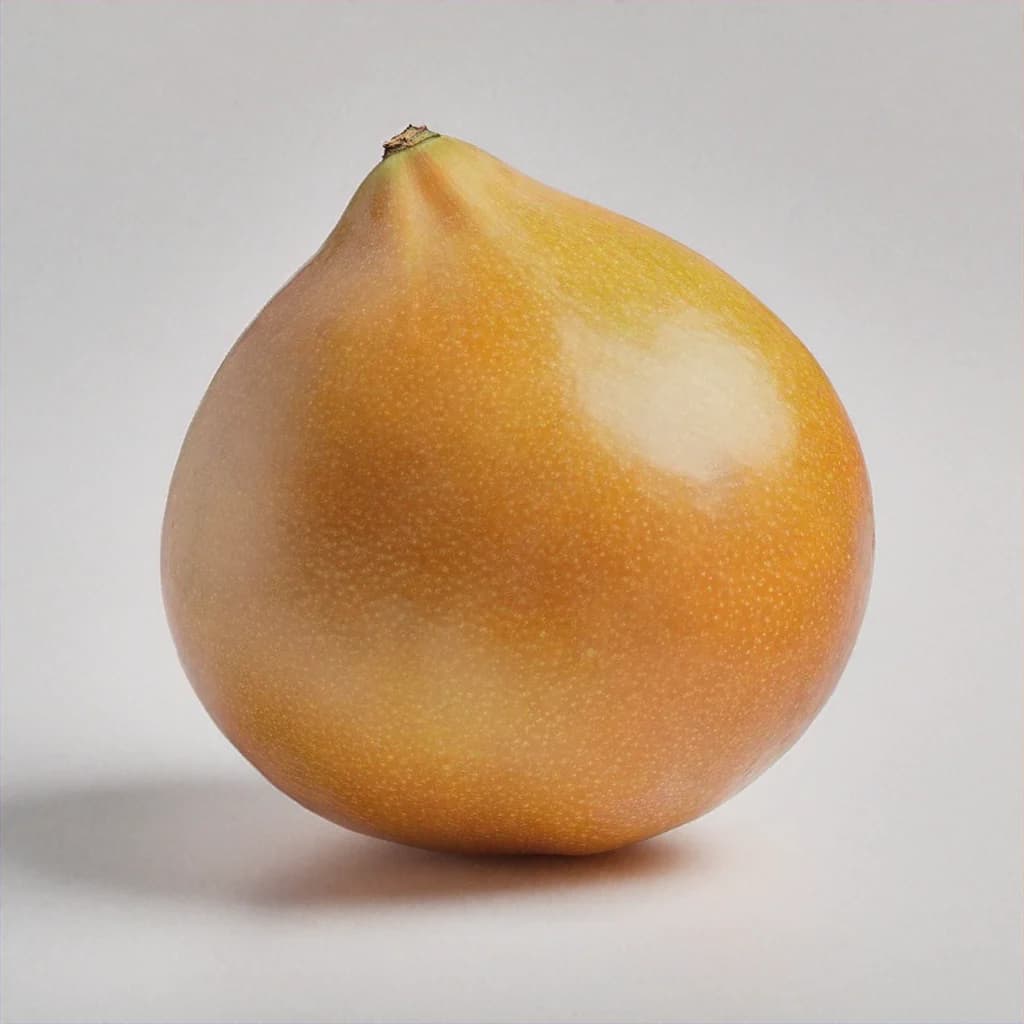
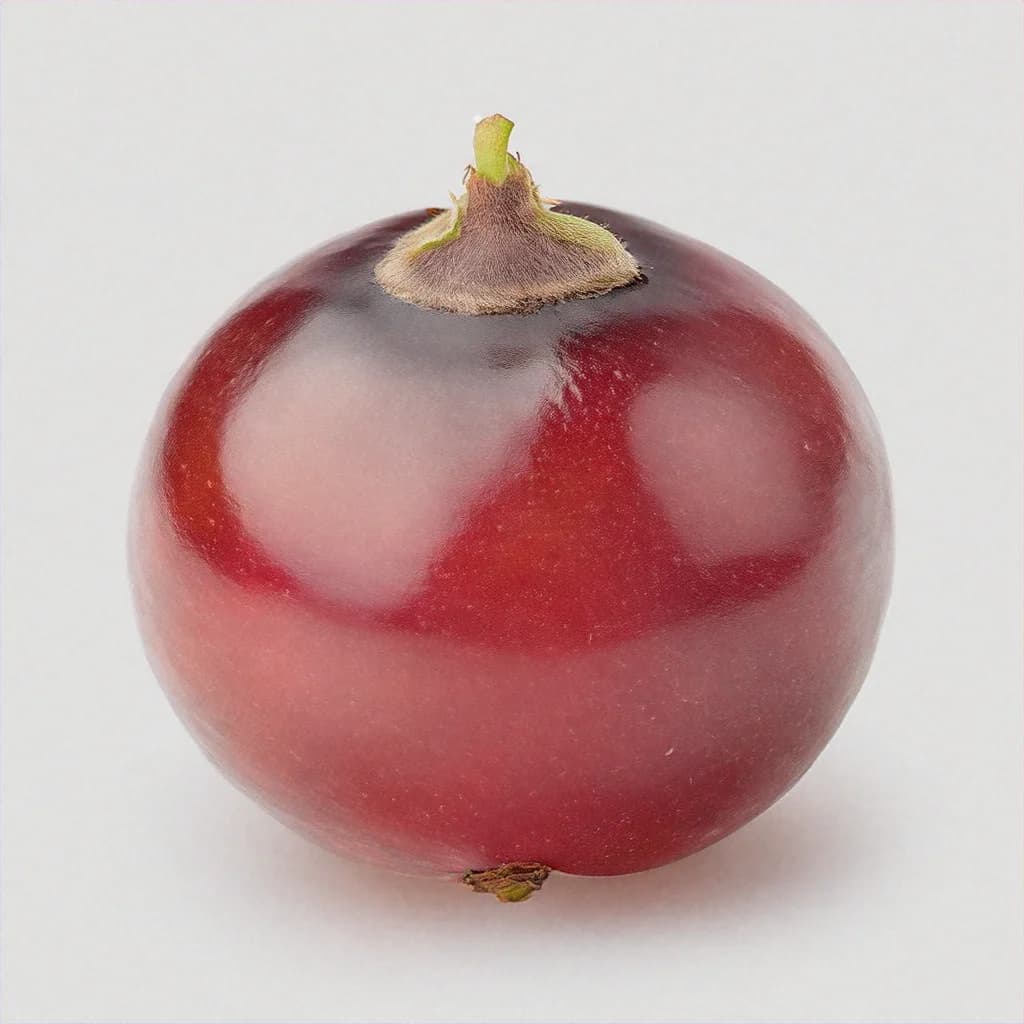
Explora Sorbus domestica (Service Tree) con todo detalle
Sorbus domestica (Service Tree) - Vista principal
Sorbus domestica (Service Tree) Información nutricional
💊Vitaminas
Por 100 g
⚡Minerales
Por 100 g
Por porción
Desglose nutricional por porción
Beneficios para la salud de Sorbus domestica (Service Tree)
Sorbus domestica (Service Tree) Origen y distribución
Europe and parts of Asia
The Service Tree has been cultivated for centuries in Europe, with historical records indicating its use in traditional medicine and culinary practices. Its fruit was often fermented into beverages or used in jams and preserves.
Sorbus domestica (Service Tree) Temporada alta
Late summer to early autumn
Sorbus domestica (Service Tree) Variedades
Cada variedad ofrece sabores, texturas y usos culinarios únicos
Sorbus domestica var. domestica
Sorbus domestica (Service Tree) Guía de selección y conservación
Mantén tu fruta fresca y deliciosa por más tiempo
Cómo elegir la fruta perfecta
Look for fruits that are firm but slightly yielding to gentle pressure.
Avoid fruits with blemishes, bruises, or mold.
Métodos de conservación
Store ripe fruits in the refrigerator to extend shelf life.
Keep away from ethylene-producing fruits like apples and bananas to prevent over-ripening.
Guía de vida útil
Instrucciones de congelación
Conserva la frescura por meses
Wash and dry the fruits thoroughly before freezing.
Store in an airtight container or freezer bag to maintain freshness.
Consejo
Etiqueta los alimentos congelados con la fecha para controlar la frescura. La mayoría de las frutas mantienen su calidad durante 2-3 meses si se congelan correctamente. Para mejores resultados, usa recipientes herméticos o bolsas para congelador para evitar quemaduras por congelación.
Viaje culinario
Descubre posibilidades deliciosas
Usos comunes
Maridajes perfectos
Recetas populares
Bebidas refrescantes
Información de seguridad
Generally hypoallergenic, but individuals with tree fruit allergies should exercise caution.
Organic varieties are recommended to minimize pesticide exposure.
- • Individuals with known allergies to tree fruits.
- • Those with sensitivity to tannins, as the fruit contains moderate levels.
- •May cause mild stomach discomfort if consumed in large quantities due to tannin content.
- • Wash fruits thoroughly before consumption.
- • Remove any blemishes or bruised areas before use.
Datos curiosos sobre Sorbus domestica (Service Tree)
¡Trivias sorprendentes que te encantarán!
The Service Tree is often referred to as the 'true service tree' to distinguish it from other species in the Sorbus genus.
In some regions, the fruit is called 'chequers,' a name derived from its checkered appearance when ripe.
Preguntas frecuentes
What does Sorbus domestica taste like?
GeneralSorbus domestica has a sweet and tart flavor, often compared to a blend of apple and pear.
How do I know if a Service Tree fruit is ripe?
BuyingRipe Service Tree fruits are brownish-red in color and slightly yielding to gentle pressure.
Can I freeze Service Tree fruits?
StorageYes, wash and dry the fruits thoroughly before storing them in an airtight container or freezer bag.
What are some popular culinary uses for Service Tree fruits?
CulinaryService Tree fruits are commonly used in jams, preserves, fermented beverages, and baked goods.
Are Service Tree fruits high in sugar?
NutritionService Tree fruits have a moderate sugar content of 8.7g per 100g, making them a balanced option.
Do Service Tree fruits have any known allergens?
HealthService Tree fruits are generally hypoallergenic, but individuals with tree fruit allergies should exercise caution.
Can Service Tree fruits be used in traditional medicine?
MiscellaneousYes, historically, Service Tree fruits have been used in traditional remedies for their antioxidant and anti-inflammatory properties.