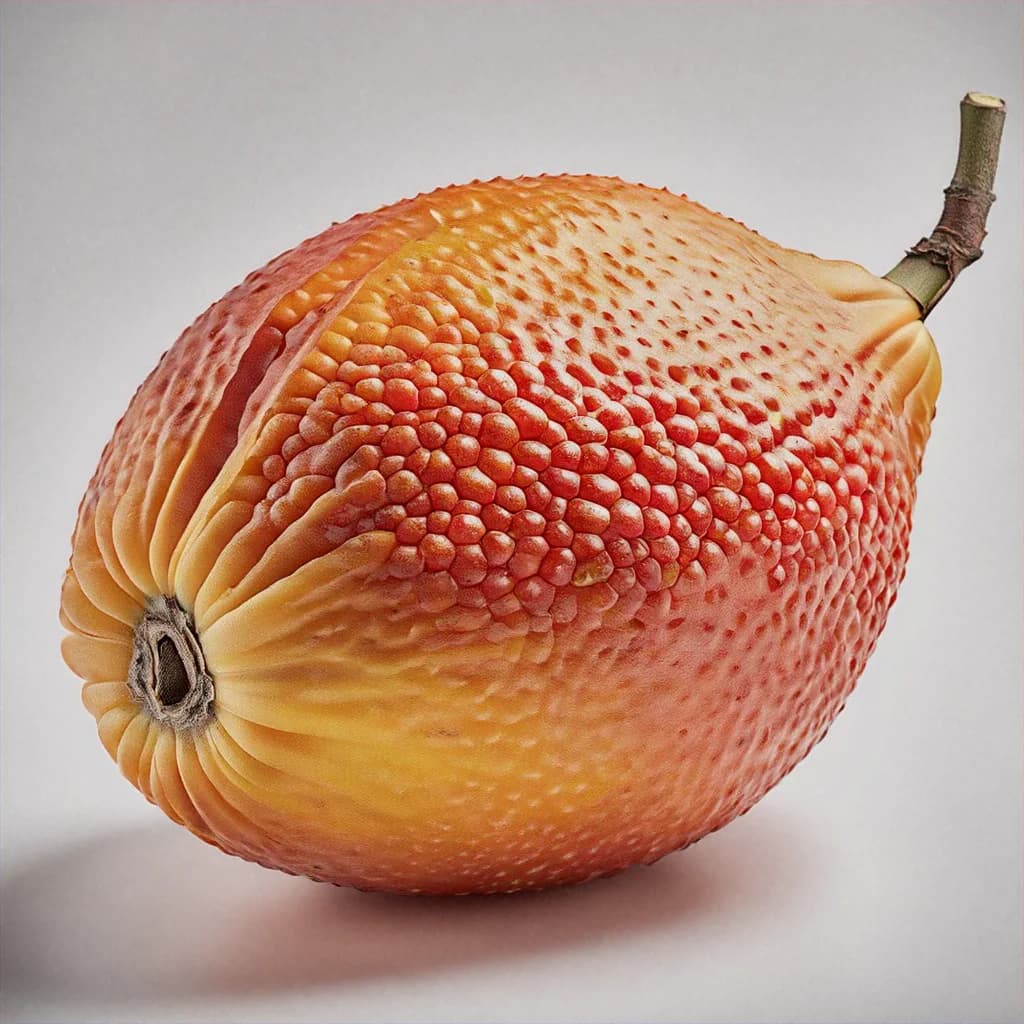
Pacay
Inga feuilleei
Pacay, also known as the ice-cream bean, is a tropical fruit native to Central and South America. It belongs to the legume family and is known for its unique texture and mildly sweet flavor. The fruit's pod contains a soft, cotton-like pulp surrounding black seeds, which are edible and have a taste reminiscent of vanilla ice cream. Pacay is not only delicious but also rich in nutrients, making it a valuable addition to diets in regions where it grows. Its soft pulp is often eaten raw, while the seeds can be roasted or ground into a flour for baking. Pacay is also celebrated for its sustainability, as it helps improve soil fertility and provides shade for other crops.
Pacay Galería de fotos
Explora Pacay con todo detalle
Pacay - Vista principal
Pacay Información nutricional
💊Vitaminas
Por 100 g
⚡Minerales
Por 100 g
Por porción
Desglose nutricional por porción
Beneficios para la salud de Pacay
Pacay Origen y distribución
Central and South America
Pacay has been cultivated for centuries in its native regions, valued for its nutritional content and versatility. It has played a significant role in traditional diets and agricultural systems, particularly in agroforestry practices.
Pacay Temporada alta
Year-round in tropical regions
Pacay Variedades
Cada variedad ofrece sabores, texturas y usos culinarios únicos
Inga feuilleei
Pacay Guía de selección y conservación
Mantén tu fruta fresca y deliciosa por más tiempo
Cómo elegir la fruta perfecta
Look for firm, green pods without blemishes.
Ensure the pods are plump and slightly heavy for their size.
Métodos de conservación
Store Pacay in a cool, dry place away from direct sunlight.
Refrigerate to extend shelf life.
Guía de vida útil
Instrucciones de congelación
Conserva la frescura por meses
Freeze the pulp after removing seeds for later use in smoothies or desserts.
Store seeds separately in an airtight container.
Consejo
Etiqueta los alimentos congelados con la fecha para controlar la frescura. La mayoría de las frutas mantienen su calidad durante 2-3 meses si se congelan correctamente. Para mejores resultados, usa recipientes herméticos o bolsas para congelador para evitar quemaduras por congelación.
Viaje culinario
Descubre posibilidades deliciosas
Usos comunes
Maridajes perfectos
Recetas populares
Bebidas refrescantes
Información de seguridad
Individuals with legume allergies should exercise caution when consuming Pacay.
Pacay is generally low in pesticide residues, but it is recommended to wash the pods thoroughly before consumption.
- • People with legume allergies
- • Individuals with known sensitivities to tropical fruits
- •Possible allergic reactions in sensitive individuals
- •Mild digestive discomfort if consumed in excess
- • Wash the pods thoroughly before consuming.
- • Ensure seeds are fully roasted if consumed.
Datos curiosos sobre Pacay
¡Trivias sorprendentes que te encantarán!
Pacay is also known as the 'ice-cream bean' due to its vanilla-like flavor.
The seeds of Pacay can be roasted and ground into a flour for baking.
Preguntas frecuentes
What does Pacay taste like?
GeneralPacay has a mildly sweet flavor with hints of vanilla, often compared to vanilla ice cream.
How do I know if Pacay is ripe?
BuyingRipe Pacay pods are green, firm, and slightly heavy. Avoid pods with blemishes or soft spots.
Can I freeze Pacay?
StorageYes, you can freeze the pulp for later use in smoothies or desserts. Store the seeds separately.
What are some popular culinary uses for Pacay?
CulinaryPacay is often eaten raw, used in smoothies, or incorporated into desserts like ice cream. The seeds can be roasted and eaten as a snack.
Is Pacay high in sugar?
NutritionPacay has a moderate sugar content of 8 grams per 100 grams, making it a balanced choice for those watching their sugar intake.
Does Pacay have any health interactions?
HealthPacay is generally safe for most people, but individuals with allergies to legumes should exercise caution.
Is Pacay sustainable?
MiscellaneousYes, Pacay is considered sustainable as it improves soil fertility and provides shade for other crops in agroforestry systems.